


Summary
- GPS jamming in Eastern Europe impacts thousands of flights.
- Russia suspected of causing GPS interference over Baltic states.
- Hybrid war tactics potentially behind GPS spoofing in region.
For months or years now, GPS signals have been spoofed and jammed in parts of northeast Europe, neighboring Russia. Russia was recently blamed for one 63-hour attack that affected thousands of aircraft in the region. While there has been a flurry of large and new GPS jamming attacks in the region, this is not new. A French regulator blamed Russia for GPS jamming around Finland in 2022 (and there were other jamming instances in 2018). GPS is a core part of an aircraft’s navigation system and interfering with it can pose a safety risk.
A spate of GPS jamming in Eastern Europe
Recently, there have been many reports of GPS jamming over Finland, Poland, and Europe’s Baltic States. The Guardian reported on 22 April that thousands of flights to and from Europe had been affected by the jamming. This includes over 2,300 Ryanair flights. The publication stated that as of then, around 46,000 aircraft had logged problems with GPS over the Baltic Sea.
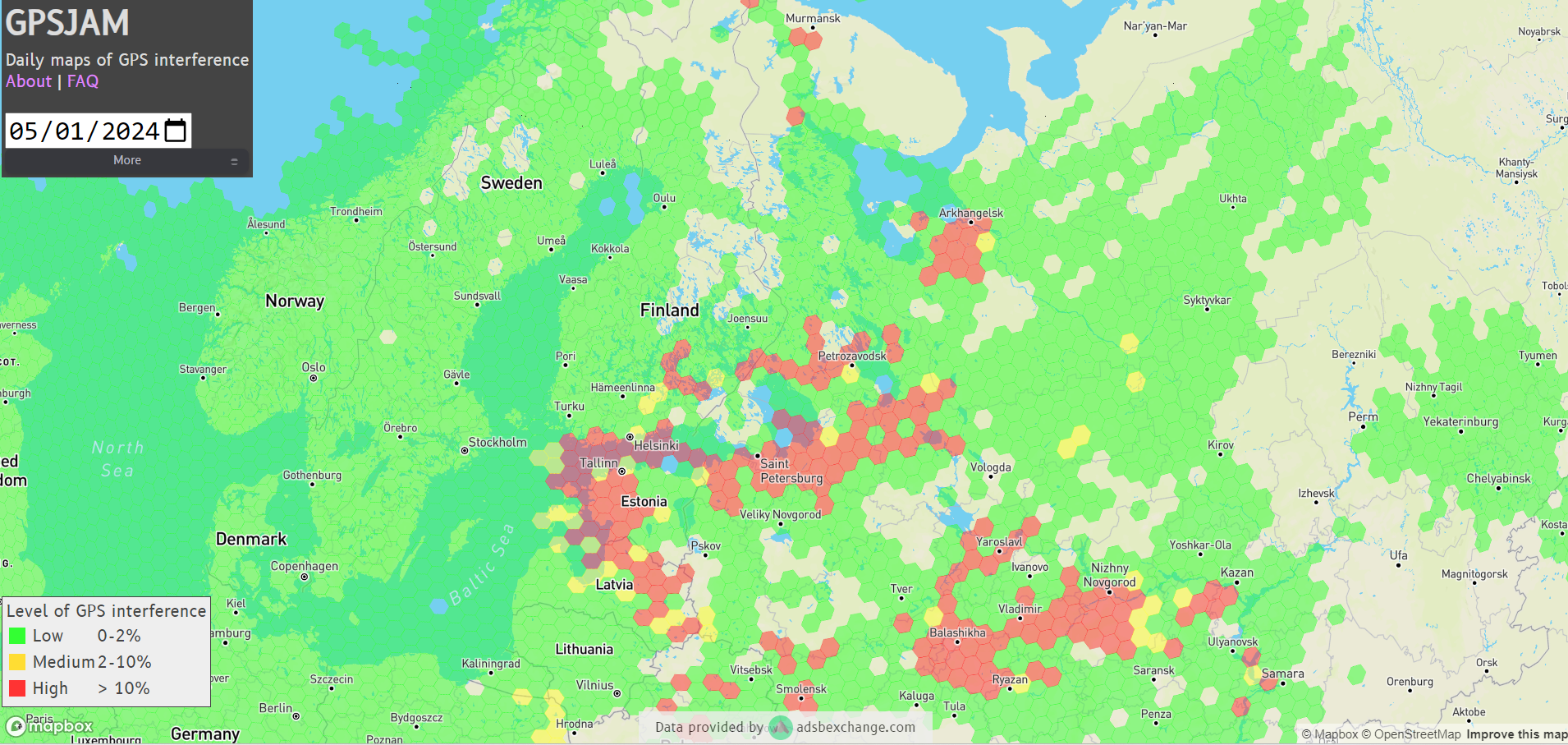
Photo: GPSJAM.org
Technically, GPS (or Global Positioning System) is part of the larger GNSS (Global Navigation Satellite System). So, “GNSS jamming” would be the more accurate term.
Various articles and commentators have pointed the finger at Russia for the GPS jamming. Most of the GPS jamming issues are clustered in Eastern Europe in parts neighboring Russia including its Kaliningrad exclave. It should be noted that Russia has not claimed responsibility for the GPS jamming.
|
Regions affected by GPS Jamming in 2024: |
Countries affected |
|---|---|
|
Northeast Europe: |
Poland, Estonia, Latvia, Poland, Belarus, Lithuania, Finland |
|
Eastern Europe: |
Russia, Ukraine, Balkans neighboring Black Sea region (Ukraine War-related) |
|
Middle East/Eastern Mediterranean: |
Turkey, Cyprus, Iraq, Syria, Lebanon |
|
Southeast Asia: |
Myanmar (Burma) |
|
South Asia: |
India, Pakistan (northern border/line of control) |
As of the time of writing (2 May 2024), the GPSJAM map showed GPS jamming around parts of the Baltic States and southern Finland but not over Poland. There is also significant GPS jamming over the Moscow, St. Petersburg, and Crimea regions – likely to defend against Ukrainian missile and drone attacks in the region. The Time Magazine reported that the Russian President boasted in 2014 that he could take Kyiv in 14 days. Now, over 2 years into the Full-Scale Russian Invasion of Ukraine, Russia is having to defend its key cities from a growing list of long-range Ukrainian capabilities.
Additionally, regions in the Eastern Mediterranean, Turkey, Syria, Iraq, Israel, Lebanon, Jordan, parts of the Black Sea, and even war-torn Myanmar (Burma) were also shown as having GPS jamming. These areas are mostly conflict zones.
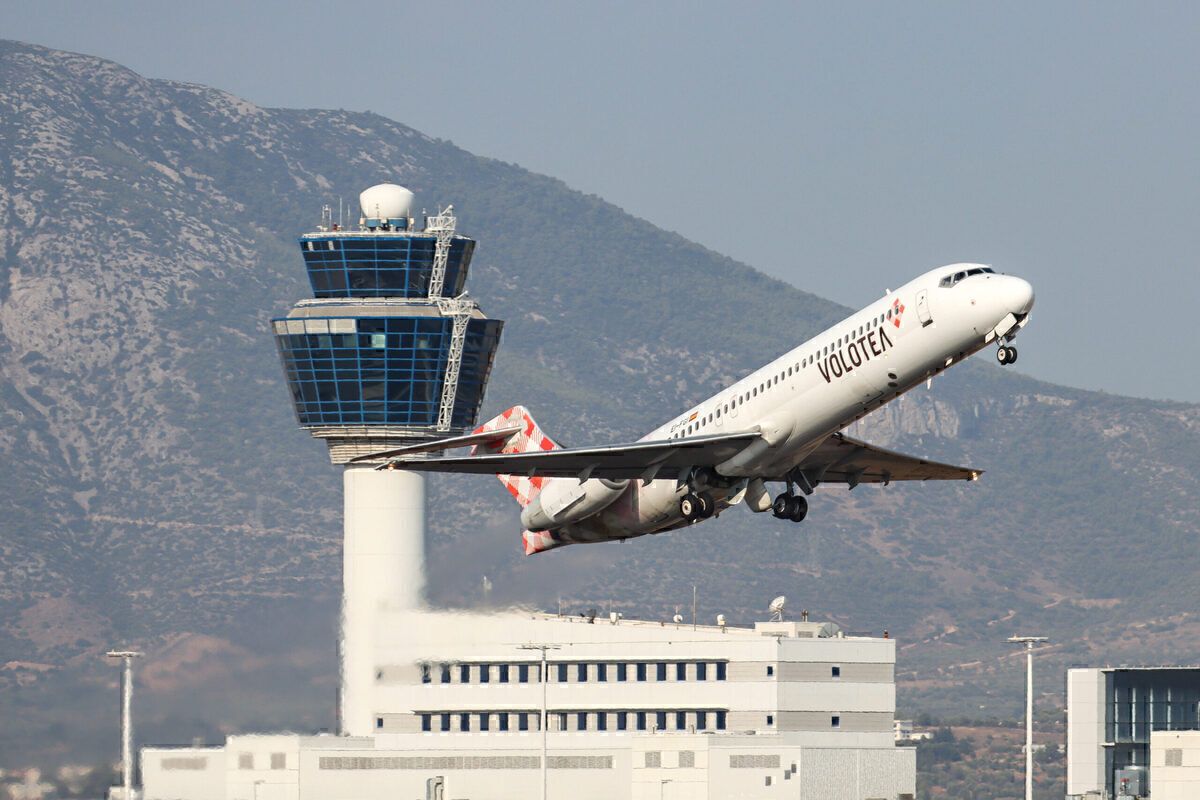
Related
EASA Warns That The Ukraine Conflict Could Impact GPS In Europe
The European safety body is warning operators of GPS interference as a result of the conflict.
Why aircraft use GPS
GPS (Global Positioning System) was developed by the American military for military use. GPS was opened to the public after Korean Air Lines Flight 007 (a Boeing 747) unwittingly strayed into Soviet-prohibited airspace in 1983. The flight was shot down by a Soviet interceptor and all 269 people on board died. President Ronald Reagan announced GPS would be freely available for civilian use to ensure this didn’t happen again.
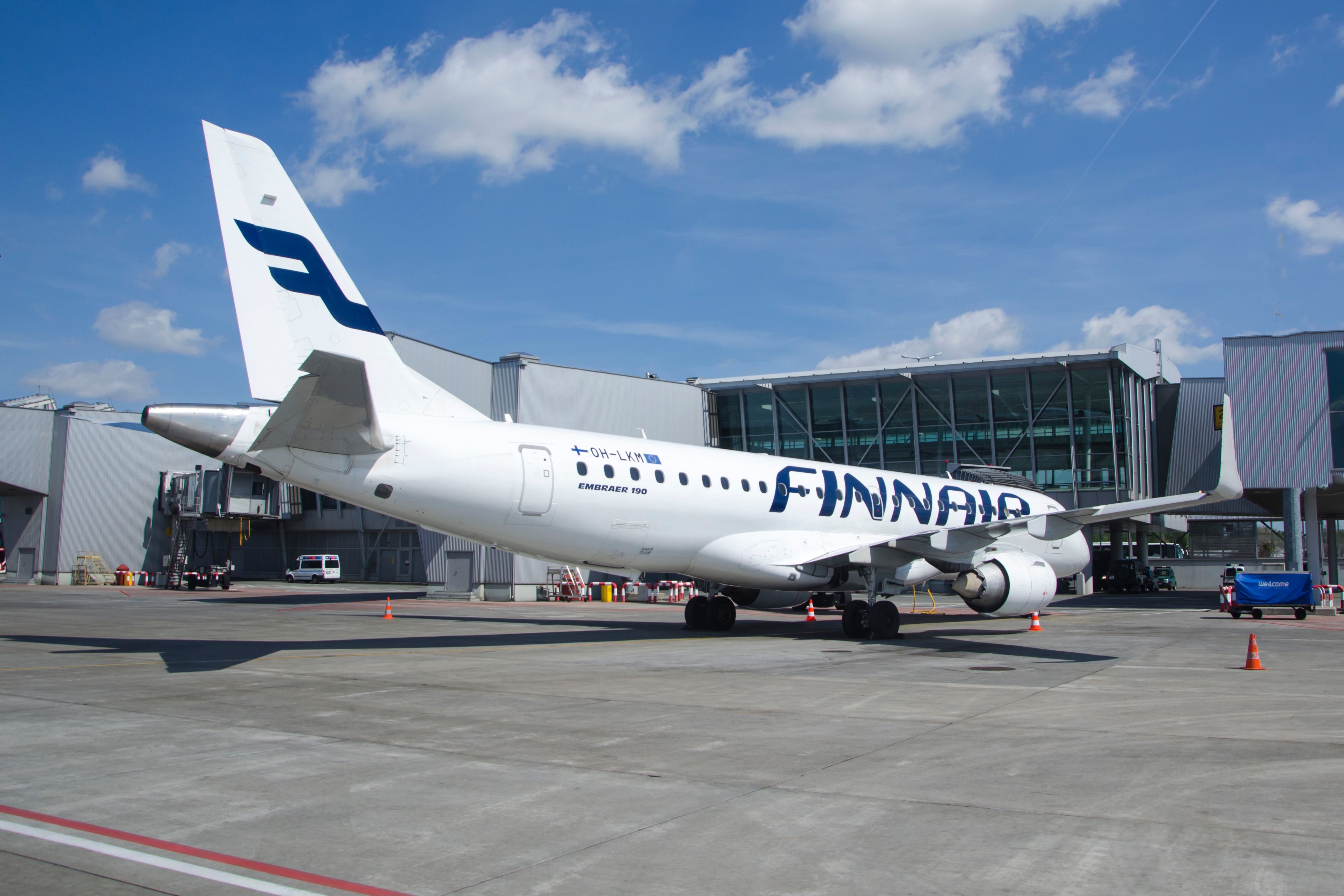
Photo Karol Ciesluk | Shutterstock
GPS spoofing is not limited to Eastern Europe. GPSJAM maps reveal that much of the Middle East is experiencing GPS jamming (the region has multiple wars and simmering conflicts). It was also recently reported that GPS spoofing caused 20 aircraft to fly off course while flying over Iraqi airspace.

Related
Finnair Noticing GPS Abnormalities Near The Russian Border
The carrier has reported several such incidents in the last couple of days.
Electronic Warfare & Hybrid War
Electronic Warfare (EW) is a central part of modern war. GPS allows aircraft to navigate and allows missiles to hit their targets accurately. The War in Ukraine has seen an explosion in the use of EW and jamming missiles, drones, and other GPS-enabled systems.
For now, Russia is suspected of jamming the GPS signals over parts of Eastern Europe, but it is still not certain. As Newsweek states, there is no proof of Russia’s involvement. If Russia is spoofing and jamming the signals, it could be doing it for a number of reasons – e.g. they may be testing (or flexing) new EW capabilities. Europe and Russia are caught in a proxy war in Ukraine but are not directly at war with each other. This may be part of a hybrid war designed to cause inconvenience and inflict pain while maintaining plausible deniability and avoiding retaliation and open conflict.
Examples of hybrid war Russia is accused of:
- Cyber attacks
- Pipeline gas wars
- GPS jamming & spoofing
- Misinformation & propaganda (per EU Parliament)
- Election interference (per NBC News, etc.)
- Sabotage on NATO soil (per ABC News)
- Targeted assassinations & poisonings (e.g. Salisbury poisonings)
Parallels in hybrid war can be drawn with cyber-attacks and gas wars (Russia is often accused of being behind cyber attacks). Long before the Russo-Ukraine war got hot, it was cold – very cold. Between 2005 and 2009, Russia reduced gas supplies to Ukraine to put pressure on the country during the winter, causing the country to freeze (this was widely reported at the time including by the New York Times). Now that Ukraine and Europe have largely severed their reliance on gas from Russia, Russia no longer has this gas-based hybrid war lever to pull.
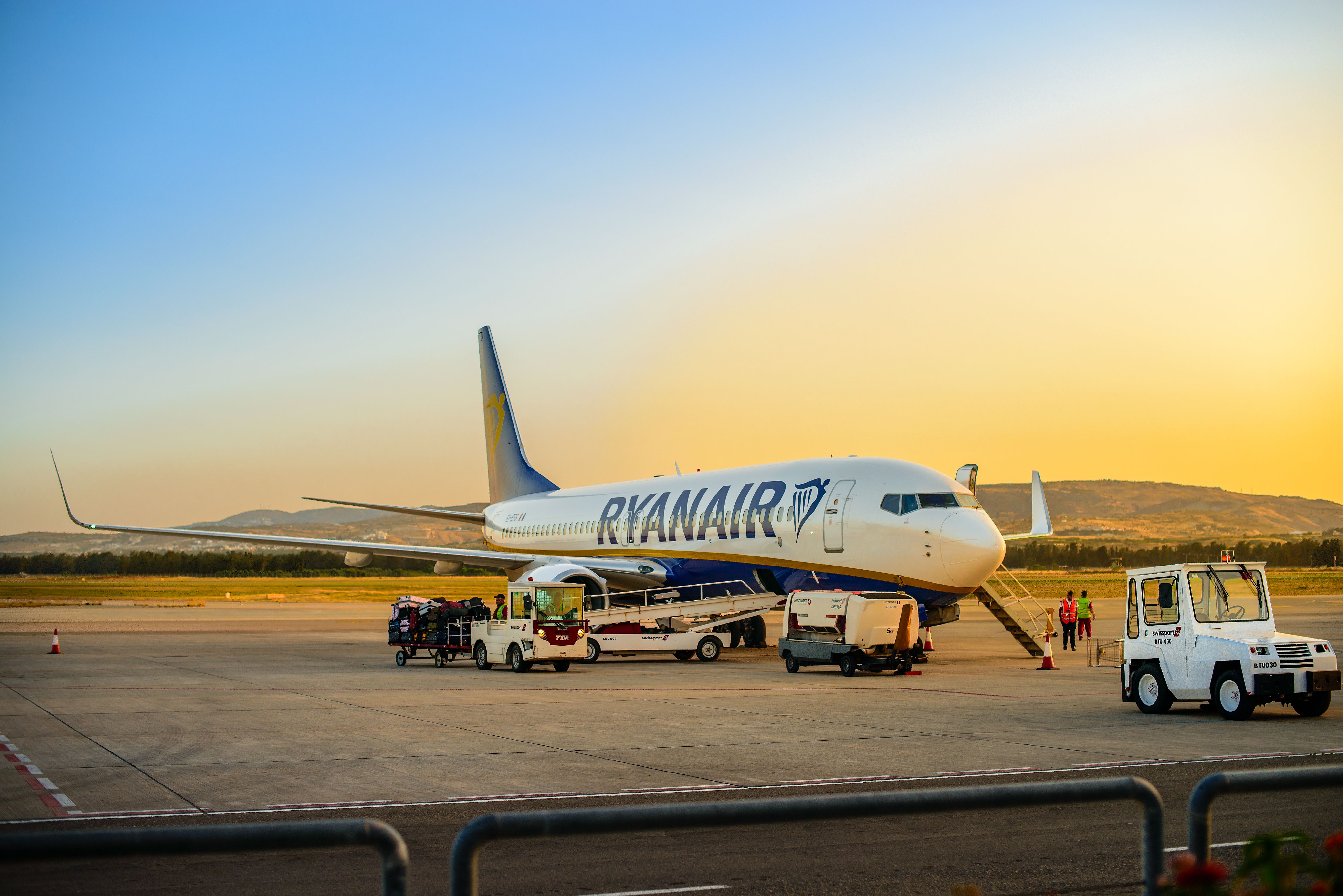
Photo: smspsy | Shutterstock
Writing about the recent GPS jamming in Eastern Europe, one journalist went so far as to post on X (formerly Twitter) “It appears [the Russians are] testing it here for a potential future attack on Poland, Baltics.” While the motives may be more about posturing and flexing than preparing for an attack, Eastern European countries are taking their military security seriously. Poland, for instance, has recently doubled its army to county Russia according to The Times.
