


Summary
- Turkish Airlines reached a compensation agreement with International Aero Engines for operational disruptions and losses due to Pratt & Whitney engine issues on A320 family aircraft.
- Over 50 airlines worldwide have been impacted by engine issues.
- Airlines are taking creative steps to circumnavigate the grounding of their A320s, including modifying schedules, leasing aircraft, and extending the life of older planes.
Earlier this week, Turkish Airlines announced that it had reached a compensation agreement with International Aero Engines. The agreement will compensate the airline for the operational disruptions and losses incurred due to the long-standing issues with Pratt & Whitney engines being utilized on the carrier’s A320 family aircraft.
Issues with the engine
For over a year now, issues with Pratt & Whitney’s PW1100G-JM engines have been causing disruptions and grounding of aircraft with operators worldwide, including Turkish Airlines. The problems with the engine have forced the airline to ground some of its Airbus A320neo and A321neo aircraft.
According to AirlineGeeks, the airline reached a compensation agreement with International Aero Engines (IAE) on Thursday, July 4th. While the details of the agreement are confidential, the compensation is reported to mitigate any operational impact caused by the engine issues. Considering that Turkish Airlines operates 58 aircraft powered by the affected engine type and around 20 of these aircraft are grounded, the operational disruptions caused, and the related compensation would be considerable.
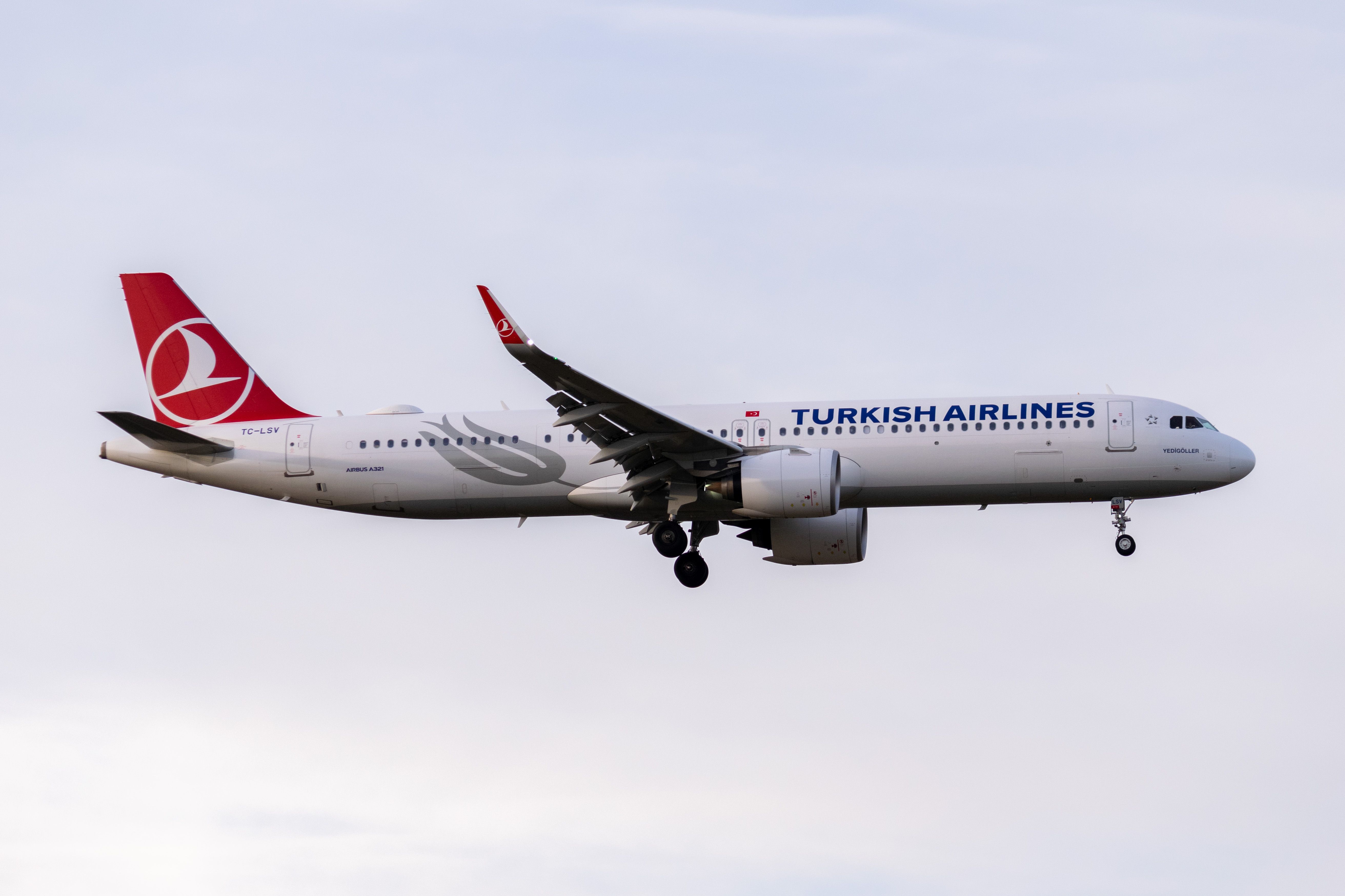
Photo: Tom Boon | Simple Flying
Due to the global scale of disruption caused by the issues with the engine type, in recent months, operators such as Spirit Airlines and Air Astana have reached compensation settlements with the IAE to cover costs incurred due to operational disruption.

Related
Pratt & Whitney & Air Astana Settle Over PW1100G Engines
The Kazakh flag carrier has been experiencing issues with the power plants on their A320neo family fleet.
Global disruptions
Considering the A320neo is the backbone of short and medium-haul operations with several airlines around the world, the engine issues have impacted over 50 airlines and leasing operators worldwide. The batch of affected engines was manufactured between 2015 and 2021, which makes the potential number of engines requiring inspection over 3,000 worldwide.
With the recovery and rise in passenger demand, affected airlines around the world are in need of capacity to handle the operations and thus have been taking creative steps to circumnavigate the grounding of their A320s. While some carriers are modifying their schedules to minimize disruptions, other carriers have been leasing aircraft or even extending the life of their older aircraft.

Photo: Wirestock Creators | Shutterstock
German carrier Lufthansa reported last year that it would continue operating its older A320-200s to ensure sufficient capacity is maintained because the airline anticipates up to 20 of its newer A320neo aircraft being out of service at any given time.

Related
Pratt & Whitney GTF Engine Issues Force Lufthansa To Prolong Lives Of Older Airbus A320ceo
At any given moment, 20 of the A320neo aircraft will be out of service for the coming years.
Until 2026, it is estimated that over 300 – A320 aircraft will be affected annually as the engine manufacturers inspect the engines to ensure they are safe for operation.
What was the issue?
While the regular readers of Simple Flying would know the details of the issues with the PW1100G GTF engines, here is a summary for any new readers. The GTF (Geared Turbofan) engine is the powerplant of choice of the popular A320neo and A321neo aircraft; however, Pratt & Whitney had to begin recalling its engines for inspection.
This is mainly to check for the potential for microscopic cracks to form on the engine’s high-pressure turbine disks due to a rare issue with the powdered metal used. While the manufacturer has stated that it is not an immediate threat, the engine will have to undergo inspection for these cracks ahead of the planned maintenance schedule.
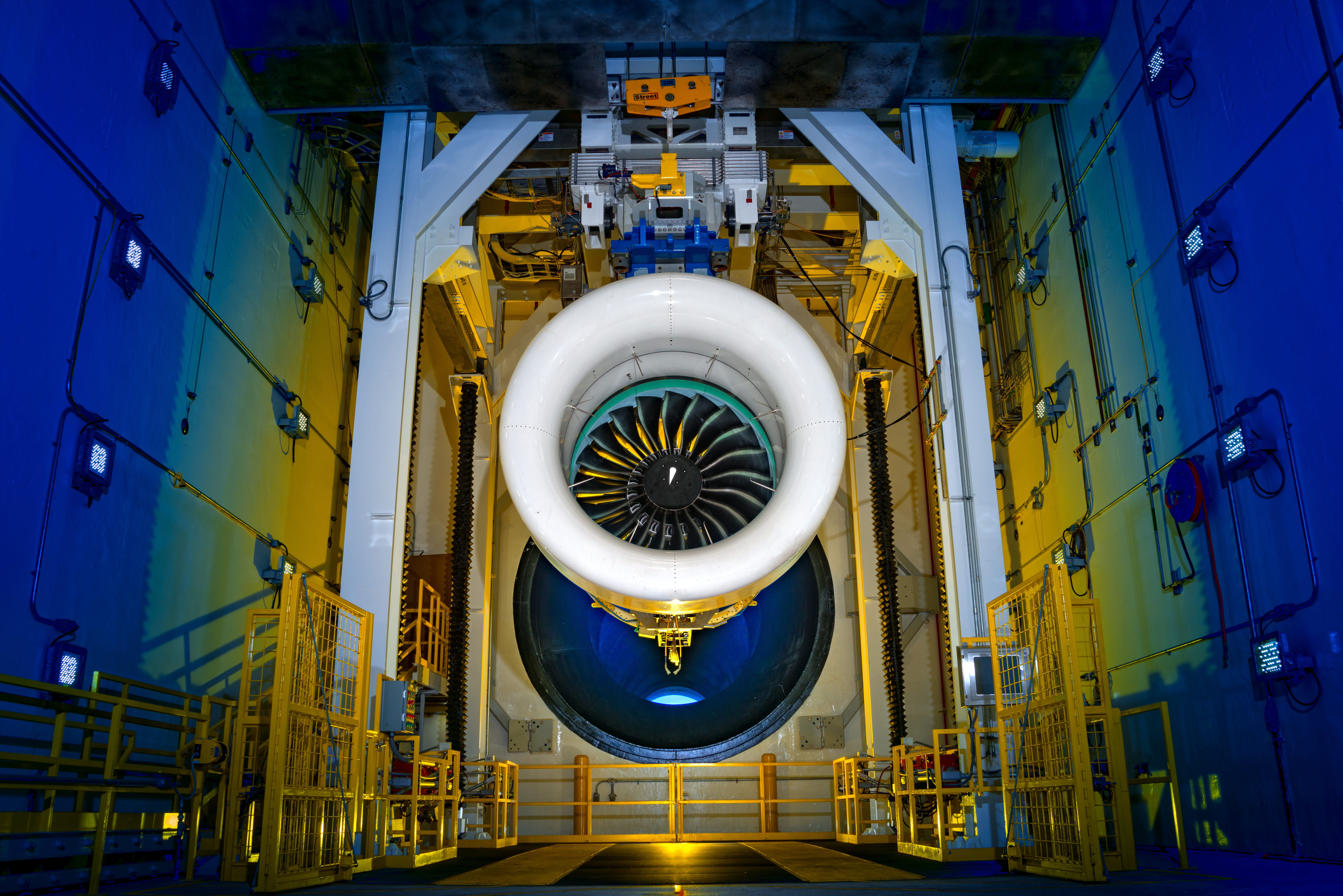
Photo: Pratt & Whitney
Disruption to this maintenance schedule can be a major inconvenience for operators, as airlines tend to schedule flights for each season (and upcoming season, for that matter) around the aircraft maintenance schedule. When this gets disrupted, the airline would then have to make significant changes to its schedule and sometimes even scale back its operations if the capacity cannot be replaced.

Related
New FAA AD On Pratt & Whitney PW1100G Engines Could Cost US Airlines Over $150 Million
A new directive by the FAA has added more engine parts to be inspected by PW1100G operators.
-
![Turkish Airlines A330]()
Turkish Airlines
- IATA/ICAO Code:
- TK/THY
- Airline Type:
- Full Service Carrier
- Hub(s):
- Istanbul Airport
- Year Founded:
- 1933
- Alliance:
- Star Alliance
- CEO:
- Bilal Ekşi
- Country:
- Turkey
-
![A321neo DLH (Lufthansa)]()
Pratt & Whitney
- Date Founded:
- 1925-01-01
- CEO:
- Christopher Calio
- Headquarters Location:
- East Hartford, United States
- Business Type:
- Engine Maker


