


Summary
- Korean Air removes instant noodles from economy cabin to prevent burn injuries during turbulence.
- Snacks like sandwiches, corn dogs, and hot pockets will be offered in place of noodles.
- In response to increased turbulence incidents, Korean Air also wraps up cabin services 40 minutes before landing.
The increasing cases of severe turbulence lately have had airlines err on the side of caution. Korean Air has introduced some changes to in-flight services in recent months, with the latest one being the removal of instant noodles from the economy cabin of flights, keeping in mind the safety of passengers and cabin crew.
Korean Air removes instant noodles
has tweaked the economy class menu of its flights by removing instant noodles from the list of options available. This has been done to prevent burn-related injuries to passengers and crew members in light of increasing cases of severe turbulence.
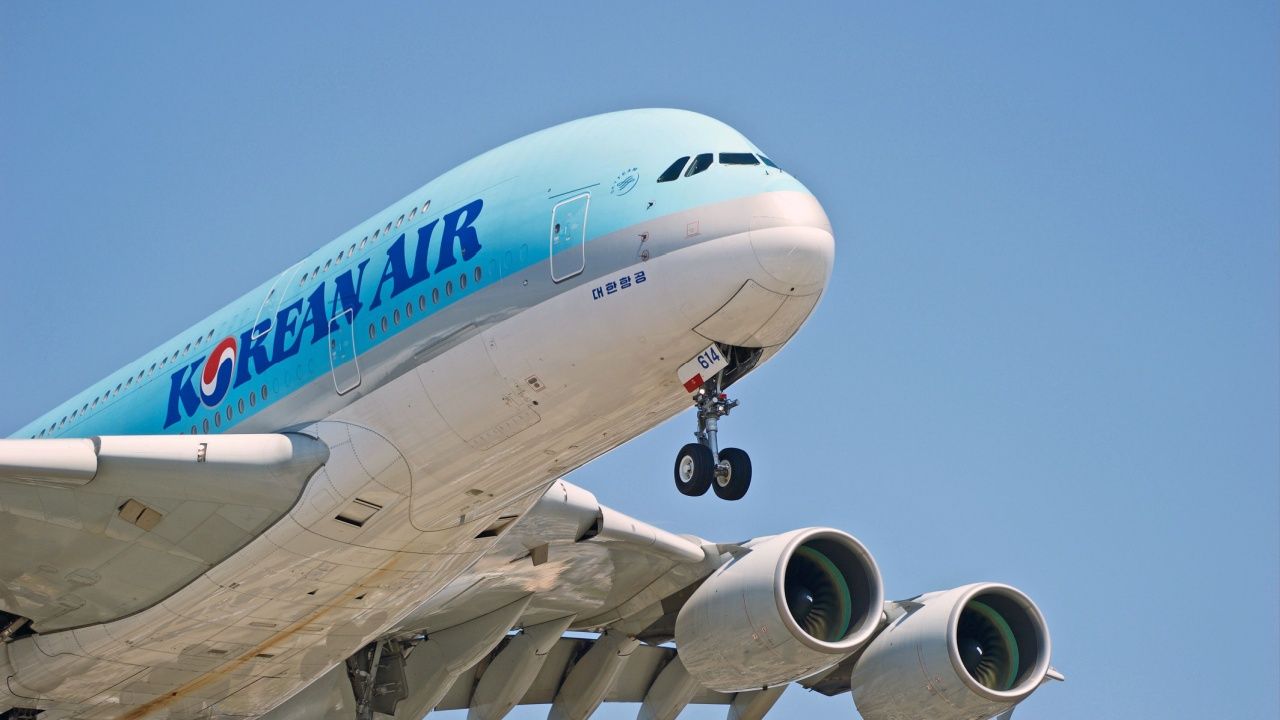
Photo: Kevin Hackert | Shutterstock
The airline, however, is replacing the noodles with a bunch of other snack options. In a statement to Simple Flying, the airline’s communications team said,
“Korean Air has renewed its in-flight snack service to offer a variety of snacks such as sandwiches, corn dogs, and hot pockets in Economy Class. This decision is part of proactive safety measures in response to increased turbulence, aimed at preventing burn accidents. To enhance passenger satisfaction and diversify snack options, a self-service snack bar is available on long-haul flights. We are committed to ensuring passenger safety and will select snacks on each route based on customer preferences.”
A BBC report explains that instant noodles are being removed from economy and not business or first class, because in the economy cabin, the noodles are all served at once (increasing chances of spillage), as opposed to being brought individually in the premium cabins.
Previous changes in service procedures
Korean Air has made some changes to its policies related to in-flight services in recent months. To minimize the risk of turbulence to passengers and crew members, the carrier has also started to wrap up cabin services on all medium and long-haul routes 40 minutes before landing, since July 1. This is 20 minutes earlier than the previous service protocol.

Photo: Rebius | Shutterstock
The carrier explained that the number of turbulence-related incidents has doubled in Q1 2024 compared to Q1 2019. It said that an airplane is particularly susceptible to turbulence as it descends because of the differences in temperatures between altitudes.
Increasing incidents of severe turbulence
There have been several cases of mid-flight turbulence in recent months, some severe enough to cause serious injuries to passengers and crew members. In May, a Singapore Airlines Boeing 777 traveling from London Heathrow to Singapore Changi Airport was hit by severe turbulence which caused serious injuries to many passengers, even claiming the life of one.
The aircraft experienced a rapid change of altitude and g-force and eventually diverted to Bangkok, where dozens of passengers had to be treated for critical injuries. Singapore Airlines
changed its meal-service policy soon after
, suspending the service of hot drinks and meals when the seatbelt sign is on.
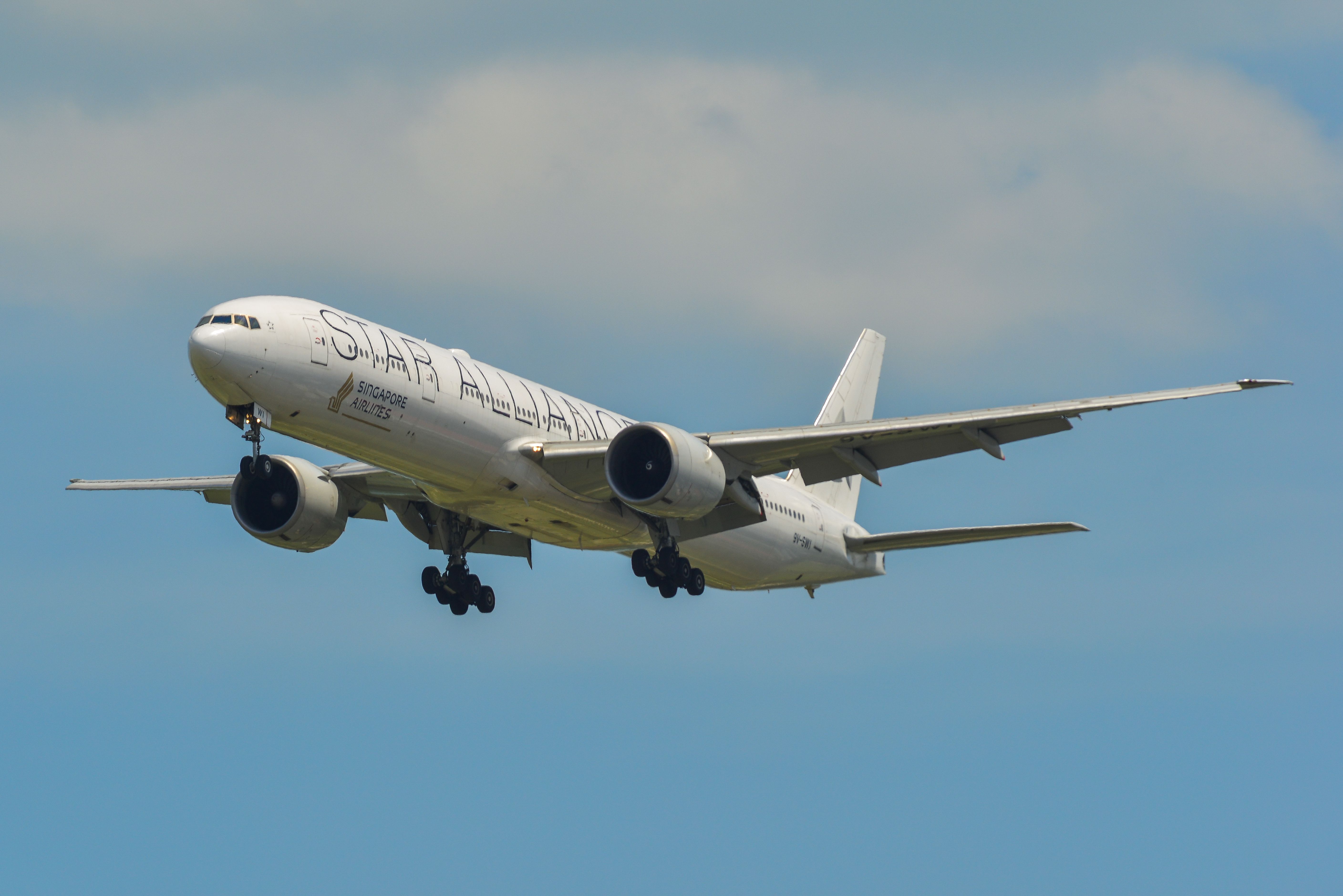
Photo: Phuong D. Nguyen | Shutterstock
Not too long after the SIA incident, a Turkish Airlines Airbus A321 flight from Istanbul to Izmir faced severe turbulence during which a flight attendant was flung to the ceiling before falling hard on the floor, suffering from a broken backbone.
The same month, emergency services at Dublin airport met a Qatar Airways Boeing 787-9 after turbulence injured six passengers and six crew members on the flight.
