


Commercial fleet operators are steadily increasing their use of GPS fleet tracking, in-cab video solutions, and predictive analytics, driven by rising costs, evolving regulations, and competitive pressures, according to an industry report from Verizon Connect.
Those conclusions come from the company’s fifth annual “Fleet Technology Trends Report,” conducted in partnership with Bobit Business Media, and based on responses from 543 fleet management professionals.
The study showed that for five consecutive years, at least four out of five respondents have reported using at least one form of fleet technology, said Atlanta-based Verizon Connect, which provides fleet and mobile workforce management software platforms, embedded OEM hardware, and a connected vehicle device called Hum by Verizon.
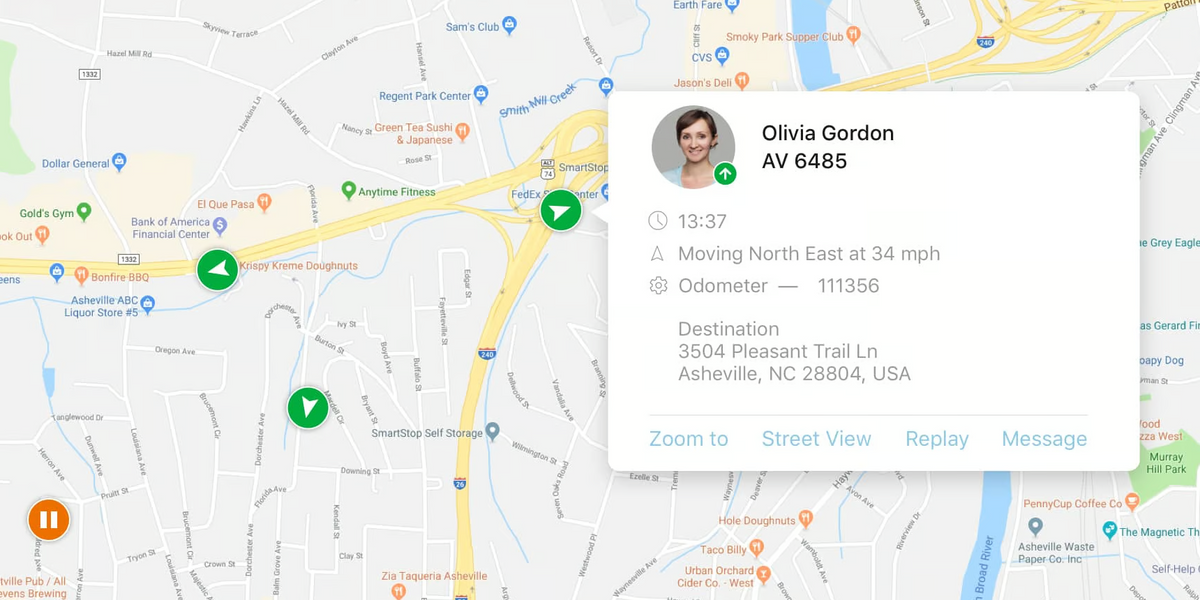
The most commonly used of those technologies is GPS fleet tracking, with 69% of fleets across industries reporting its use, the survey showed. Of those users, 72% find it extremely or very beneficial, citing improved efficiency (62%) and a reduction in harsh driving/speeding events (49%).
Respondents also reported a focus on safety, with 57% of respondents citing improved driver safety as a key benefit of GPS fleet tracking. And 68% of users said in-cab video solutions are extremely or very beneficial. Together, those technologies help reduce distracted driving incidents, improve coaching sessions, and help reduce accident and insurance costs, Verizon Connect said.
Looking at the future, fleet management software is evolving to meet emerging challenges, including sustainability and electrification, the company said. “The findings from this year’s Fleet Technology Trends Report highlight a strong commitment across industries to embracing fleet technology, with GPS tracking and in-cab video solutions consistently delivering measurable results,” Peter Mitchell, General Manager, Verizon Connect, said in a release. “As fleets face rising costs and increased regulatory pressures, these technologies are proving to be indispensable in helping organizations optimize their operations, reduce expenses, and navigate the path toward a more sustainable future.”
