


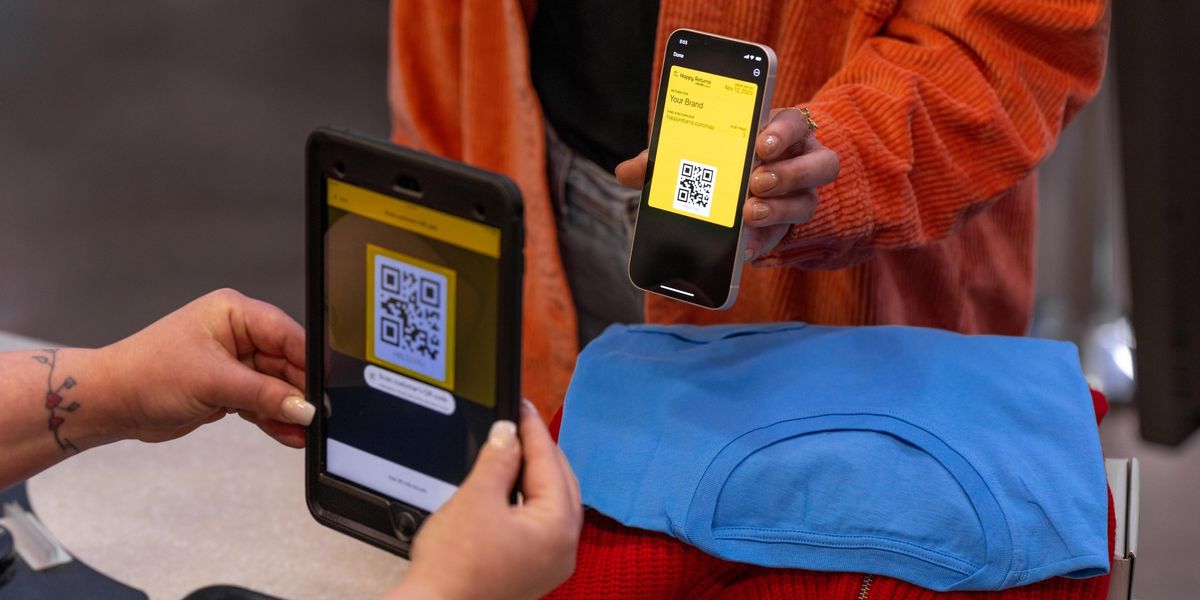
As shoppers prepare to receive—and send back—a surge of peak season e-commerce orders this month, returns will continue to pose a significant cost for the retail industry, with total returns projected to reach $890 billion in 2024, according to a report released today by the National Retail Federation (NRF) and Happy Returns, a UPS company.
Measured over the entire year of 2024, retailers estimate that 16.9% of their annual sales will be returned. But that total figure includes a spike of returns during the holidays; a separate NRF study found that for the 2024 winter holidays, retailers expect their return rate to be 17% higher, on average, than their annual return rate.
Despite the cost of handling that massive reverse logistics task, retailers grin and bear it because product returns are so tightly integrated with brand loyalty, offering companies an additional touchpoint to provide a positive interaction with their customers, NRF Vice President of Industry and Consumer Insights Katherine Cullen said in a release. According to NRF’s research, 76% of consumers consider free returns a key factor in deciding where to shop, and 67% say a negative return experience would discourage them from shopping with a retailer again. And 84% of consumers report being more likely to shop with a retailer that offers no box/no label returns and immediate refunds.
So in response to consumer demand, retailers continue to enhance the return experience for customers. More than two-thirds of retailers surveyed (68%) say they are prioritizing upgrading their returns capabilities within the next six months. In addition, improving the returns experience and reducing the return rate are viewed as two of the most important elements for businesses in achieving their 2025 goals.
However, retailers also must balance meeting consumer demand for seamless returns against rising costs. Fraudulent and abusive returns practices create both logistical and financial challenges for retailers. A majority (93%) of retailers said retail fraud and other exploitive behavior is a significant issue for their business. In terms of abuse, bracketing – purchasing multiple items with the intent to return some – has seen growth among younger consumers, with 51% of Gen Z consumers indicating they engage in this practice.
“Return policies are no longer just a post-purchase consideration – they’re shaping how younger generations shop from the start,” David Sobie, co-founder and CEO of Happy Returns, said in a release. “With behaviors like bracketing and rising return rates putting strain on traditional systems, retailers need to rethink reverse logistics. Solutions like no box/no label returns with item verification enable immediate refunds, meeting customer expectations for convenience while increasing accuracy, reducing fraud and helping to protect profitability in a competitive market.”
The research came from two complementary surveys conducted this fall, allowing NRF and Happy Returns to compare perspectives from both sides. They included one that gathered responses from 2,007 consumers who had returned at least one online purchase within the past year, and another from 249 e-commerce and finance professionals from large U.S. retailers.
