


Elon Musk-owned SpaceX
had caused chaos above the skies of the Caribbean and the Gulf of Mexico as the seventh test flight of the Starship failed, resulting in multiple flights diverting and/or entering into holding patterns in order to avoid falling debris.
Airspace restrictions
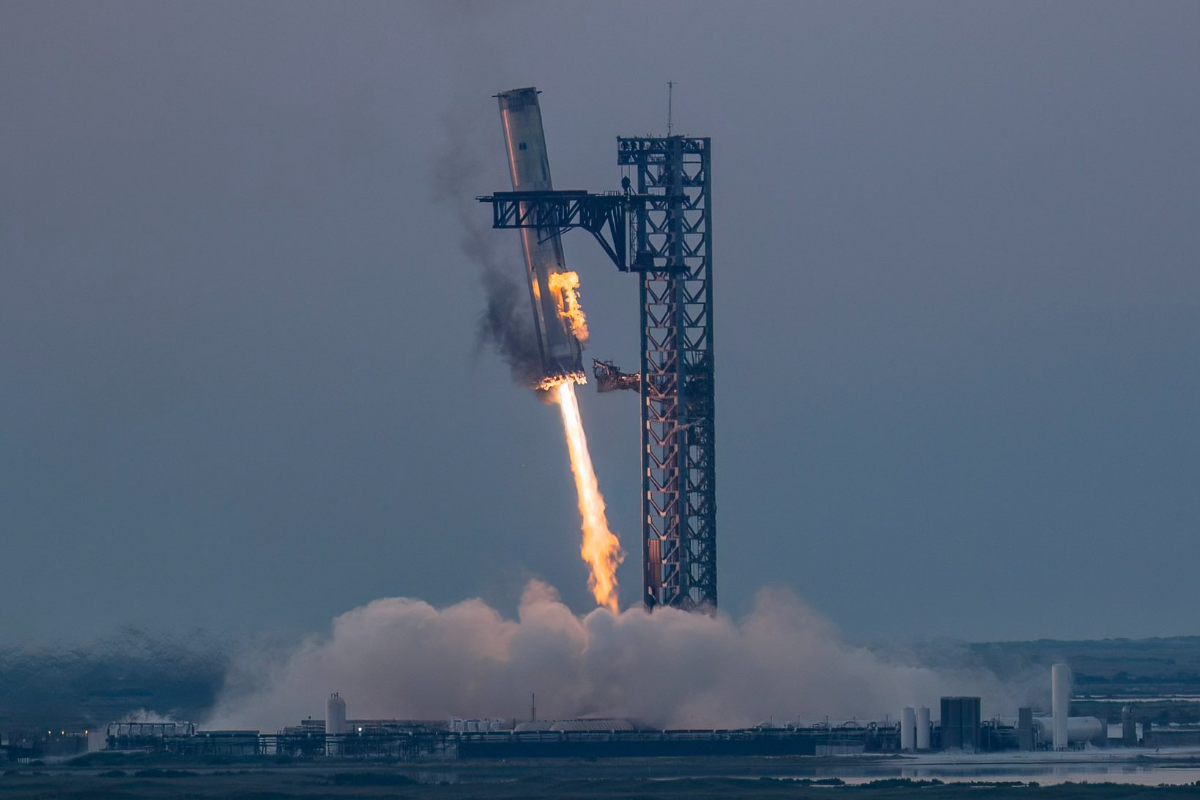
The event happened on the evening of January 16, shortly after Musk-owned SpaceX launched the Starship rocket from Texas, the United States. Before the launch, the Federal Aviation Administration ( FAA
) issued a notice to air missions (NOTAM) warning of potential rocket debris in certain areas.
On January 16, the US-based regulator followed up with several other NOTAMs in specific flight information regions (FIR), warning operators about dangerous areas for falling debris from the Starship rocket that was conducting its seventh test flight.
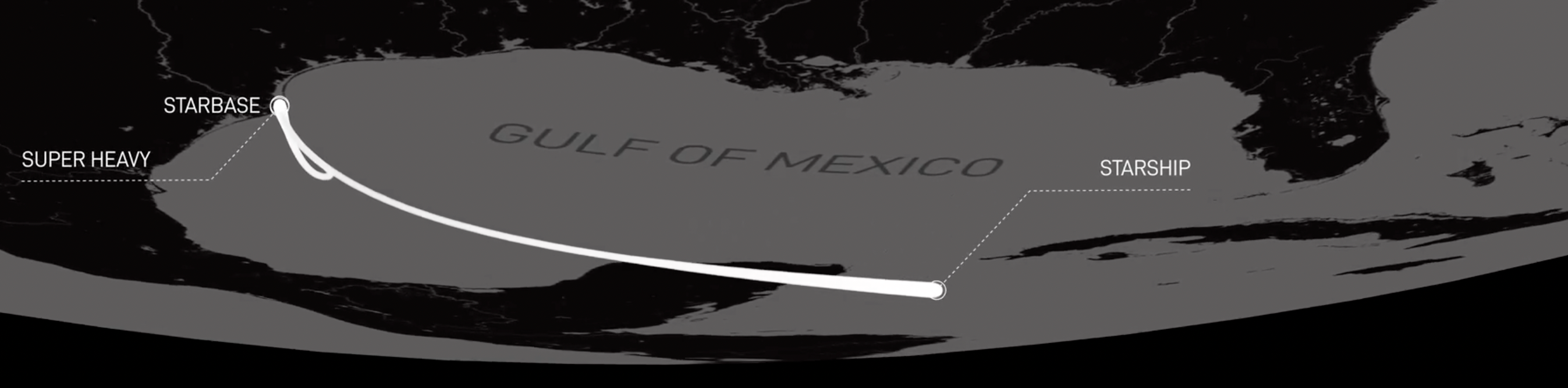
Photo: SpaceX
In addition, the FAA confirmed that it had briefly slowed and diverted aircraft around the area where space vehicle debris was falling, noting that normal operations have now resumed.
“A Debris Response Area is activated only if the space vehicle experiences an anomaly with debris falling outside of the identified closed aircraft hazard areas. It allows the FAA to direct aircraft to exit the area and prevent others from entering.”
Several videos published on multiple social media networks showed the aftermath of the rocket’s failure, with debris streaking across the sky and falling into the ocean.
Related
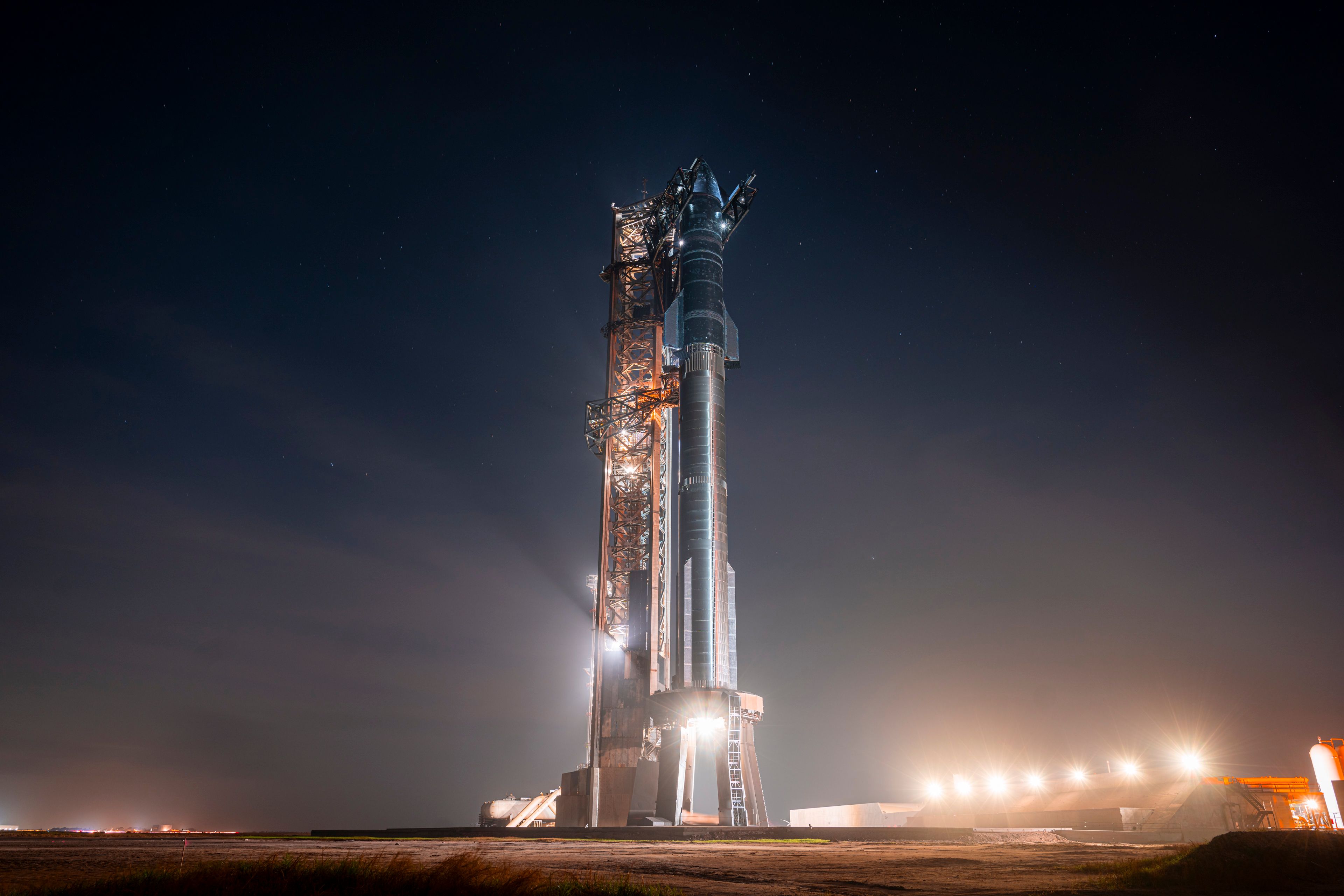
SpaceX Launches Super Heavy-Starship On 6th Test Flight With Trump In Attendance
While the booster wasn’t caught at its launchpad, both the Super Heavy and Starship successfully splashed down.
Multiple diversions
Flightradar24 records showed that around the time when the rocket failed, or as SpaceX dubbed it, experienced “rapid unscheduled disassembly,” multiple flights had entered into holding patterns or had to divert to alternative airports, presumably due to fuel concerns.
For example, an  American Airlines
flight from Charlotte Douglas International Airport
(CLT) to San Juan Luis Munoz Marin International Airport (SJU) turned around while flying toward its destination and diverted to Orlando International Airport
(MCO). It eventually landed at Suan Juan after a 2-hour and 16-minute journey to Puerto Rico.
A JetBlue
Airbus A320ceo, registered as N537JT, operating the B62137 itinerary between New York John F. Kennedy International Airport
(JFK) and Santiago de los Caballeros Cibao International Airport (STI), was forced to divert to Nassau Lynden Pindling International Airport (NAS).
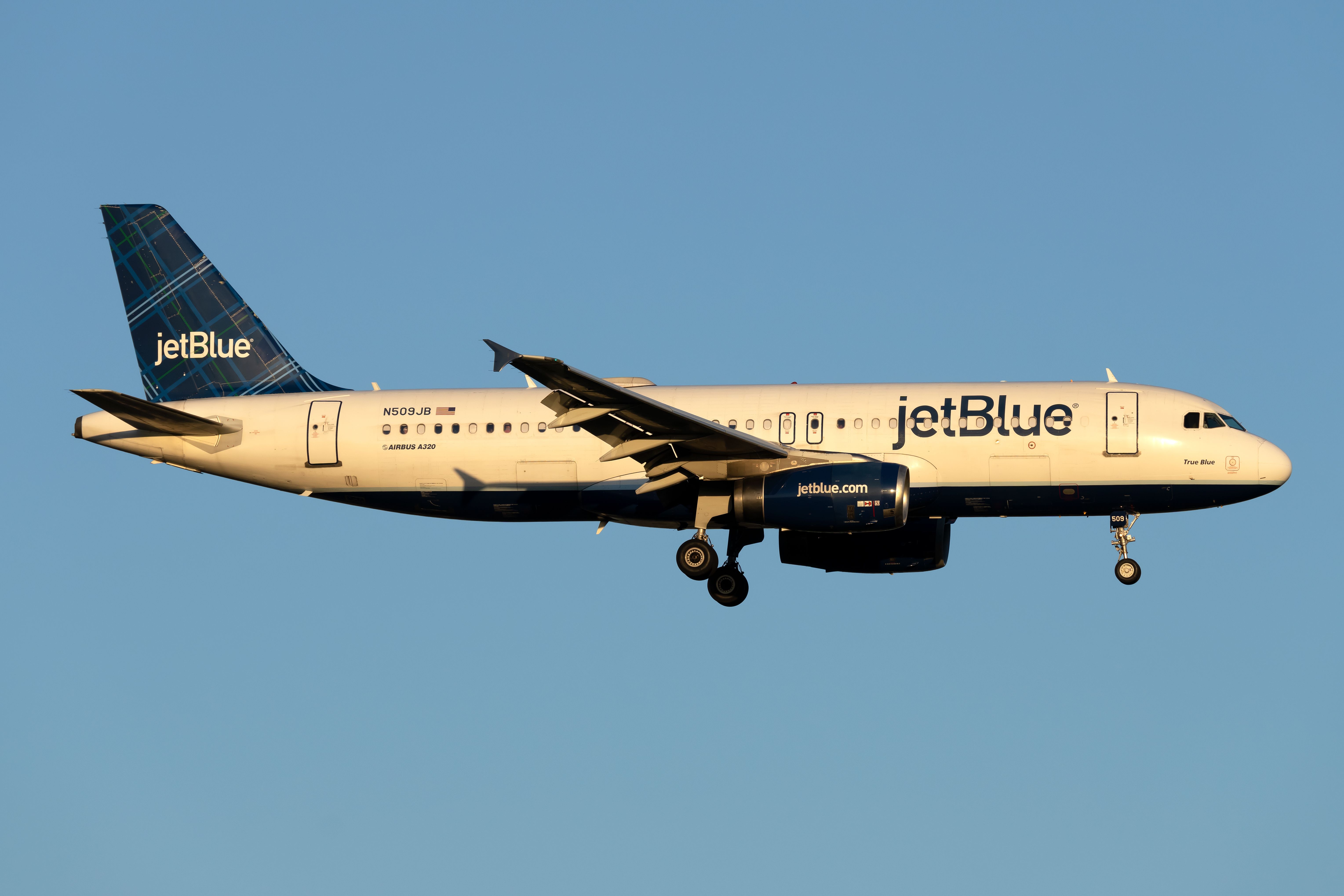
Photo: Vincenzo Pace | Simple Flying
Following a brief stop at the Bahaman airport, the A320 later departed toward Santiago de Los Caballeros and, subsequently, left the Dominican Republic to fly to Newark Liberty International Airport
(EWR).
A  Delta Air Lines
flight from Vieux Fort Hewanorra International Airport (UVF) to Hartsfield-Jackson Atlanta International Airport
(ATL) entered a holding pattern just off the north coast of the Dominican Republic. However, instead of going directly to Atlanta, it briefly stopped at Miami International Airport
(MIA) before reaching its destination.
Other flights had to move away from the debris area.  United Airlines
flight UA701, operated with a Boeing 767-300ER
, registered as N643UA, was flying from Houston George Bush Intercontinental Airport (IAH) to San Juan when it had to avoid a specific area just to the northeast of Turks and Caicos Islands.
Another 767-300ER, registered as N656UA, and operating the same flight on January 15, took a more direct route between Houston and San Juan.
Related
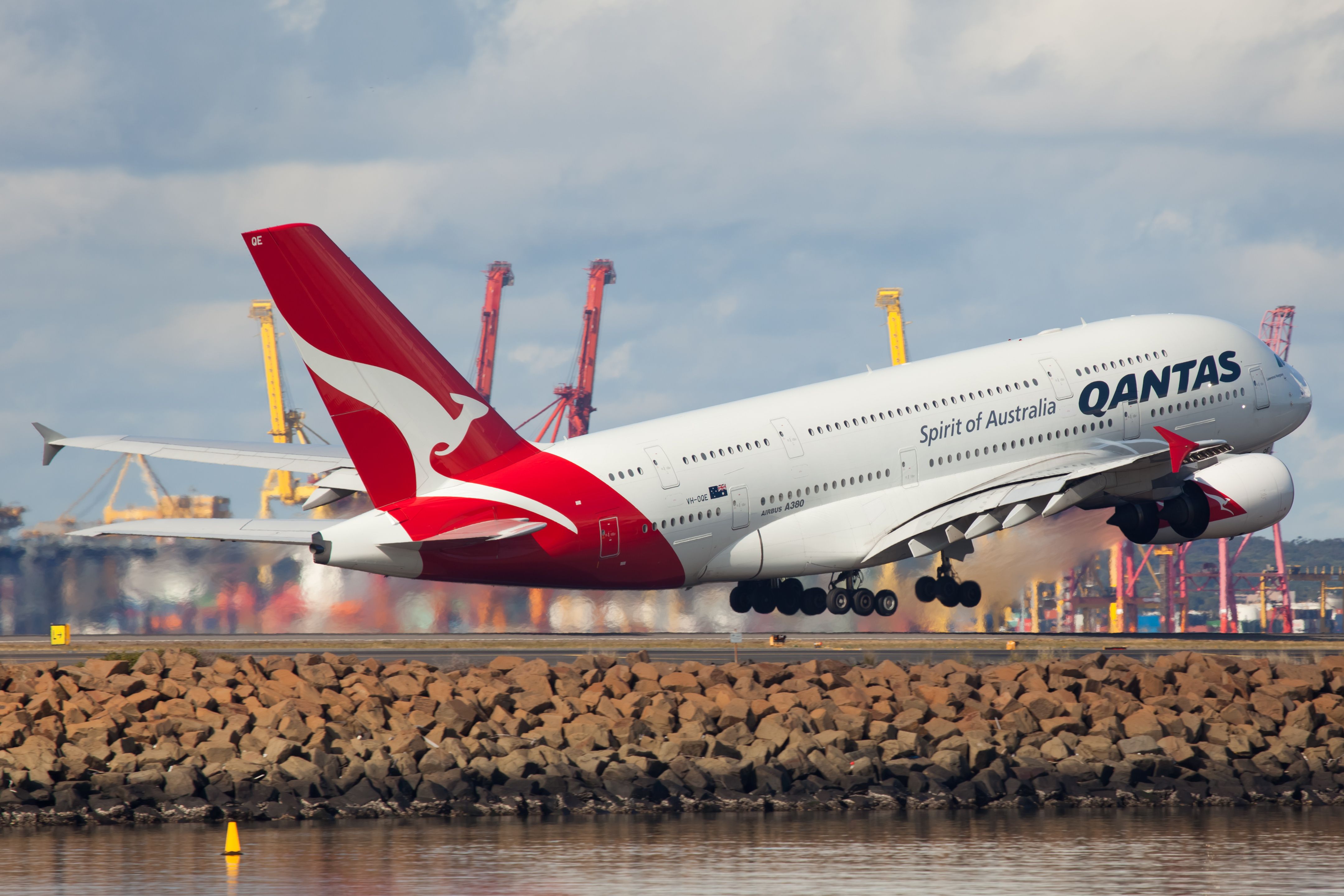
Qantas Airbus A380 Flight To Johannesburg Delayed By Falling SpaceX Rocket Debris
Qantas said that generally speaking, customers understand the nature of the delays on the flight to Johannesburg.
Mid-air disassembly
In a statement shortly after the failure, SpaceX said that the test flight departed with ambitious goals, namely to repeat its previous success of launching and catching the world’s most powerful launch vehicle while putting a redesigned Starship through a rigorous set of flight demonstrations.
“Following stage separation, the Starship upper stage successfully lit all six Raptor engines and performed its ascent burn to space. Prior to the burn’s completion, telemetry was lost with the vehicle after approximately eight and a half minutes of flight. “
Initial data showed that a fire developed in the aft section of the rocket, resulting in the “rapid unscheduled disassembly.” SpaceX reiterated that the rocket operated within its designated rocket corridor and that any surviving pieces of debris would have fallen into the designated hazard area.
Related
SpaceX Catches Starship Booster In Historic Flight Test
In a world first, the Starship’s 250-ton booster was caught as it returned to its platform.
