


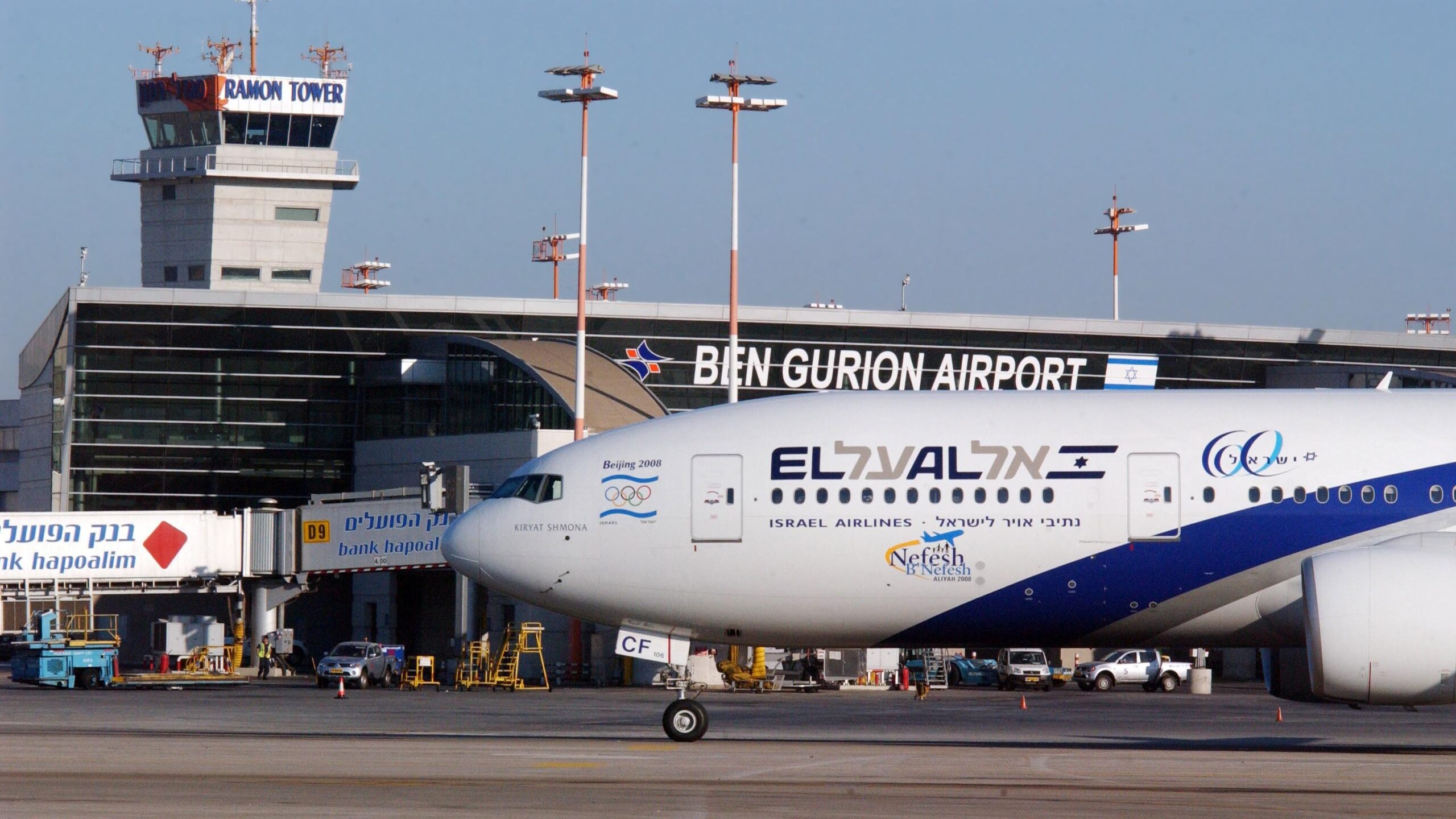
The European Union Aviation Safety Agency ( EASA
) has chosen not to extend the Conflict Zone Information Bulletins (CZIB) for Israel and Iran, citing ceasefire agreements and reduction of tensions in the region.
Expired bulletins
On January 31, EASA announced that the CZIBs for Israel and Iran were not renewed. Instead, the European regulator published dedicated Information Notes (IN) that highlight the remaining risks in the affected airspaces.
However, EASA warned that it has extended the CZIB for Lebanon until March 31, 2025, with the bulletin applying to all EASA-based and third-country operators (TCO), warning that the country has not “demonstrated full capability to address existing airspace risks by implementing an efficient and proactive approach to the airspace deconfliction.”
Photo: HMBSoFL Photography | Shutterstock
For Israel, Iran, and the neighboring airspace, which is within a 100 nautical mile (185.2 kilometers) radius, airlines are advised to exercise caution and follow all available and latest aeronautical publications. EASA also extended the existing IN for the Southern Red Sea.
“The advisory for Iran recommends also to consider daylight operations only. The Information Notes are distributed to relevant parties on a need-to-know basis to provide more operational background and recommendations.”
Other active CZIBs include but are not exclusive to warnings about operating in the airspaces of Afghanistan, Iraq, Russia, Ukraine, and several countries in Africa.
Related
European Union Issues Another Warning Over Russian Airspace Flights
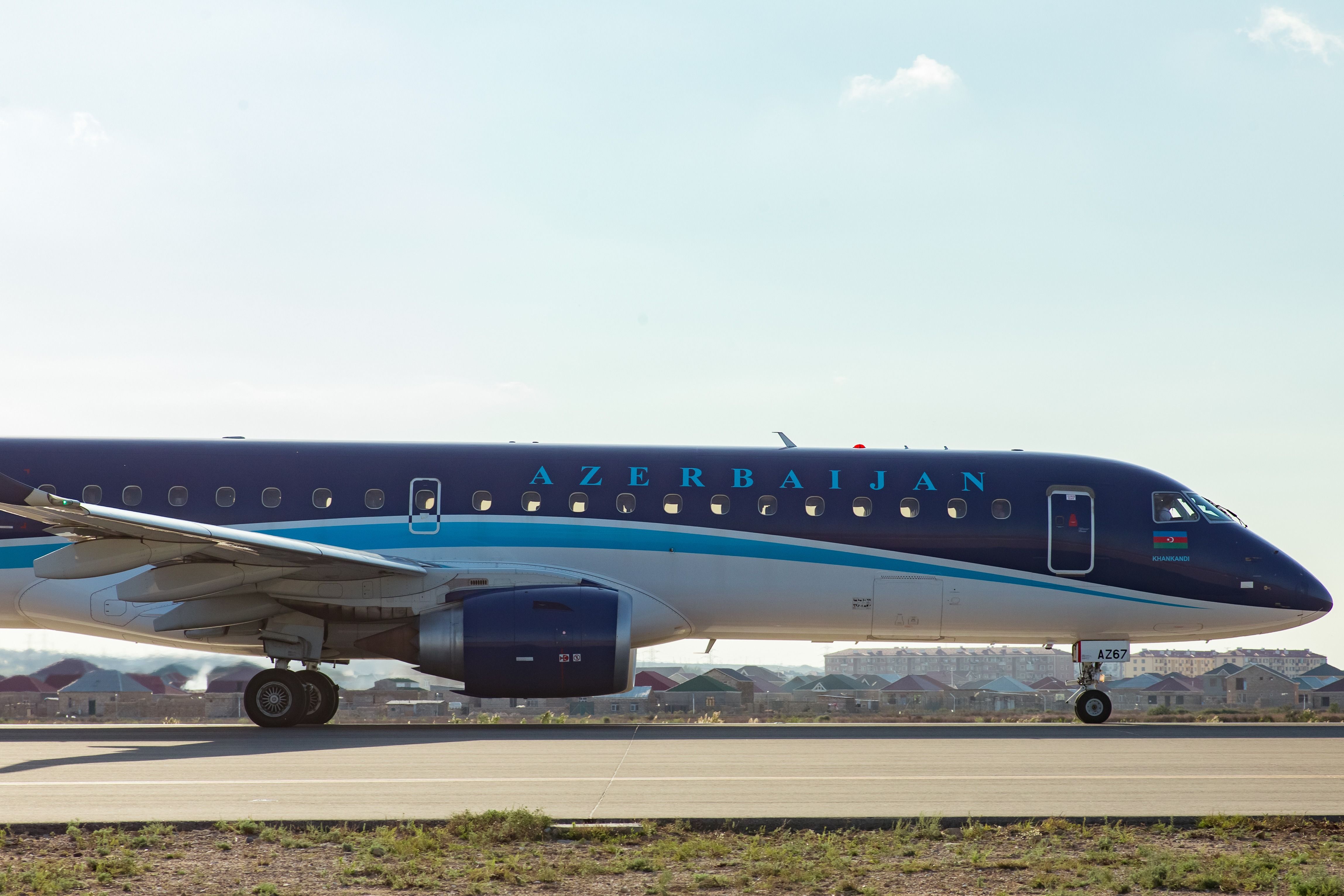
The latest conflict zone warnings came after the shooting down of an Azerbaijan Airlines Embraer E190 in December 2024.
Airlines returning to Israel
Several airlines, including Delta Air Lines, have already announced their intentions to return to Israel. Other major US carriers, American Airlines and United Airlines, have not changed their plans for flights to the country. The latter’s spokesperson told Simple Flying on January 24 that its flights to Tel Aviv, Israel, remain suspended at this time.
Data from the aviation analytics company Cirium’s Diio Mi airline planning system showed that in February, flights at Tel Aviv Ben Gurion International Airport
(TLV) will increase by 613 year-on-year (YoY), which includes local and international airlines growing their schedules.
For example, EL AL
, the de facto flag carrier of Israel, would add 95 weekly round-trip itineraries during the month YoY, leading the pack. The second is Arkia
, another Israeli airline, which should add up to an additional 75 weekly round-trip itineraries.
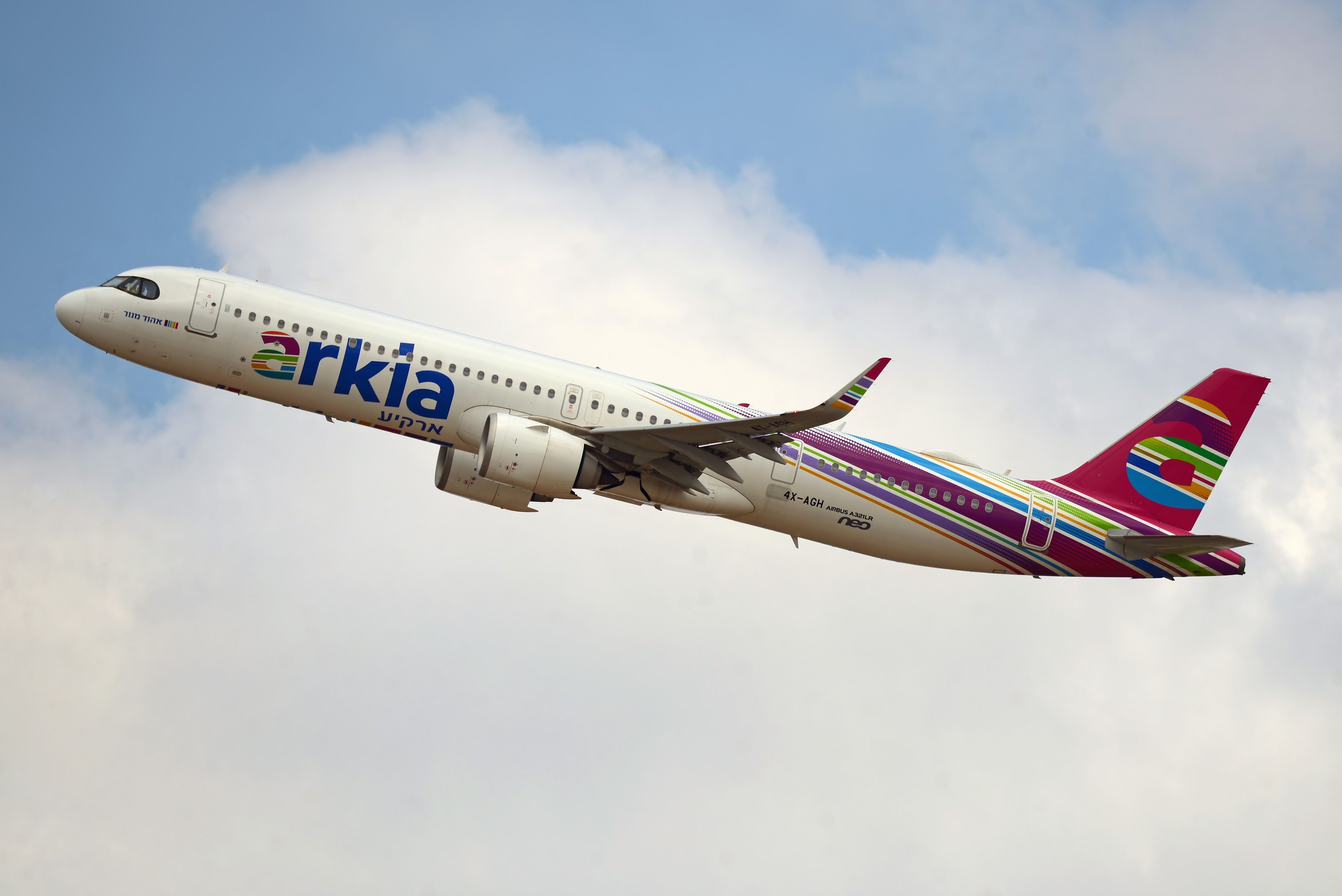
Photo: Felix Tchvertkin | Shutterstock
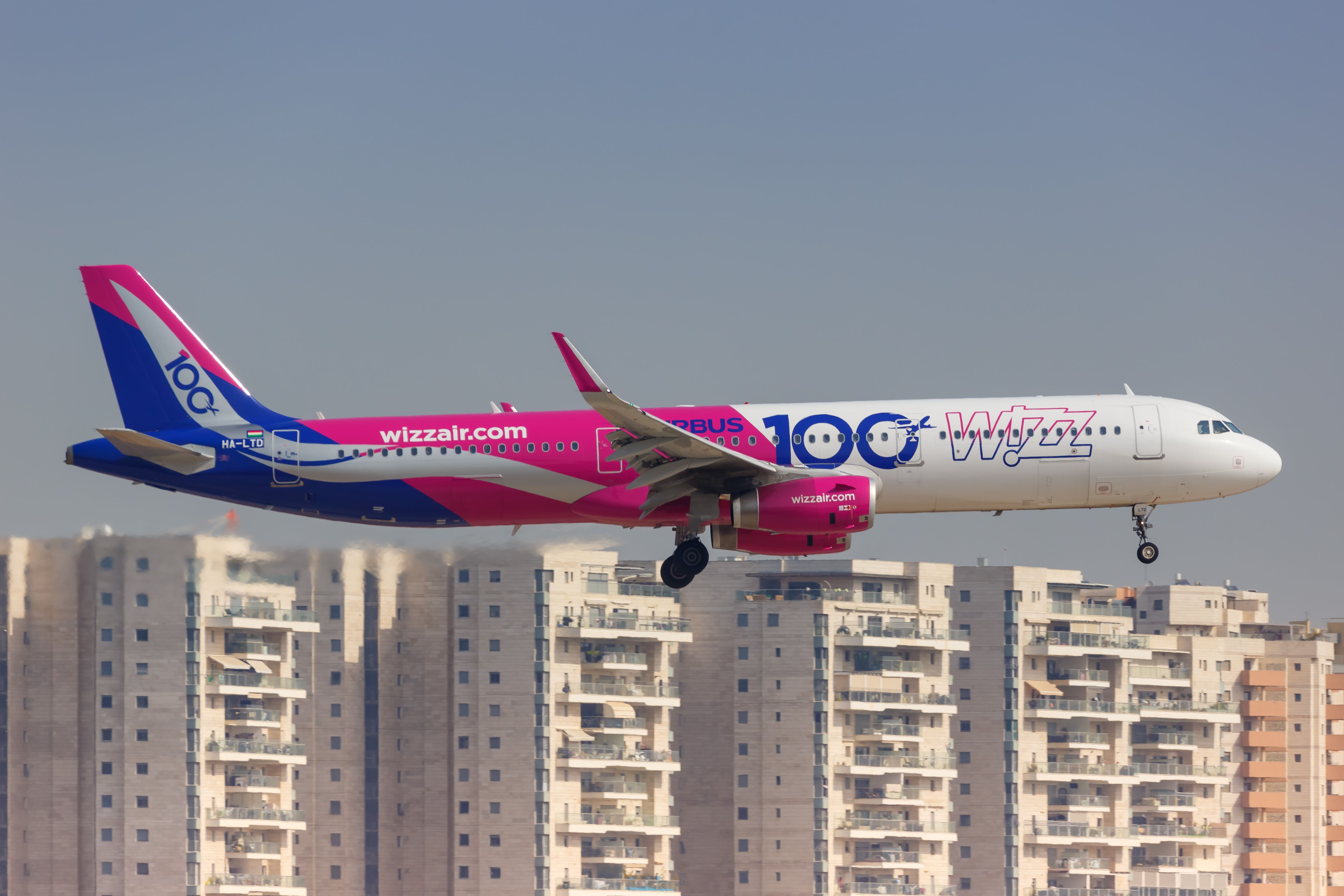
Wizz Air
, which operates flights to Tel Aviv with four different air operator’s certificates (AOC) that are based in Abu Dhabi, the United Arab Emirates (UAE), Hungary, Malta, and the United Kingdom (UK), should add up to 76 weekly round-trip itineraries YoY.
The Hungary-based low-cost carrier has already begun flying a significant schedule to/from Israel on January 15 and January 16, connecting Tel Aviv with 13 destinations, some of which it had previously operated.
Related
Airlines Resume Service To Tel Aviv Airport As Israel Reaches Ceasefire
In the past 24 hours, Wizz Air alone has resumed flights to 13 destinations from Tel Aviv, Israel.
Turkish carriers improving Iran’s connectivity
However, the only European airlines increasing their flight schedules from Europe to Iran in February are AJet, the Turkish Airlines low-cost subsidiary, and Pegasus Airlines
, according to Cirium’s Diio Mi data.
AJet should add 28 weekly round-trip itineraries YoY – or, in simpler terms, a double-daily flight – between Tehran Imam Khomeini International Airport (IKA) and Istanbul Sabiha Gökçen International Airport (SAW).
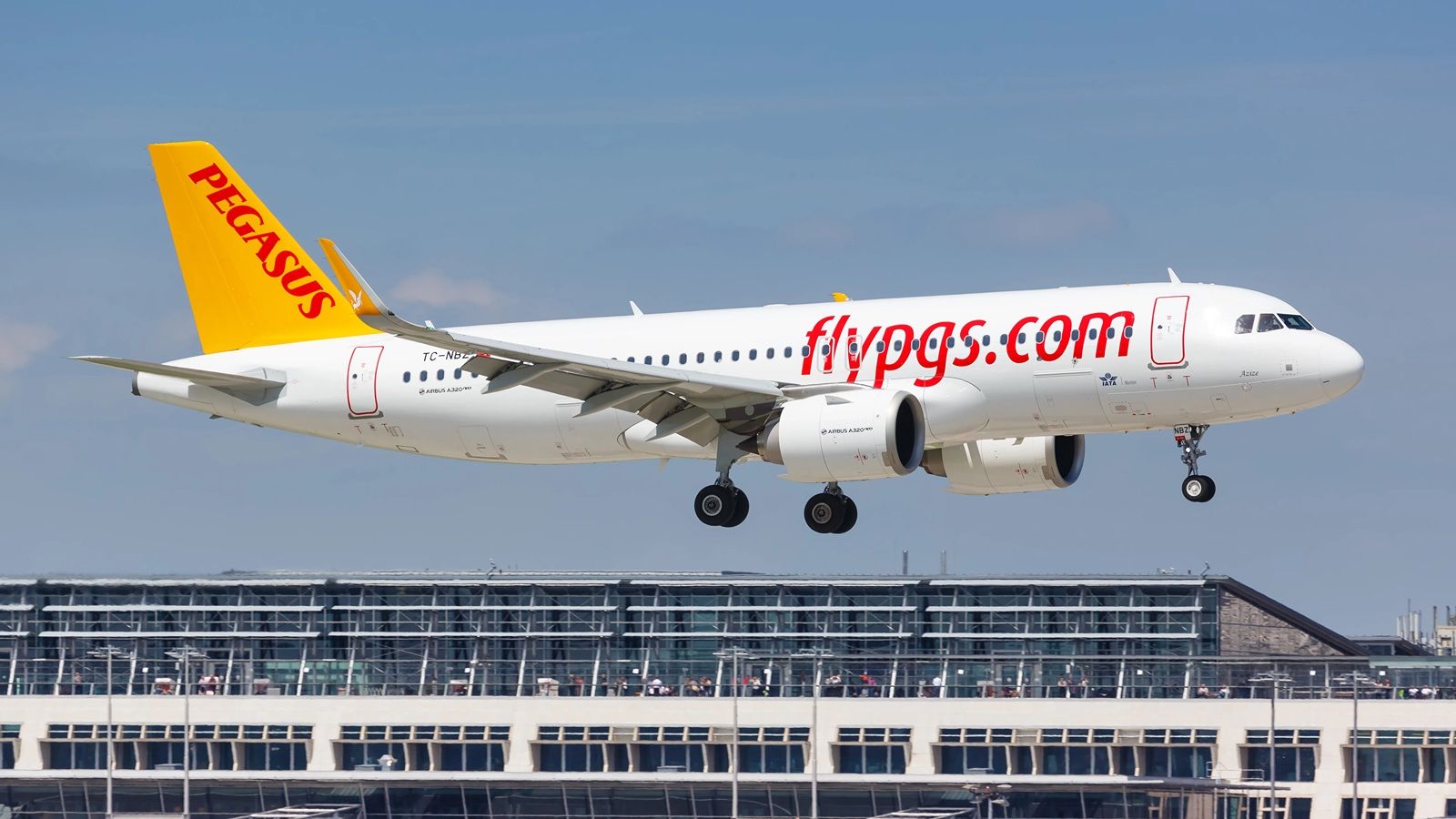
Photo: Markus Mainka | Shutterstock
Meanwhile, Pegasus Airlines would increase its schedule by 36 weekly round-trip flights. The airline has an extensive network across Iran, including Tehran, Tabriz International Airport (TBZ), Shiraz Shahid Dastgheib International Airport (SYZ), Isfahan International Airport (IFN), and Mashhad Hashemi Nejad International Airport (MHD) served from both Istanbul-Sabiha Gökçen and Ankara Esenboga Airport (ESB).
Related
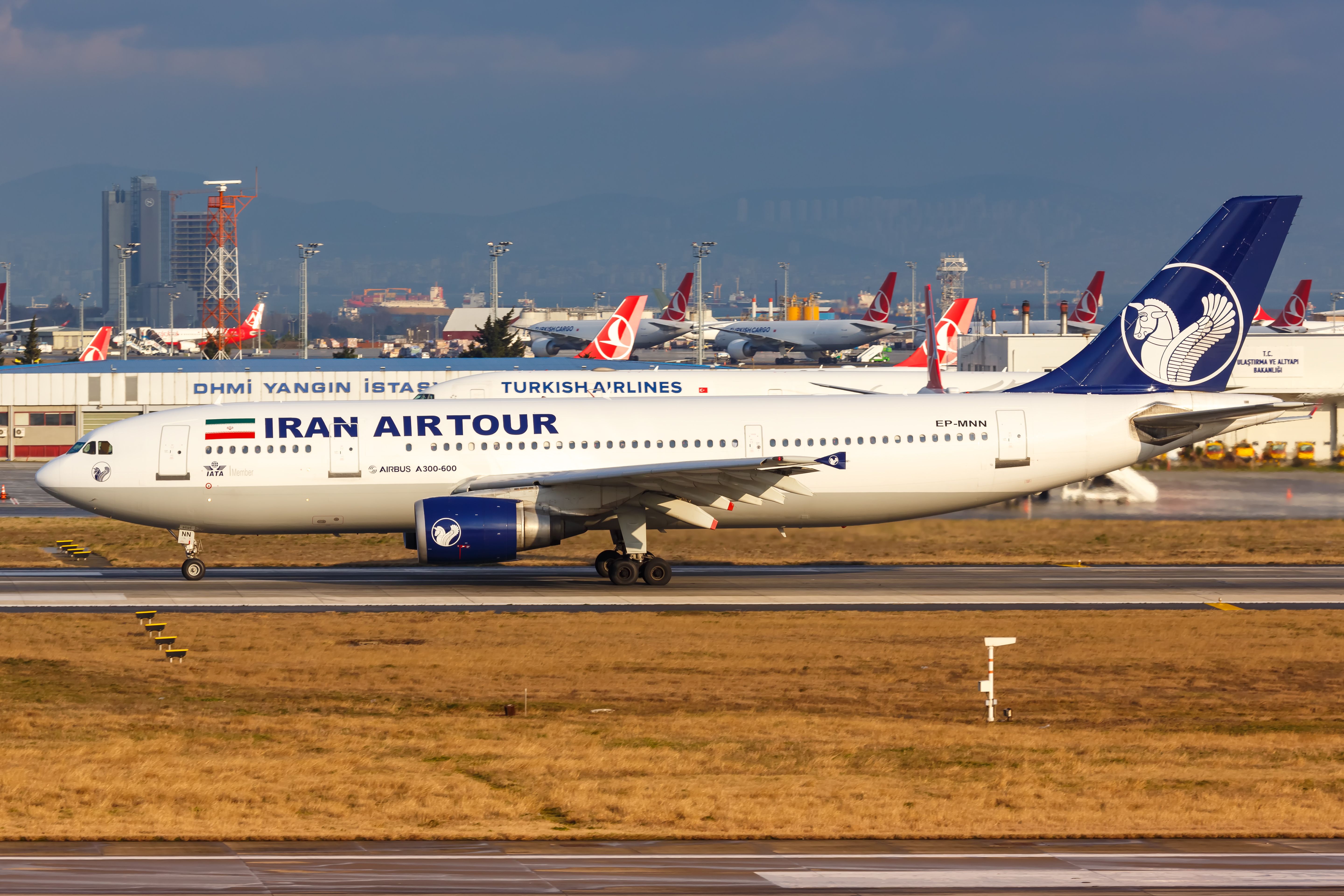
Evading Sanctions: Iranian Airlines To Begin Europe Flights After Flag Carrier Banned By The EU
Iran Airtour Airlines has obtained a Third Country Operator authorization from the European Union and is launching flights to Paris.
