


Congress has called for the Transportation Safety Administration ( TSA
), which has several leadership roles still vacant following the inauguration of Donald Trump, to address security gaps concerning public charter flight operations in the US.
Same safety standards
In a statement, Nick Langworthy, the Republican Congressman from New York, said that he, as well as fellow Republicans Jack Bergman and Marc Veasey and 52 other Members of Congress, called on the TSA to follow through with its intentions to address “security disparities for certain “public charter flight” (Part 135 operators) operations […].”
The goal was to ensure that Federal Aviation Regulation (FAR) Part 135 operators, better known as public charter airlines, would be held to the same safety standards as any other scheduled commercial carrier.
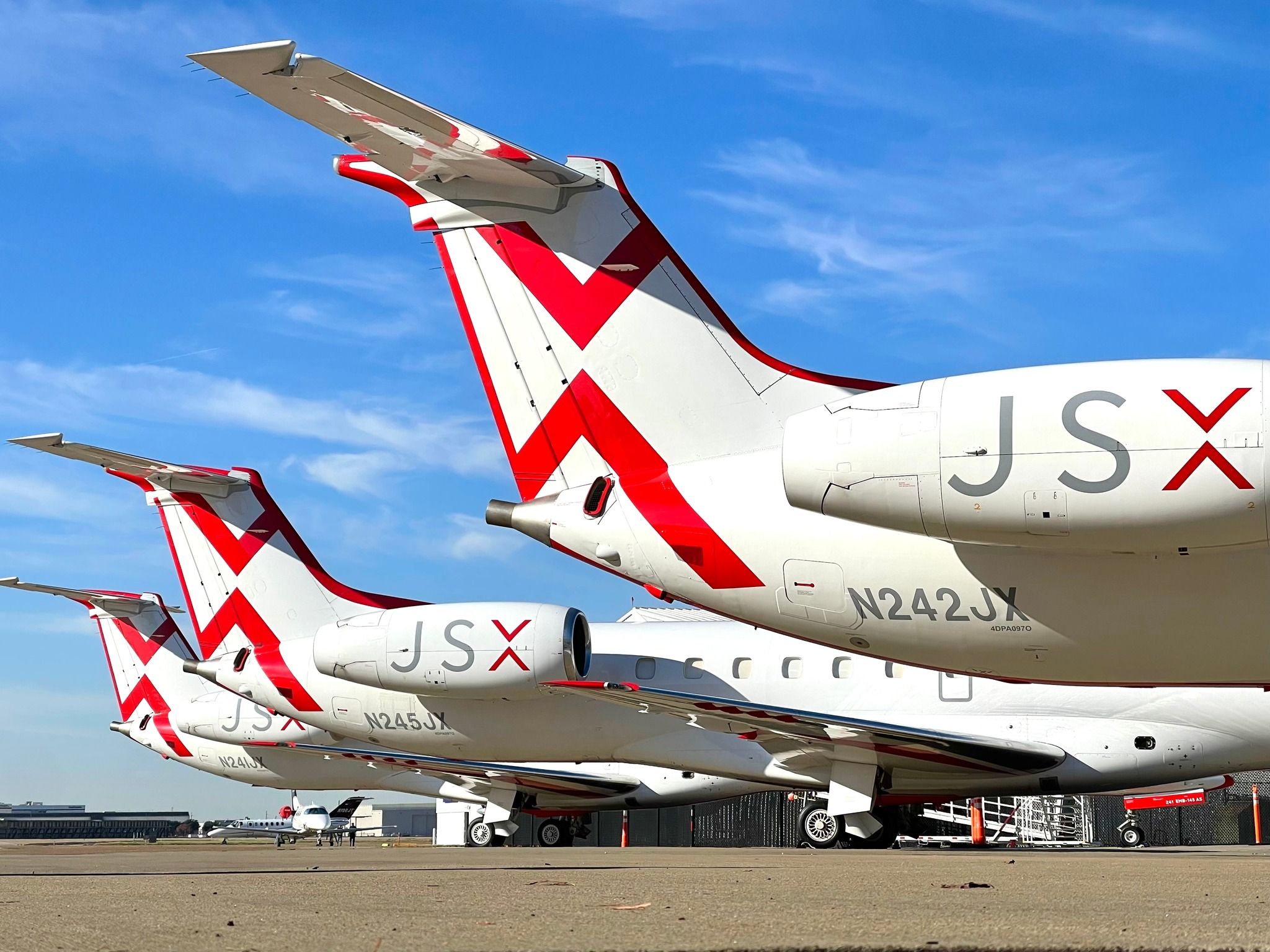
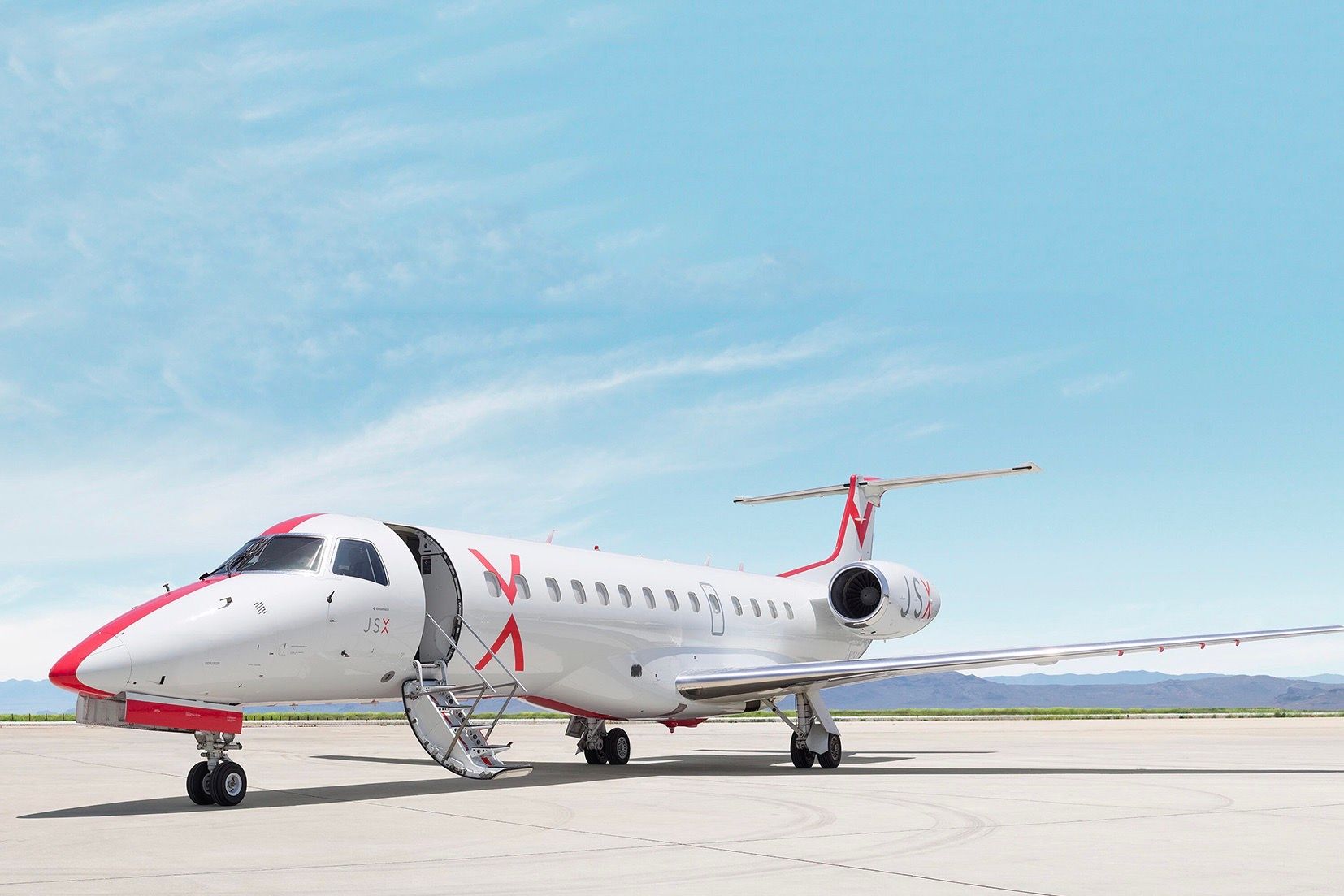
Photo: JSX
On January 22, the National Business Aviation Association (NBAA) said that it would carefully analyze TSA’s changes to public charter security, falling under the Twelve-Five Standard Security Program (TFSSP) for both FAR Part 135 and Code of Federal Regulations (CFR) Part 380 operators.
Doug Carr, the senior vice president of safety, security, sustainability, and international operations of the NBAA, clarified that because of the classified nature of the TFSSP, the association was unable to comment on the details of its internal review.
Still, the association looked forward to ensuring that the new program’s requirements remain workable for the diverse operational profile within the sector and that operators have a clear understanding of the new mandates, Carr concluded.
Related
TSA Makes Changes That Affect Part 380 Public Charter Operators
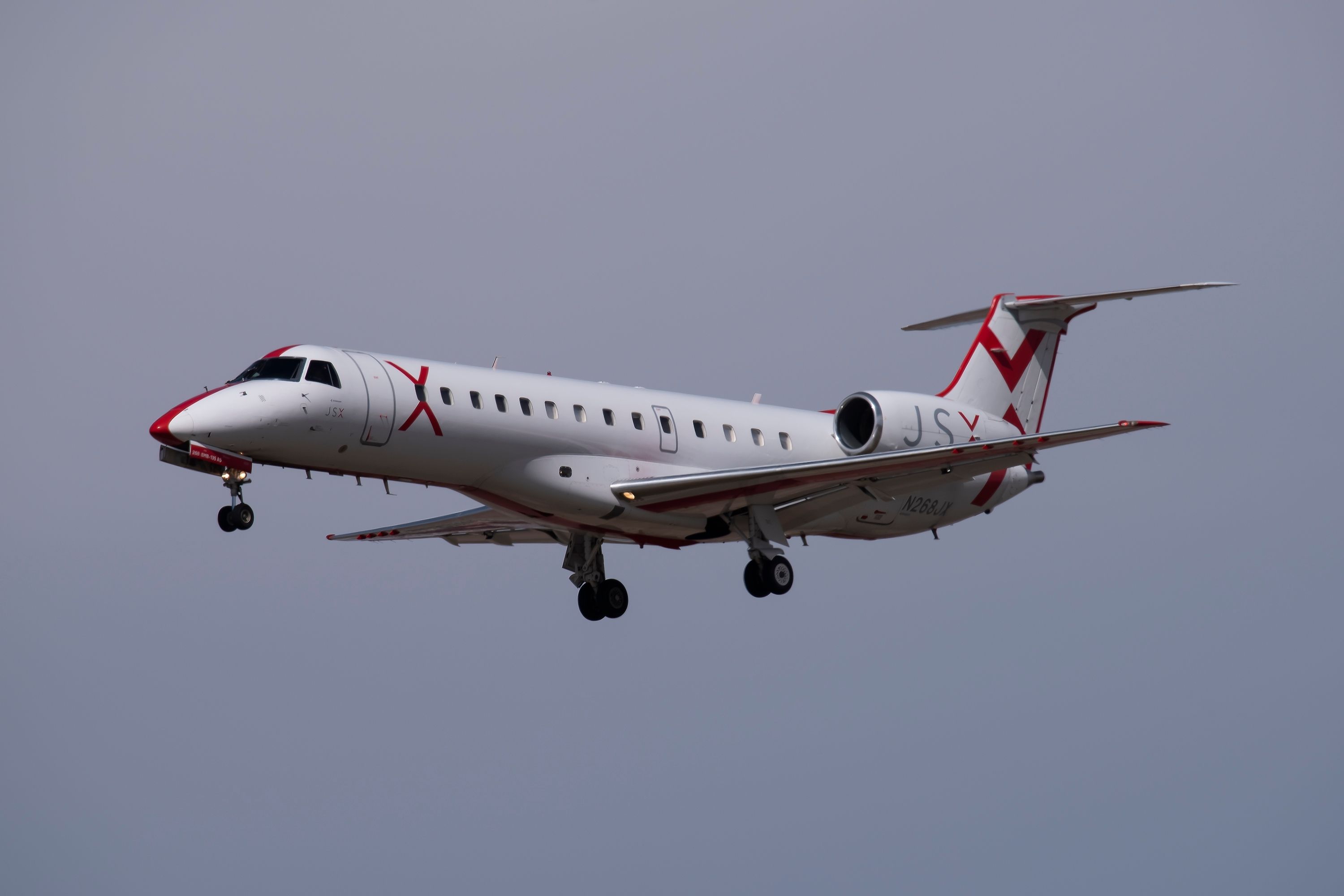
These public charter operators include companies like JSX or XO, among others.
Addressing the DHS
Langworthy and other Members of Congress addressed the letter to Kristi Noem, the newly confirmed Secretary of the Department of Homeland Security (DHS), who was nominated by Trump in November 2024.
Currently, several top executive positions within the TSA, including but not exclusive to the Administrator, Deputy Administrator, and Chief of Staff, remain vacant following Trump’s inauguration. Despite being Trump’s pick during his first administration, the US President ousted David Pekoske, the now-former Administrator of the TSA, on January 20.
“This letter is a follow-up to one sent to TSA Administrator David P. Pekoske last February calling for an investigation into security disparities exploited by certain Part 135 operators that are using a loophole to circumvent the TSA’s protocols for commercial air travel. Following that letter, the TSA announced it would enhance some security but stopped short of requiring them to meet the full measures required for scheduled commercial air travel.”
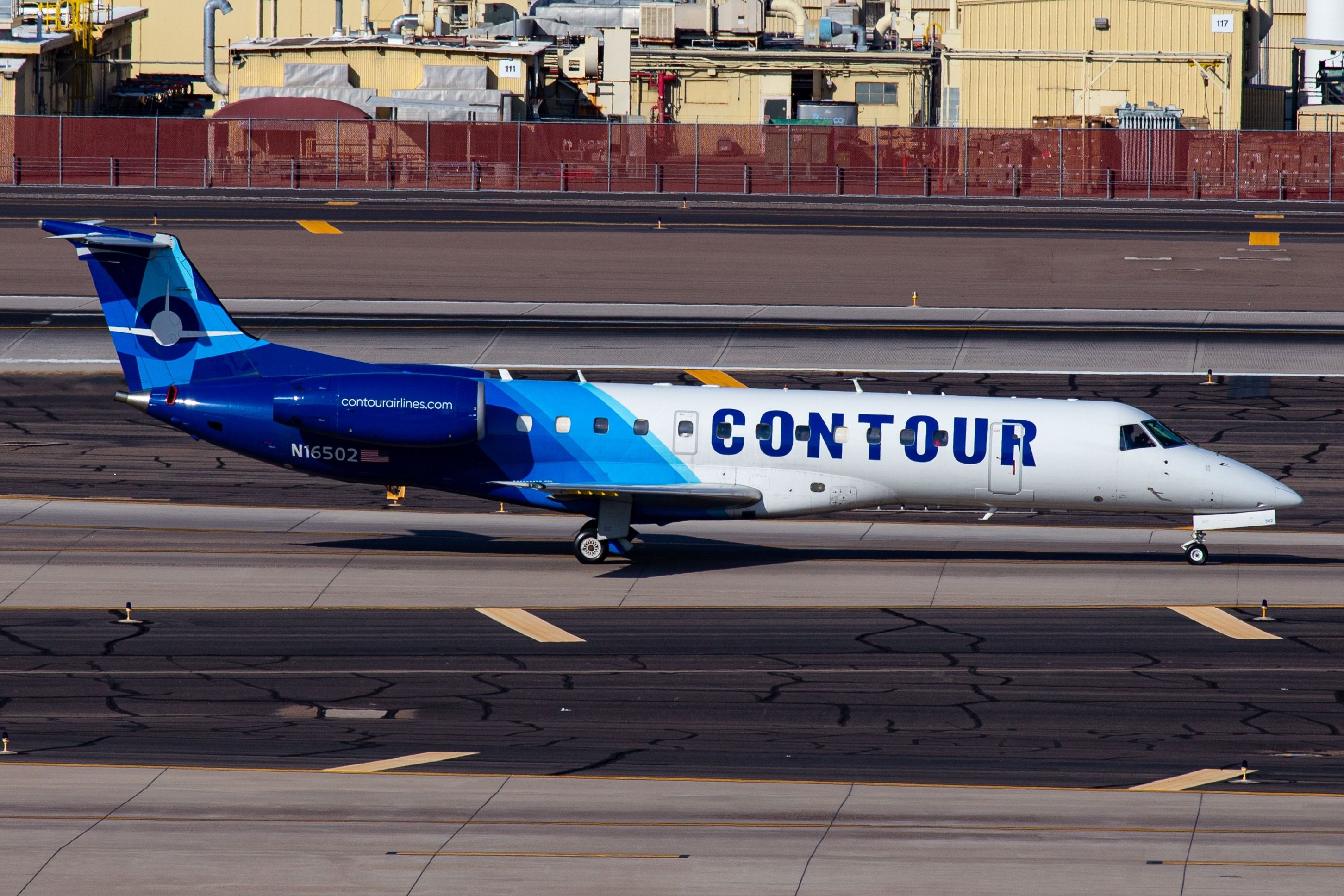
Photo: Wenjie Zheng | Shutterstock
The letter itself stated that the TSA must immediately address security vulnerabilities. The administration had already noted that scheduled public charter operators have fixed routes and sell boarding passes to individuals.
“The TSA has a no-fail mission to protect the flying public, and we cannot allow a regulatory loophole to jeopardize that. As air travel evolves, our security framework must keep pace.”

Related
Examined: The Regulations & Safety Standards For Private Jets In The USA
Regulations for a private aircraft in simple terms.
In regulators’ crosshairs
TSA is not the only governmental agency that has set its sights on the alleged regulatory loopholes that have been exploited by Part 135/Part 380 operators. In June 2024, the Federal Aviation Administration ( FAA
) announced two actions to address public charter flights.
According to the regulator, they have rapidly expanded in frequency and complexity – a sentiment also expressed by Langworthy in his letter to Noem – and some services operate like scheduled airlines but under less rigorous safety regulations.
“First, as previously announced in a request for comments, the FAA intends to initiate a rulemaking to amend part 110 definitions of “scheduled,” “on demand,” and “supplemental” operations. If finalized, the effect of this proposed rule change would be that public charters will be subject to operating rules based on the same safety parameters as other non-public charter operations.”
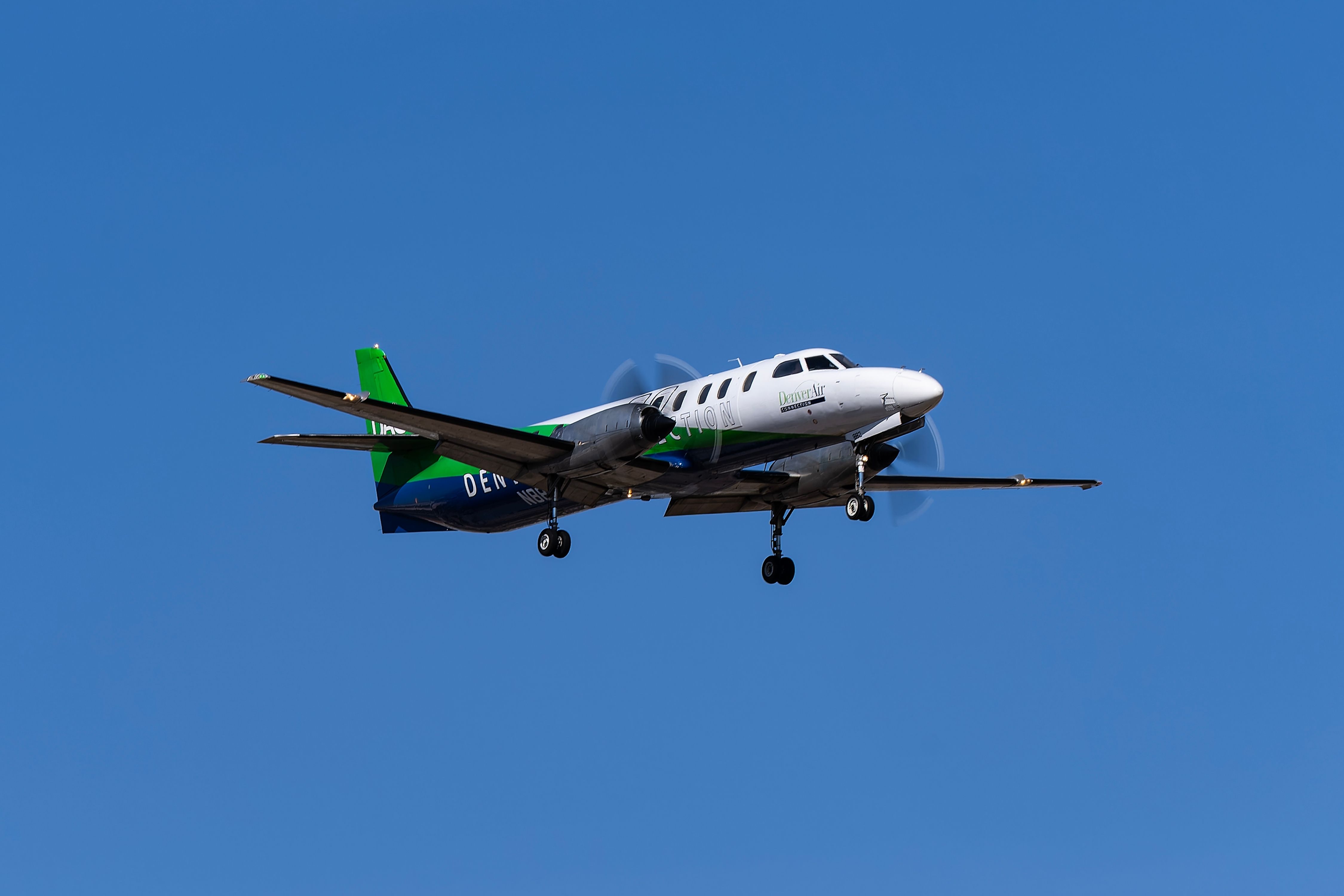
Photo: Robin Guess | Shutterstock
Secondly, the FAA would explore opportunities to align aircraft size and certification standards with the operational needs of small, regional communities. The regulator added that it will convene a Safety Risk Management Panel (SRMP) to assess the feasibility of a new operating authority for scheduled part 135 operations in sub-35-seat aircraft.
At the time, the FAA said its changes were made in coordination with the TSA, with the latter focusing on the security of transportation systems and was already reviewing the TFSSP system. This included a proposal to screen passengers and their accessible property on public charter flights.
Related
FAA Announces Plans To Amend Safety Regulations For Public Charter Flight Operators
The FAA has two points of action planned.
