


Support CleanTechnica’s work through a Substack subscription or on Stripe.
Or support our Kickstarter campaign!
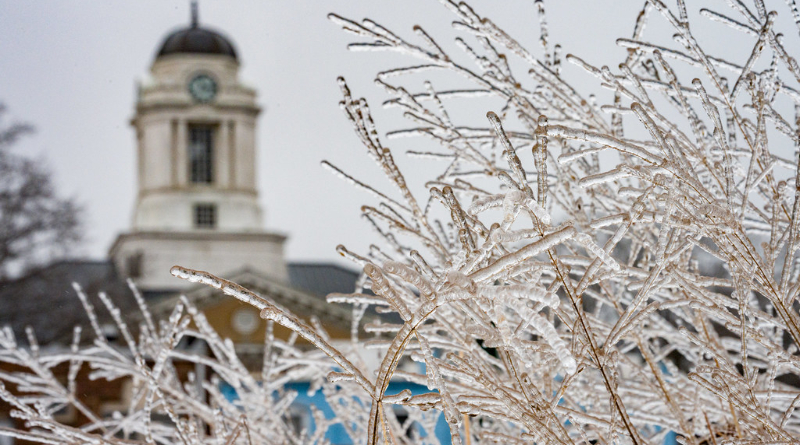
Weather is big news these days, and winter storms make for great clickbait. (Okay, I’ll admit that I’m a bit culpable here.) The US Eastern seaboard is in the midst of a rolling series of winter storms — wind, ice, sleet, and snow have caused upheavals in communities. Sure, the northern ski slopes have queues of skiers and snowboarders waiting for lifts. But many cities and towns are experiencing slick and dangerous road conditions, and they have never before needed cold weather equipment to provide safe travel for motorists.
And then there are the power outages. All too often, placing blame on renewable energy sources for power outages is distracting everyday citizens from the real culprits: fossil fuel companies are complicit in the degradation of our climate which is causing extreme weather to be more common and more deadly. Global warming is hurting the planet — each and everyday.
A Petite Primer On Global Warming & Cold Weather
It seems that a quick reminder about global warming is appropriate.
If the atmosphere is warmer than in previous years, it can also hold more moisture. When there’s more moisture in the atmosphere, heavier precipitation is likely.
But, you ask, if the weather is cold, does that mean that climate activists are lying about global warming? President Trump seems to think so. He insists that the recent cold weather across much of the US contradicts the facts of a warming planet.
What is missing from his train of thought is that, even though the world is warming, cold periods will continue. Moreover, weather is different from the climate.
Climate is a pattern of weather occurrences. Climate change spurs extreme weather events because it changes atmospheric conditions.
Those atmospheric conditions relate closely with the Arctic’s warming, which is coming in at 4x faster than the rest of the planet. That significant warming is altering and weakening the jet stream. That means, as Sachi Kitajima Mulkey writes in the New York Times, the Arctic plays a large role in global weather patterns.
The Impacts Of Severe Weather On The Grid
So, where do the accusations about renewable energy sources come into play in extreme weather events?
Severe weather can be a challenge for many energy sources, including renewables. Data from the communities hit hard by recent periods of deep freeze indicate that, at times, wind turbines and solar panels produce less power than expected. That means some regional grid operators have had to rely on fossil fuels and nuclear power to meet unusually high demands for home heating.
A well-publicized complaint about renewables came from Texas Governor Greg Abbott in 2021 following winter storms that shut down more than 70% of the state’s electrical grid. Yet subsequent peer-reviewed research has concluded that the blackout was actually caused by freezing natural-gas pipelines and wellheads. Some coal and gas plants were reported to be offline during the recent winter storm.
The scenario of renewable depletion during extreme weather events happens, but it’s much less frequent than media stories indicate. Indeed, at times renewable energy has proven to be more reliable than fossil fuels during extreme weather events. A 2024 study of hundreds of cities and thousands of blackouts found that places with more renewables integrated into their grid were less vulnerable to blackouts.
Why Are We Using So Much More Electricity Than Ever Before?
Since electricity became commonplace across western countries, it’s been falling trees or ice during storms that have caused small blackouts. But the threat of power insufficiency has changed rapidly over the last few years, and one simple phrase captures the answer to that question: data centers. Ireland has enacted new guidelines also require at least 80% of the electricity needed to operate a new data center must come from new renewable energy sources. Utilities also have new obligations under the new rules. They will be required to publish regular updates on their capacity to accommodate new connections and submit annual reports on their renewable-energy use and carbon emissions.
As CleanTechnica’s senior writer, Steve Hanley, explains, “Part of the concern about Big Data and AI is, no matter how environmentally conscious the companies tried to be in the past, now all bets are off as the race to dominate AI reaches a fever pitch. Add in the toxic attitude toward renewables emanating from the MAGA crowd, and the future of computing looks like it will be powered more and more by fossil fuels.”
Peak electricity demand during summers and winters is expected to increase more than 60% nationwide. Future severe heat waves that are exacerbated by global warming or unusual cold snaps will add additional, heavy strain on the grid. If you live in Texas, the upper Midwest, the mid-Atlantic region, or the Pacific Northwest, you should be the most concerned. Those areas have been identified as at the greatest risk of electricity shortfalls within the next five years.
Resulting decreasing grid reliability loss in the US and Canada is forecast to cause blackouts for tens of millions of people. Such blackouts become more dangerous during periods of intense heat or cold, as that’s when the grid becomes especially strained. When more areas in the US are exposed to insufficient supplies of power at peak demand, the likelihood of widespread problems increases.
In his all-or-none perspective on issues, President Trump dismisses the feasibility of wind and solar, saying they’ve diminished grid reliability due to their intermittency. Yet isn’t the Trump administration’s stubborn resistance to renewable energy installations actually reducing a fast-growing source of power?
Even the Texans’ rant against renewables can’t hide the fact that their state depends on batteries to fill the grid gaps during critical hours. Batteries work symbiotically with solar power, similarly storing the surplus generated during sunny days so it’s available to use after dark. Ubiquitous battery storage changes everything.
Over the next five years, solar power and batteries are projected to comprise most new electricity coming online, and even more coal and gas plants are expected to close.
Extreme weather impacts the electrical grid quickly and sometimes for days on end. Partially, that’s because a number of utilities find that their coal- and gas-burning plants have reached their end life, so it’s time to retire them. Without adequate generation to compensate for those plant losses, compounded by growing demand, problems arise.
A new report from the North American Electric Reliability Corp. warns that grid operators will need to take significant action to avoid extensive power outages in the future. One of the findings was that California’s former fear of blackouts is no more, as the state’s battery installations — each the size of a shipping container — has added resiliency to its electric grid. Now the state can store power from solar panels when it’s plentiful and save it for periods of high demand.
Did you know that solar and wind power help to lower hourly electricity prices where this clean energy infrastructure is located? As more renewable utility projects come online — plus batteries that store their excess energy — costs to heat, cool, and power homes will experience fewer price spikes and become even more affordable.
Other improvements can make a difference in grid reliability, too. These include speeding up permitting processes for building new power plants and transmission lines. State and federal governments can revise policies about data centers to require their energy self-sufficiency, especially from renewable energy sources.
The transition to a net zero grid will take time, of course. Planned resources need to be managed so they come online and in a timely fashion without impeding the grid’s efficiency.
Resources
“How does climate change affect winter storms?” Sachi Kitajima Mulkey. New York Times. January 26, 2026.
“Long term reliability assessment.” North American Electric Reliability Corp. January, 2026.
“Reed & Whitehouse Seek Answers About How New Regional Data Centers Could Drive Up Energy, Health, & Environmental Costs for Consumers. Sheldon Whitehouse, US Senator for Rhode Island. January 29, 2026.
“US grids are surviving the winter storm. But the next 5 years could be rough.” Brad Plumer. New York Times. January 31, 2026.
Support CleanTechnica via Kickstarter

Sign up for CleanTechnica’s Weekly Substack for Zach and Scott’s in-depth analyses and high level summaries, sign up for our daily newsletter, and follow us on Google News!
Have a tip for CleanTechnica? Want to advertise? Want to suggest a guest for our CleanTech Talk podcast? Contact us here.
Sign up for our daily newsletter for 15 new cleantech stories a day. Or sign up for our weekly one on top stories of the week if daily is too frequent.
CleanTechnica uses affiliate links. See our policy here.
CleanTechnica’s Comment Policy
