


One of the great comeback stories in dance – with one of the longest histories – can be found right here in the Bay Area, in San Jose.
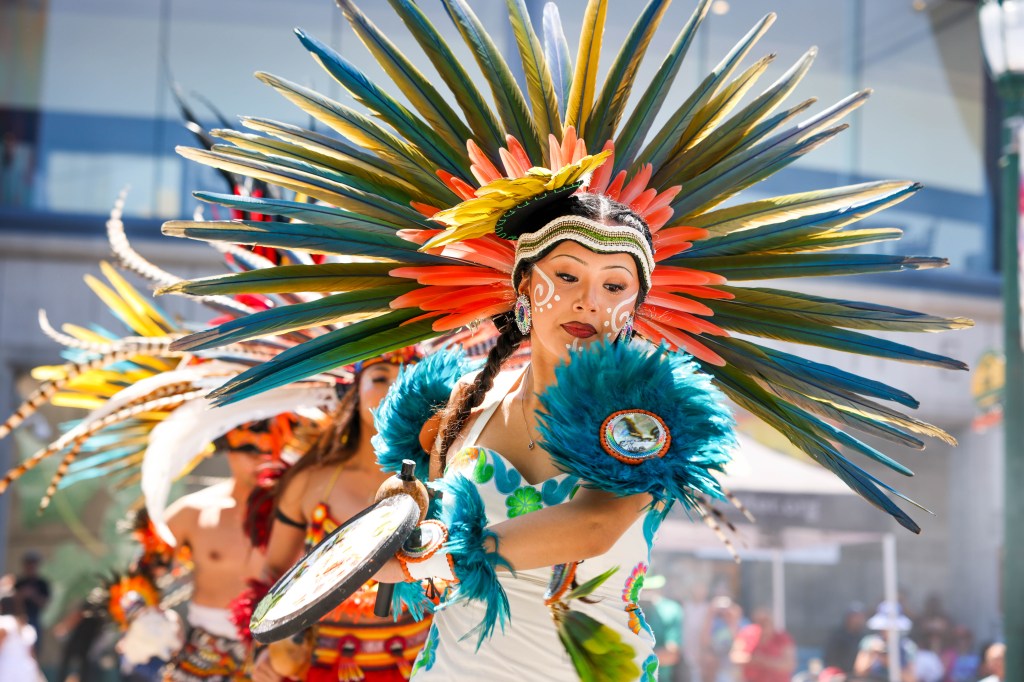
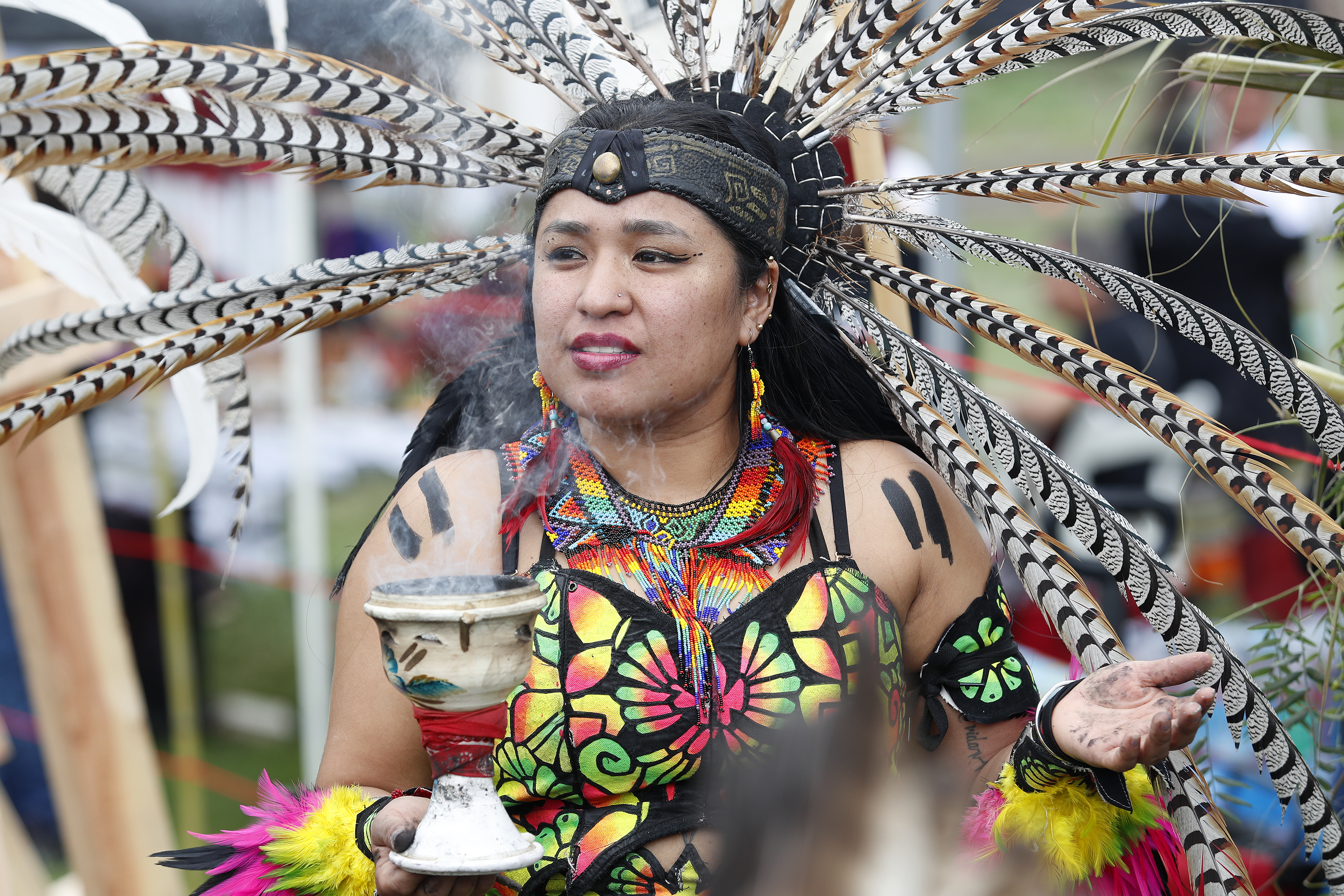
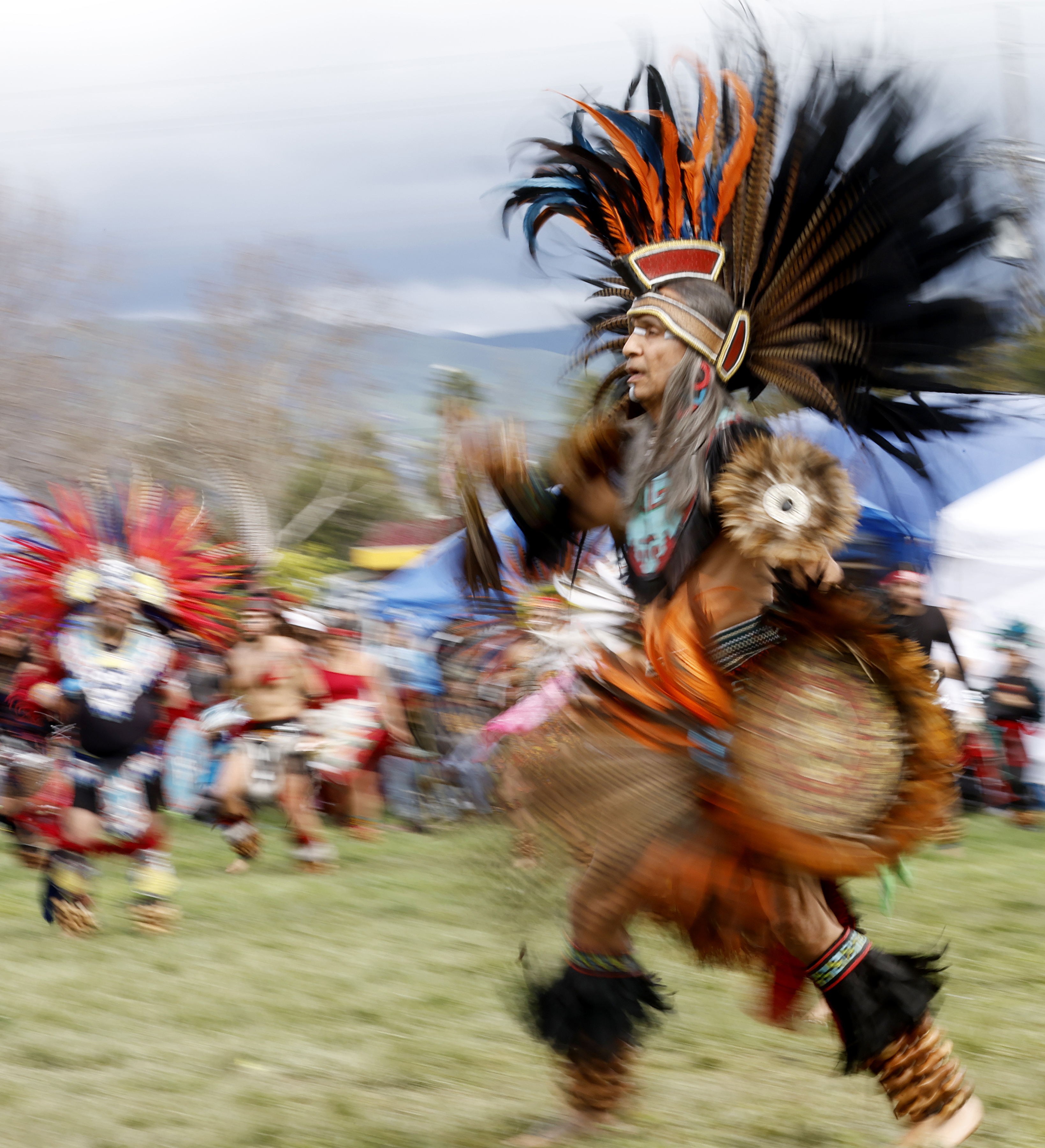
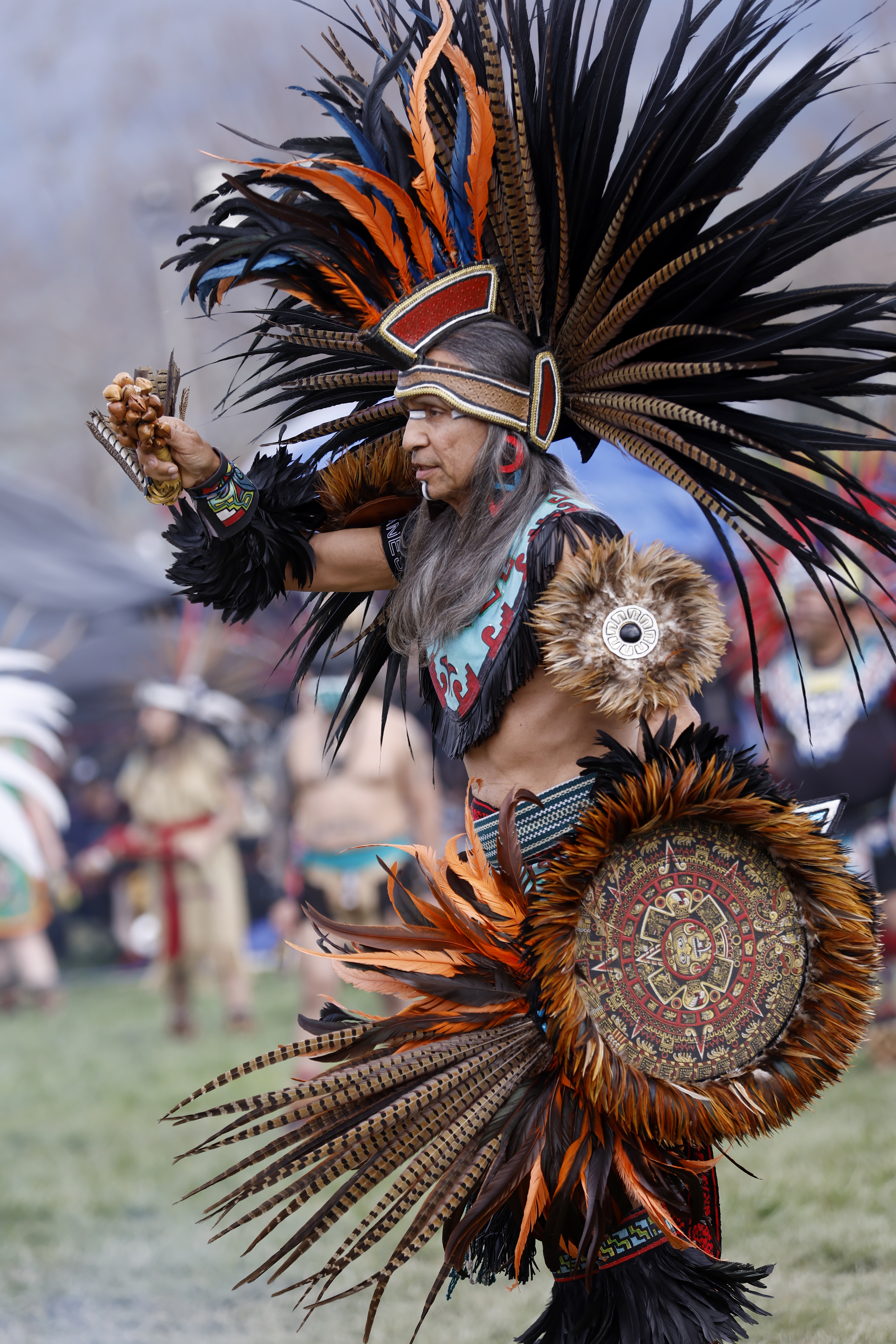
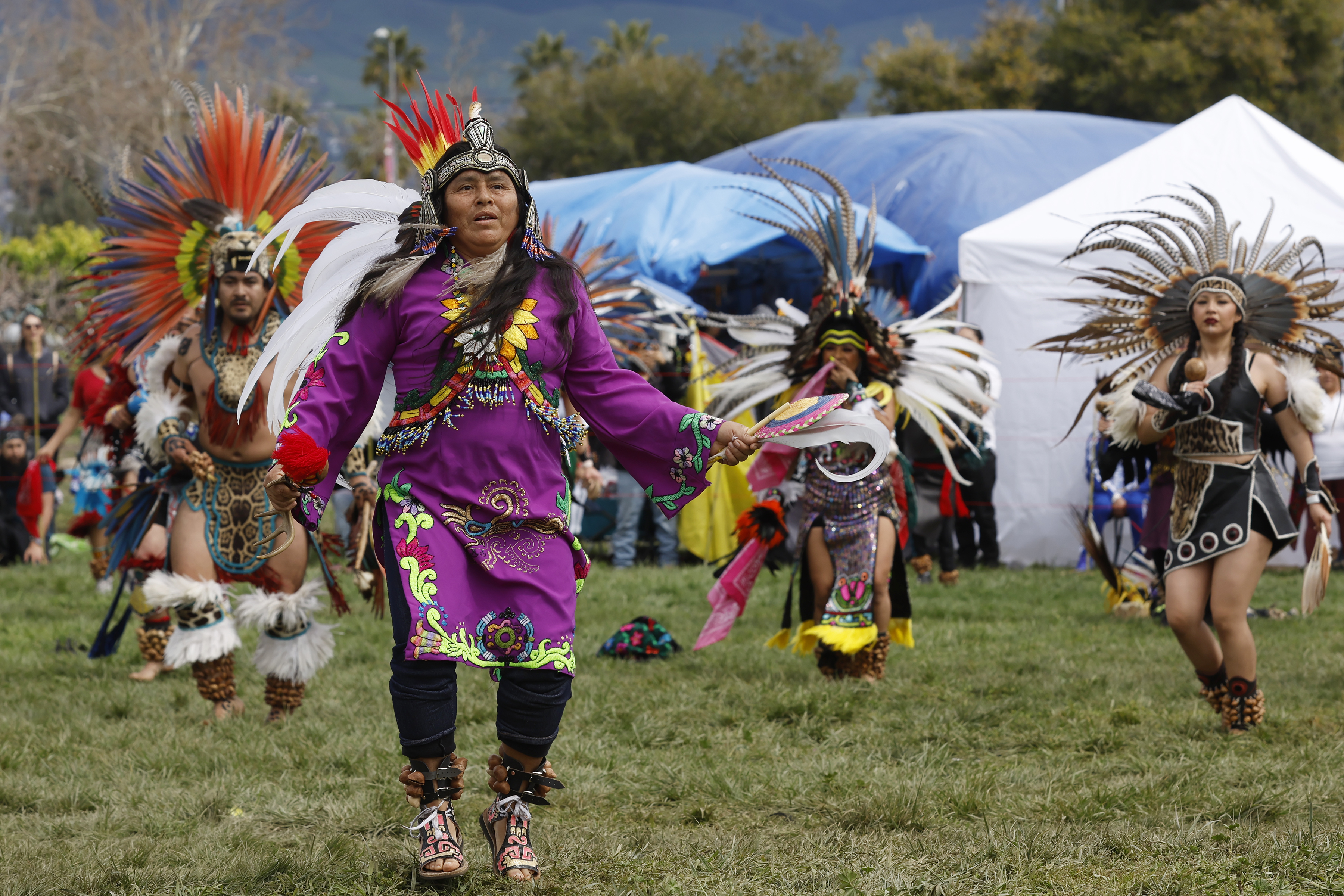
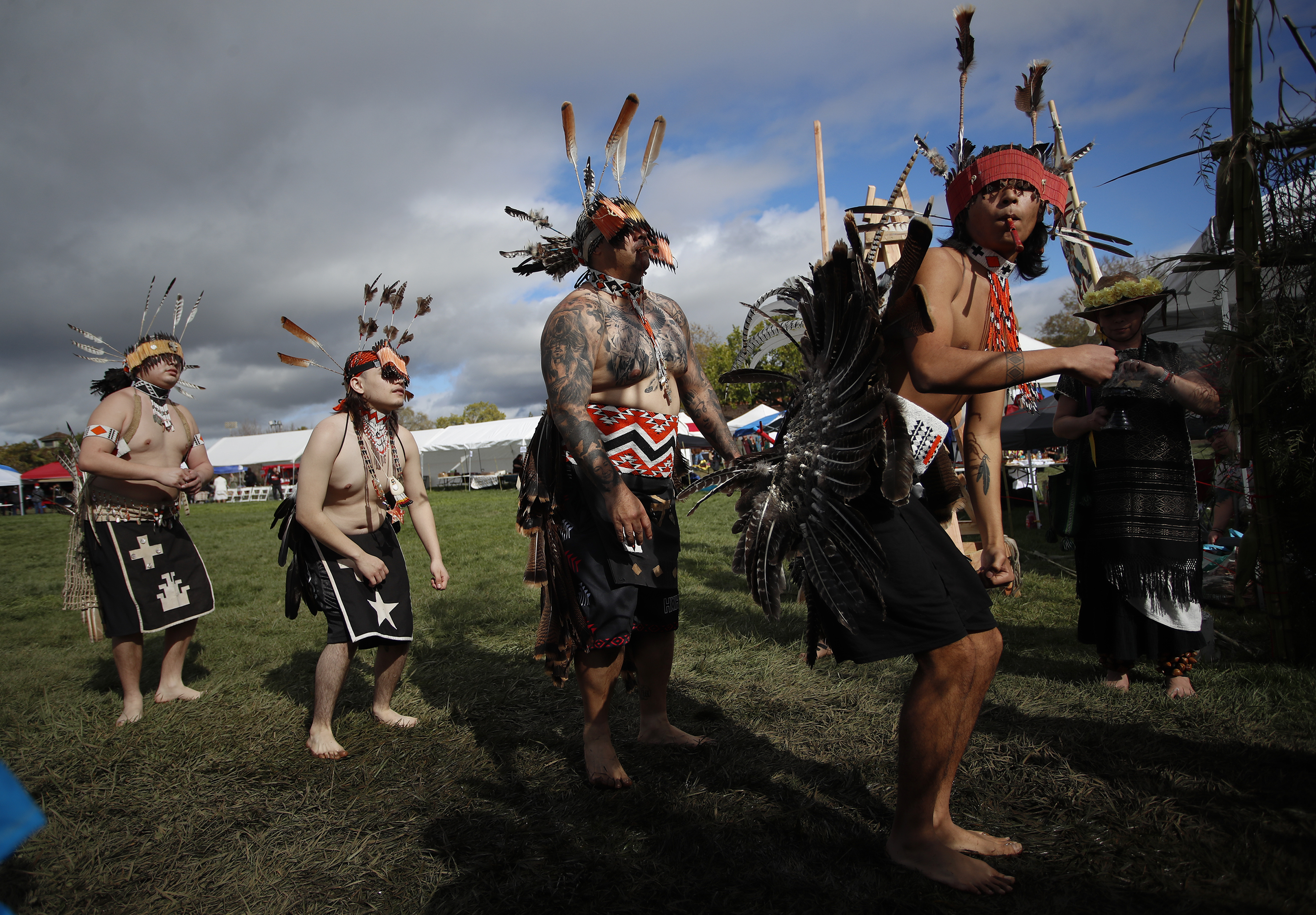
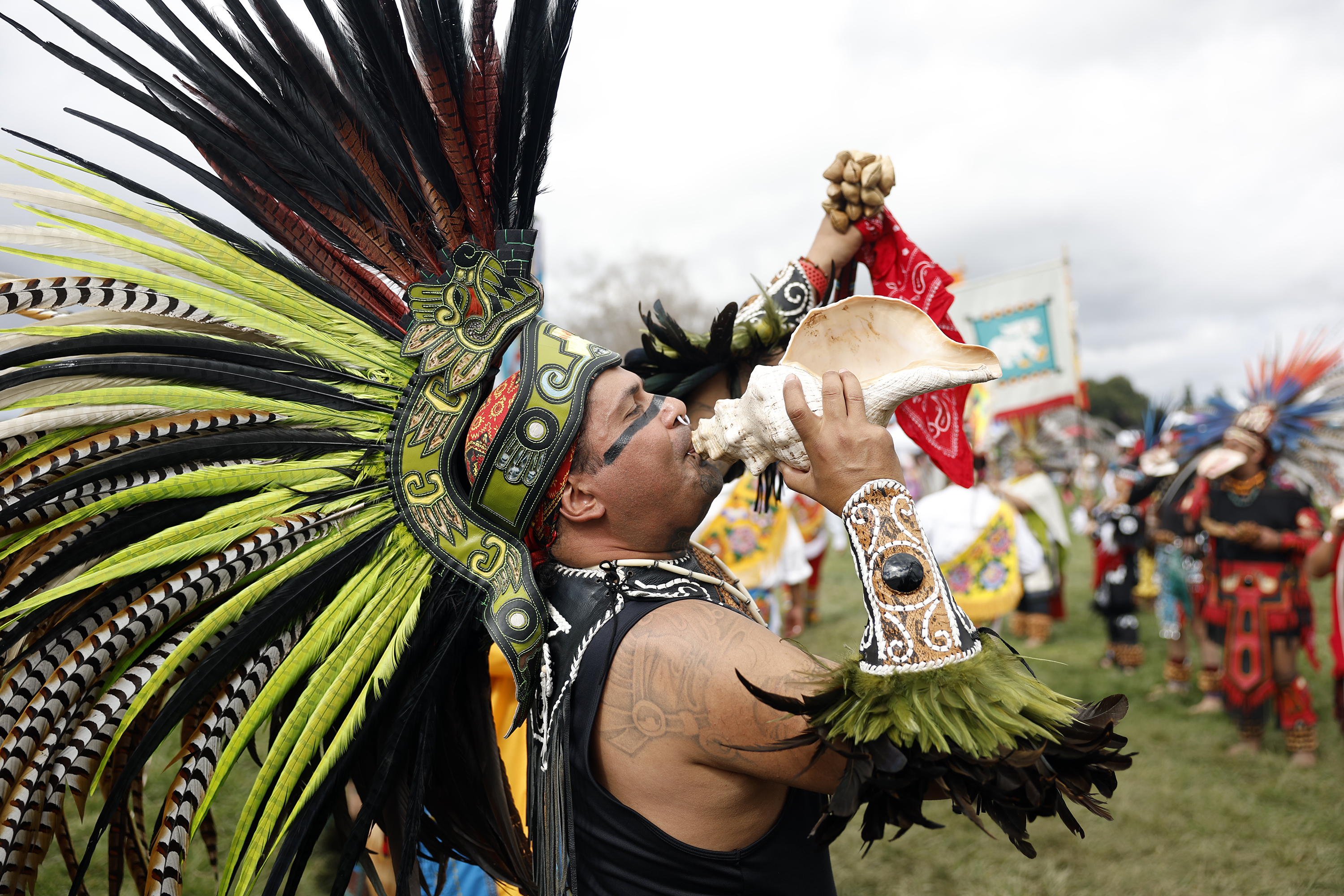
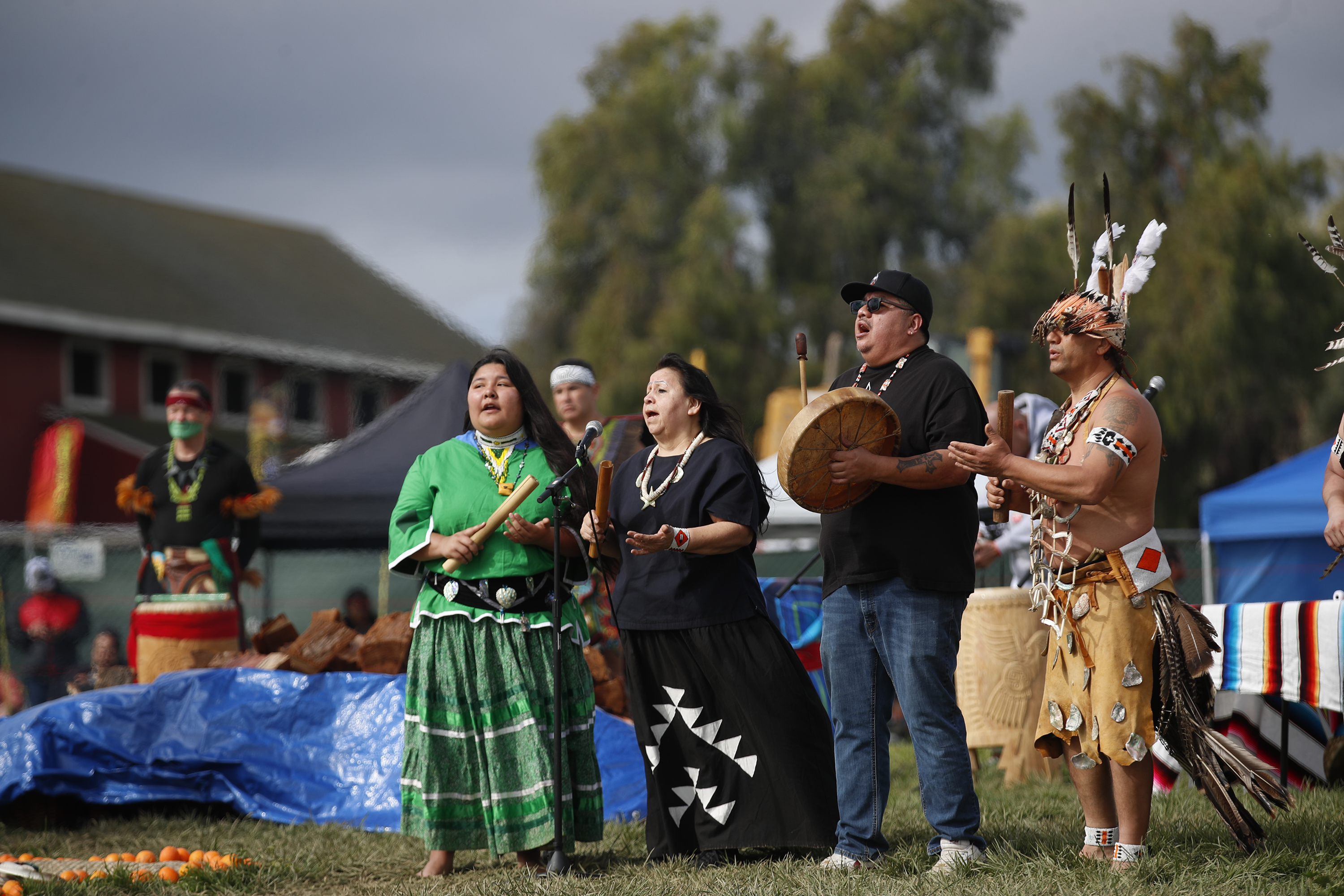
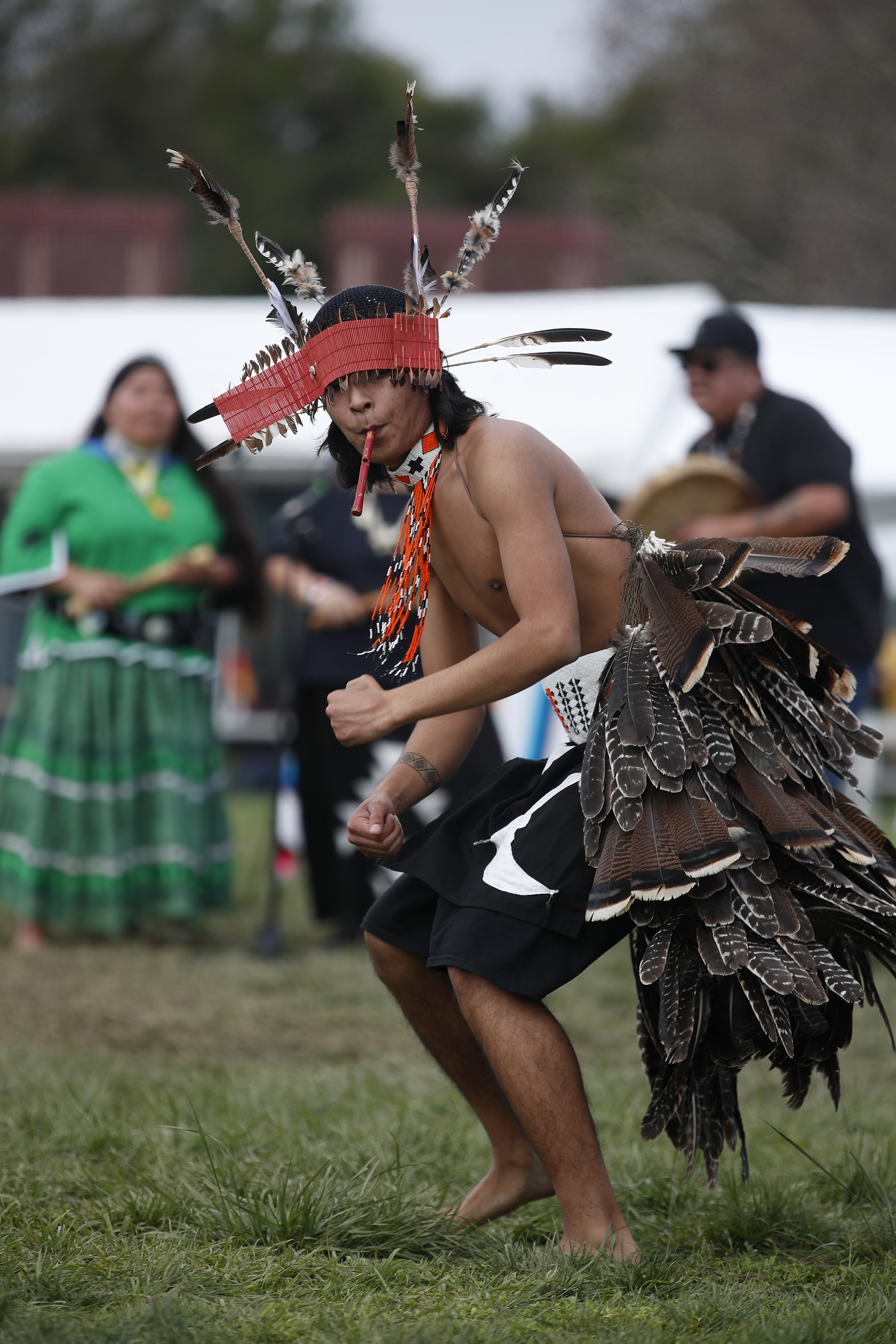
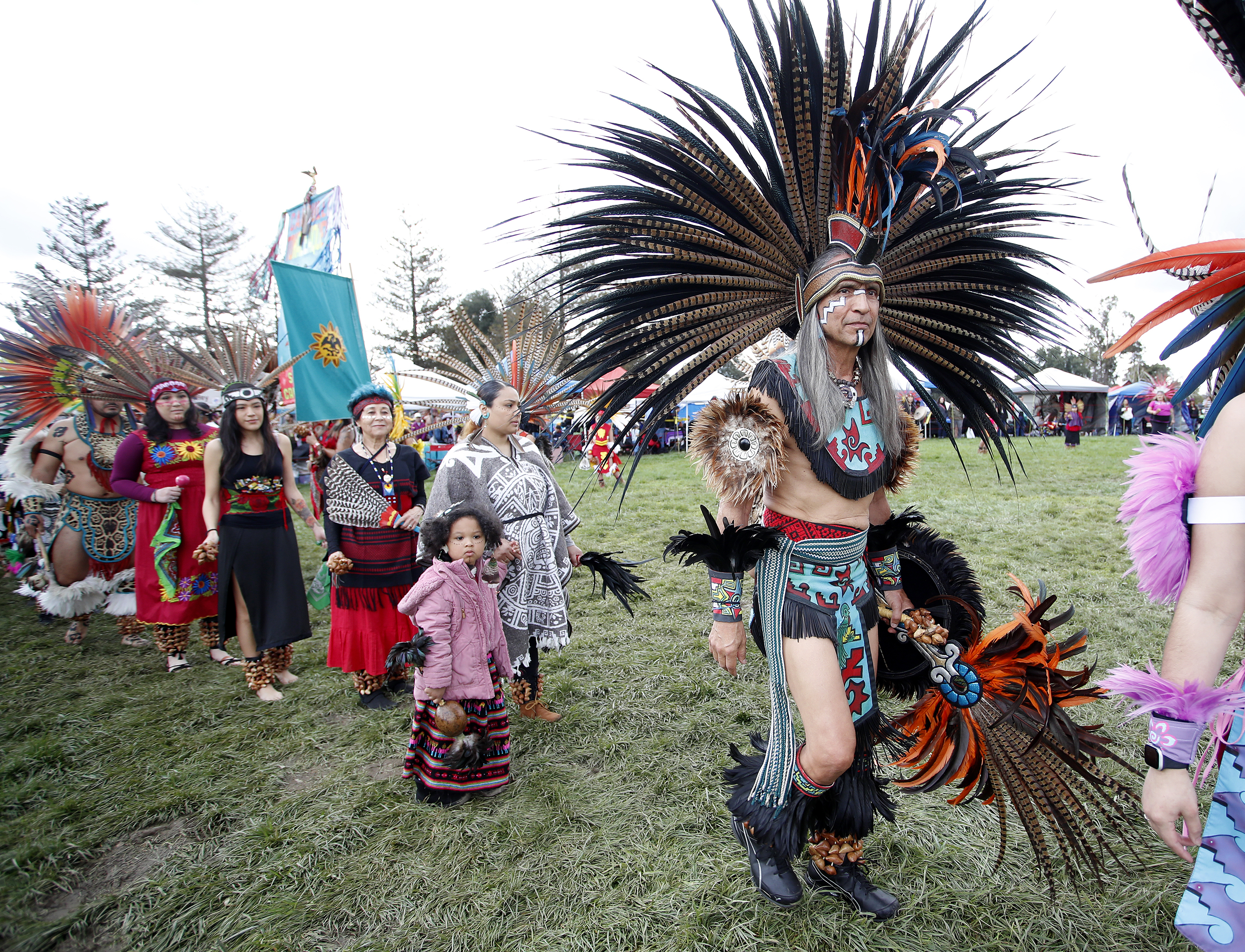
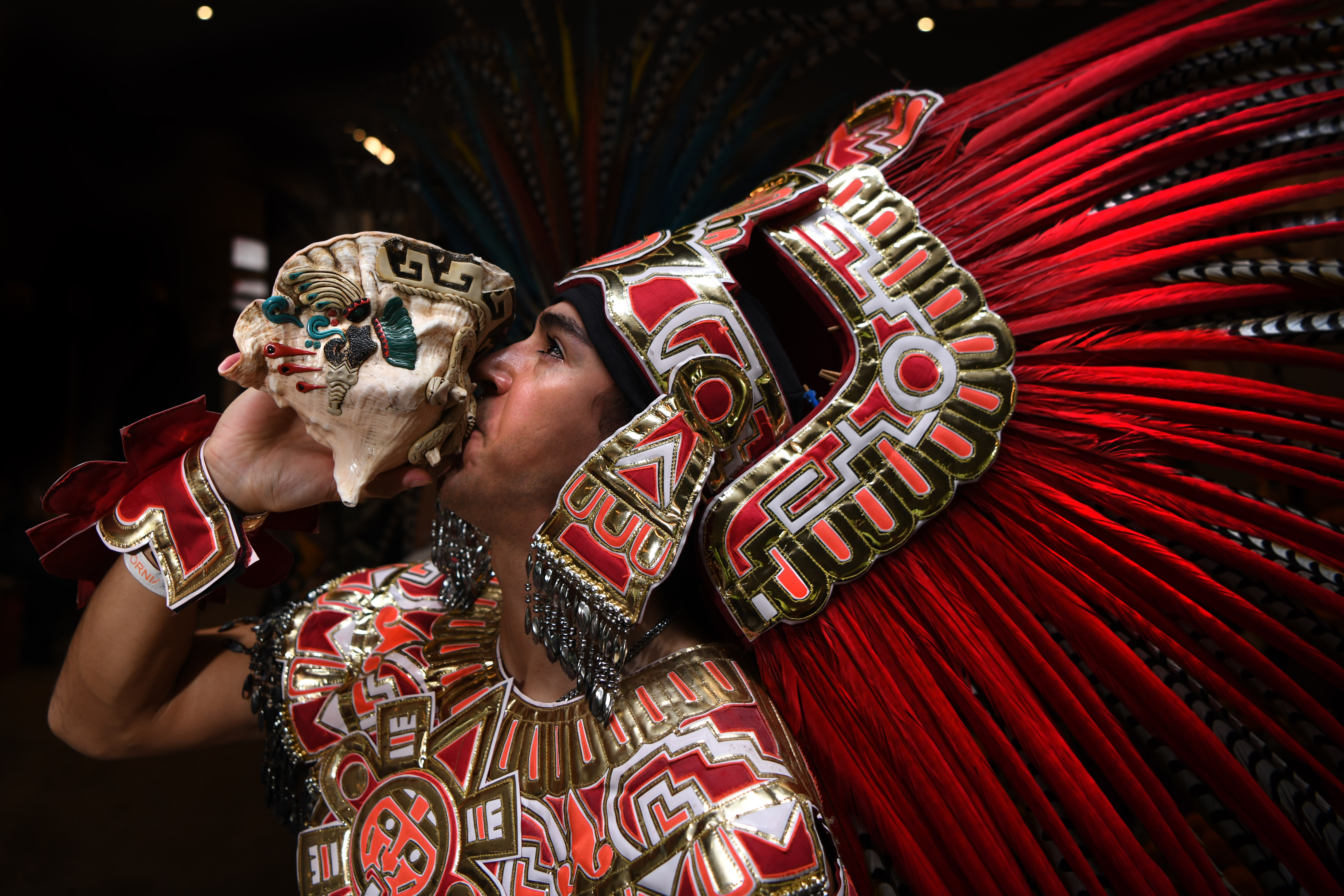
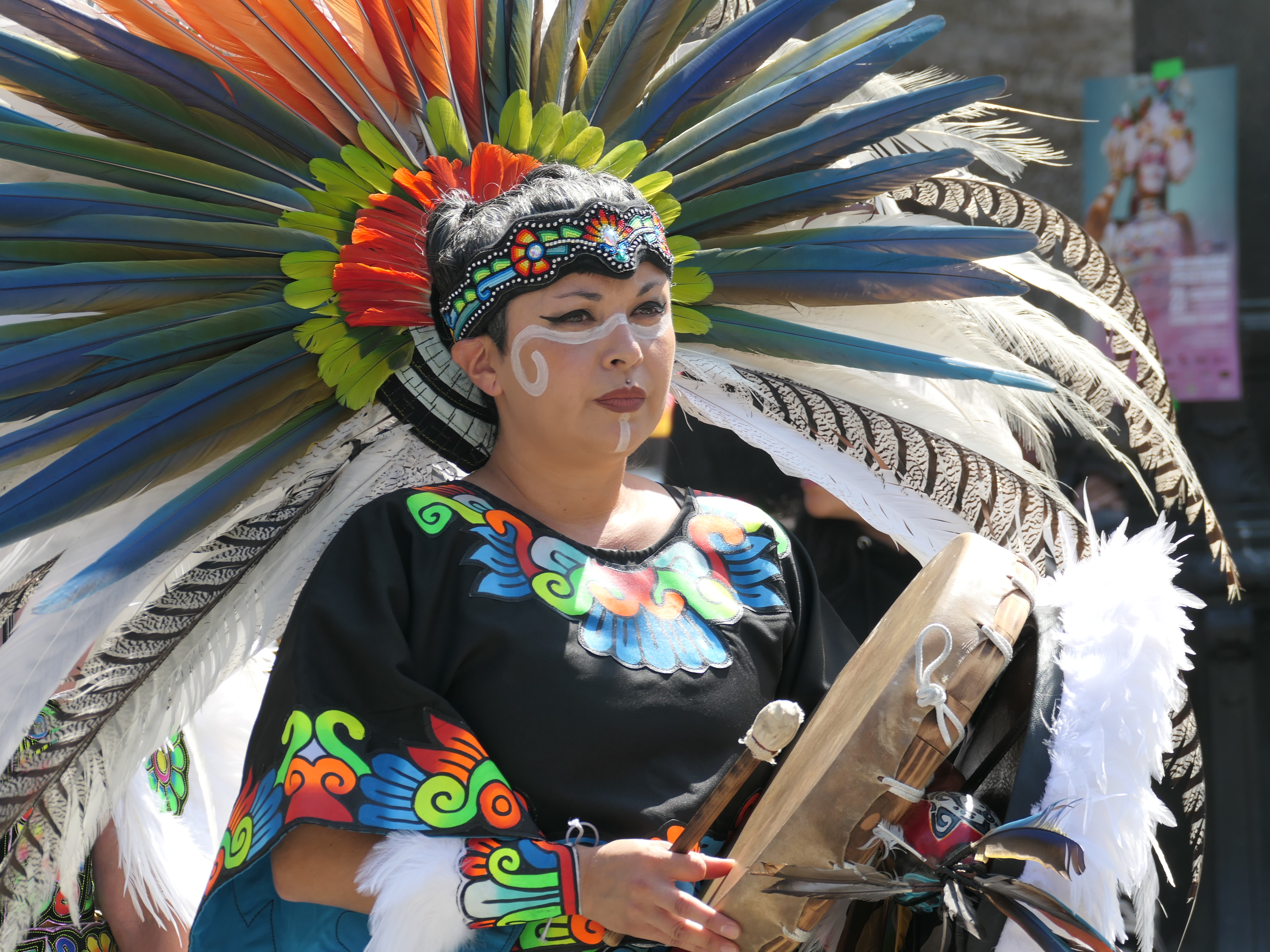
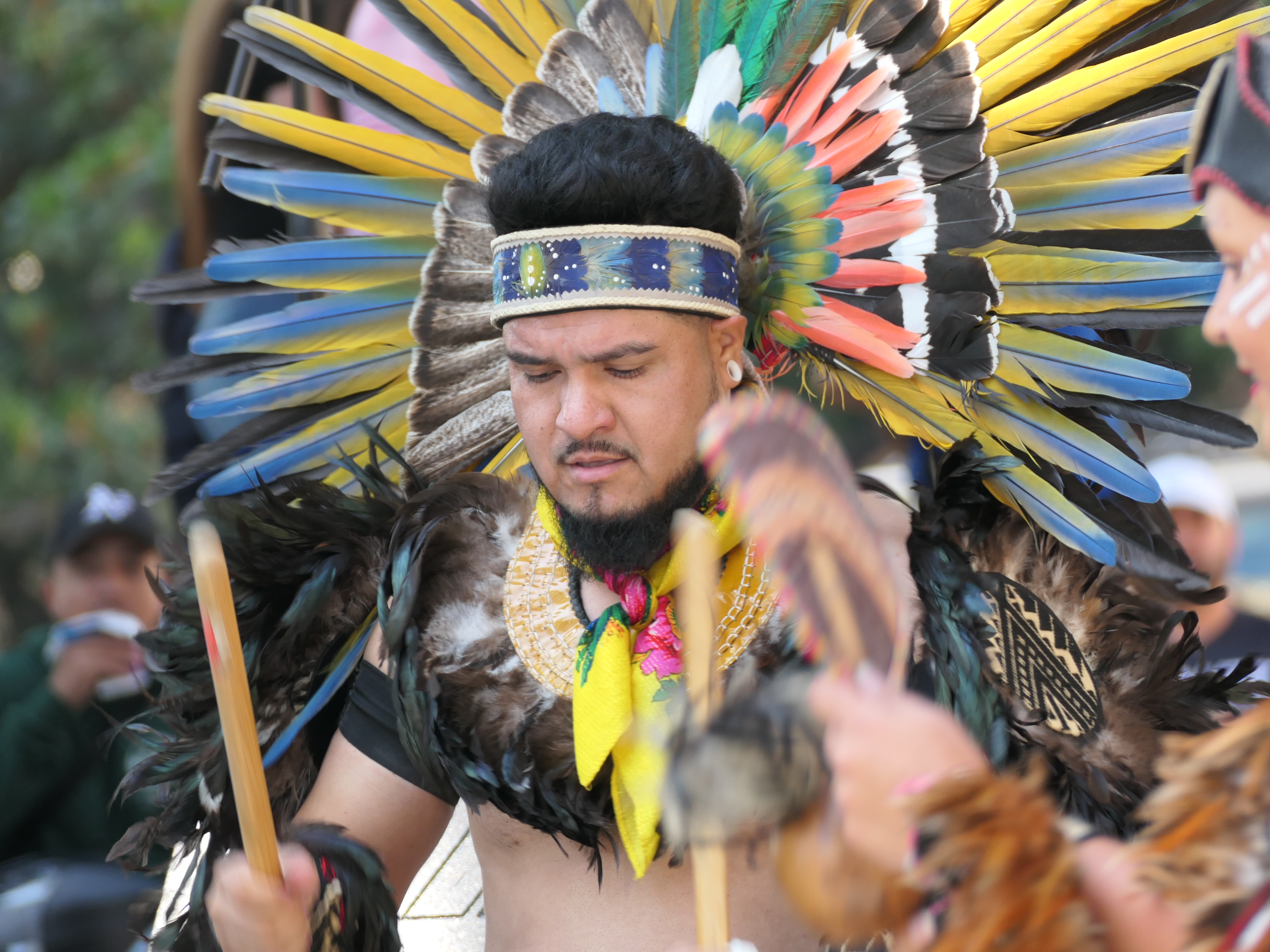
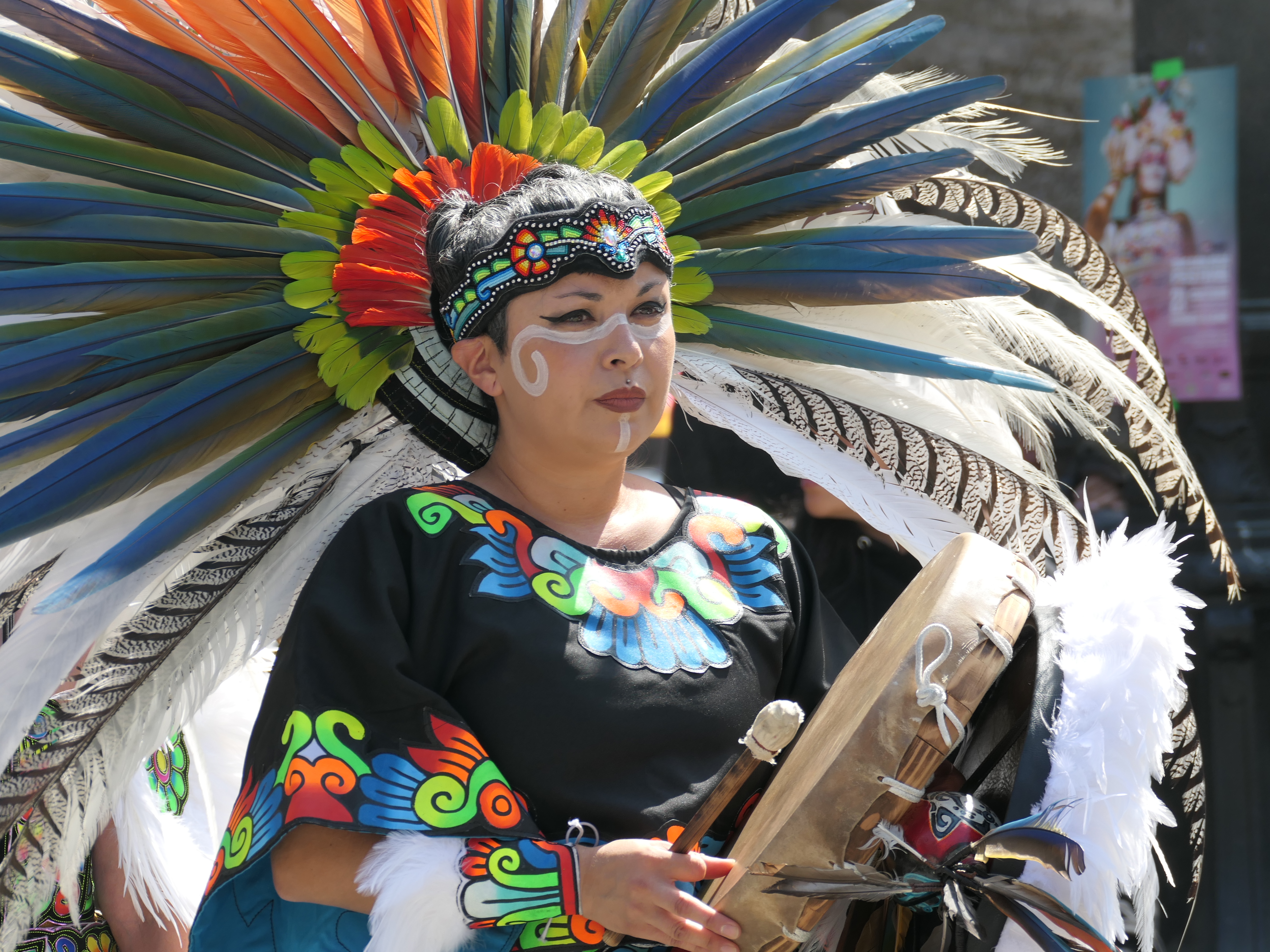
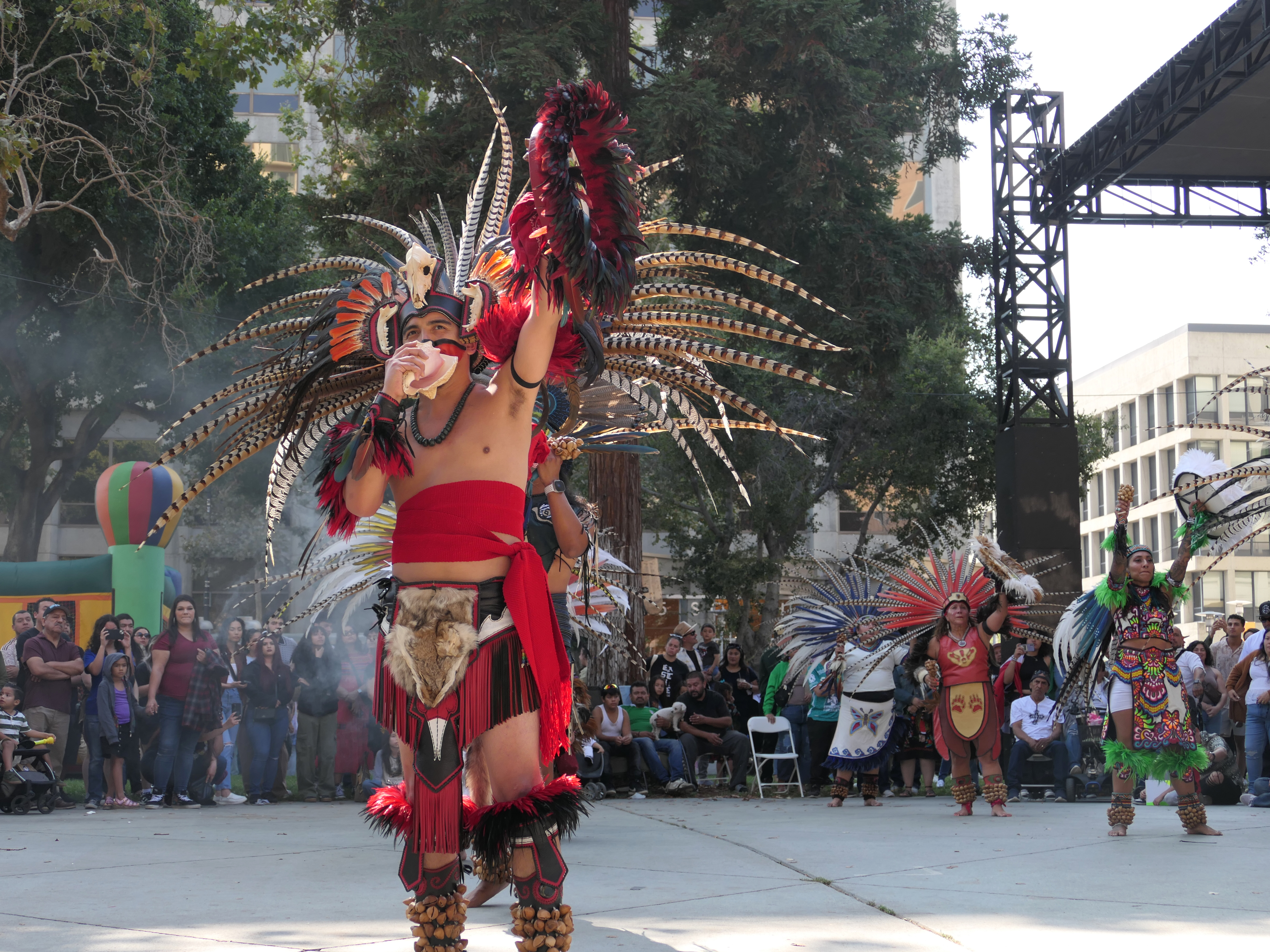
On culturally significant days of the year, performers from what’s known as the Danza Azteca communities gather to reenact the dances of their ancestors. They often dress in elaborate regalia, with feathered headdresses and beaded pendants, and wear seedpod rattles on their ankles that sound like falling rain. There are hand-carved wooden drums strapped with animal hide, and wind instruments made from conch shells, and the fragrant scent of a burning tree sap called copal.
“It is a dance tradition, but it’s very much culturally rooted. It’s also for many, if not all, the people involved, a spiritual practice,” says Tamara Mozahuani Alvarado. “But even in different (dance) groups that hold to different ways of being, we still collaborate together — we still work together to uplift the culture.”
Alvarado is the leader of Calpulli Ocelocihuatl, one of roughly half-a-dozen Aztec dance groups active in San Jose. Other Aztec dance groups – some whose histories stretch back more than half a century — are also thriving along the West Coast, from Washington state down to Sacramento, Oakland, Salinas and San Diego.
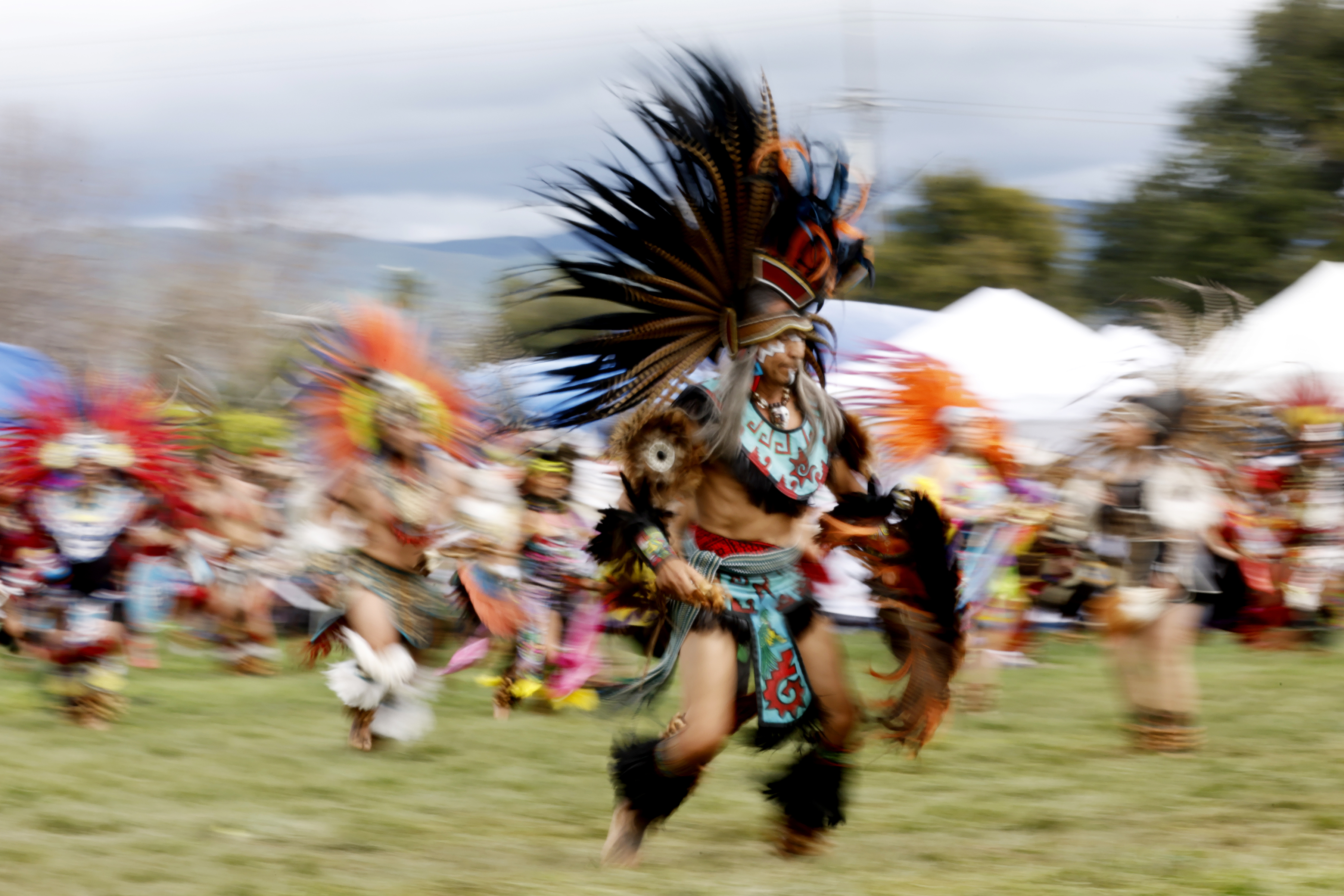
“The Aztec dance is a warrior dance. It is very energetic. Aztec dance is really about putting down prayers with your feet and the movements of your arms, and every single dance has meaning,” says Alvarado. “The dance’s names are like ‘wind,’ or the ‘deer dance’ or ‘Tlaloc,’ which represents rain, but it represents a lot more than just that.”
The origins stretch back to the days of Tenochtitlan, the capital of the Aztec Empire that reached its peak in the 1500s. The Mexica people and indigenous populations had their musical and spiritual traditions, but these were threatened when Europeans arrived in the late 1400s. Spanish conquistadors overthrew Tenochtitlan in 1521, establishing what would become Mexico City with vastly different customs.
“In the decades that followed the fall of Tenochtitlan, the Spanish decimated traditional Mexica music and culture, which the Spanish associated with the devil,” writes Kristina Nielsen, a musicologist behind the 2026 book “Aztec Music and Dance in California.” “Without the ability to time travel, it is virtually impossible to know exactly what these dances may have been, what the music sounded like, or what they meant to the Mexica.”
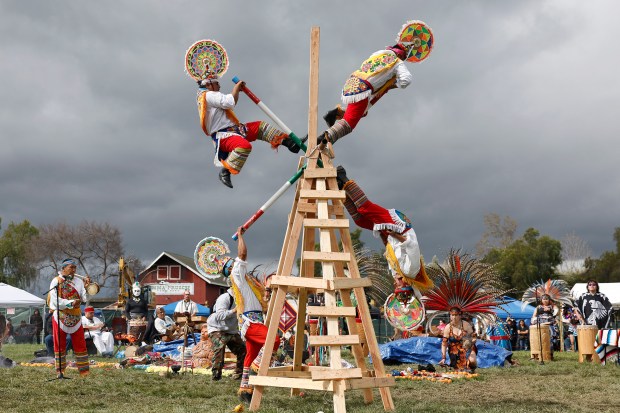
That didn’t stop subsequent generations from trying to keep the traditions alive, using what historical texts and images survived. After the Mexican Revolution in the early 1900s, the political leadership sought to unite the country’s fractured groups by establishing a national identity drawn from history. “In pursuit of this goal, musicians, artists and dancers in Mexico City turned to symbols from the Aztec Empire to shape a shared national cultural heritage,” writes Nielsen.
“There was a huge effort to erase a lot of our history, with the burning of our books and things like that,” says Yei Tochtli Mitlalpilli, who co-founded the San Jose group Calpulli Tonalehqueh in 2004.
“But there’s still a lot of connection to some of those original ways. And so a lot of the culture, we believe, is reemerging,” he says. “It’s like having a tree and chopping it down, and you think the tree is gone, but the roots are still in the ground. When the rain comes, all of a sudden they start coming back alive.”
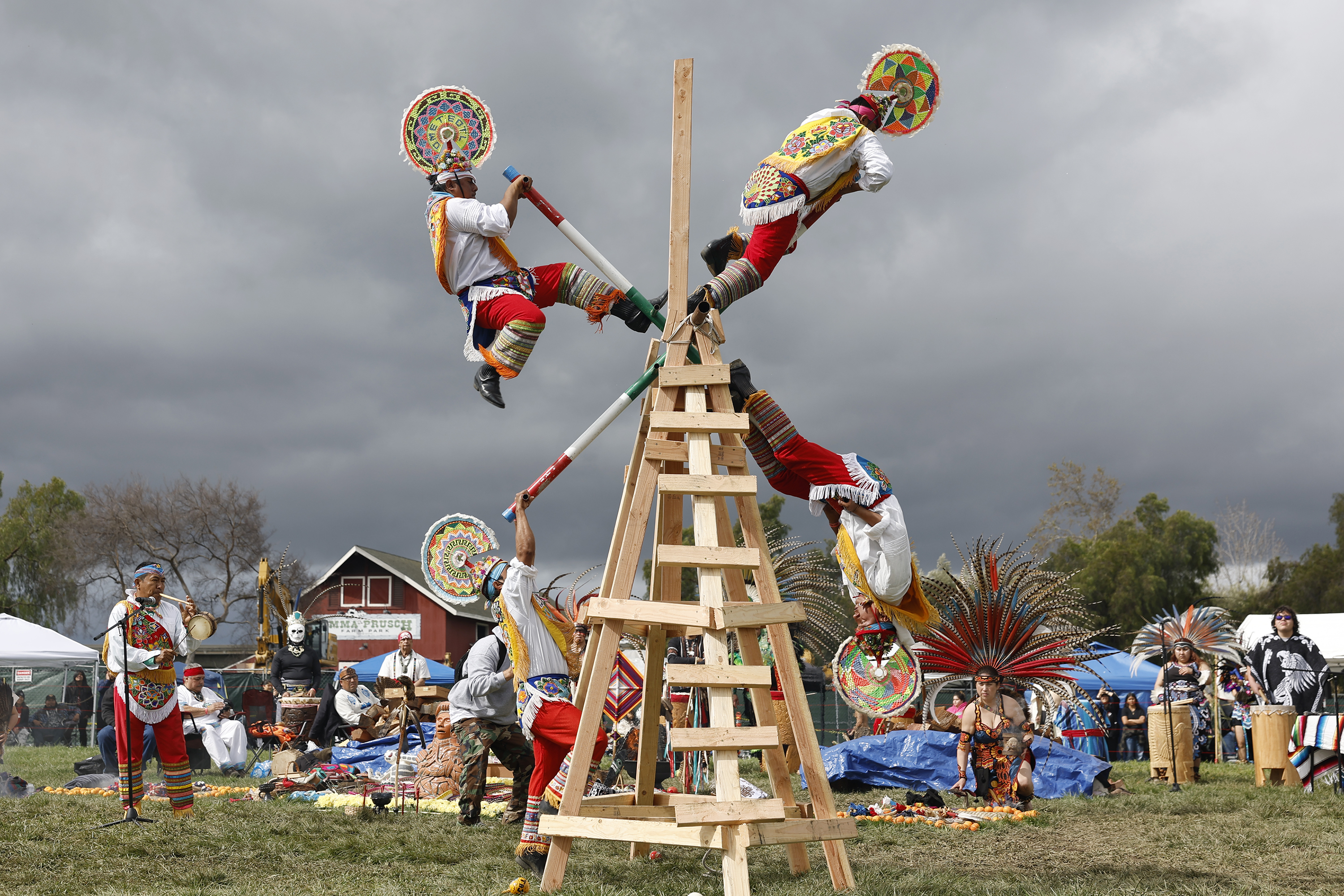
You’ll find both local and visiting Aztec dancers doing their thing during Day of the Dead season in the South Bay. They might come out for events like weddings, land blessings, funerals, quinceaneras and protest marches. A major annual gathering in San Jose is the Mexica New Year, celebrating its 28th anniversary at Emma Prusch Park from March 13-15, 2026.
“That’s the largest one in the nation right now for Mexica New Year,” says Mitlalpilli. “It has inspired other Mexica New Years now in many other communities, like in L.A. and Seattle, Minnesota, Texas, Chicago, Philadelphia. We’ve had visitors from all these places come to San Jose, then go back to their communities and start a Mexica New Year themselves.”
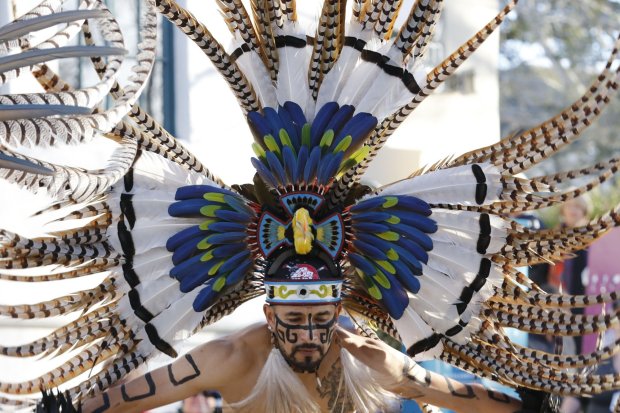
Visual splendor is a major part of the contemporary style. “The symbols that are used are ancient symbols,” Mitlalpilli explains. “One of my relatives who’s passed on, who also was a powwow dancer, said that when our ancestors look down upon us they will recognize us based on what we wear.”
-
![Angeles Ortiz, of Canpatlanesi, group from Philadelphia holds the Copal...]()
Angeles Ortiz, of Canpatlanesi, group from Philadelphia holds the Copal incense as dancers enter the ceremonial circle at the 25th Annual Mexica New Year, hosted by Calpulli Tonalehqueh, Azteca Dancers of East San Jose. Over 500 indigenous Danza from across the United States and Mexico participated at Emma Prusch Park in San Jose, Calif., on Saturday, March 11, 2022. The three day ceremony will continue on Sunday, March12, from 9am-5pm at Emma Prusch Park. (Josie Lepe for Bay Area News Group)
1 of 18
Angeles Ortiz, of Canpatlanesi, group from Philadelphia holds the Copal incense as dancers enter the ceremonial circle at the 25th Annual Mexica New Year, hosted by Calpulli Tonalehqueh, Azteca Dancers of East San Jose. Over 500 indigenous Danza from across the United States and Mexico participated at Emma Prusch Park in San Jose, Calif., on Saturday, March 11, 2022. The three day ceremony will continue on Sunday, March12, from 9am-5pm at Emma Prusch Park. (Josie Lepe for Bay Area News Group)
Wood drums are often carved with Aztec symbols such as the sun or animals like owls, eagles and ocelots. For the regalia, there are people in Mexico whose “full-time job is making the outfit,” Mitlalpilli says. “There might be people that are really good at working with stone, with jade, with obsidian. There are people that are really good painters, people that distribute feathers. There’s a whole ecosystem of artists.”
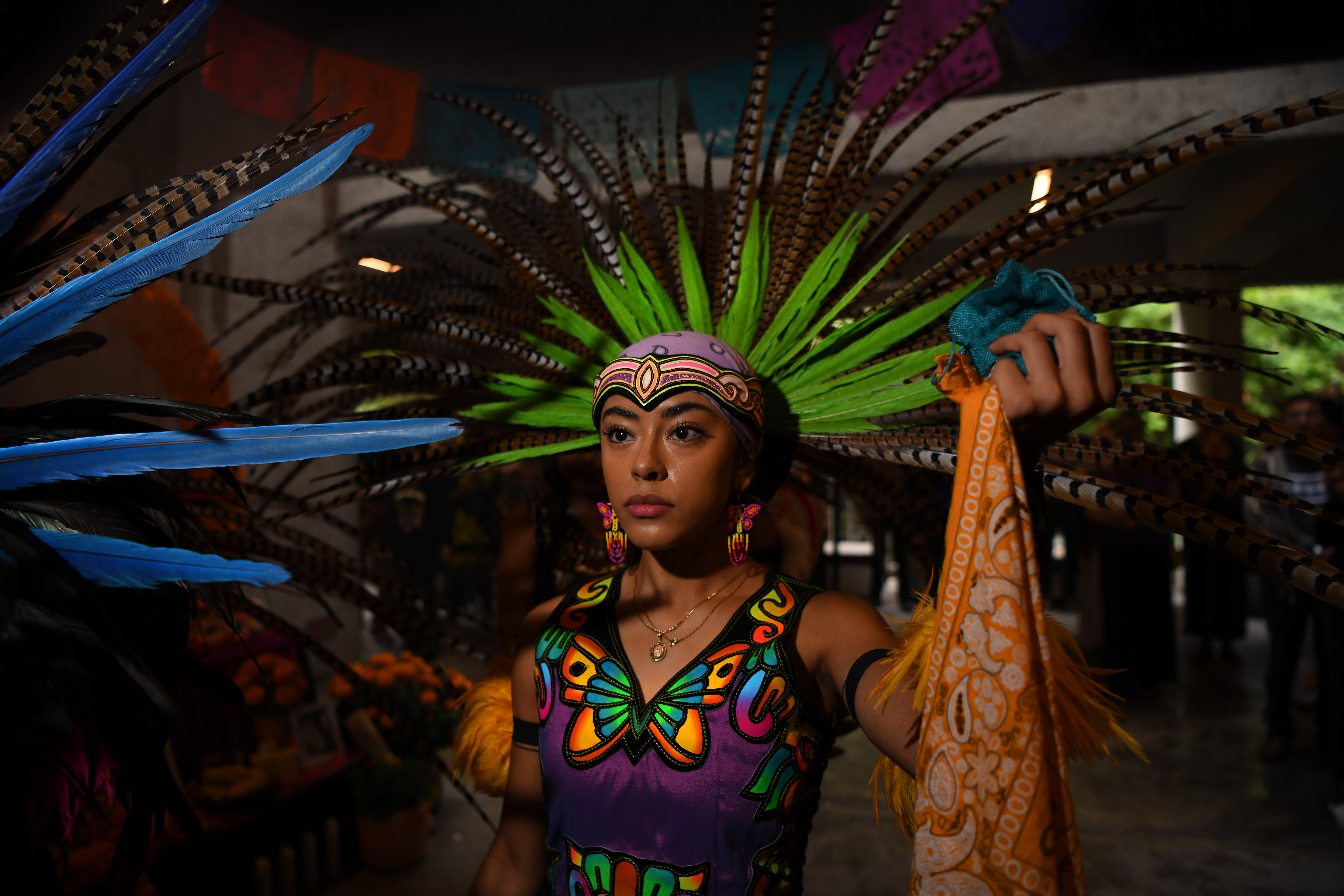
The copilli (headdress) is a true work of art. “It’s important with our headdresses that every feather is placed individually,” says Alvarado. “So when people ask us for performances and what have you, I’m like, ‘Yes, it really does take us an hour to get ready.’”
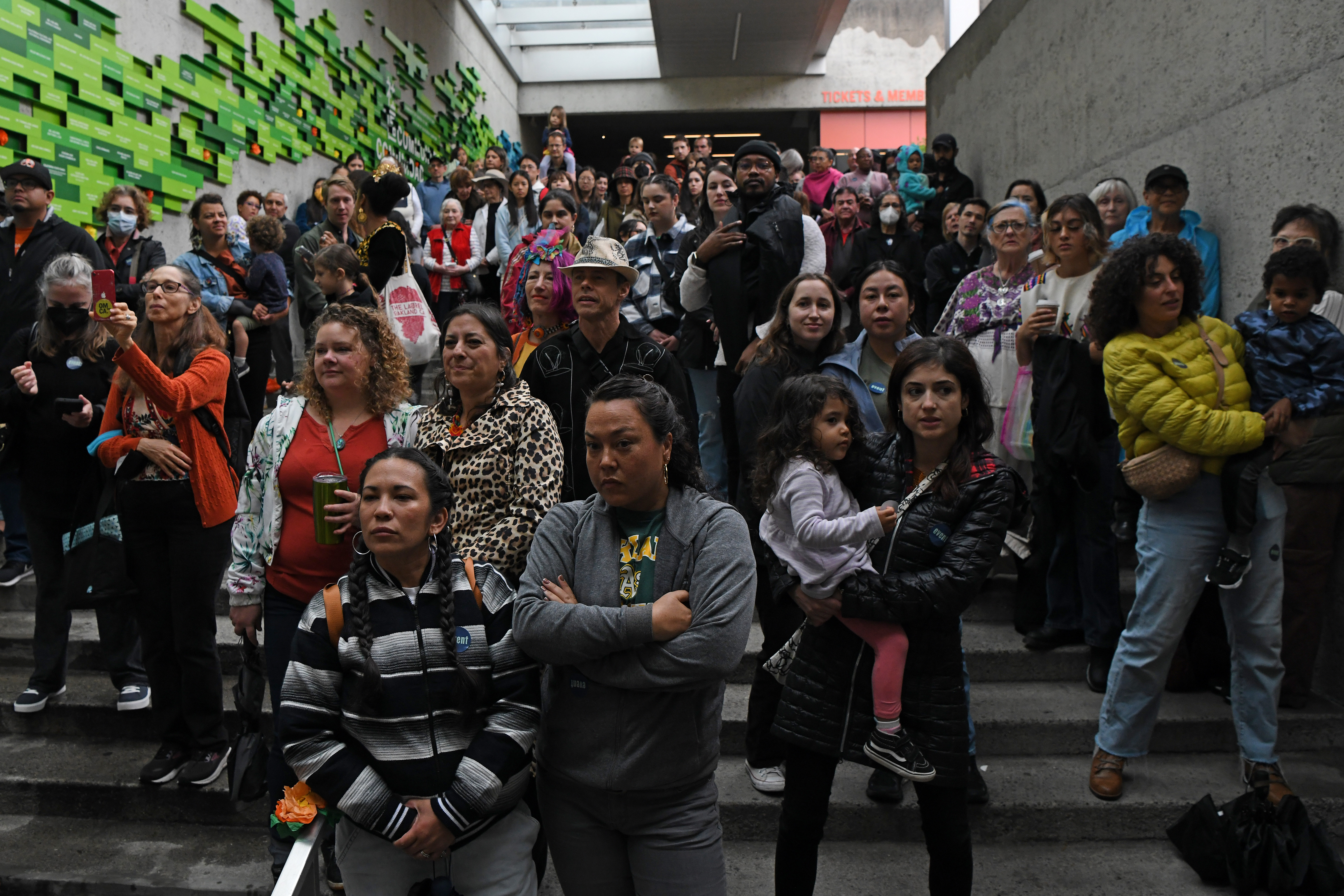
The public is welcome to observe these performances, which draw in dancers of all ages. “Teenagers, who have so much pulling on their attention these days, are asking me, ‘Can I drum?’ or ‘Hey, can I be part of your group?’” Alvarado says. “Or we go to an elementary school and we enter the room, and these little kids are screaming like we’re rock stars. It really connects with their hearts, and I’m just inspired by the fact that people still are hungry for a connection to their own culture.”
For more information about these two dance groups, visit instagram.com/calpulliocelocihuatl and instagram.com/calpulli_tonalehqueh.
