


Support CleanTechnica’s work through a Substack subscription or on Stripe.
There has been a lot of discussion around the launch of BYD’s next-generation Flash Charging and Blade Battery. There has also been some confusion, which can be clarified with a little context. “Flash charging” is BYD’s terminology for MW+ fast chargers that can charge vehicles from 10–70% in 5 minutes, 10–97% in 9 minutes, and up to 97% in 12 minutes at -30°C (-22°F). A few have said that they do not see the value in that capability and would not pay more for it. But the capability does not increase the selling price and potentially makes the vehicles more attractive within the context of the overall market. As perhaps the most mainstream model released so far with flash charging, the new Song Ultra is a good example.
The Song Ultra EV is a midsized SUV, which has become the hottest selling category globally. It is a category more focused on pleasing mainstream consumers than pleasing enthusiast publication writers drifting around tracks (BYD has cars like the Z9GT for that). While several BYD cars now offer over 1000 km of range, this model offers a more mainstream 605–710 km. This car is the same category as the best-selling model in the world for 2024 and 2025, the Toyota RAV4. It is also in the same category as the best-selling model for 2023 and still the best-selling EV model in the world, the Model Y. Less expensive or more capable cars are out there, but this is the heart of the automobile market globally.
All Song Ultra models can flash charge. All are rear wheel drive (RWD). All have a double ball joint front suspension and 5 link rear suspension with active damping DiSus-C and high-speed tire blowout stability. All have heated and cooled power front seats with powered frunk and trunk openings. All have vehicle to load, which BYD abbreviates as VTOL (not to be confused with vertical takeoff and landing). The model also offers available massage, refrigerator, HUD, intelligent driving, LiDAR, etc., as is becoming the norm for mainstream BYD models in China.
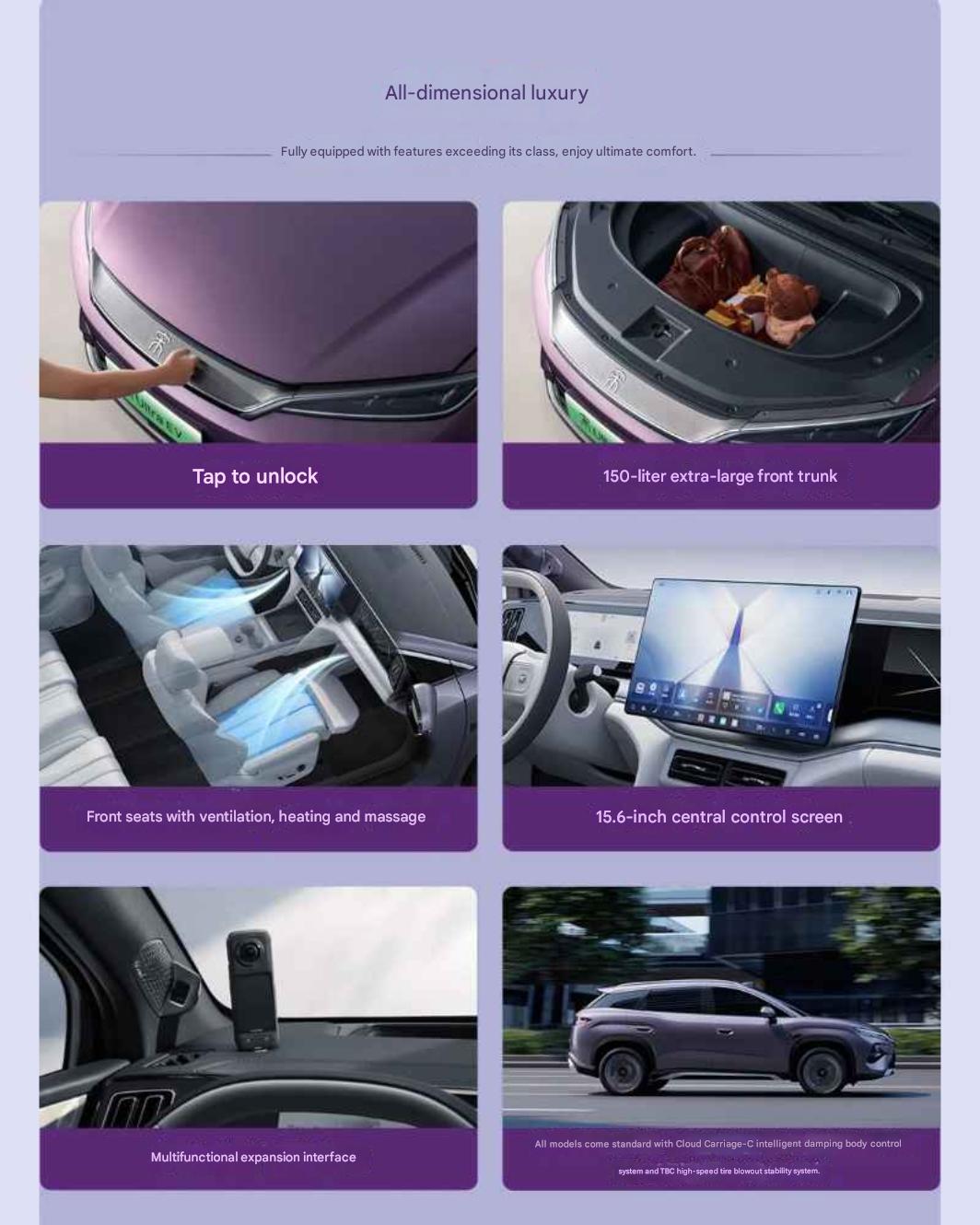
Looking at the parameter comparison, the Song Ultra in base trim starts at 155,000 RMB ($22,430) with a 69.07 kWh battery, 605 km of range (CLTC), and a 240 kW (324 hp) motor. I have a feeling that many will step up a trim level to 165,000 RMB ($23,870) to get intelligent driving, more features, and more onboard technology. Many are also likely to step up to the 270 kW (362 hp), 82.7 kWh battery with 710 km of range at 175,000 RMB ($25,320) or the top-spec trim at 185,000 RMB ($26,770). However, the entry-level trim is a better basis for comparison with other vehicles, as many of them do not offer many of the additional features available or charge much more for them.
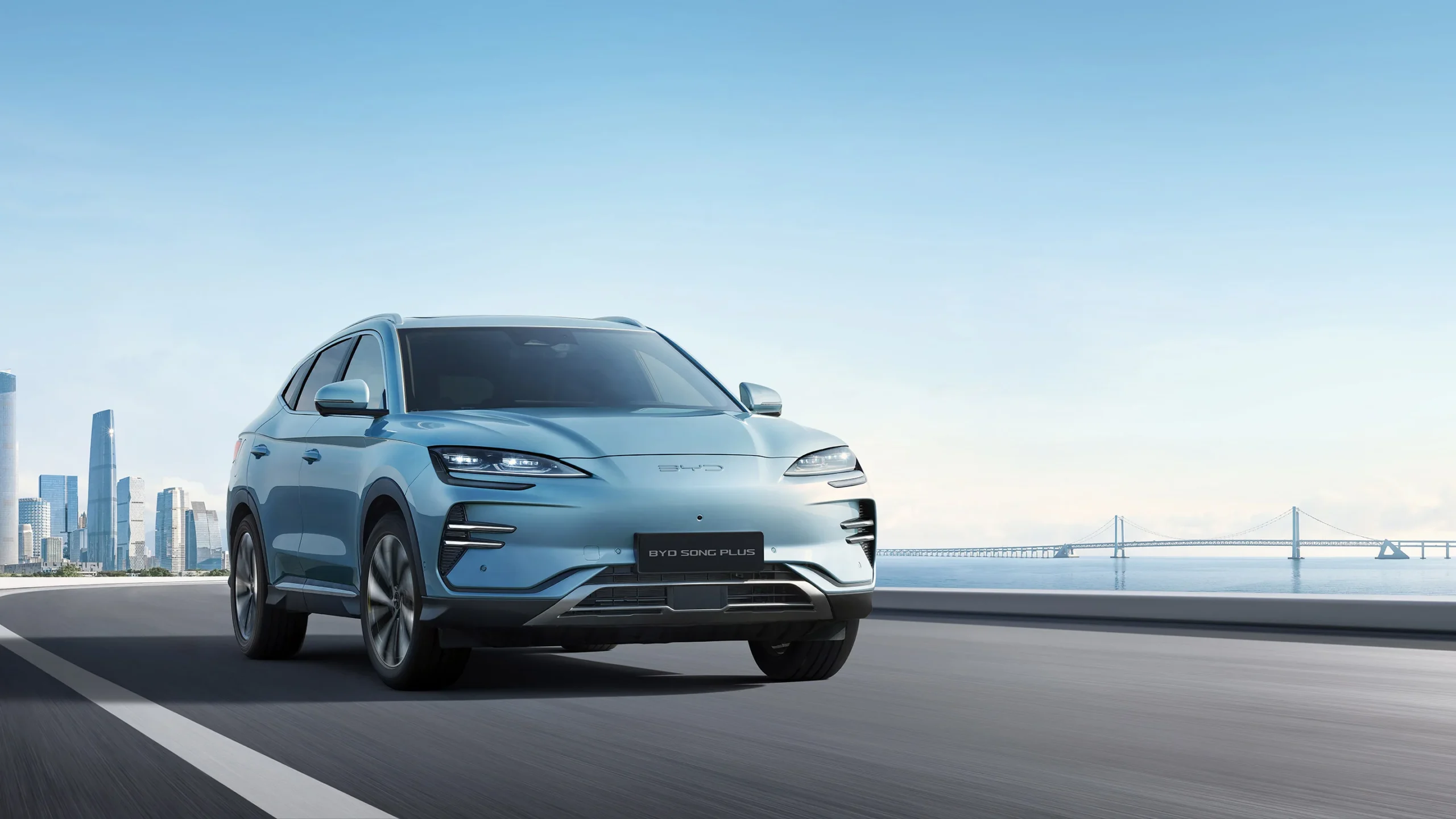
Compared to the FWD Song Plus EV, which this model and the Sealion 06 largely replace, the base model of the old car with 520 km of range was slightly less expensive at 149,800 RMB ($21,650), but the more comparable 605 km model was 175,800 RMB ($25,437). Beyond the range, the new model is a significant upgrade across the board. The Song Ultra comes in at 4850 mm long on a 2840 mm wheelbase, which makes it slightly longer. Efficiency is up. Motor power increases by 60–69% and shifts to the rear axle for better handling. The new model also adds a frunk, updates the design, adds features, adds technology … and adds flash charging.
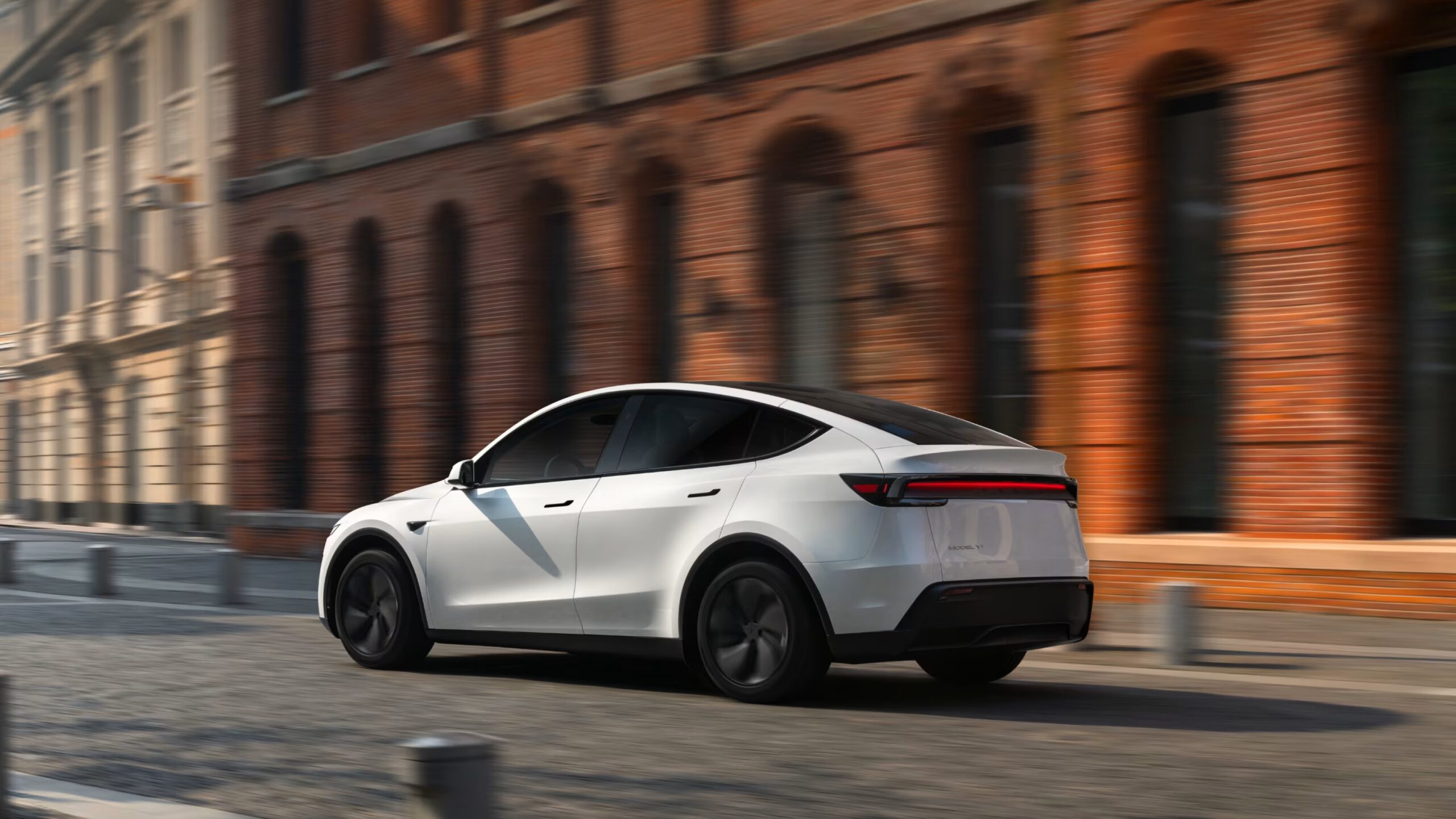
For the default EV comparison, this puts it between the 4797 mm long Model Y and the 4976 mm long Model YL. However, the less-powerful base Model Y RWD with 593 km of range (CLTC) in China starts at 263,500 RMB ($38,127), while the YL starts at 339,000 ($49,050). However, to get intelligent driving (you can’t legally call it “Full Self Driving” in China), the base model goes up to 327,500 RMB ($47,388), or roughly twice as much as a comparable Song Ultra. There may still be arguments for the Model Y in China, but overall value isn’t one of them.
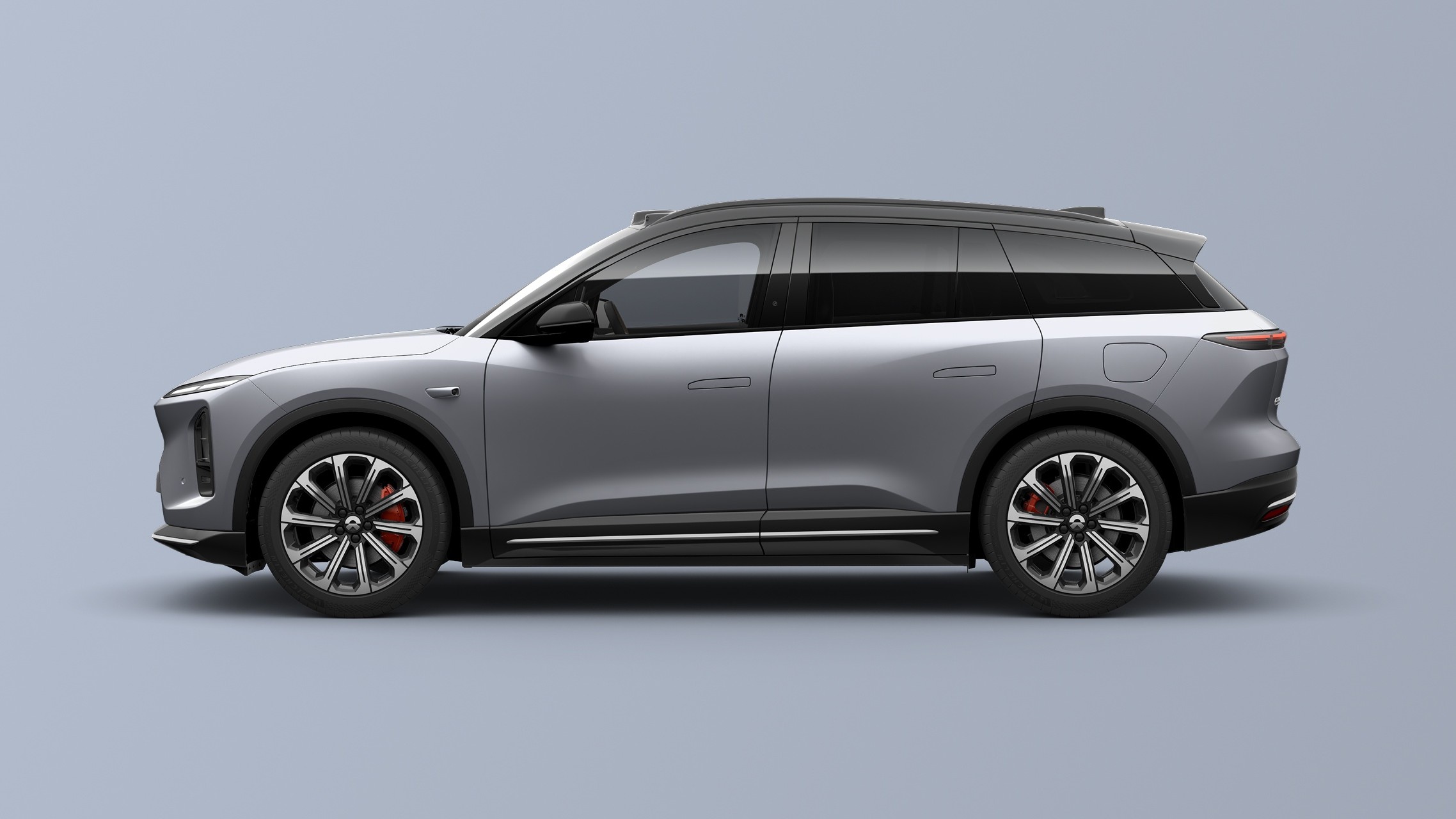
For comparison to another Chinese model, the Nio ES6 is roughly the same size and is the closest vehicle that offers battery swap. That car with the battery included starts at 338,000 RMB ($48,910), or 268,000 ($38,780) with the battery leased separately.
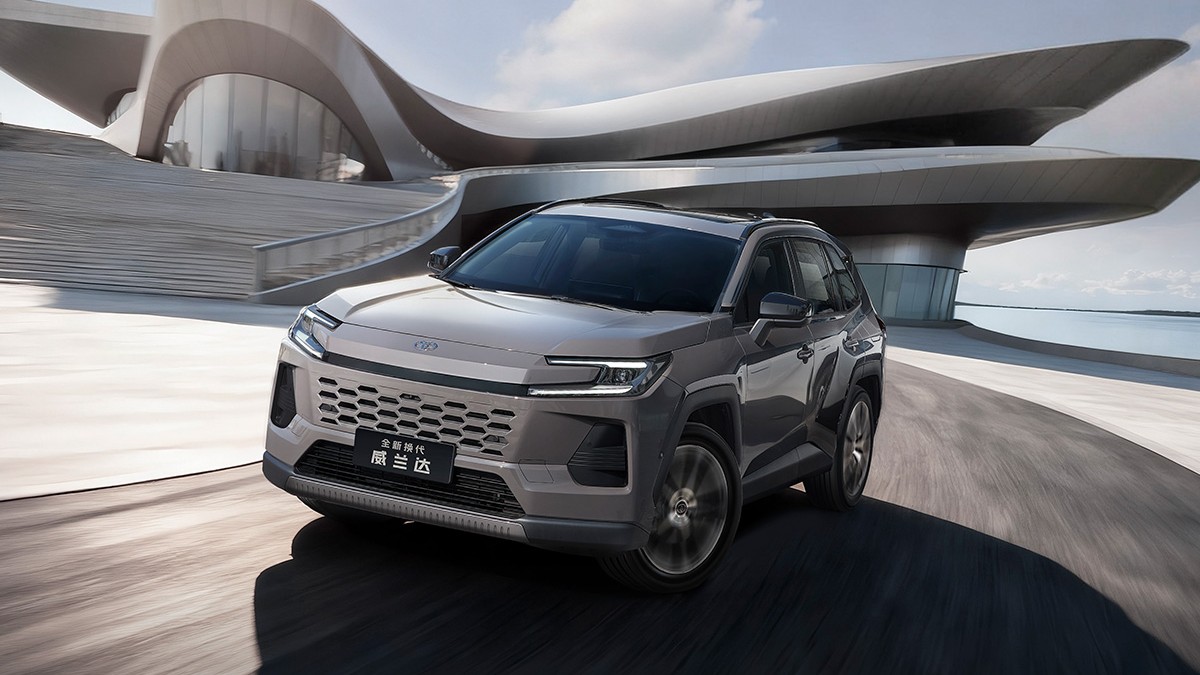
But the strong value proposition isn’t just versus other EVs. The Chinese market GAC Toyota Wildtrack (aka RAV4) is a bit smaller at 4600 mm long (and lacks a frunk). With a 2l 126 kW (169 hp) gasoline engine, it starts higher at 169,800 ($24,569). However, even in the top gasoline FWD trim at 201,800 ($29,199), the less expensive Song Ultra is better equipped in comparison. The Wildtrack/RAV4 hybrid starts at 179,800 ($26,016) with 144 kW (193 hp) of total system power. The Song Ultra is closer in size to the Highlander 5-seater at 4965 mm long, but that car starts at 249,500 ($36,145). None of those Toyota models can plug in or offer advanced intelligent driving.

Of course, the US market is more expensive. After several product cancellations from other brands, the Hyundai Venue is now the least expensive new car in the US, starting at $22,650 including freight, which is slightly more than the Song Ultra in China. The Hyundai Venue is a very basic FWD ICE vehicle with 122 hp, but without the best safety record. For a RAV4, the basic FWD non-plug hybrid starts at $33,350 with delivery, while the PHEV starts at $42,950. A Model Y RWD starts at $41,640 with destination and fees. The least expensive EV in the US is the “resurrected to die again” Chevy Bolt at $28,995, including destination fees. Of note, Chinese regulations require more pricing transparency, including fees in the advertised price, which is why I include them here for comparison.

Buyers can also save by recharging vs. using gasoline, even when using flash charging. New BYD vehicles come with 1 year of free flash charging, and a promotion extends that another 6 months for the Song Ultra. However, initial reports put charging prices at 1.3 RMB per kWh ($0.18), with 1 RMB paying for electricity and 0.3 as a service charge. This is a competitive price for DC charging in China and much less expensive than battery swap. Each flash charging pile can charge two cars simultaneously, greatly reduces the space needed to charge the same number of vehicles per day, and takes strain off the grid connection with buffer batteries. Those advantages provide net savings that offset much of the cost of the increased capability. For a vehicle going 8.77 km per kWh or 11.4 kWh/100 km, you are looking at 0.15 RMB per km, or roughly 3.4 cents per mile. Gasoline in China on March 2 cost 7.62 RMB per liter, or $4.17 per gallon. That works out to be roughly 4 times as much per mile for a 30 mpg SUV. With gas prices rising due to supply disruptions, the economics will shift even more towards the EVs.
Many people in other markets can only wish for public charging at those prices, even at much slower charging rates. I wish even my residential electricity was that low. ConEd charged me $0.46/kWh last month when including taxes and fees.

An Improving Value Proposition
Looking through the spec sheets, BYD’s vehicles being launched now with the next-generation Blade Battery are better values than the vehicles they replace, even if you ignore the flash charging capability. Better values than many competing EVs and ICE vehicles. With the flash charging and rapid deployment of stations, the value proposition becomes stronger. Of note, the prices listed here are pre-order prices and BYD has tended to reduce prices after official launch. We will have to to see more.
This model, as well as the recently updated Sealion 06, largely replace the discontinued Song Plus in BYD’s lineup in China. The Song Plus used to be BYD’s best-selling vehicle in China and continues as its best-selling vehicle in several other markets as the Seal U or Sealion 6, particularly in PHEV form. The new models will likely split sales that used to go to the Song Plus in China, much like how Chevrolet and GMC trucks split sales at GM. That will reduce the potential for “Best Selling Model” bragging rights. Also, they are part of larger families under each nameplate, which could be lumped together for bragging rights in the same way that US truck makers lump together HD and EV models under the same nameplate. However, model bragging rights aside, BYD’s overall mainstream SUV product offering is poised for growth. With the increased charging and range capability, that growth is also poised to shift more toward BEVs over PHEVs.
BYD also isn’t limiting flash charging to just mid-market models and above. Lower priced Qin, Dolphin, Yuan, and even Seagull models are expected to launch in 2Q. Some of them already have regulatory filings. Flash charging is also being rolled out to BYD’s new Linghui brand for ride hailing, including the E7. It may take a while before all the models ramp up production and we see the full scope of the transition.
BYD will have over 20,000 second-generation flash charging stations by the end of 2026, each with multiple charge guns. For comparison, the US had an estimated 13,513 fast stations as of last summer. As China has slightly less land mass than the US, flash charger spacing will be denser there than fast chargers are here. And, because vehicles can charge multiple times as fast, each flash charging station can serve more vehicles and be more convenient. Because it is from only one company with plug to pay, the process will be more streamlined than having an array of charging providers with different payment systems. Initially, there will be less competition for chargers. As BYD plans to sell millions of flash charging vehicles, being able to install new chargers within a week will let them scale rapidly. BYD launching with 4,219 stations with multiple charge guns per station already makes it more prolific than any current battery swap provider. Owners also have the option to use the millions of slower existing DC chargers in China if they do not want to charge as fast.
Even if you think you would never use flash charging and will only charge at home, the ability to use it would come in handy if you ever needed it. Some people also never accelerate to highway speeds in less than 15s but still like having the ability to accelerate faster. A battery being robust enough to offer flash charging capability, particularly at low temperatures, provides a level of assurance. The capability could also appeal to used car buyers, increasing resale value. You might personally be fine with slow charging an EV with less range. Some people still buy flip phones. Some people would likely be fine with a glorified golf cart. However, reaching universal adoption will require capabilities that address a wide range of customer needs. When more capability doesn’t cost more, why would you pick a less capable vehicle?
https://www.youtube.com/watch?v=PR3ZL855kMc
Sign up for CleanTechnica’s Weekly Substack for Zach and Scott’s in-depth analyses and high level summaries, sign up for our daily newsletter, and follow us on Google News!
Have a tip for CleanTechnica? Want to advertise? Want to suggest a guest for our CleanTech Talk podcast? Contact us here.
Sign up for our daily newsletter for 15 new cleantech stories a day. Or sign up for our weekly one on top stories of the week if daily is too frequent.
CleanTechnica uses affiliate links. See our policy here.
CleanTechnica’s Comment Policy

