


Labour has abandoned plans to allow AI companies to take copyrighted works without permission after a backlash from the creative industries.
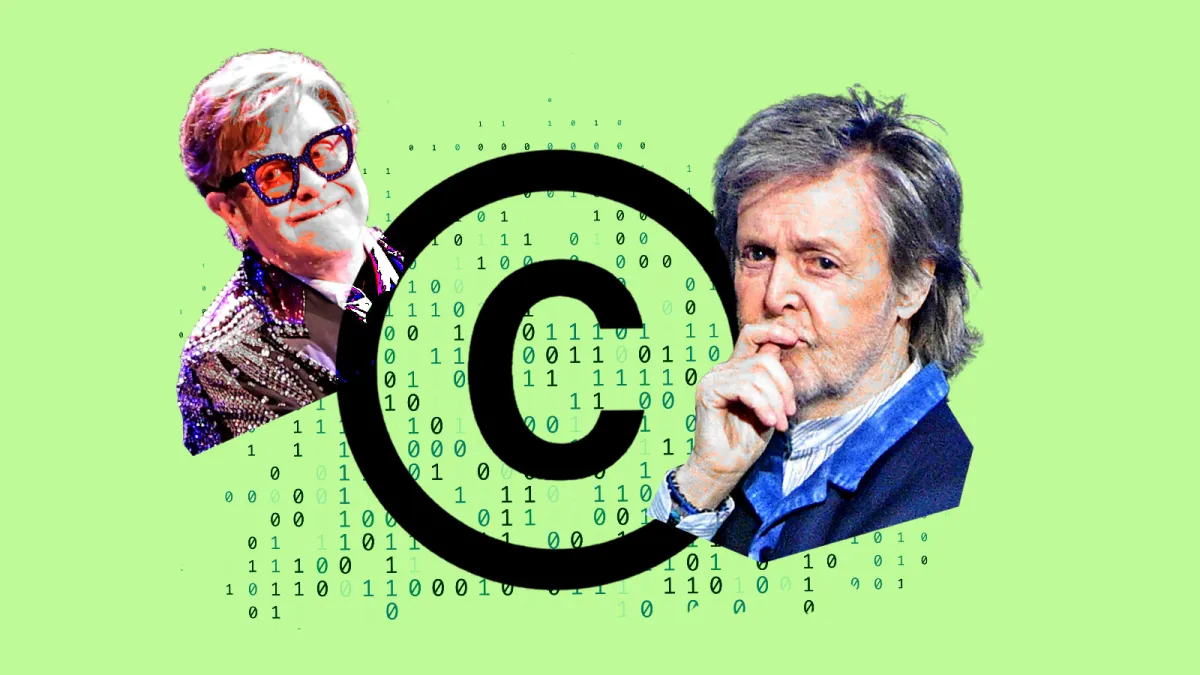
Ministers initially proposed reforming copyright law to boost the AI industry but were faced with a campaign of opposition led by Sir Elton John and Sir Paul McCartney, who accused the government of legalising the “theft” of creative works.
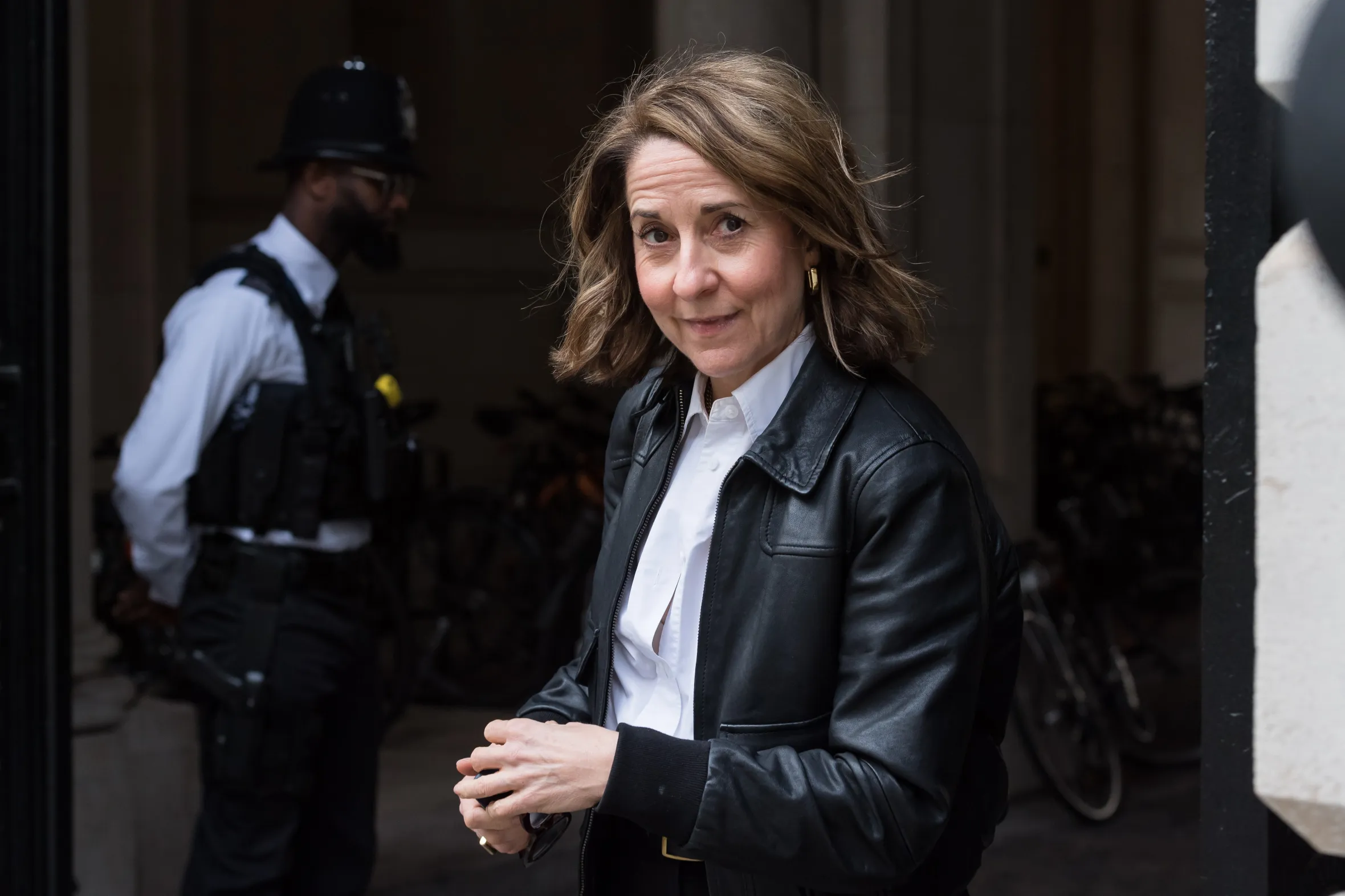
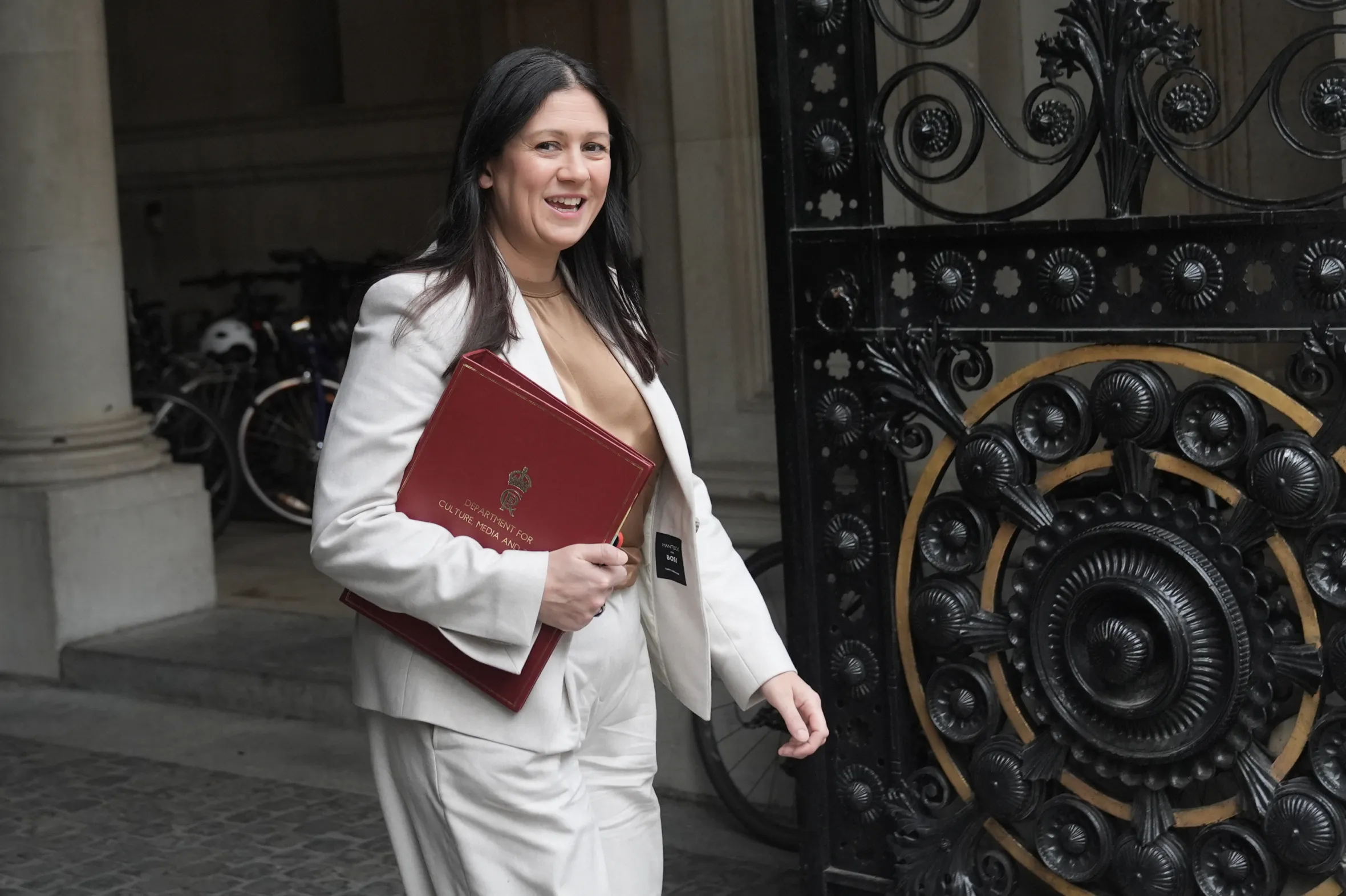
Liz Kendall, the technology secretary, and Lisa Nandy, the culture secretary, will update parliament on the issue on Wednesday.
 Harry Durrant/Getty
They are expected to ditch an “opt-out” policy which would have allowed AI companies to train software on copyrighted works unless the rights holder removed their consent.
Nandy told peers in January that “at the moment we do not have a workable opt-out proposal on the table”.
Creatives argued that it was practically and technically difficult to opt out, especially as AI companies do not reveal what data is in their systems.
The policy received support from only 3 per cent of respondents to the government’s consultation.
Both Nandy and Kendall are opposed to a “commercial copyright exception” for AI companies. This would have allowed the firms to take copyrighted works without permission during software development, but required them to pay rights holders when they wanted to commercialise the product.
The Lords Communications and Digital Committee last week called for the exception to be ruled out, saying it would weaken copyright protection and was neither “necessary or desirable”.
That leaves the government’s plans at an impasse, with ministers not expressing a preference for any policy option.
There are no plans for legislation in the King’s Speech, expected in the spring, which covers the parliamentary session for the next 12 months.
The tech industry said the UK had “the worst copyright regime for AI training of any major economy”.
The apparent stalemate is part of a wider pause on AI regulation. Any reforms would have formed part of an AI bill to develop safety laws for the most advanced AI technology. However, this did not make the last King’s Speech amid disquiet from the Trump administration about the regulation of US companies.
Opposition parties called it “kicking the can down the road”. Whitehall sources pushed back at that characterisation, saying it is worse to devise a solution for political expediency that does not stand the test of time.
Officials point out that the EU and India have had to revise their proposed reforms because of implementation issues.
Kendall and Nandy are also expected to say that further work will be done on ensuring that AI companies are more transparent about what is in their data sets.
The ministers told parliament in January that they were committed to legislating on the issue, although tech companies are resistant for commercial reasons.
Creative industries believe that more detail will emerge on Wednesday regarding proposed image or personality rights, which would enable actors, musicians and artists to control the exploitation of their likenesses and protect against deepfakes.
Matthew Sinclair, the senior director of the Computer and Communications Industry Association UK, a tech lobby group, said: “Ministers have put enormous weight on the role of AI in their plans for the UK economy. Those plans will simply not be credible if the government takes the worst copyright regime for AI training of any major economy and makes it even worse.
“It is disappointing that the UK will continue to lag behind Japan, the EU, and the United States, which are all providing the flexibility and protection needed to support AI investment and economic growth.”
Victoria Collins, the Lib Dem technology spokesperson, said: “The government has finally realised what the Liberal Democrats, and everybody else already knew, that any attempts to sign away the rights of Britain’s world-leading creative sector simply will not work.
“It’s a shambles that so much animosity was created by the government’s handling of this. It led to creatives and tech being pitted against each other, where these are two great British exports and should be treated as such. The government must now ensure fair licensing deals between AI and creatives.”
