


Support CleanTechnica’s work through a Substack subscription or on Stripe.
The Solutions Project is a nonprofit philanthropic foundation that funds and amplifies the stories of grassroots climate organizations, most of which are led by women and people of color. The Project practices Solidarity Philanthropy, centering equity and justice at the heart of grant-making. They’ve invested $50 million+ in grants to over 350 grantees – mostly led by women of color — and co-created three ecosystem funds, including the Justice 40 Accelerator and Fund for Frontline Power to strengthen frontline leadership and innovations.
By centering the people most impacted by climate change, the Solutions Project celebrates frontline climate justice leaders and makes their work visible. As a result, their grantees’ Black-led climate solutions across the US are making real inroads.
Here are a few of the Solution Project stories.
New Alpha Community Development Corporation is spearheading climate resilience projects in Florence and Britton’s Neck, South Carolina. New Alpha is run by Rev. Leo Woodberry, pastor of Kingdom Living Temple. In 2020, New Alpha installed hydropanels — solar panels that produce fresh drinking water from sunlight and air — at the church in response to the city’s water quality issues. Citizens experience boiling water alerts several times a year.
On Earth Day 2023, New Alpha launched the South’s first environmental justice training center, which holds climate resilience classes such as how to grow your own food and pollinator gardens. The property features its own pollinator garden and set of hydropanels as well.
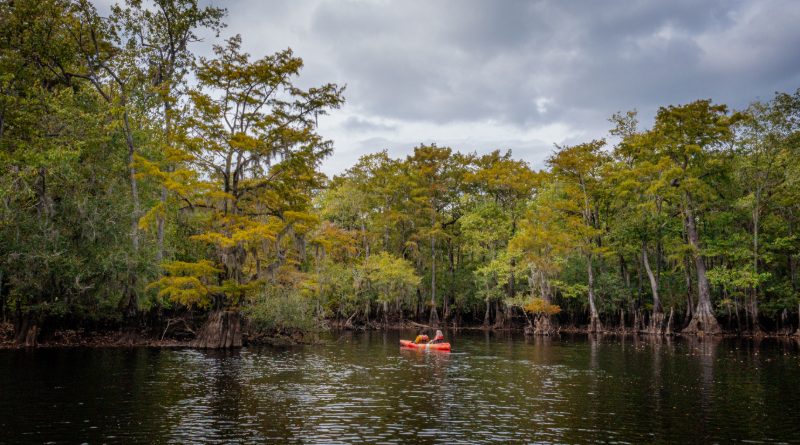
Last year, New Alpha and its partner, the Dogwood Alliance, purchased Freedom Land, a 305-acre property along a scenic river that will serve as a community hub of forest conservation, ecotourism, and outdoor recreation. The property is named in honor of the Britton’s Neck residents whose ancestors were enslaved there.
Reverend Woodberry explains why the New Alpha Community Development Corporation is integral to the community’s vision.
“We’re focused on climate-smart community economic development that involves both protecting nature and adopting some of the most sustainable technologies available. By creating jobs in the outdoor recreation and green energy sectors, we’re promoting economic growth in a way that supports a healthy climate and healthy communities. In the coming years, our region will look like a hub of ecotourism powered by clean renewable energy.”
West Street Recovery recognizes how, when homes are repeatedly flooded, communities must take matters into their own hands. Formed in response to Hurricane Harvey, West Street Recovery helps repair and clean—including removing mold—from homes that have been damaged by flooding and storms.
In Northeast Houston, communities of color have long battled severe flooding and toxic pollution, worsened by the climate crisis and neglected infrastructure. Residents’ health and homes have paid the price. Through tireless organizing and collaborative research, West Street Recovery exposed the systemic inequalities that made their neighborhood more vulnerable than others. In 2023, the group successfully lobbied Houston to commit to improving outdated drainage systems in the neighborhood that contributed to worsening flooding conditions.
For 20 years, Urban Tilth has transformed vacant land in North Richmond into thriving green space — distributing thousands of pounds of fresh produce annually through programs like Free Farm Stand, Veggie Rx, and their sliding-scale CSA. Urban Tilth inspires, hires, and trains local residents to cultivate agriculture, feed neighbors, and restore relationships to the land. Together, these build a more sustainable food system within a just and healthier community. Urban Tilth also offers workshops and programs for youth to develop skills, with the overall emphasis on health and wellbeing.
Reclaiming their ancestors’ wisdom in agricultural and community organizing, the Urban Tilth farm is an ambitious demonstration project of climate resilience, a Just Transition to a regenerative economy, and liberation for Black and people of color communities. The organization is in the middle of a transformative five-year, $28 million project to build out the farm infrastructure, educational and community buildings, and a climate resiliency hub that will serve as a home base to nurture the future their community wants and needs.
PUSH Buffalo runs the Sustainable Workforce Training Center, which trains workers on how to build net-zero, green energy homes in the community. The center itself is net-zero and powered by on-site solar energy and geothermal heating and cooling. Their Hiring Hall trains and places workers in the construction, renewable energy, and energy efficiency sectors. It also serves as the employer-of-record and assumes responsibility for workforce recruitment, screening, hiring, management, and administration.
The training center furthers PUSH’s mission to help meet climate and energy standards of the Climate Leadership and Community Protection Act (CLCPA), New York’s nation-leading climate law. It stands to increase access to clean energy-related job training and opportunities for members of BIPOC and disadvantaged communities.
Sustainable Square Mile is being planned in for the heart of Chicago’s South Side. Naomi Davis is pioneering the creation of the Sustainable Square Mile — a walk-to-work, walk-to-shop, walk-to-learn, and walk-to-play village where African Americans own the businesses, own the land, and live the “conservation lifestyle.” It’s a vision where households produce their own energy, grow their own food, clean their own water, and recycle their own waste.
The “Sustainable Square Mile Handbook,” developed in collaboration between Blacks in Green (BIG) and the Natural Resources Defense Council (NRDC), serves as a comprehensive manual for establishing such eco-friendly urban neighborhoods. The handbook outlines eight core principles of green-village building, addressing key aspects such as community engagement, economic resilience, and environmental sustainability. It offers detailed guidance on promoting conservation lifestyles that emphasize a personal connection to the land and a renewed cultural history of stewardship.
In Highland Park, Michigan, the nonprofit Soulardarity is installing solar-powered streetlights to replace the traditional streetlights that were repossessed by the utility DTE in 2011. More than a dozen have been installed, with 48 more on the way.
Soulardarity works from the position that solar street lighting empowers communities through sustainable, cost-effective, and reliable illumination of public spaces. These solar-powered streetlights enhance safety, making streets and neighborhoods safer for residents, pedestrians, and motorists. By extending the hours of operation for businesses and public services, solar street lighting contributes to economic development and creates a more vibrant community.
Additionally, it reduces cumulative environmental impacts by decreasing the reliance on conventional energy sources like fossil fuels. This approach further empowers communities to take control of their energy needs while fostering a sense of environmental responsibility.
Resources
“Neighborhood solutions to Houston’s urban flood crisis: West Street recovery.” Solutions Project. 2026.
“Powering a renewable future with good jobs: PUSH Buffalo.” Solutions Project. 2026.
“Sustainable, healthy, and just local food systems: Urban Tilth.” Solutions Project. 2026.
“The sustainable square mile.” Just Communities. 2026.
Soulardarity. 2026.
“Sustainable workforce training center.” PUSH Buffalo. 2026.
“The North Richmond farm project.” Urban Tilth. 2026.
“Walking into the future: Chicago’s sustainable square mile, Black’s in green.” Solutions Project. 2026.
Sign up for CleanTechnica’s Weekly Substack for Zach and Scott’s in-depth analyses and high level summaries, sign up for our daily newsletter, and follow us on Google News!
Have a tip for CleanTechnica? Want to advertise? Want to suggest a guest for our CleanTech Talk podcast? Contact us here.
Sign up for our daily newsletter for 15 new cleantech stories a day. Or sign up for our weekly one on top stories of the week if daily is too frequent.
CleanTechnica uses affiliate links. See our policy here.
CleanTechnica’s Comment Policy
