


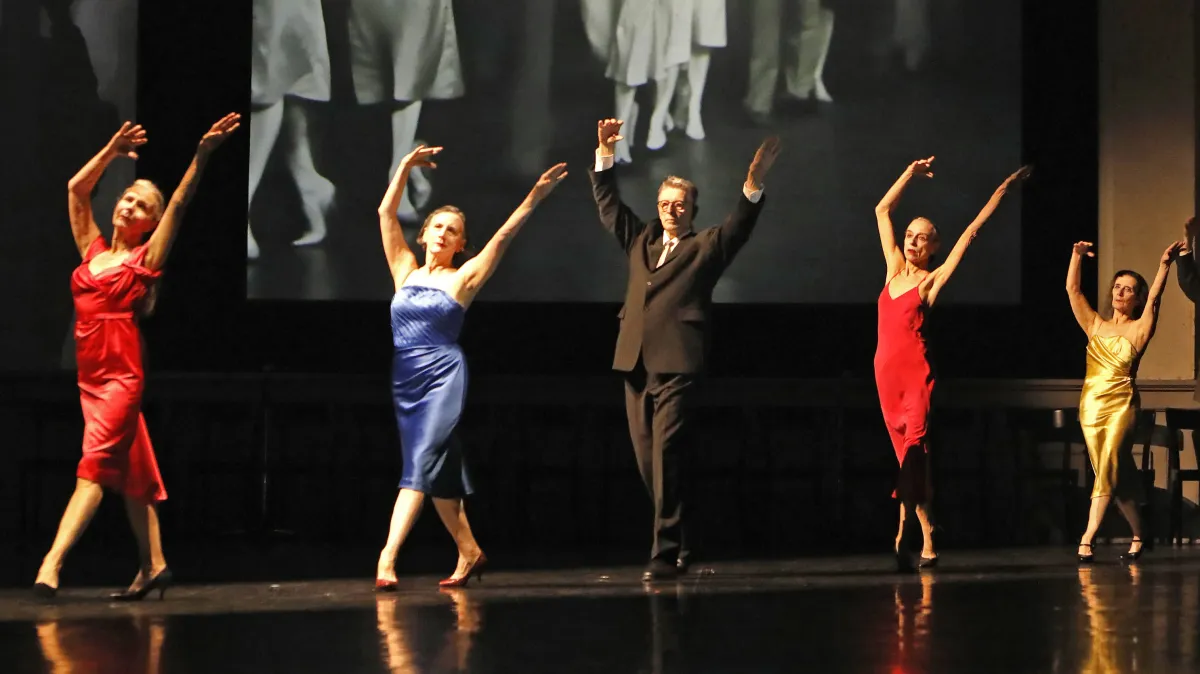
One of the hardest things about dancing at 71, Meryl Tankard says, is going without stilettos. “I loved them — I had the highest of all. They give you a great-shaped leg.” In her twenties the Australian danced with the Tanztheater Wuppertal company in Germany under the direction of its legendary founder, Pina Bausch. At 23 she performed in Bausch’s Kontakthof, a three-hour piece for 20 dancers, about men and women, desire and connection. Slinky satin dresses and heels definitely helped. “But it’s so tiny, that heel. And stilettos now are not made properly — in the Fifties and Sixties they were well made. Now it’s just a heel at the back and it puts your hip out.”
Nearly 50 years since that first performance in 1978, Tankard is getting the Kontakthof band back together. Now a choreographer, she has assembled nine of the dancers (including herself) and adapted the piece to synchronise with black-and-white film footage of their younger selves projected on to a giant screen behind them. Those twentysomethings are now seventy and eightysomethings who last year toured to standing ovations in Shanghai and Berlin. Next week they perform as part of Sadler’s Wells’ first Elixir Festival, devoted to work that challenges preconceptions about ageing. Sadler’s troupe of over-60s dancers, the Company of Elders, will also perform.
Bausch’s choreography is a mix of theatre and dance, making it less physically demanding than ballet — but still, how do you stay supple into your eighth or ninth decade? Speaking on a video call from her home in Sydney, Tankard says she swears by yoga and Pilates and tries to eat lots of protein and collagen powder (“I notice my nails get stronger”). The company travels with a sports physio, “but they’re pretty expensive”.
Instead Tankard has focused on adapting Bausch’s work: cutting the length in half and reducing the number of repetitions. “You have to go through so many emotions. As well as dance you’re running around the back and then doing this big diagonal [across the stage] — it’s exhausting.” In their twenties they ran the diagonal ten times; now it’s twice or not at all.
It was Bausch’s son Salomon who first suggested restaging Kontakthof with the original cast, because it had been an idea of his mother’s (Bausch died in 2009 aged 68). Tankard had to remind him that Bausch had suggested reviving it in 30 years’ time when people were in their fifties — not 45 years later. Inevitably some dancers were no longer alive or not fit enough.
What sold it to the dancers who joined her was seeing the original footage. “They look so beautiful. There was this sense of ‘oh wow!’” In the 1970s there were few photos taken. “We had one company photographer and she might show us six photos. So we didn’t actually know what we looked like and here we were, moving. It’s as if we got the energy from our younger selves.” The footage — taken by Bausch’s first husband, Rolf Borzik, hours and hours of it — was edited down to a tight 90 minutes by Tankard.
It’s a hard piece to perform, each step choreographed to match the movements on screen, which means that Tankard didn’t feel emotional until she had to sit one performance out. “I watched the dancers coming towards me and I just wanted to cry. There was something about their nobility — you could feel all of those years.” Every dancer has “lost at least 10 to 20 years doing this”, she says. “They just get stronger and smarter, remembering counts, working together in a group. It’s just the best thing.”
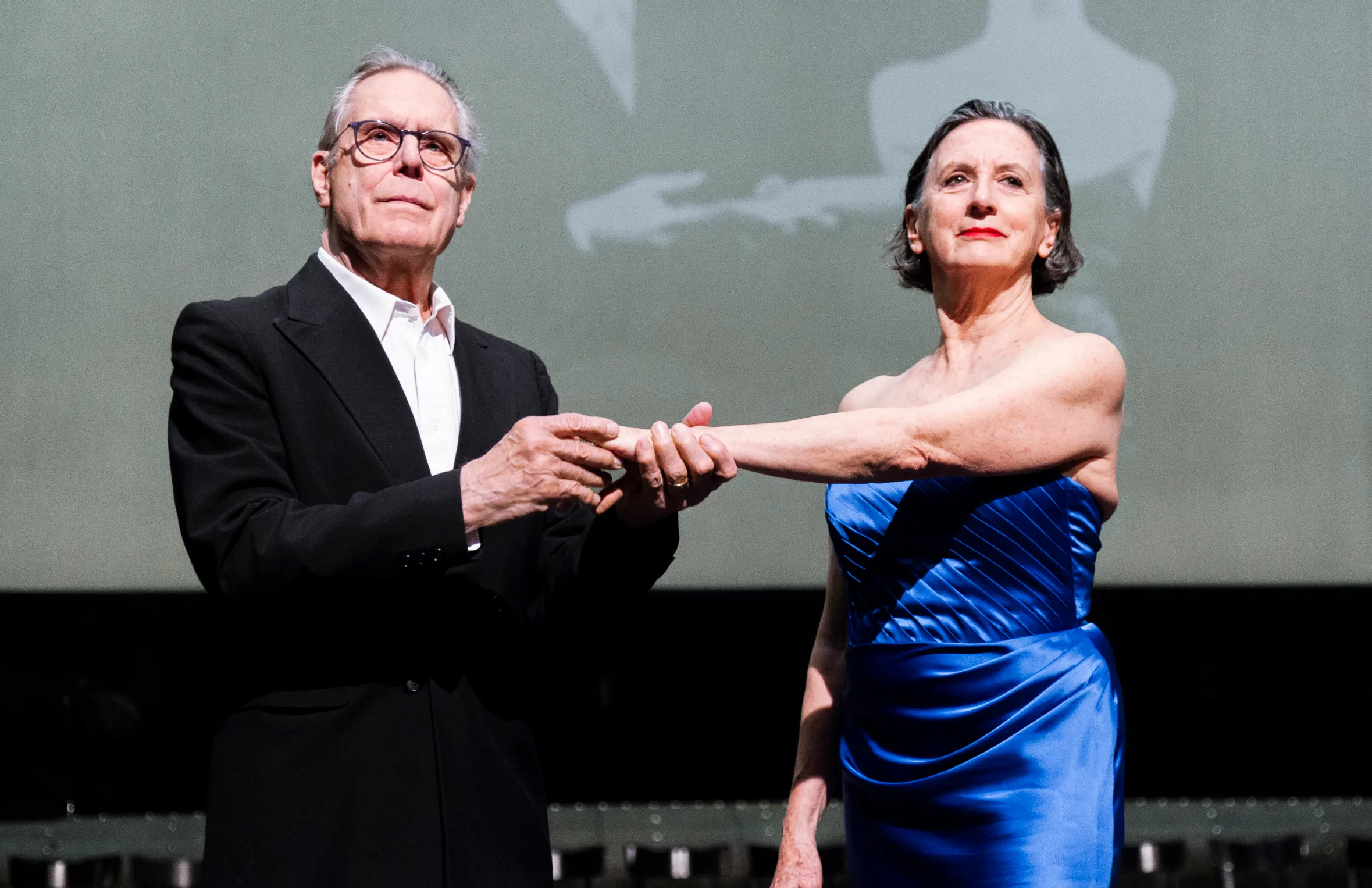
In the original Kontakthof the young dancers broke off to tell the audience about their love lives. Tankard wasn’t sure that still worked in their seventies and eighties, so this time they share three secrets. Hers are that she can’t sleep at night, is shy and sometimes wishes she were a mother. “Every now and again this wave comes over me: why didn’t I have children?”
Her fellow dancer Lutz Förster, 73, a dead ringer for both David Bowie and Samuel Beckett, confesses to being stubborn but that at the end of the day he always gives his boyfriend a kiss. This line brought the house down in Shanghai, Tankard says, and when I speak to Förster at his home in Essen, Germany, he agrees. A former director of Tanztheater Wuppertal, he has been performing Kontakthof for 30 years but has not seen a response like it: “People are in tears and cheering when they get up for the standing ovation. It’s not something that happens all the time.”
He was 4cm taller when he first danced the piece. “When I had my second hip replacement they measured me and I was [down to] 187cm. That’s just natural compression. Just two days ago I had an x-ray and my spine is a disaster. But I have an older brother who has many more problems. So it’s difficult to say, is this because you dance? I think some things are better because of it.” Förster cycles regularly and works out: “Not a muscle workout, more of a medical workout.”
Dancing with Bausch’s close-knit company in the late 1970s was “the most intense and wonderful working time of my life”, he says. “We went to class in the morning, danced until 2pm and then had something to eat. Then we continued from 6pm to 10pm, went to dinner, went to sleep and then again to class.”
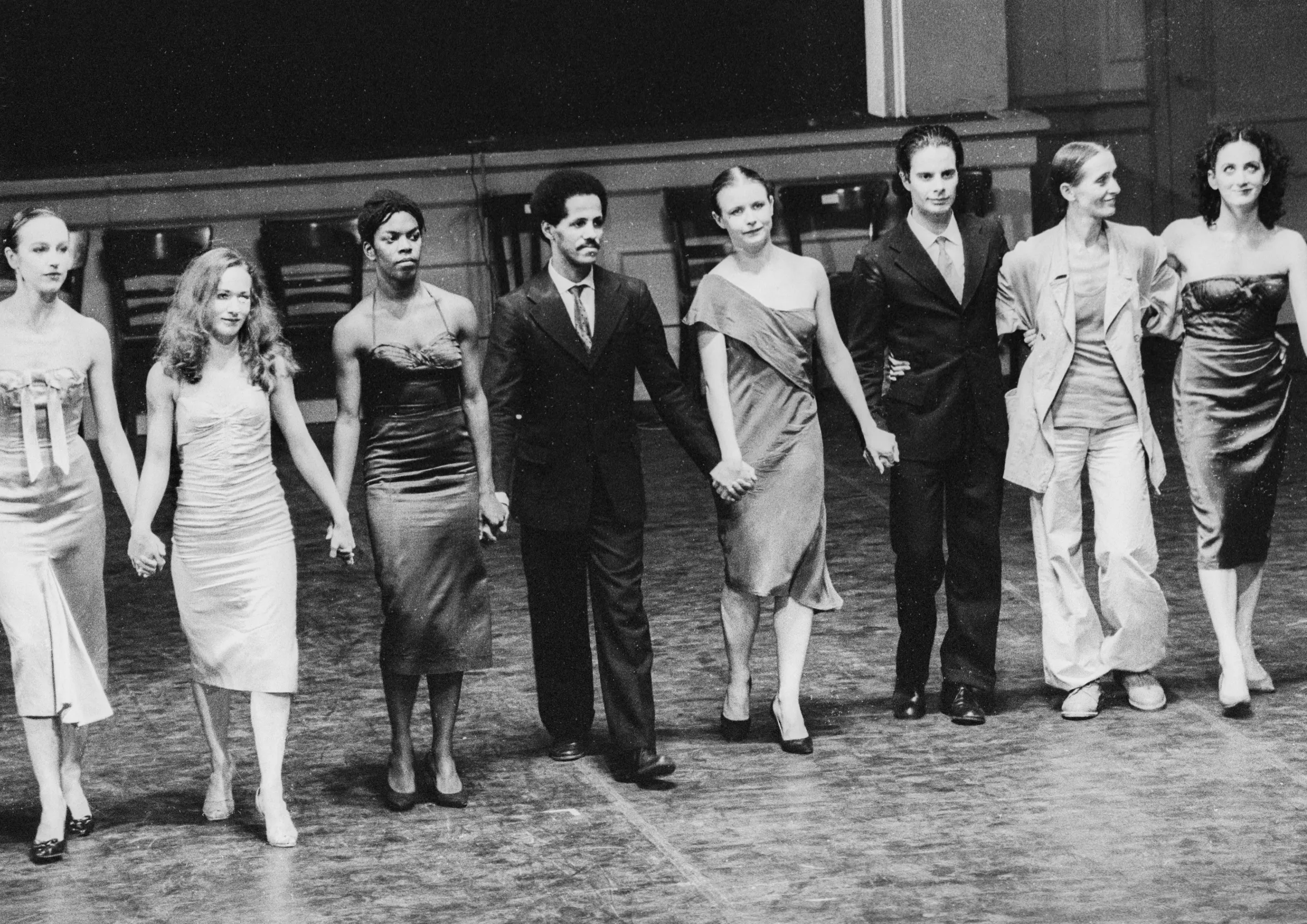
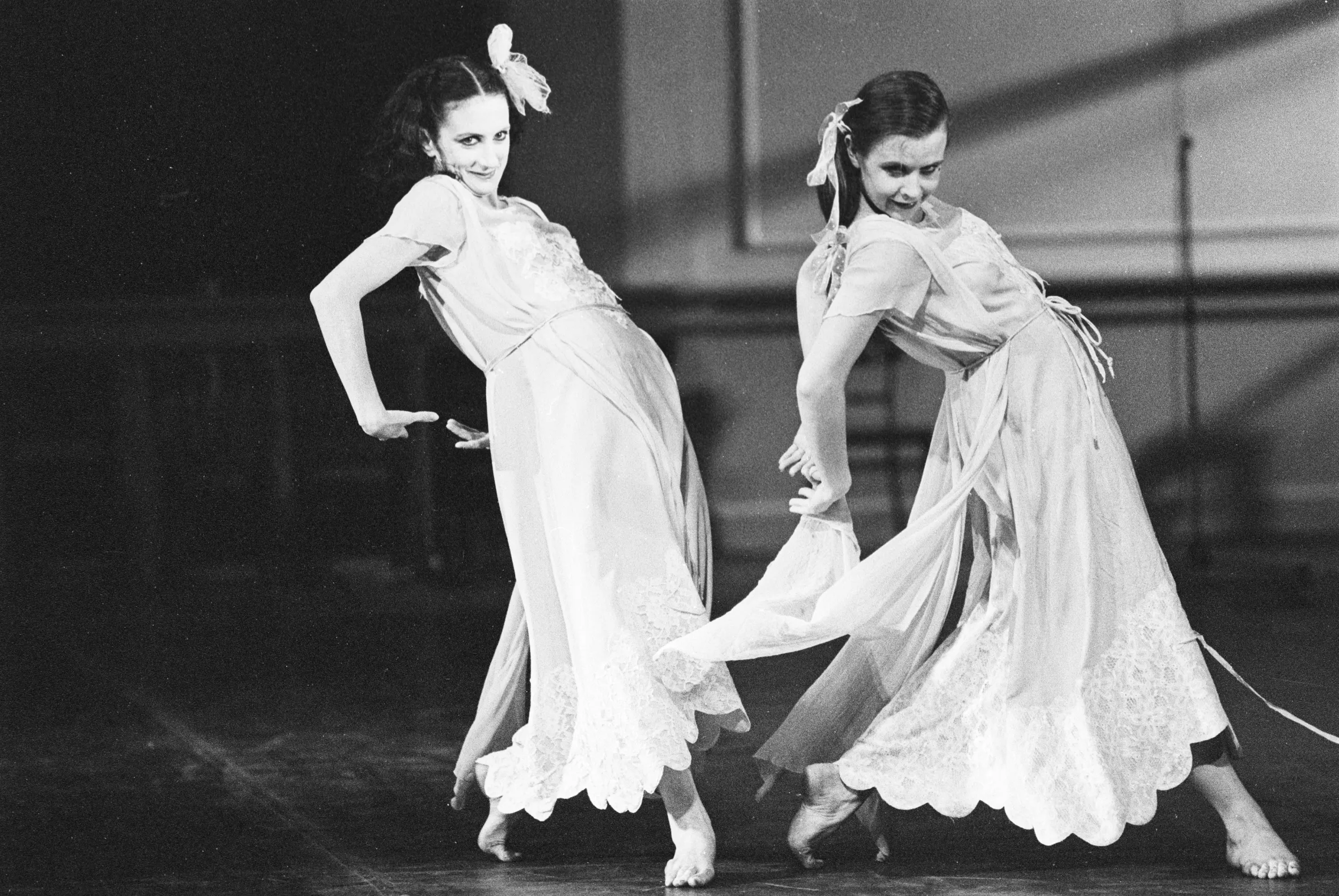
The initial response to Kontakthof was muted to negative. In 1978 Bausch had not long taken over and Wuppertal audiences preferred conventional ballet. Förster and Tankard remember the sound of people deliberately banging the door as they left in disgust. But word spread and audiences started travelling from further afield. “So it was not a disaster, but it was not a joy,” Förster says.
Performing alongside his 24-year-old self — a lean, loose figure in an outsize suit — has been an unqualified joy for him. The piece requires too much concentration to become nostalgic, he says. “We are checking our monitors to make sure we are completely in sync with our younger selves. Any emotion would be a disaster.” But that precision gives Kontakthof its power. “There’s another dimension to it now because of the people who are missing and only seen in the films. I wasn’t aware of the impact of these holes and that moved me very deeply.”
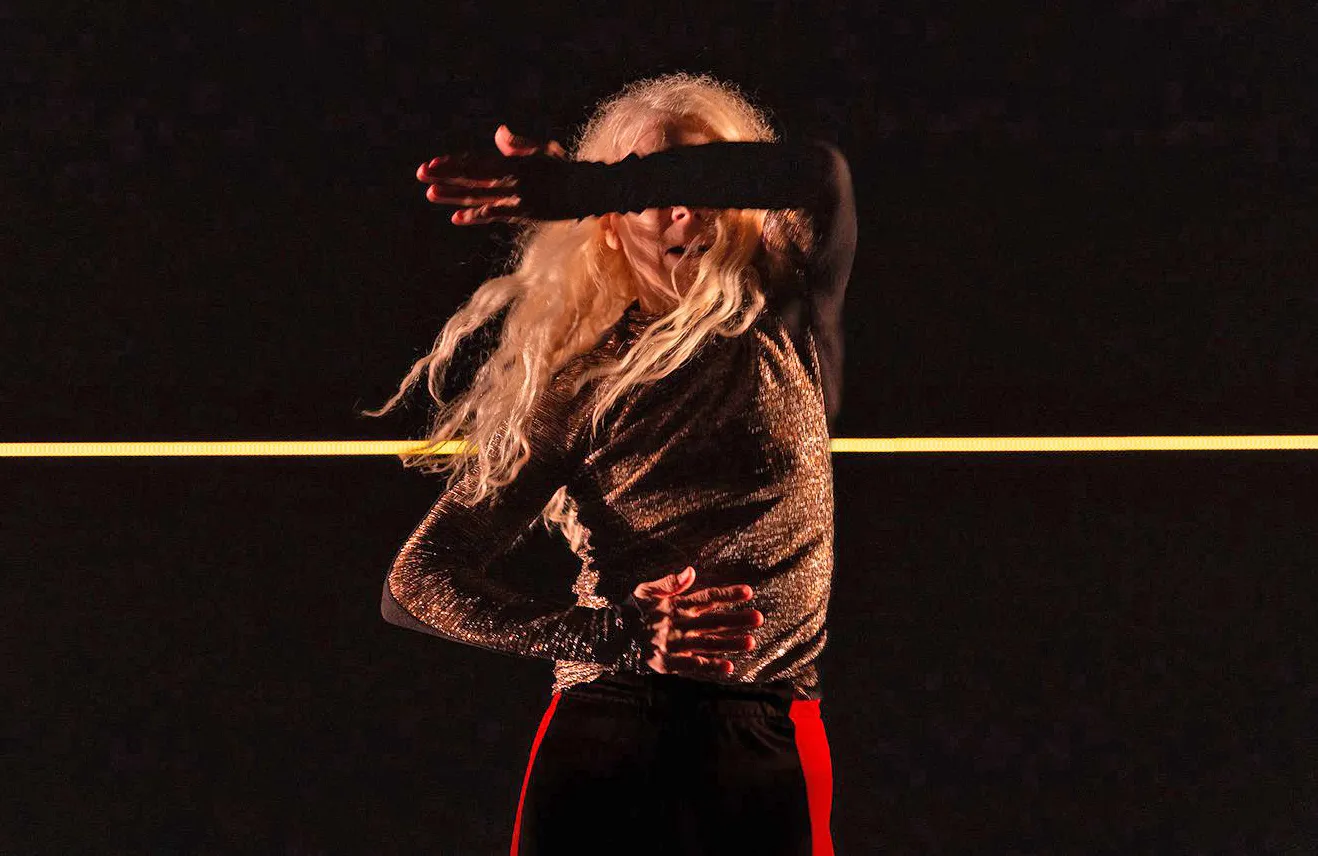
For the Canadian dancer Louise Lecavalier, 67 — who will perform a new solo work as part of the Elixir Festival a fortnight after Kontakthof — age is just a number. She injured herself all the time when she was a young dancer, she says, shrugging, on a call from Marseille, wearing a green tie-dye T-shirt. “Age was never interesting to me. When I was 20 I went to see somebody because I’d heard about the performance and wanted to see it. And now I don’t think in terms of how long I’m going to dance; I just take it one moment at a time.” Lecavalier had a hip replacement at 45 and is “still learning and improving”.
In the late Eighties Lecavalier performed with Bowie, executing her extraordinary mid-air barrel roll by leaping and spinning over his back, bossing the singer around the stage with her mane of peroxide hair. Today the hair looks the same but she is dismissive of those impossible jumps. “They were not bad, but now urban and hip-hop dancers do amazing stuff. I’m blown away by what they can do.”
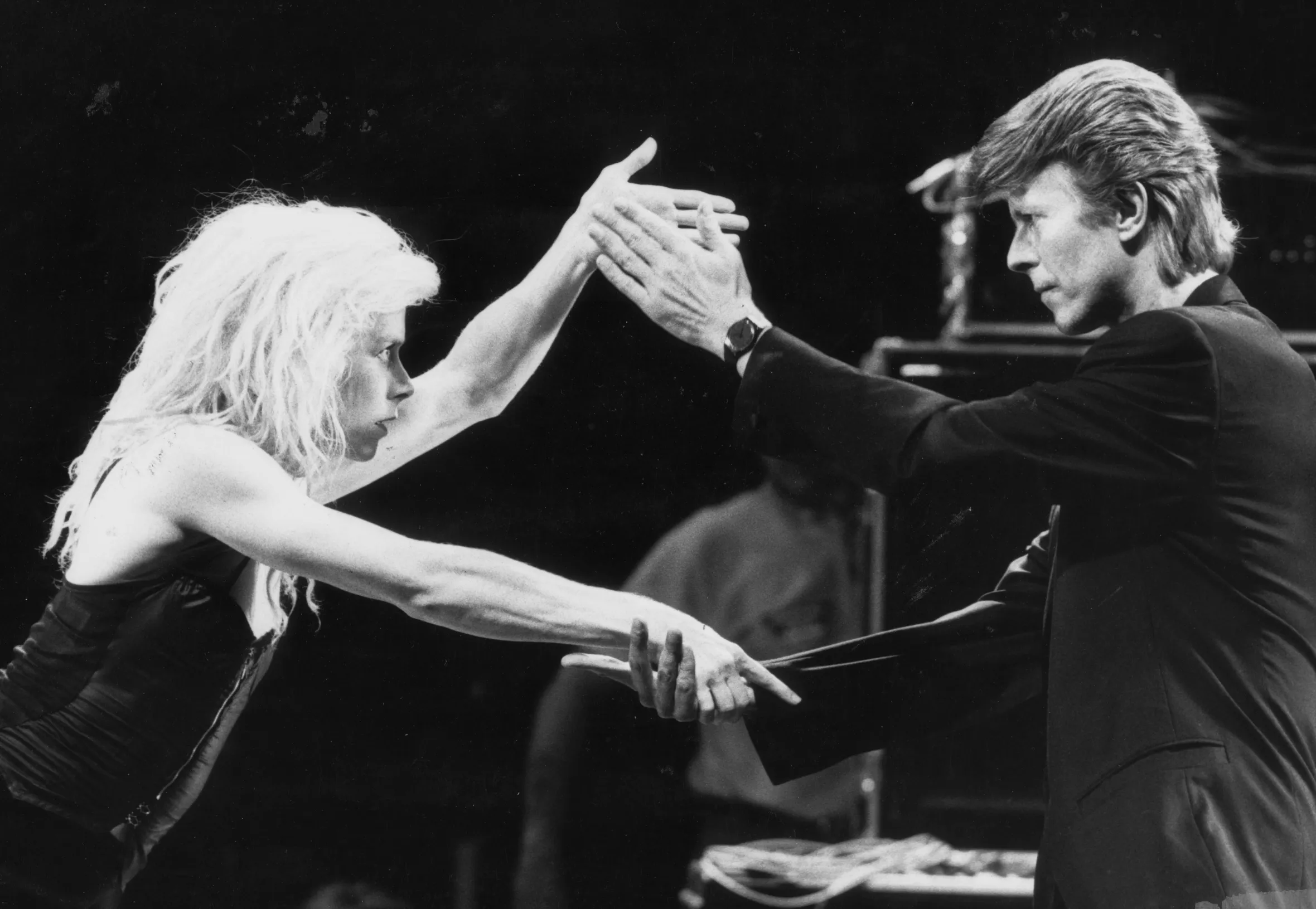
She first performed with Bowie at the ICA in London after he asked her company, La La La Human Steps, to choreograph for him. “It was very short and I didn’t do a big acrobatic thing with him. Then I was on standby in New York: we were supposed to dance together in the show [the 1990 Sound+Vision tour] but it was difficult for him. The stage was not flat, there were two hours of songs, so we kept some things on film and danced one live duet. I really enjoyed being with him.” Did Bowie know his contemporary dance? “He liked Pina Bausch because we spoke about her. And he wrote down some music I should listen to — I still have the list on a tiny piece of paper.” She is keeping the recommendations secret, though: perhaps they’re her secret to eternal youth.
Lecavalier’s latest piece was inspired by reading Carlo Rovelli’s book of essays Écrits vagabonds. “I thought, ‘OK, I’m going to do another show’ — it just needed a little fire to start it.” Like all her work it’s very physical, something she thinks stops an audience thinking about her age. “People don’t see my face unless they sit very close, so they don’t think, ‘Oh, she’s an old woman.’ It’s not like cinema where people have to get their faces fixed.”
There are no shortcuts for a dancer, no benefits to facelifts or Ozempic, and Lecavalier stays in shape with yoga, swimming and running up and down the stairs: “I do that a lot for stronger legs.” Does she have advice for over-60s wanting to dance again? Don’t expect a professional career, she says, and start slowly — “but there’s no time limit on deciding to dance. Pleasure is accessible to everyone.”
Tankard agrees. Teaching an older dance class is something she plans to do — not demanding ballet but something more structured. “Because it gives you confidence and that’s empowering. The happiness on people’s faces is very rejuvenating, isn’t it?”
Kontakthof — Echoes of ’78 is at Sadler’s Wells on Apr 7-8 and 10-11; Danses Vagabondes is at Sadler’s Wells East on Apr 25 and 27 Apr. Both are part of the Elixir Festival. sadlerswells.com
