

Amid Global Trade Realignment, India Pivots to BRICS-Led Supply Chain Strategy at 2nd Logistics Shakti Summit 2026 in New Delhi

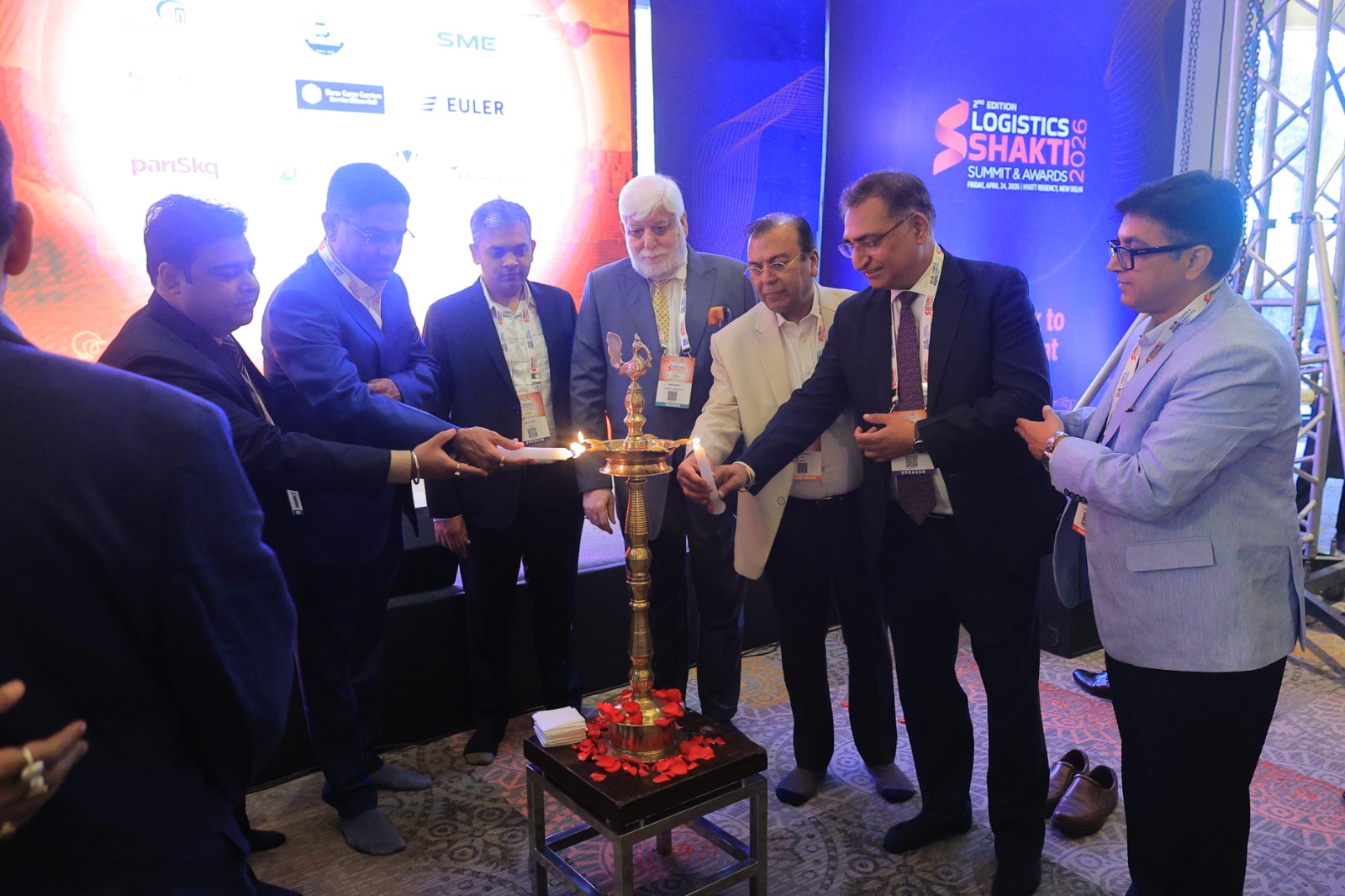
NEW DELHI: At a time when global trade routes are being redefined amid geopolitical disruptions and shifting economic alliances, India is stepping into a more central role in shaping the future of logistics and supply chains. This transition was reflected in the second edition of the Logistics Shakti Summit & Awards 2026, held at Hyatt Regency on Friday, which brought together senior policymakers, global representatives, and industry leaders under one platform.
Taking place during India’s BRICS Presidency, the summit was positioned against the backdrop of expanding BRICS influence and the increasing importance of emerging economies in global trade. Discussions were centred around the theme of building integrated trade corridors, strengthening supply chain resilience, enabling digital and paperless trade, advancing multimodal connectivity, and accelerating sustainable logistics practices.
The proceedings began with an inaugural ceremony and plenary session on “India’s Global Logistics Leap: Vision 2047 & Logistics 3.0,” outlining the country’s transition from fragmented logistics systems to a digitally connected, infrastructure-led ecosystem. The session brought together key voices from government and industry, including Ateesh Kumar Singh, alongside senior leaders from logistics, infrastructure, and manufacturing sectors. The opening also featured remarks from organisers and industry stakeholders, setting the context for a day of policy-led and industry-driven dialogue.
The summit’s agenda reflected the complexity of the current global supply chain environment. The first session on global geopolitics and trade architecture examined disruptions arising from conflict-affected supply chains and explored how India and BRICS economies could navigate these challenges through new-age trade corridors and cross-border partnerships. The discussion included participation from policymakers, industry leaders, and international representatives, including officials linked to the Russian Federation’s trade ecosystem. A sustainability-focused session followed, addressing the transition towards net-zero logistics. Industry participants discussed the role of renewable energy, decarbonisation strategies, and ESG frameworks in reshaping logistics into a more resilient and environmentally aligned sector.
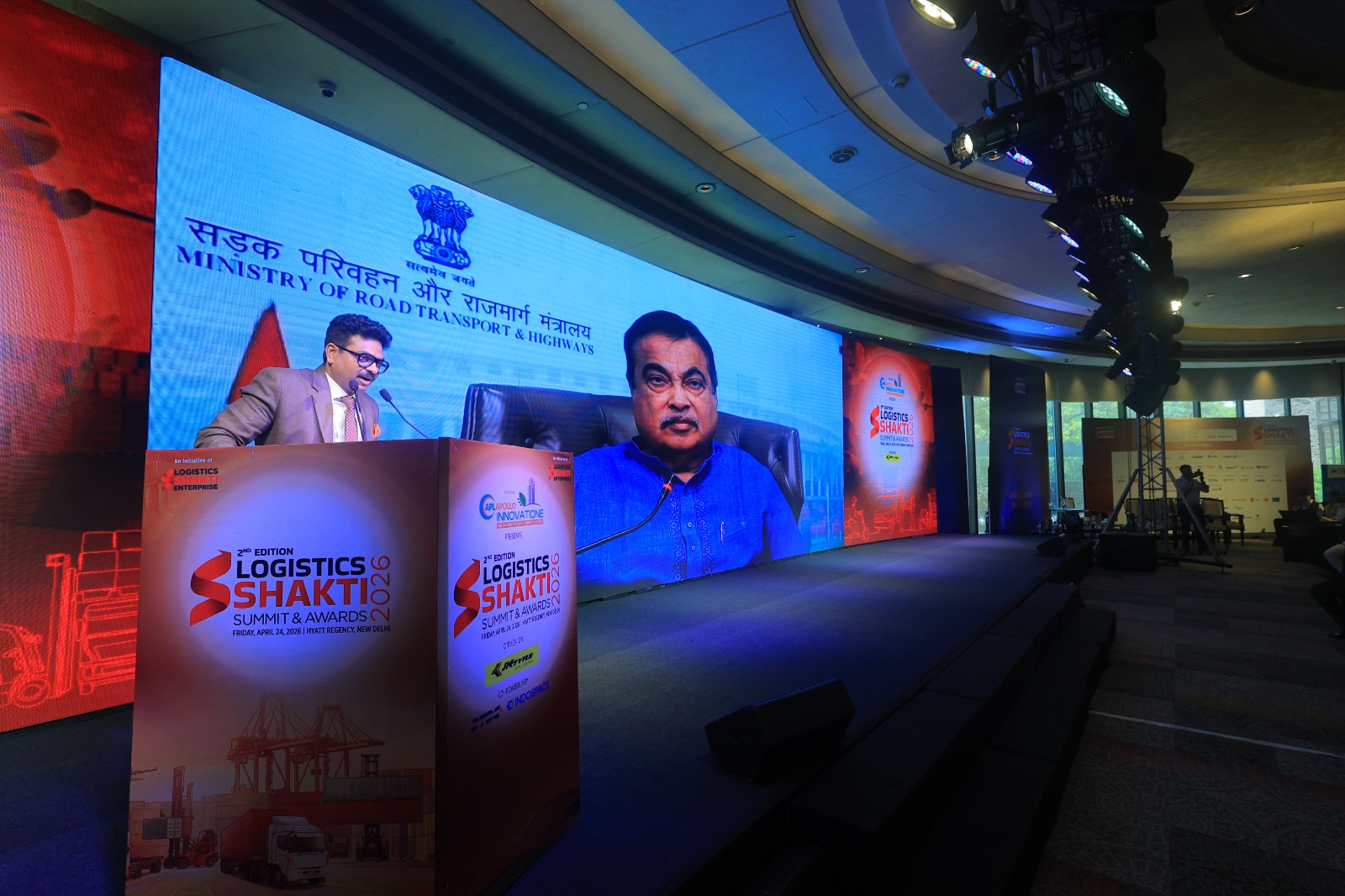
A key highlight of the summit was the address by Nitin Gadkari, Hon’ble Union Minister for Road Transport and Highways, Government of India, during which he said, “ “We have set a clear target to bring down India’s logistics cost from 14–16% to a single-digit 9%. With an investment of ₹1 lakh crore in multi-modal logistics infrastructure, where every ₹100 invested can generate ₹321 in GDP impact, we are transforming connectivity across the country. Projects that once took 9 hours are now completed in just 2.25 hours, reflecting our commitment to speed and efficiency. Guided by the 4 pillars of speed, scale, sustainability, and smart technology, we are also accelerating the shift towards EVs, biofuels, and hydrogen to power the future of logistics. Our focus is to reduce costs, improve ease of movement, boost exports, generate employment, and position India as a global logistics hub, accelerating our journey towards a $5 trillion economy.” “
Post-lunch sessions focused on sectoral transformation and future readiness. A special focus discussion on cargo-first aviation examined the need for India to build dedicated air freight capacity to support exports, manufacturing, and e-commerce, marking a shift from reliance on passenger aircraft cargo space to purpose-built logistics infrastructure.
Another session explored India’s emergence as a global supply chain workforce hub, highlighting the country’s growing role in providing skilled manpower across logistics, warehousing, ports, and digital supply chains. The discussion underscored the importance of skilling, certification, and workforce mobility in strengthening India’s global positioning. The summit also featured a series of partner presentations, roundtables, and industry interactions, including a dedicated roundtable on express logistics and discussions around startup growth and innovation pathways. A fireside conversation on the “Logistics Unicorn Playbook” examined the journey from early-stage ideas to scalable enterprises within the sector.
Technology remained a key focus area, with a session on AI, automation, and digital platforms bringing together leaders from digital infrastructure and startup ecosystems to discuss how intelligent systems are transforming supply chain management. The summit also saw the launch of a drone-based logistics prototype, highlighting the growing role of emerging technologies in redefining logistics operations.
Ramdas Athawale, Minister of State for Social Justice & Empowerment, Government of India, said, “The logistics sector is one of the largest employment generators, particularly for semi-skilled and skilled workers. Strengthening this sector through formalisation, skilling, and better working conditions will not only improve efficiency but also contribute to inclusive growth and social equity.”
From the industry perspective, Amit Shankhdhar, Co-founder, Logistics Shakti Enterprise, stated, “The sector is at an inflection point where policy intent, infrastructure investments, and private sector innovation are converging. The focus now needs to be on execution, building scalable models, improving service reliability, and ensuring that India’s logistics ecosystem is aligned with global standards in terms of cost, speed, and transparency.”
Sarvam Shukla, National Head Industry, Apollo Innovatione, added, “Technology adoption in logistics is moving beyond pilots to large-scale implementation. Whether it is AI-driven demand forecasting, automation in warehousing, or digital platforms for visibility, the challenge now is integration across the value chain to create end-to-end efficiency rather than isolated improvements.”
The summit also included the Logistics Shakti Rising Ecosystem Partners Awards and Frontline Ambassadors Awards, recognising contributions across the sector, followed by the Logistics Shakti Awards 2026 in the evening. These awards honoured achievements across logistics infrastructure, sustainability, technology adoption, and workforce excellence, including recognition of frontline workers who play a critical role in maintaining supply chain continuity.
As global supply chains continued to undergo realignment, the discussions at the summit reflected a broader shift in which India is increasingly being seen not just as a participant but as a key architect of future trade and logistics frameworks.
