


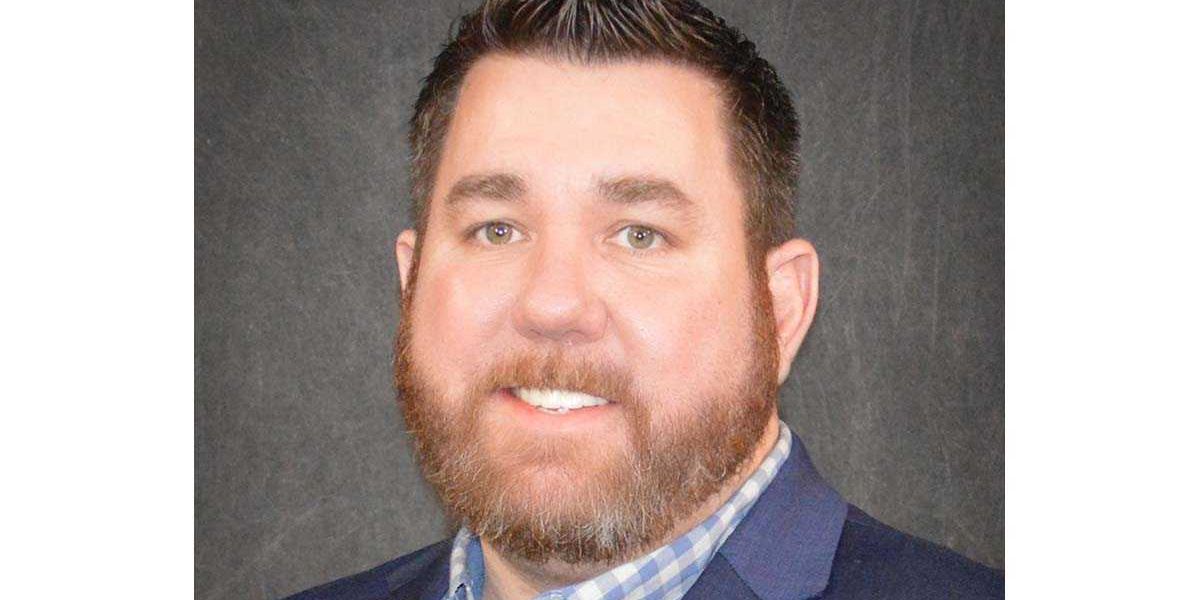
Brad White serves as director of safety and compliance at transportation and logistics giant Werner Enterprises, where he works closely with the Nebraska-based carrier’s Dedicated and One-Way divisions. Though he was appointed to his current position in 2024, White is hardly new to the company. He began his career with Werner in 2010 as a hotline safety specialist working overnight in the 24/7 driver support call center.
In his current role, White also serves as a subject matter expert on the Federal Motor Carrier Safety Administration (FMCSA) as well as hazardous materials regulations. He is Werner’s designated employer representative for drug and alcohol testing and for the Customs and Trade Partnership Against Terrorism (C-TPAT).
White obtained a Class A commercial driver’s license in 2010, which he still holds today. He is also active with the Young Emerging Leaders, the Nebraska Trucking Association, and the Down Syndrome Alliance of the Midlands.
Q: What brought you to a career in trucking safety and compliance?
A: I’ll admit, entering the safety and compliance field started as a leap of faith. However, what began as a new career path quickly became a passion. I realized that beyond the regulations, knowing I can make an impact is what has kept me motivated. I thrive on the challenge of navigating complex problems to find practical solutions. The human element and having the opportunity each day to provide coaching and assistance is the best part of the job.
Q: Trucking firms are constantly looking for qualified drivers. How important is it to have good screening programs, including drug and alcohol testing, when hiring?
A: You hit on the most critical piece of the puzzle: finding qualified drivers. A name on an application is just a starting point. To truly understand who you’re bringing into your fleet, you need a process that looks beyond the surface. At Werner, we’ve taken a proactive stance. We aren’t doing just the basic required drug screens; we’ve implemented hair testing to give us a much broader historical look back.
It’s not about making things difficult; it’s about having the best tools available to ensure we’re putting the safest professionals behind the wheel. The real “win” for the industry will come when we can share these results through the FMCSA’s Drug and Alcohol Clearinghouse. When we all benefit from that level of transparency, it raises the bar for everyone.
Q: You also work with the Customs-Trade Partnership Against Terrorism (C-TPAT). Could you tell me about the importance of this work?
A: Supply chain security is a massive puzzle and definitely keeps things interesting. We’ve been a C-TPAT carrier since 2003, long before my time, and it is just a part of our DNA at this point. With our history in Mexico, we know that moving freight across the border smoothly really comes down to trust and solid processes. Being a C-TPAT–validated carrier is how we show our customers that we take that responsibility seriously.
Q: Because they’re constantly moving around the country, truckers are a valuable weapon in the fight against human trafficking. How do you train your drivers to recognize the signs of trafficking?
A: Human trafficking is a tragic reality, and because drivers are logging millions of miles a day, they are in a unique position to notice things that others may miss. We’ve partnered with Truckers Against Trafficking (TAT) since 2015 to use their training to ensure our team has the right tools to recognize the warning signs.
For us, it is more than a training video; it is also about making action easy. We’ve integrated the National Human Trafficking Hotline phone number directly into our Drive Werner Pro mobile app so if we see something suspicious, it can quickly be reported.
I also had the privilege of serving on the DOT’s Advisory Committee on Human Trafficking, where we were able to share what we’ve learned and provide recommendations to help the whole industry join the fight. At the end of the day, our drivers are the eyes and ears of the nation’s highways, and we’re incredibly proud of the role they play in helping put an end to this crime.
Q: You volunteer your time with the Down Syndrome Alliance of the Midlands. Why is helping your community important to you?
A: On Sept. 28, 2018, my wife and I were blessed with a beautiful daughter who was diagnosed with Down Syndrome at birth. Like any parents in those early days, we [had] a lot of questions along with the health concerns that often come with that diagnosis. The Down Syndrome Alliance (DSA) of the Midlands was there for us from the start, providing the information and community we needed to navigate the “club” we had just joined.
Now, seven years later, we have a happy, healthy first-grader who is the light of our lives. For my wife and me, volunteering isn’t just about giving back; it’s about advocacy and reciprocating that incredible support we received from our family, friends, and the DSA. We want to be that same resource for others among the “chosen few” who are starting their own journeys. It’s a reminder that whether it’s in the trucking industry or our own neighborhoods, we’re all at our best when we’re looking out for one another.
