

Smart Meter Refund Explained: What Happens to Your Prepaid Balance After UP Rollback – Indian PSU

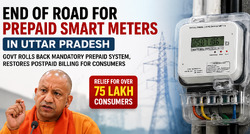
In the wake of the prepaid smart meter rollback in Uttar Pradesh, one question is dominating consumer concerns: What happens to the money already recharged in prepaid meters?
The answer is clear—your money is safe, but it won’t come back as a direct refund.
Instead, electricity distribution companies (DISCOMs) will adjust the prepaid balance against future postpaid bills, ensuring that consumers do not lose any amount already paid.
No Refund, Only Adjustment
For the majority of consumers, there will be no direct bank refund. The prepaid amount will be treated as a credit balance and automatically deducted from upcoming electricity bills.
For example, if a consumer has ₹3,000 remaining in their prepaid account and their monthly bill is ₹1,000, they will not need to pay for the next three billing cycles.
Refunds will only be considered in exceptional cases such as permanent disconnection or account closure.
Transition to Postpaid Billing
With the rollback of mandatory prepaid smart meters, consumers will now receive monthly electricity bills instead of having to recharge in advance.
Smart meters will continue to operate, but in postpaid mode, eliminating the need for frequent recharges and reducing the risk of sudden power cuts.
Security Deposit Recovery
In cases where security deposits were refunded or adjusted under the prepaid regime, DISCOMs will now recover these amounts in four instalments, easing the burden on consumers.
What Consumers Should Watch
Consumers are advised to carefully review their first postpaid bill to ensure:
- Correct reflection of prepaid balance adjustment
- Proper billing cycle calculation
- Instalment deductions, if applicable
Any discrepancies should be reported through DISCOM helplines or special grievance camps being organised across the state.
Why This Matters
The move not only restores consumer confidence but also addresses one of the biggest concerns around prepaid smart meters—lack of transparency in balance and billing adjustments.
By shifting to postpaid billing while retaining smart infrastructure, the state aims to balance technology adoption with consumer convenience.
