

AI-Powered Mobility to Transform Kashi: Varanasi to Get Smart Crowd Management, Digital Wayfinding, and Predictive Traffic Solutions – Indian PSU

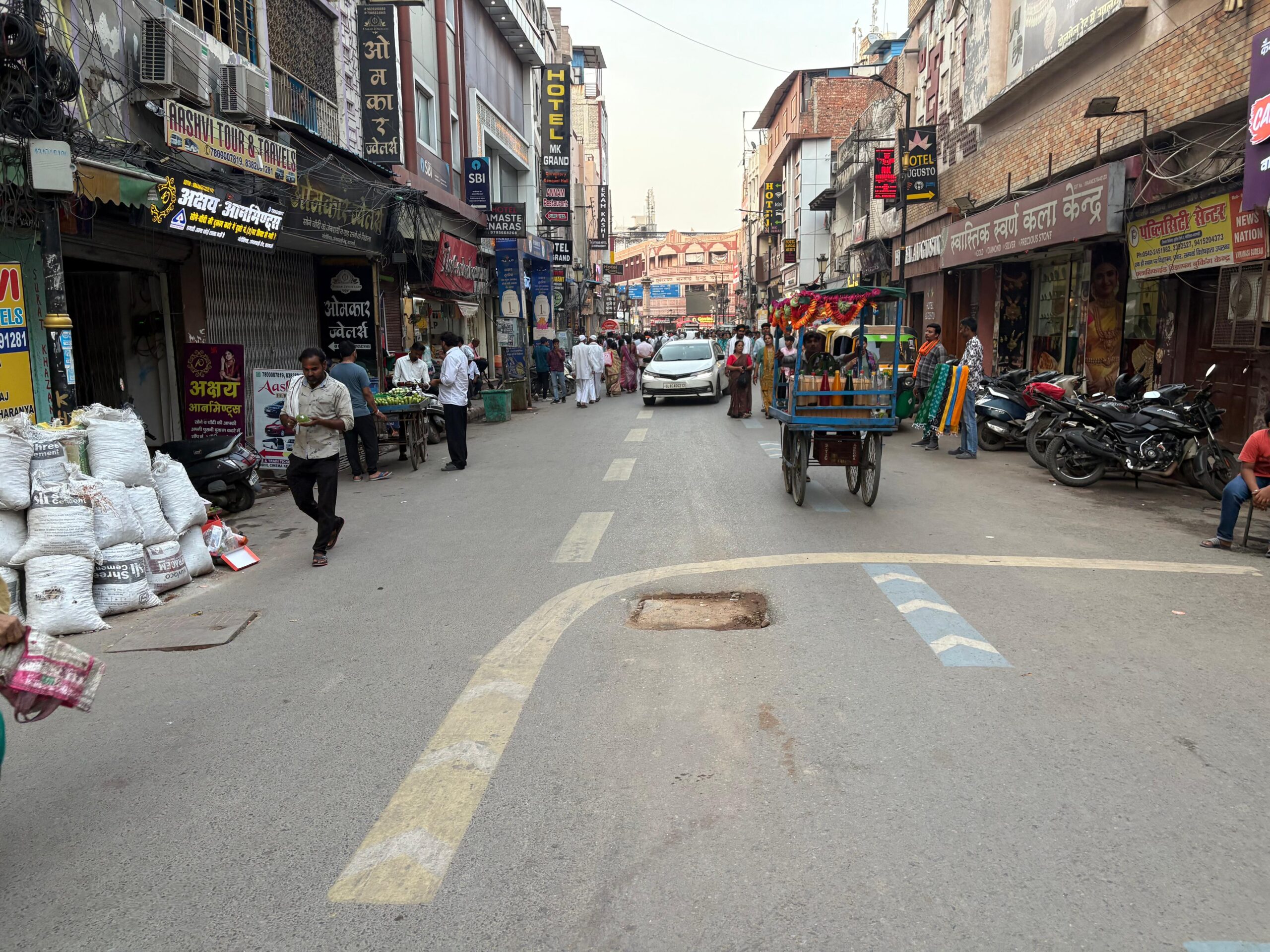
The ancient city of Kashi is set to embrace cutting-edge technology to make pilgrimages and tourism safer, smoother, and more efficient. Artificial Intelligence (AI), predictive analytics, digital signage, colour-coded streets, and real-time navigation systems will soon transform the way devotees and tourists move through the crowded lanes of Varanasi.
The initiative, designed specifically for densely populated heritage cities, has been selected under the Toyota Mobility Foundation’s Sustainable Cities Challenge, where Varanasi was chosen alongside global cities such as Venice and Detroit from hundreds of cities worldwide.
After a successful pilot phase, four winning organisations have now been selected to implement innovative mobility and crowd management solutions across the city over the next two years.
AI to Predict Crowds Four Hours in Advance
One of the most significant features of the project is an AI-driven crowd prediction system capable of estimating crowd density up to four hours in advance.
The system will analyse data collected through AI sensors, cameras, Big Data analytics, and Generative AI to forecast crowd build-up at key locations. This will enable police and civic authorities to proactively divert traffic, deploy personnel, and prevent congestion before it escalates.
According to Apurv Kumar, CEO of City Data, eight AI sensors have already been installed under the pilot project, with plans to increase the number to over 50 in the next phase.
The AI-powered system will continuously study crowd movement and traffic behaviour, providing real-time information to the Kashi Integrated Command and Control Centre, enabling authorities to take swift decisions during peak pilgrimage periods and festivals.
Colour-Coded Roads to Guide Devotees
Visitors will no longer need to depend solely on maps or local guidance.
Under the project, roads and lanes in Kashi will be colour-coded to help pilgrims easily navigate the city’s complex street network.
According to Vanshika Shah from Janjatra:
- Yellow route: Leads directly to Shri Kashi Vishwanath Temple.
- Blue route: Guides visitors to the historic Ganga Ghats.
- Red route: Helps visitors return to designated pickup points.
Traditional murals across the city will complement these colour-coded pathways, making navigation intuitive while preserving the city’s cultural character.
AI Cameras and Digital Signage for Real-Time Route Guidance
Digital signboards installed at strategic locations will provide real-time information on congestion and recommend alternative routes whenever crowd density increases.
Company Director Dharan said AI-enabled cameras will continuously monitor pedestrian movement. Whenever overcrowding is detected, alerts will immediately reach the control room, allowing authorities to initiate diversions and other crowd management measures.
Following the pilot project’s success, digital signage and AI cameras will be expanded across major pilgrimage corridors from Jangambadi to Maidagin.
AI App to Suggest Better Routes
Another innovation under the project is the Better-Way mobile application developed by Vogic AI.
Unlike conventional navigation apps, Better-Way uses real-time traffic data and artificial intelligence to recommend less congested streets while simultaneously highlighting nearby cultural attractions.
According to Arjit Vishwas, CEO of Vogic AI, the app will also direct visitors towards local markets and shops situated inside traditional lanes, helping increase economic opportunities for small businesses.
Inclusive Mobility for Elderly and Differently-Abled
The initiative also prioritises accessibility for elderly citizens, persons with disabilities, and pregnant women.
Riddhi Shah, CEO of Prameya Consulting, said the company’s AI-powered ecosystem, named “Nayi Chaal,” integrates a mobility dashboard, navigation app, and smart wayfinding network to ensure seamless movement across Kashi.
Future plans include developing an accessible corridor from Assi Ghat to Manikarnika Ghat.
As part of the pilot project, information centres between Godaulia and Dashashwamedh Ghat already provide details on ramps, wheelchairs, changing rooms, toilets, and other essential facilities.
Modi-Yogi Government Strengthening Kashi’s Infrastructure
With the rapid increase in pilgrims and tourists following the redevelopment of Kashi Vishwanath Corridor and other infrastructure projects, the Central and Uttar Pradesh governments have significantly expanded the city’s transport infrastructure.
New flyovers, elevated roads, widened highways, ring roads, parking facilities, and the upcoming ropeway project are already improving urban mobility. The integration of AI-based technologies now marks the next phase in transforming Varanasi into a globally recognised smart heritage city.
Two-Year Implementation Plan
Varanasi Municipal Commissioner Himanshu Nagpal said the selected teams emerged after a rigorous two-year evaluation process conducted jointly by the Varanasi Municipal Corporation, Varanasi Smart City, Toyota Mobility Foundation, Challenge Works, and World Resources Institute India.
The pilot successfully demonstrated innovative solutions for pedestrian and crowd management at ground level, and the full-scale implementation is expected to be completed within the next two years.
