


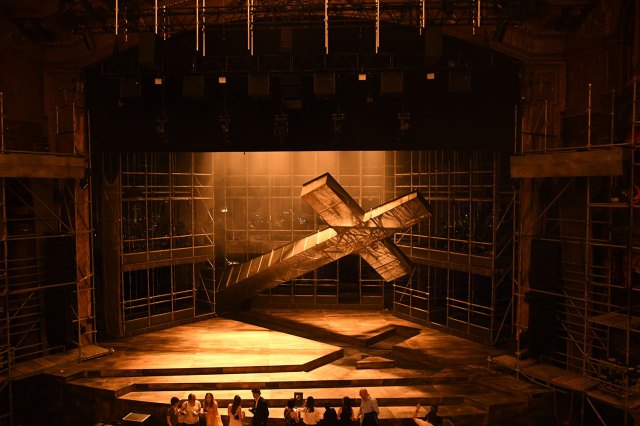
There was a recurring refrain in the comments sections when we were covering the glitzy opening night at Jesus Christ Superstar earlier this month: “I saw that two weeks ago. How can it be opening tonight?”
It points to a growing issue in contemporary theatregoing. The distinction between a preview and an official opening night, once a universally understood boundary, has become increasingly blurred. In an era dominated by instant social media reaction, some no longer seem to realise there is a difference at all.
Historically, the preview period serves a specific, practical function. It is a series of public performances prior to the official press night, allowing the creative team, cast, and crew to test a show in front of a live audience, before the final version is “locked.” During previews, a production is still very much a work in progress. Scenes are re-blocked, lines cast aside, musical numbers are trimmed, lighting is adjusted, and jokes are tweaked based on real-time audience response.
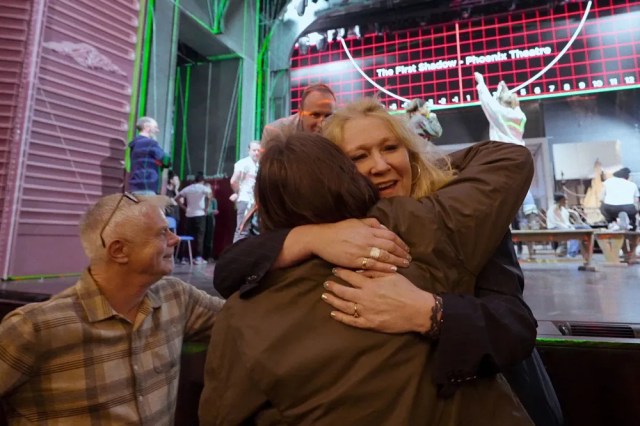
A prime recent example of this process is Stranger Things: The First Shadow at the Phoenix Theatre. As shown in the documentary covering its creation (vital Netflix viewing for any theatre fan), the creative team undertook extensive rewriting, staging adjustments, and technical refinements throughout its preview period. Entire scenes disappeared. The dedicated preview window is essential in shaping the production into the critically acclaimed (and award-winning!) West End hit it became. Without a functional preview period, a show loses its most valuable testing ground. Simon Stone’s brilliant Oresteia reportedly lost almost an hour of its runtime during previews.
However, several modern factors have eroded this boundary. The rise of platforms like TikTok and Instagram (or even show-scoring platforms) means that instant reviews are posted from night one. Famously, floodgates opened after the first preview of The Hunger Games on Stage with responses generating millions of views. First-preview audiences often evaluate a production as if it were the locked, final product, shaping public perception weeks before press night.
This is further complicated when social media influencers are invited to early previews: while designed to generate early buzz, this practice muddies the waters for traditional journalism and confuses the public about when a show is actually “open”.
At the same time, the financial incentive for audiences has shifted. Historically, preview tickets were offered at a notable discount to reflect the unfinished nature of the performance. Today, preview pricing can often match standard run rates, reinforcing the idea that the audience is paying for a finished product.
Restoring clarity around the process requires action from both producers and the public – influencers being invited to sit shoulder-to-shoulder with press, rather than attending weeks earlier, would be a start. Maybe critics should also be invited for the first performance, like in dance or music concerts, given the cat will be out of the bag from day dot.
I digress. For theatregoers, seeing a preview ought to be viewed as a unique opportunity: audiences during this period often witness a version of a script, number, or staging that no one else will ever see again once the show is locked.
Preserving that space benefits the artists on stage, no longer feeling the same level of pressure, and, in the end, gives the audience a better production.
