

Gati Shakti Cargo Terminal policy draws Rs 10,000 Crore private investment as 142 GCTs with 224 MTPA freight-handling capacity commissioned

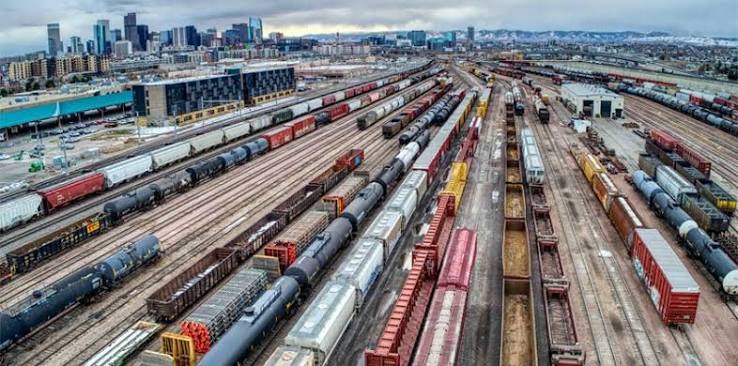
NEW DELHI : The government’s Gati Shakti Multi-Modal Cargo Terminal policy has mobilised private investment of approximately Rs 10,000 crore, Railway Minister Shri Ashwini Vaishnaw informed the Lok Sabha on Wednesday (22 July).
142 GCTs have been commissioned with a rail freight handling capacity of 224 million tonnes per annum, marking significant progress in India’s logistics transformation.
In addition, in-principle approvals have been granted for the development of another 310 GCTs.
The location of the GCTs is decided on the basis of demand from industry, potential cargo traffic, availability of railway infrastructure and overall logistics potential of the area, the minister said.
Twelve GCTs have been set up in Odisha, with in-principle approvals for another 36 locations in the state.
Five GCTs have been commissioned in Andhra Pradesh, with approvals for another 14 locations, while Rajasthan has 10 GCTs, with approvals for 15 more.The terminals cater to a wide range of commodities including cement, steel, foodgrains, fertilisers, coal, fly ash, minerals, containers, automobiles, agricultural produce and other bulk as well as non-bulk commodities.
The policy has benefited key sectors such as cement, steel, power, mining, agriculture, logistics and manufacturing by providing improved rail connectivity and modern cargo handling infrastructure.
The development of GCTs has enhanced rail freight movement through faster and more efficient loading and unloading, reduced first-mile and last-mile logistics costs, improved wagon turnaround, and facilitated modal shift of freight from road to rail.
The Gati Shakti Cargo Terminal policy has facilitated the development of modern multimodal cargo terminals closer to production and consumption centres, thereby improving rail connectivity for local industries, agricultural produce and other commodities, while also enabling the creation of warehousing, silos, cold storage and other value-added logistics facilities.
