


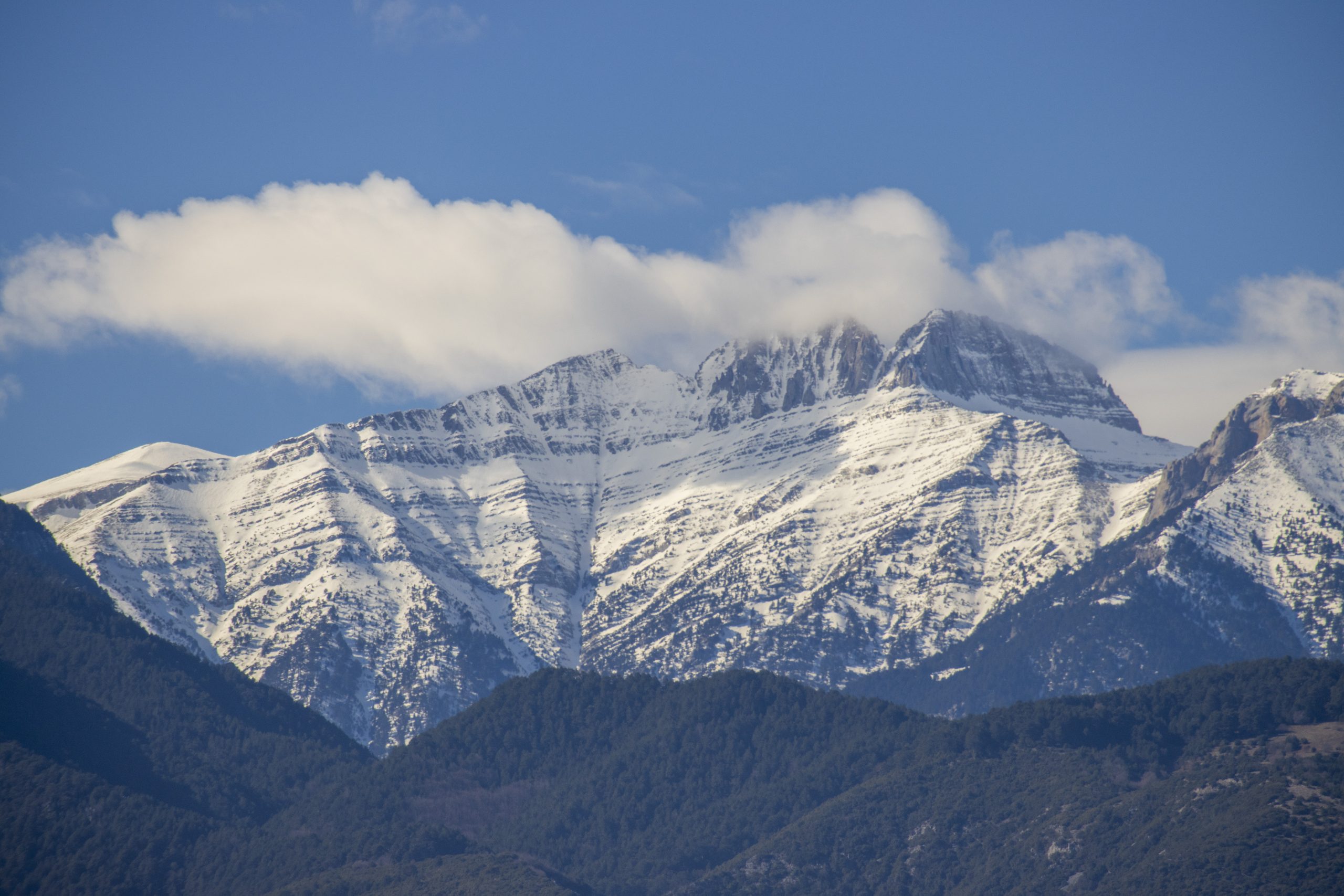
The D-Day landing beaches, the mythical Mount Olympus, and the site where Buddha delivered his first sermon after enlightenment are among the 25 landmarks that the UNESCO World Heritage Committee has added to its list of historically significant sites.
Meeting in Busan, South Korea, for its 48th session from July 19 to 29, UNESCO’s World Heritage Committee inscribed 19 cultural sites, five natural environments, and one property exhibiting both cultural and ecological significance. The designation recognizes and preserves landmarks of major cultural importance, gaining these sites access to funds for preservation, in addition to an uptick in tourism.
Gold Beach, aerial view of the remains of the artificial harbor. Photo: François Monier -Septième Ciel Images.
The cultural properties span the globe and the full breadth of human history.
The archaeological sites include the ancient capitals of Asuka and Fujiwara that established a centralized governance system in Japan in the middle of the first millennium and eight funerary complexes in Mongolia belonging to the Xiongnu, nomadic peoples that dominated the Eurasian Steppe between the 3rd century B.C.E. and the 2nd century C.E.
Sebastia, a site in the West Bank whose architectural remains evidence the occupation of different civilizations over the course of roughly 2,000 years, was also added to the list. Adel Atieh, Palestine’s permanent representative to UNESCO, said the site demonstrates the complex blend of cultures that have shaped the region.
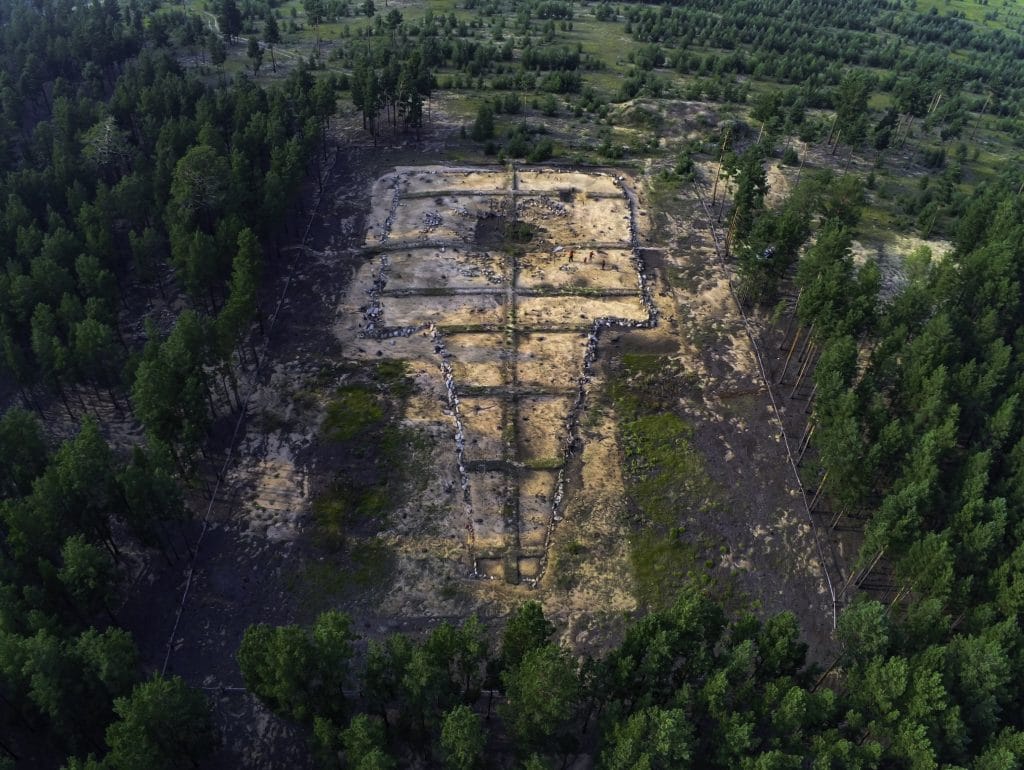
Aerial view of the external stone structure of the Xiongnu Noble Tomb Tomb 160. Photo: courtesy G.Eregzen/UNESCO.
Five sites with strong religious or sacred significance were also inscribed. They include a series of underground mosques near the Caspian Sea in Kazakhstan and a village in Tunisia associated with the 12th- and 13th-century Sufi master Sidi Bou Saïd. In Thailand, the 1,200-year-old monastery Phra Mahathat received an inscription, with the country’s foreign ministry noting it “will further strengthen cooperation at the national and local level to conserve and protect the site.”
The wider area of Mount Olympus in Greece, the nation’s highest mountain and sacred home of the Greek gods, is now a World Heritage site, too. “We reaffirm our unwavering commitment to safeguarding Mount Olympus,” Georgios Koumoutsakos, Greece’s delegate to UNESCO, said in a statement. “As Greek mythology wisely reminds us, it is always best to remain on good terms with gods.”
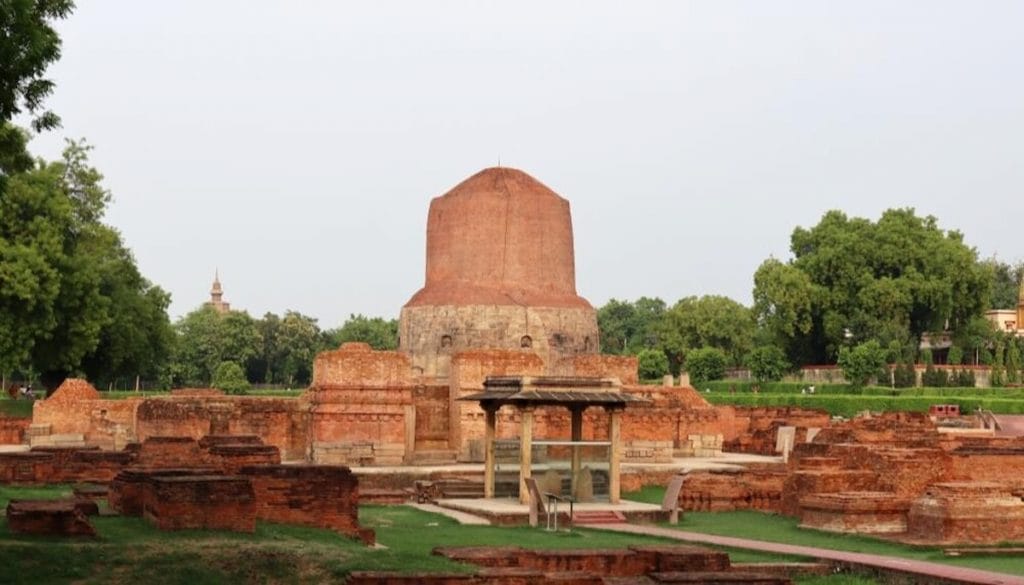
The Dhamek Stupa within the archaeological remains of Sarnath. Photo: courtesy Abha Narain Lambah Associates/UNESCO.
The World Heritage Committee also added performing arts venues to its list, such as a group of 10 theaters across central Italy dating from the 18th and 19th centuries. Blending Neoclassical and late Baroque styles, the theaters operated under a collective ownership model, known as the condominio system, which made it possible to build theaters in regional towns.
“This recognition strengthens the Marche’s identity as a theater region, home to the highest concentration of condominium theaters in the world,” Francesco Acquaroli, the Marche region’s president, said in a statement.
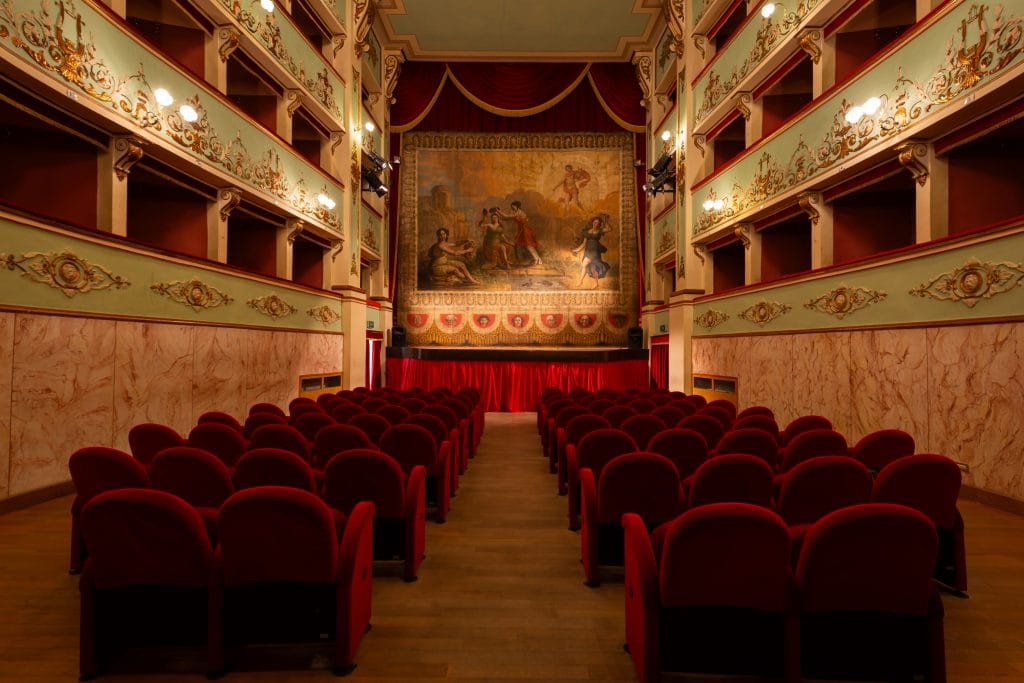
Teatro Serpente Aureo, Offida, auditorium with boxes and historic house curtain. Photo: courtesy Fondazione Marche Cultura.
Thirteen properties designed by the Finish architect Alvar Aalto and his closest associates were also inscribed. Spanning six decades and range of functions across rural and urban settings, the properties demonstrate how Aalto and his studio pioneered a form of modern architecture that was human‑centered and site‑specific. The properties include Villa Mairea, the Paimio Sanatorium, and Finlandia Hall in Helsinki.
“The Aaltos’ legacy has received the most prestigious global recognition that architecture can get,” Tommi Lindh, the CEO of Alvar Aalto Foundation, said in a statement. “It’s an indication that the Aaltos’ life’s work is seen as important, not just in the national, but also the international history of architecture and design, and we in Finland can be proud of that.”
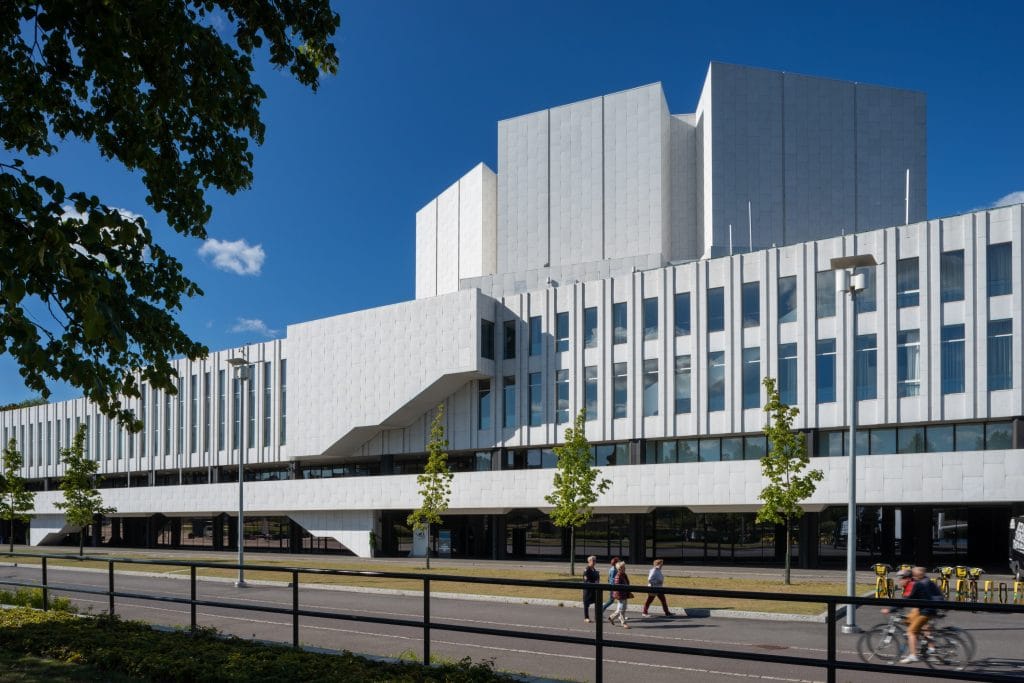
The Finlandia Hall, a façade view from the Töölönlahti park. Photo: Maija Holma/ Alvar Aalto Foundation.
The committee also added five sites in Jingdezhen, southeastern China, associated with the development of the country’s porcelain industry. Beginning roughly 1,500 years ago, local artisans began mixing kaolin clay with porcelain stone to create a thin, strong, and translucent ceramic. By the 14th century, the town housed the Imperial kilns and in time its blue-and-white porcelain would become a global commodity.
