

Salt Lake City’s signature LDS temple is undergoing a historic transformation. Here’s a peek inside

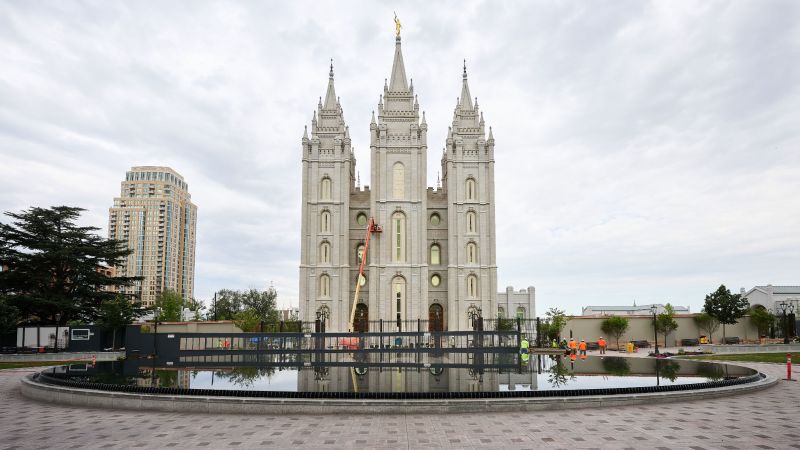
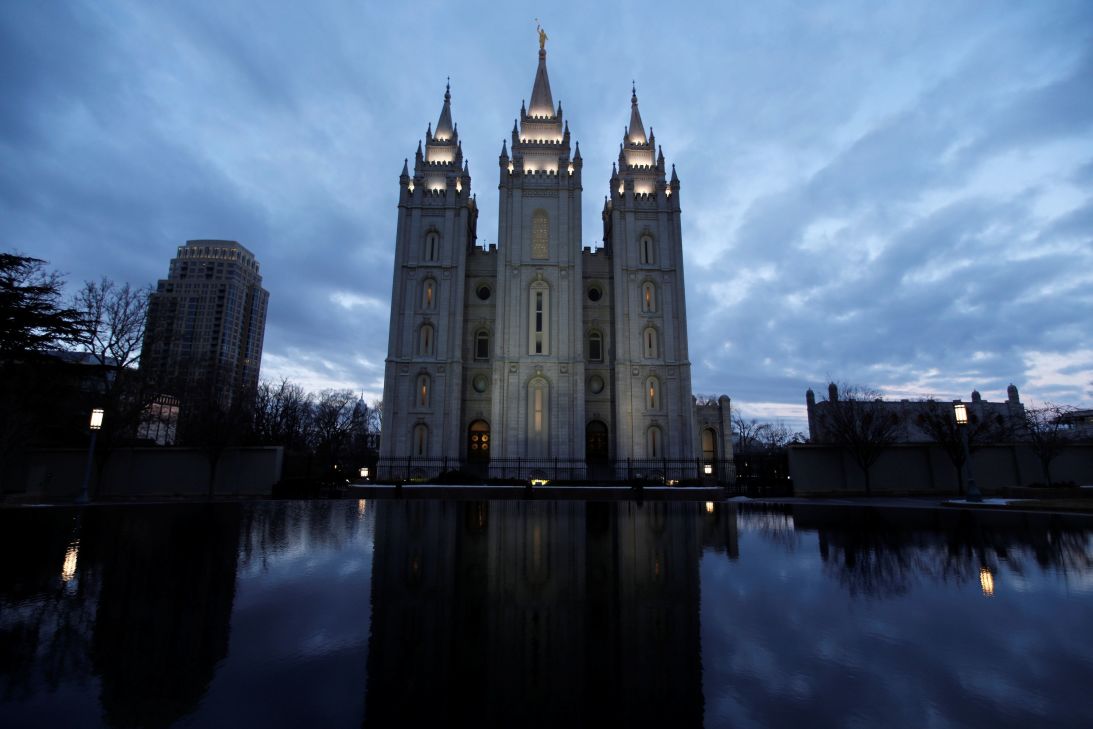
For more than a century, a six-spired, Gothic Revival temple in downtown Salt Lake City has been the spiritual epicenter of the Church of Jesus Christ of Latter-day Saints — and a mysterious sanctum that’s closed to outsiders.
For most people, the inside of the Salt Lake Temple has long been shrouded in secrecy, fueling both curiosity and criticism.
That is about to change. After years of extensive renovation and structural upgrades, the LDS Church will open its signature temple April 5 to the public — Mormons and non-Mormons alike – for six months of unprecedented tours. The church recently gave CNN a preview — and a rare peek behind the curtain of a religion many view as cloistered.
“This is such a unique, once-in-a-lifetime opportunity for … the rest of the world to come and see what for more than a century was for (church) members only,” said Elder Matthew S. Holland, a senior official with the LDS Church. “For this brief period of time, it will be open to the world.”
Millions of visitors are expected, drawn by the allure of touring an iconic religious landmark that has been closed to everyone but Mormons in good standing since it was dedicated 133 years ago. The public tours will end October 1, 2027, when the temple will again be shuttered to all but faithful members of the church.
The temple — one of more than 200 LDS temples operating globally — has been closed since late 2019 for renovations to expand its interior, shore up its foundation and make seismic upgrades. To handle the expected crush of visitors, the church will make timed tickets available online beginning September 1.
A Christian denomination with nearly 18 million members worldwide, the LDS Church has grown steadily since its humble beginnings almost two centuries ago in upstate New York. Mormons have long faced persecution over their beliefs and practices, and pop culture has often treated them as subjects of sensationalism (“Big Love”) or satire (“The Book of Mormon”).
The halls of the flagship Salt Lake Temple have also been the subject of speculation. Early church members withstood false rumors about bloody temple rituals. And in 1911 a disgruntled ex-Mormon hid a camera under his coat and snapped surreptitious photos of the temple’s interior in an unsuccessful attempt to blackmail the church.
But the LDS Church has taken steps in recent decades to broaden its message, and some observers believe that opening the iconic temple’s doors for six months is part of that effort.
“For nearly 30 years now, (there’s been) a real public relations push by the church to appear more open, more accessible, more friendly to the outside world,” said Matthew Bowman, a professor at Claremont Graduate University who specializes in Mormon studies.
“This temple open house is going to be devoted to that — to trying to bring in as many media people as possible, as many outsiders as possible,” he added. “It’s going to be a really hot ticket.”
The temple is the centerpiece of Temple Square, the church’s central complex that also houses a Victorian-era assembly hall, a visitor center, a reflecting pool and the domed Salt Lake Tabernacle, home to its famed choir. Utah has five national parks, but Temple Square is the state’s most-visited site.
Its location was chosen in 1847 by then-church president Brigham Young just days after Mormon pioneers arrived in the Salt Lake Valley. Young presided over the temple’s groundbreaking but did not live to see it completed. The building was dedicated in 1893 after 40 years of construction.
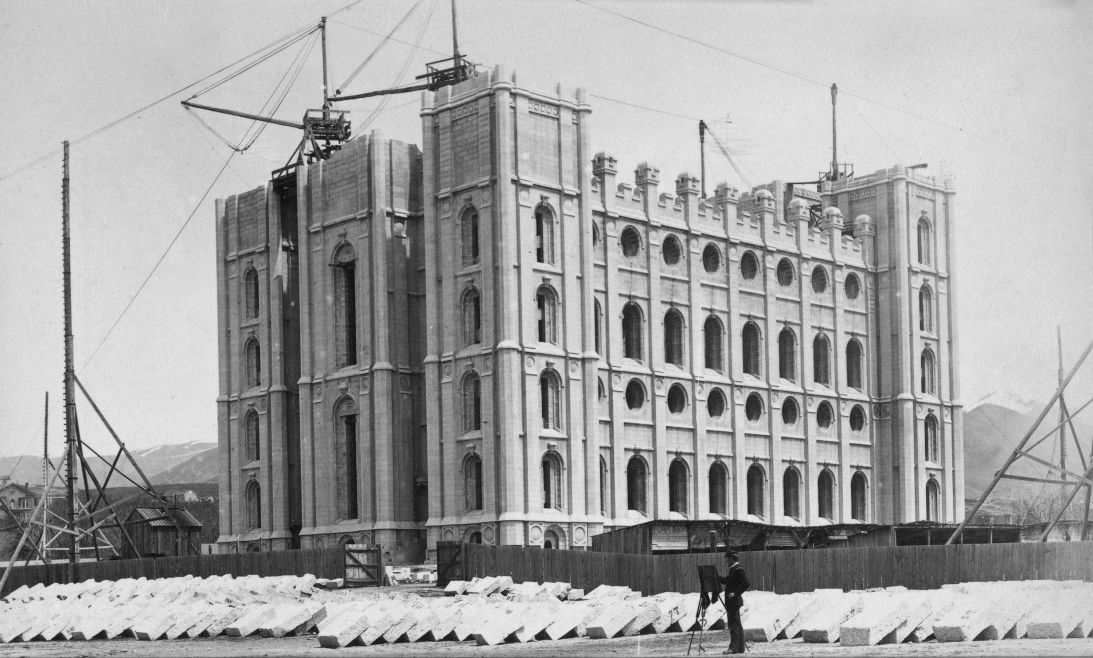
“It was done without modern tools or equipment, carving out granite stone from a little canyon about 20 miles from the heart of Salt Lake,” said the church’s Elder Holland. “And it was a remarkable engineering feat in its day.”
From the outside, the temple’s white stonework and dramatic spires make it look a little like a fairy-tale castle. Its exterior is rich with symbolism, from stone carvings representing the all-seeing eye of God to a golden statue, atop the highest spire, of an angel blowing a trumpet to herald the Second Coming. (Latter-day Saints believe the angel, called Moroni, guided church founder Joseph Smith to buried golden plates from which he translated the Book of Mormon.)
“It’s this kind of extraordinary piece of neo-Gothic architecture,” Bowman said. “Temples are a space where heaven touches earth, and just like cathedrals in the Roman Catholic tradition … they are built very tall and high and narrow to make you feel as though you’re being pulled upward, right toward heaven. And the Salt Lake Temple, of all the LDS temples, I think, is the most successful at accomplishing that.”
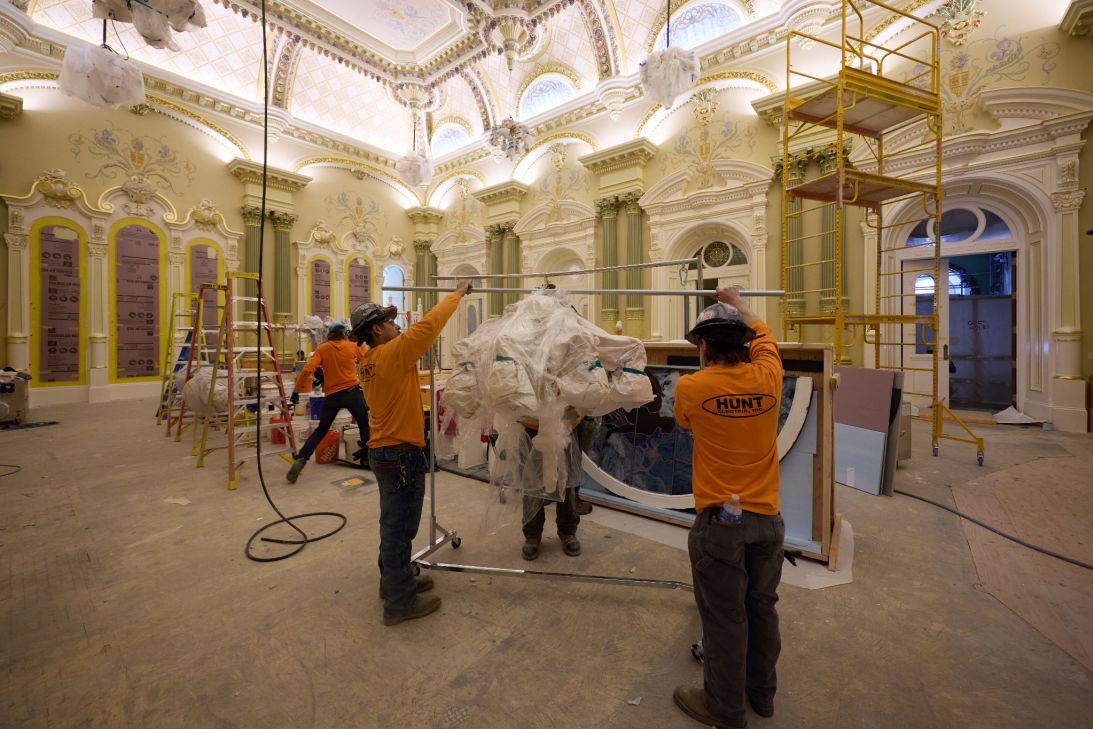
The temple’s interior, however, is grounded in practicality. Instead of a large communal worship space, it’s mostly a warren of smaller rooms where sacred rituals are held.
Among these are baptisms, including ceremonies in which current members are baptized on behalf of their deceased, non-Mormon ancestors. The practice has long been controversial, although the church says that ancestors’ names are not added to its membership records.
The temple is a coveted site for wedding ceremonies, known as celestial marriages, or sealings, in which couples are bound together for all eternity. Many young adults also visit the temple for endowments, ceremonies at which they receive spiritual instructions before such major life events as embarking on Mormon missions to spread the message of the church.
Church members wear white clothing during all temple ceremonies as a symbolic reminder they are in a holy place.
“When people come to the temple … they might think of it like a European cathedral, where you’d walk in and it would be a big, expansive hall,” Elder Holland told CNN. “But our temples are designed differently than that.”
Visitors, he said, should expect “more of an individual journey through rooms of instruction and commitment and worship. That’s the way the experience unfolds inside.”
The Salt Lake Temple has survived a bombing, a tornado and a 5.7-magnitude earthquake in 2020 that rattled its walls and dislodged the trumpet held by the Angel Moroni statue atop the building. Salt Lake City sits on an active fault line, and the quake served as an urgent reminder of the renovation project’s biggest challenge: to protect the edifice in case of a major seismic event.
To do that, construction crews bolstered the temple’s thick granite walls with vertical cables running from the towers to its base. They also built a new foundation with 98 rubber-and-steel base isolators that act like shock absorbers. Church officials say they will insulate the building from damage during an earthquake, even if the ground beneath it shifts five feet.
Crews also dug a new underground wing of the temple with 100,000 feet of additional space, nine more sealing rooms for marriage ceremonies and a second baptismal font. Like the original font it rests on 12 sculptural oxen, representing the 12 tribes of Israel.
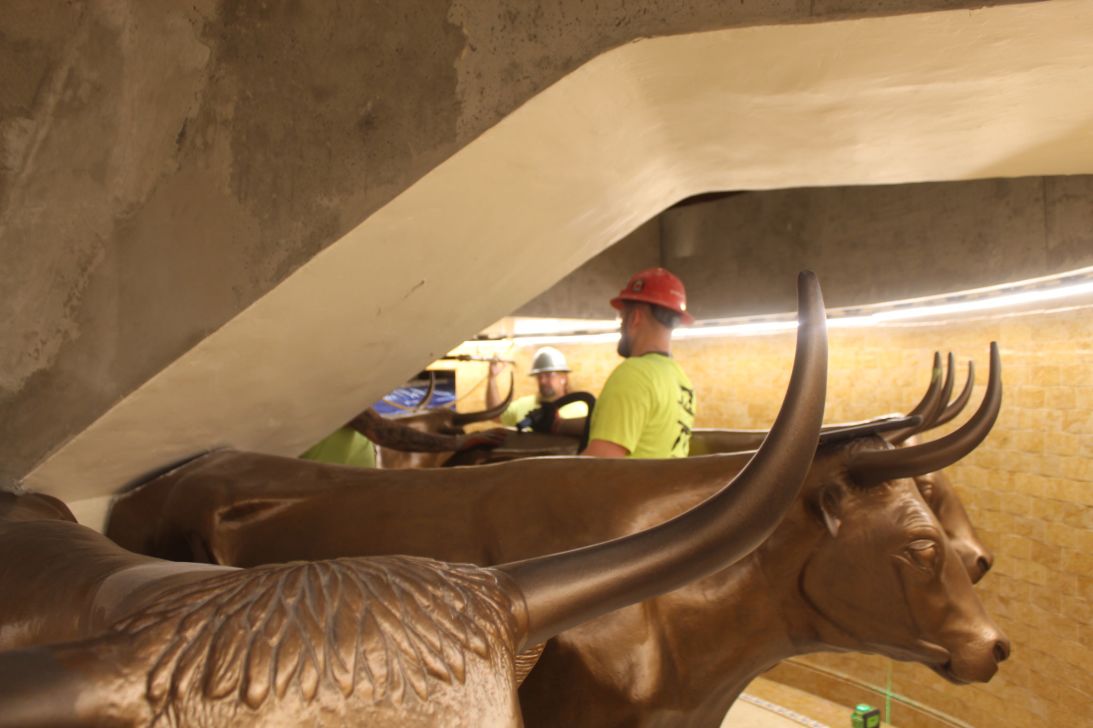
Church officials say these additions — plus revamped corridors, new elevators, improved lighting and more video screens — will allow the temple to serve more people.
How much does all this cost? An LDS Church spokesman declined to say. But unofficial estimates by outside observers place the price tag of renovating the temple at more than $2 billion.
Some critics, however, have complained that some of the temple’s original features were lost in the remodel. These include a grand staircase connecting the first and second floors, and several hand-painted murals, including one of the Garden of Eden, by an acclaimed Mormon artist who studied his craft in Paris.
“Most people do not know the extent to which the interior has changed. And they will be shocked,” said Dr. Micah Christensen, a Salt Lake City art historian who was married in the Salt Lake Temple. “Do I think the pioneer version was better than … what they’ve decided on? I think it’s a false choice between efficiency and preservation. I think you can do both.”
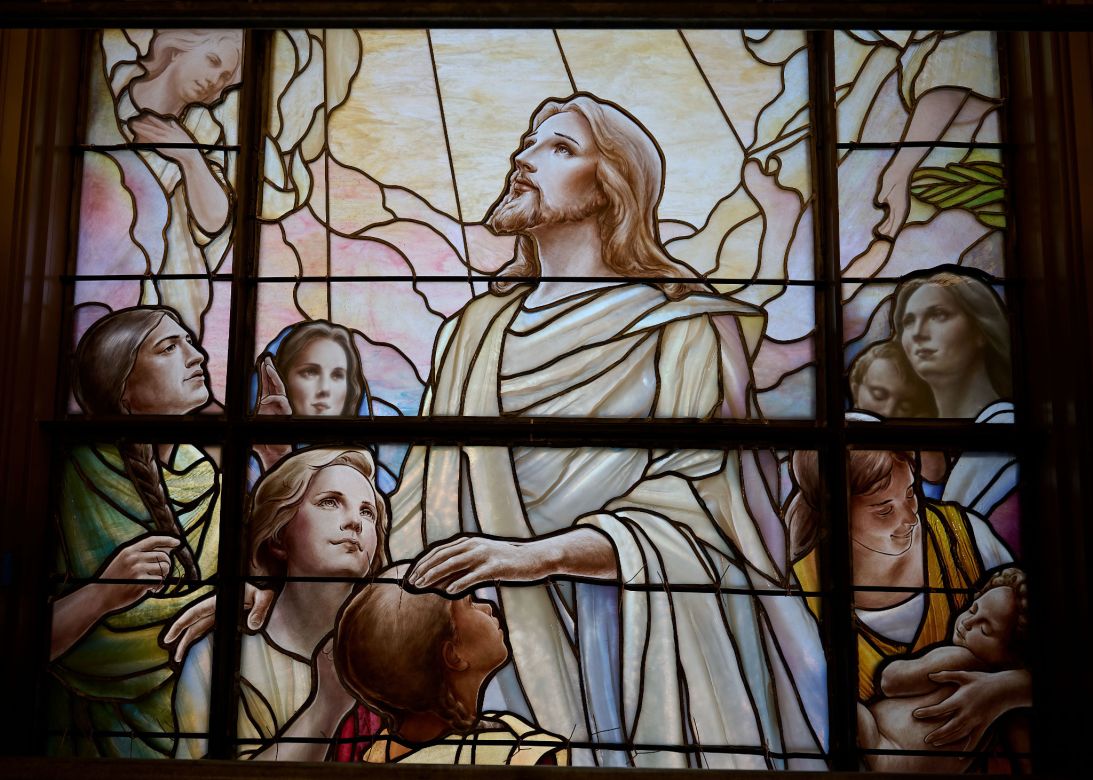
Church officials say reconfiguring the temple’s floorplan meant that some historical features, including the murals, could not be saved. They say those artifacts were documented in photographs and added to the church’s history library. The church also notes that many original features – such as Tiffany stained-glass windows – have been preserved, while others have been restored to their Victorian-era appearance.
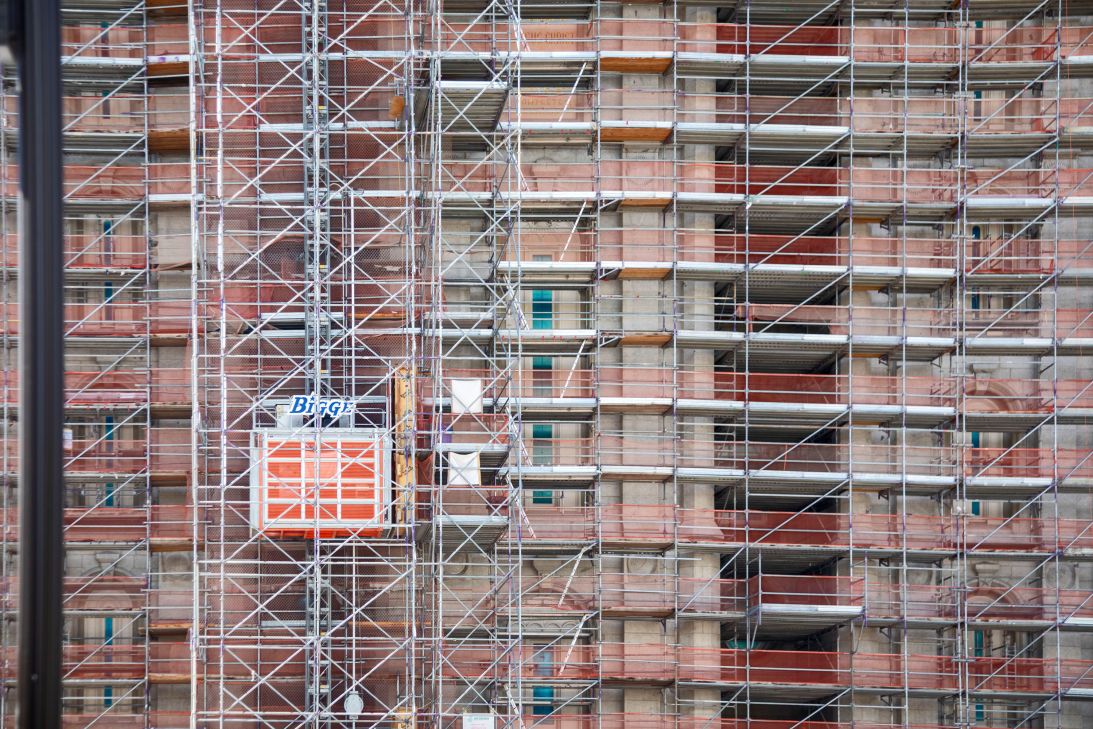
Now, after almost six years of being cloaked in scaffolding, the temple is getting ready for its closeup. The LDS Church is billing next year’s public reopening as “a global celebration,” and its Temple Square website shows a countdown clock.
“The Salt Lake Temple open house has particular significance to Latter-day Saints because the profile of the edifice is so iconic, its 40-year construction so symbolic of pioneer sacrifice and resilience, and its location in the heart of Mormonism so evocative of the temple’s centrality to the faith,” said Terryl L. Givens, a research fellow at Brigham Young University and the author of many books on Mormon history and culture.
Temple tours will be offered morning to night, seven days a week. The church expects as many as 25,000 people will pass through the building each day — more than 4 million total over the six-month open house. Salt Lake City tourism officials estimate the event will bring $300 million in new spending to downtown Salt Lake.
“It’s a big deal,” said Derek Miller, president of the Salt Lake Chamber and the Downtown Alliance, a nonprofit representing business and property owners. Miller views the temple crowds as a warmup for 2034, when Salt Lake City will host the Winter Olympics.
“This is sort of our practice run for that,” he said. “We want people to see a vibrant city that has a lot to offer.”
The tours will be free, and reservations are strongly encouraged. Beginning September 1 at 11 a.m. Utah time (1 p.m. ET), visitors can reserve up to six tickets each through TempleSquare.org. Virtual tours also will be offered online.
Those who make the pilgrimage to Temple Square will encounter a host of other attractions and activities, including new exhibits, live concerts and video projections on the ceiling of the tabernacle.
But the temple is the big draw.
“We’re opening these doors to everyone because we believe the temple has a message that’s relevant,” said the church’s Elder Holland. “It’s sacred to us as a people of faith, but it’s (also) something that we believe offers peace and promise to all.”
EDITOR’S NOTE: This story was updated with a new image and republished.
