


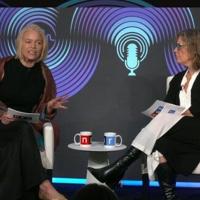
NPR came to the IAB Podcast Upfront with a message for advertisers: the public media organization is looking beyond the programming that built its reputation as it expands existing franchises, taps deeper into its member-station network and recruits outside creators to build the next generation of NPR shows.
President/CEO Katherine Maher and new Chief Content Officer Nadine Zylstra used the stage to offer one of the clearest looks yet at how NPR plans to reshape its programming for changing audience habits — and how it hopes those changes will create new opportunities for sponsors.
“We are all about what comes next,” Maher said Wednesday.
For NPR, that means working on several fronts at once. Maher said the organization is fundamentally reimagining its digital presence, looking for more ways to capitalize on its network of 243 newsrooms and member stations, and expanding its programming portfolio beyond what audiences traditionally associate with NPR.
The ambition is to build from an already sizable base. Maher said 42 million people come to NPR each week, but the organization wants to reach new audiences by changing where and how its content shows up.
That job now falls in large part to Zylstra, who arrived at NPR in June after stops at Sesame Street, YouTube and Pinterest. Just eight weeks into her new role, she told advertisers that the media habits NPR spent decades building around have changed too much for the organization simply to keep doing what it has always done.
“The way people experience media has totally changed,” Zylstra said. “We have to totally reimagine how we meet them with a content plan that puts the audience at the center of everything we build.”
Three-Lane Programming Plan
Zylstra gave the IAB Podcast Upfront audience a roadmap for what that reimagining will look like. The first lane is making more of NPR’s biggest existing franchises. She singled out “Morning Edition,” “All Things Considered” and “Tiny Desk” as brands with room to expand, although she said NPR will build differently around each.
“Planet Money” is already providing an example. NPR is also expanding “The Indicator from Planet Money” to Saturdays beginning this winter. By moving to weekends, Zylstra said the “Planet Money” spinoff can take on more of a weekend vibe and use pop culture to explore the economic questions of the moment.
Also in the works is “Your Turn with Allison Aubrey,” produced in partnership with WBUR Boston. Launching in mid-October, the podcast will draw on Aubrey’s reporting on science and longevity to focus on the midlife years.
“We need to build the new franchises,” Zylstra said. That includes looking beyond NPR itself for creators and established talent who can bring not only new programming but new audiences into the NPR ecosystem. “We need to be out there engaging with our creative community, connecting with the unbelievable talent that’s happening outside of our building, and bringing them and their audiences over to NPR,” she said.
The just-announced tech show “Machine Gods” is also part of a wider fall programming. It will launch Oct. 19 as a podcast with plans to also distribute the series to NPR member radio stations. Executives said the show is an example of the kind of outside talent NPR wants to bring into its expanding portfolio.
“This is the beginning of more announcements — there’s more coming,” Maher said.
But this was an Upfront, and NPR’s programming presentation was also an advertising pitch.
Maher repeatedly returned to the relationship NPR has built with its audience over five decades. Listeners may start their day with NPR news, she said, but increasingly encounter its personalities and programming through comedy, long-form storytelling and other content throughout the day and on weekends.
“They have these really deep relationships with our hosts, with our reporters, with our personalities,” Maher said. “We’re so much more than just a part of their day — we really understand ourselves as being a part of their lives.”
For advertisers, Maher argued, that relationship matters because it extends to the companies supporting NPR programming. She said NPR helps shape how listeners understand the world, how they spend their time, and their opinions of brands that support its work.
National Public Media SVP of NPR Corporate Sponsorship Scott Davis told buyers that 90% of NPR listeners report taking action based on something they heard on NPR, which he said is now at a 15-year high. Davis said NPR sees additional sponsor opportunities coming not only from its expanding programming slate but from video alongside its core audio business.
“As NPR programming expands, so does the opportunity for your brand to be at the center of those moments,” Davis said.
