


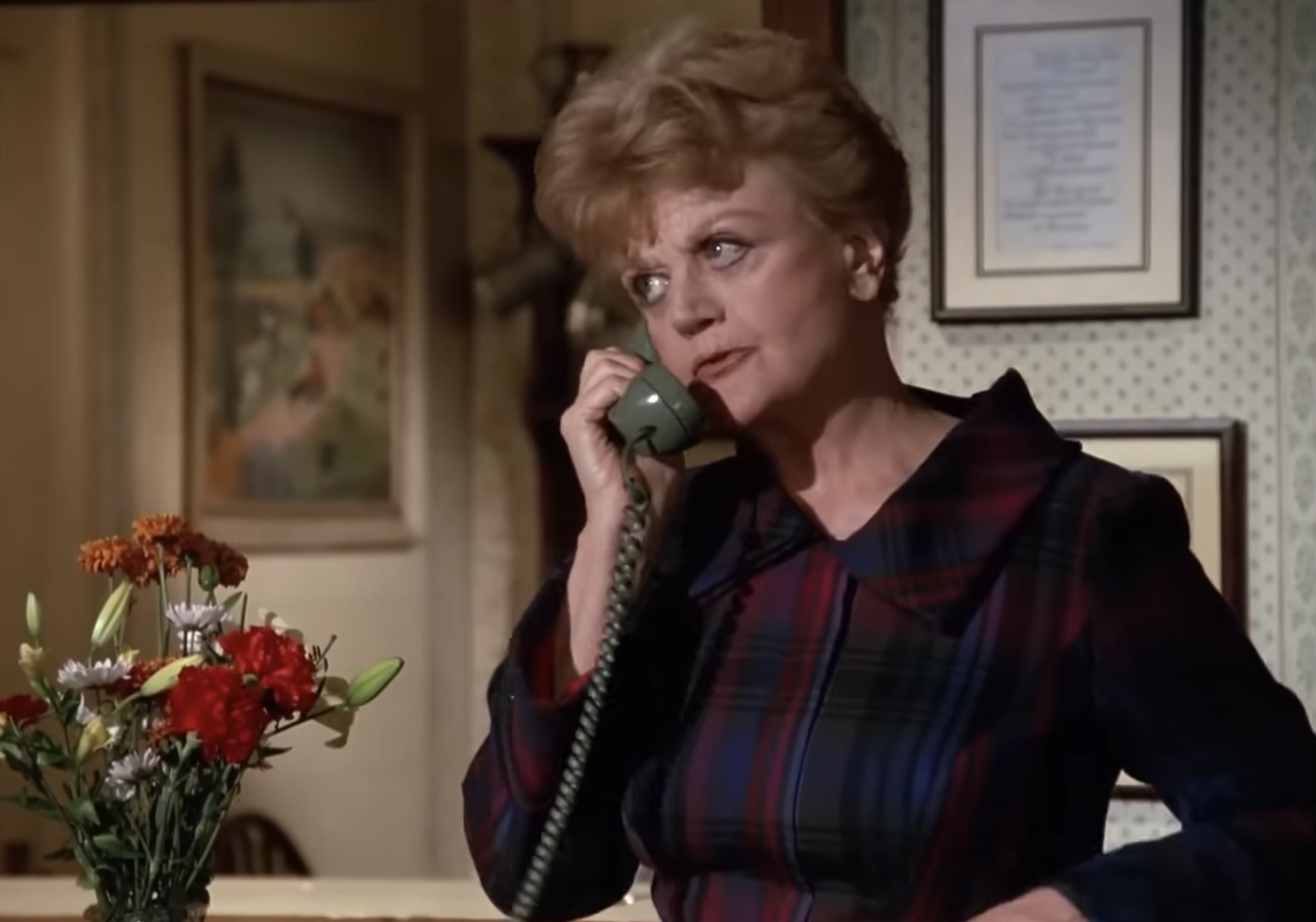
Ah, small-town charm. The local bar or the diner where everyone shares newsy gossip, the community festivals to mark the turning of the seasons, the familiar, friendly faces around every corner, and of course, the murders.
Wait, what was that last one?
If you asked people to name their favorite “Small Murder Town,” they’d probably look at you askance. But once you started naming the examples, the pattern would grow clear. St. Mary Mead in England, and later successors like Bakerbury, Cabot Cove in Maine, Three Pines in Quebec, and arguably every single hamlet in Britain’s fictitious Midsomer County. The list has even expanded to include the town of Gibsons, in the exactly-what-it-says-on-the-tin series Murder in a Small Town, which manages to create a plausible-feeling community that remains ambiguous about which side of the US/Canadian border it’s located on.
Despite the rather on-the-nose name of Murder in a Small Town, what makes a “small murder town” isn’t the size of the town, not really. Midsomer County isn’t a town; it’s a full county, and its myriad villages often have what amount to themes (the town full of psychics; the remote town where no one’s cell phone works). In Death in Paradise, the paradise in question is the island of Sainte Marie, and it fits the pattern. Not all the locales are even necessarily fictional; Shakespeare and Hathaway: Private Investigators manages to turn modern-day Stratford-Upon-Avon into a Small Murder Town. Perhaps most surprising of all, Only Murders in the Building fits the pattern as well. Despite being set in New York City, which is arguably the exact opposite of a small town, the show is primarily centered around the titular Building, The Arconia, which viewers quickly realize functions as a self-contained community, complete with neighborly feuds (the Westies, anyone?), friendships, and shared history—all of which comes to a head once the inevitable murder is committed.
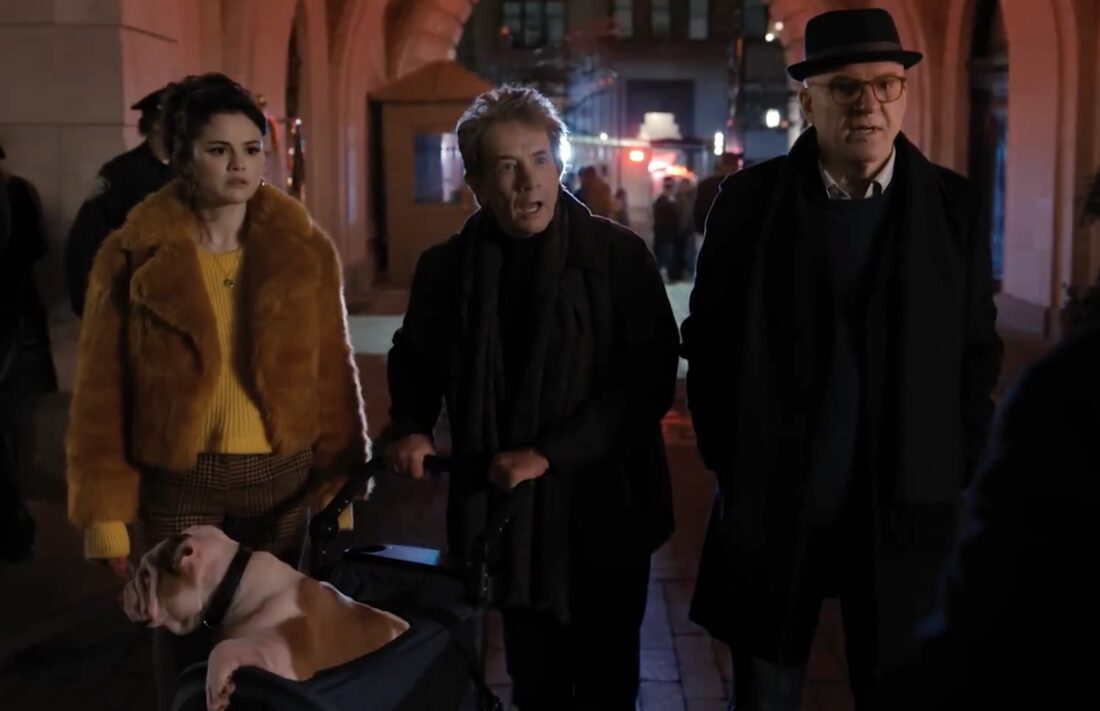
While turning a New York City apartment block into a de facto Small Murder Town is certainly innovative, the concept of a Small Murder Town more generally is surprisingly old—relatively speaking, that is. Murder mysteries are, all things considered, a newer genre when compared to ancient genres like fairy tales and fantasy epics, romances, or even courtroom dramas (that last one arguably dates back to ancient Greece, but that’s neither here nor there). The first “detective story” is generally agreed to be Edgar Allen Poe’s “Murders in the Rue Morgue,” published in 1841. The idea of a murder mystery genre would develop in the decades that followed.
Less than a hundred years after the Rue Morgue, in 1927, Miss Marple would make her first appearance in Agatha Christie’s short story, “The Tuesday Night Club.” The story would also be the first appearance of St. Mary Mead, Miss Marple’s home village, and one of the most famous, and most enduring, Small Murder Towns. In fact, while “The Tuesday Night Club” was initially a standalone story, the Miss Marple character, and the premise of an unassuming, underestimated older woman solving murders from the comfort of her own parlor, proved so popular that both a series and an archetype were born.
That said, Agatha Christie may have been a little bit ahead of her time. The Small Murder Town really came into its own with the advent of film—and not just any film. Small Murder Towns thrive on the small screen; this is a trope that was made for television. It’s on television where Cabot Cove was born, Midsomer County, and so many more, all the way up to the gilded lobby of The Arconia.
It makes sense that television would take to Small Murder Towns like a duck to Jessica Fletcher’s garden pond. Procedurals of all sorts are popular for television, easy to make in large numbers if you’re fortunate enough to have your show renewed. And while shows set in a big city or a variety of settings with new locations every week (think of Detective Columbo and his assorted Californian crimes) need pricey filming permissions or elaborate sets, simpler sound stages can be used and re-used for shows on a smaller scale. Sitcoms have historically followed this format; now take those human-scale dramas, and kill off a character per episode, and what you have is a recipe for a Small Murder Town show.
And the human-scale aspect is critical, not just in a Doylist “keeping the budget from getting out of hand” sense, but as a part of the genre. It’s not just the abnormally high murder rates that tie these fictional places together. It’s also the type of crimes being solved within them. These smaller locales tend to attract a specific type of mystery—the comfortingly personal kind. It’s hard to imagine Cabot Cove being targeted for a terrorist attack, or for one of the gruesome Hannibal Lecter-style killers to crop up in Midsomer County. The crimes in these communities have small-scale, human-level motives: greed, romantic jealousy, revenge.
And perhaps that’s where the appeal of “murder communities” lies. The murder mystery genre was born out of the Industrial Revolution; the combination of urban populations booming, technology progressing at intense speed, and mass media on the rise meant the world was changing, and change can be scary. Anxieties around a changing world made stories where the fear of danger is validated (“A murder has been committed!”), but the danger is inevitably neutralized and conquered (the murderer is caught, ideally after confessing to their crimes and describing their motives in thorough detail).
The parallels between our modern era and the Industrial Revolution have been discussed in great detail, by writers and historians including myself. It should come as no surprise that murder mysteries have been enjoying something of a renaissance, heralded by the Knives Out series, shows from How to Get Away With Murder to Annika to Murder Most Puzzling to The Residence. But for fans eagerly anticipating a new series of Only Murders in the Building with baited breath, the Small Murder Towns are an increasingly lively subset of the genre.
And that’s where the parallels shift slightly. While we have much in common with the people of the Industrial Revolution, we are not the same. And one major difference is that our current technological revolution is centered around the internet. While the urban population boom and the rise of factory work meant more and more people living closer together, today, one of the most common complaints of modernity is that people feel atomized, isolated and hungry for community.
And that’s what the Small Murder Towns are really about, in a way. Even when horrible crimes are being committed, these are stories about the fantasy of community. Whoever is tasked with solving the case, whether it’s a police chief or a surprisingly perceptive novelist, knows the area, and the people in it; they use that knowledge to build connections and chase up clues and suspects. When the chips are down, their supporters are always there, serving coffee at the diner or running into them at the town apple festival. And in the end, the murderer is caught, the crime is both contained and comprehensible, and the community is safe again.
G. K. Chesterton wrote that the purpose of fairy tales was to show children that the defeat of the monster was possible. Maybe people love the stories of Small Murder Towns for a similar reason. We already know that something terrible may happen; we like the reminder that we can still understand it, and we won’t have to face it alone.
