


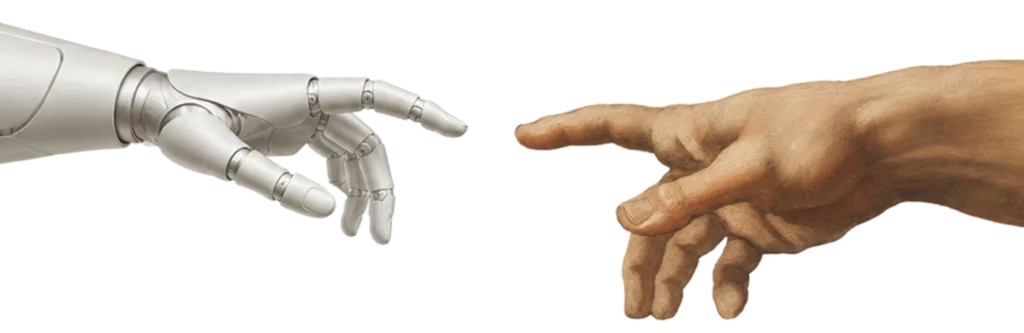
Few museums have pursued that idea longer, or more systematically, than the Cleveland Museum of Art, where Chief Digital Information Officer Jane Alexander has spent more than fifteen years building the digital infrastructure that makes it possible. The museum’s guiding principle, rooted in a 1916 mission to create transformative experiences “for the benefit of all the people forever,” is that technology is never deployed for its own sake but as a tool to bring people closer to the art — to meet visitors, as Alexander puts it, where they are. Its timeline of digital initiatives traces that conviction across almost 15 years:

2012
Gallery One opened with a 40-foot Collection Wall, one of the world’s largest interactive touchscreen displays, featuring more than 4,100 artworks. It also included two early uses of AI. Make a Face matched a visitor’s face with faces in the collection.
2013
The ArtLens App launched, creating a personalized connection between visitors, collection data, and the art on view.
2016
ArtLens Studio explored creative play through computer vision, responsive technology, and interactive design.
2017
ArtLens Exhibition used gestures, eye tracking, and AI to make “Art 101” playful. Express Yourself read visitors’ facial expressions as they looked at an artwork.
2019
Open Access made public-domain images and collection data free to download, share, and reuse, creating a trusted foundation for future AI projects.
2020
During the pandemic, CMA created online experiences including Share Your View and ArtLens for Slack, using AI to connect audiences with the collection from home.
2021-22
Revealing Krishna combined scholarship with four immersive experiences. Its mixed-reality tour used computer vision and spatial mapping to explore the history and conservation of a monumental Cambodian sculpture.
2024
CMA launched a new accessible website and Collection Online experience. Every artwork detail page uses AI powered visual similarity to suggest related works. CMA also opened: Into the Seven Jeweled Mountain, an immersive experience that brought a historic Korean landscape to life.
2025
Pintoricchio Magnified used AI-powered camera tracking to follow visitors’ movements, allowing them to walk through the painting’s conservation layers and explore newly revealed details.
2026
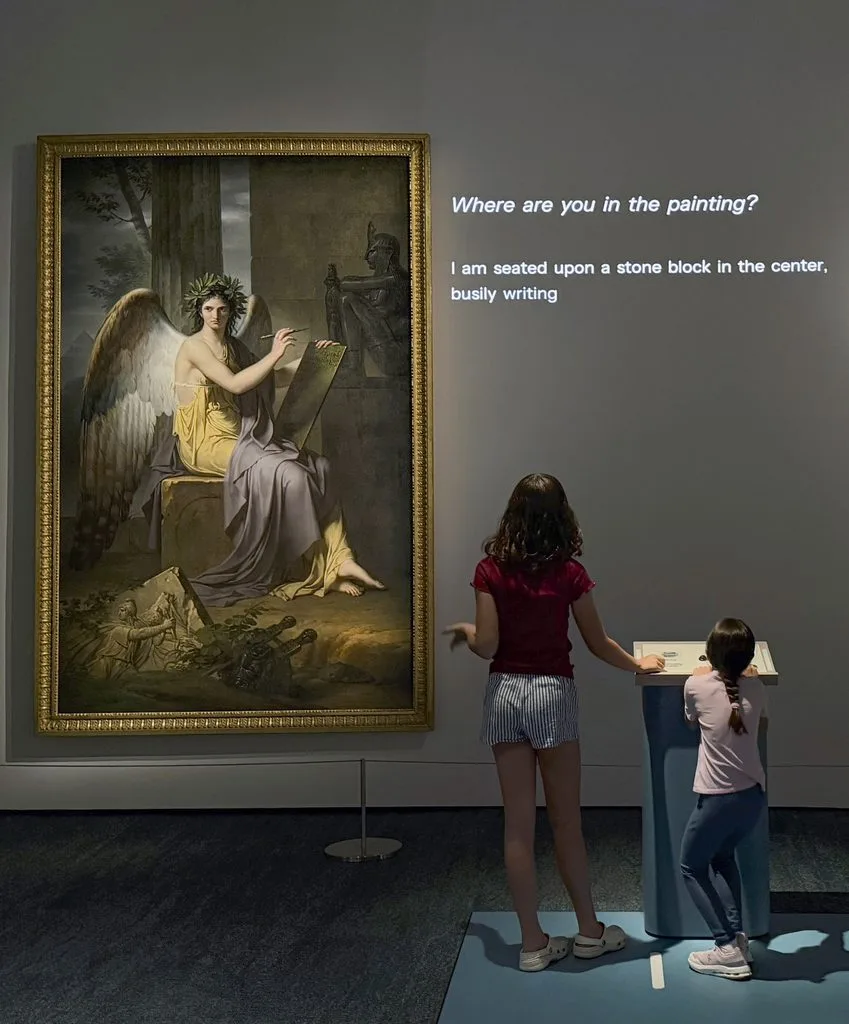
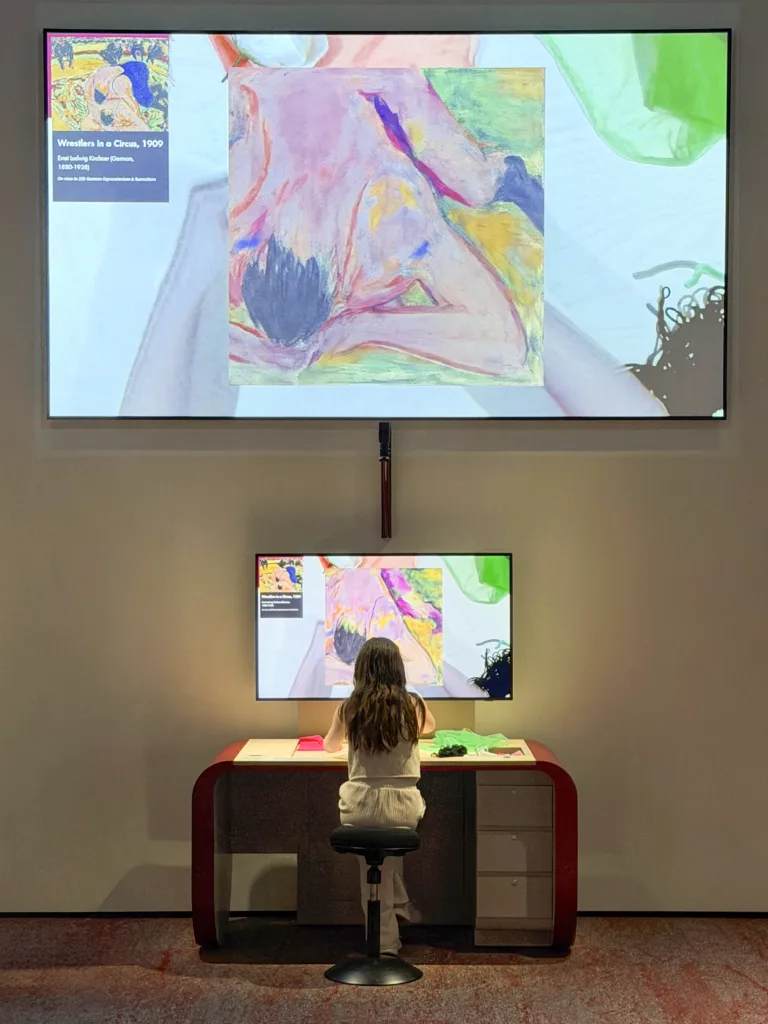
ArtLens Reimagined opened with 21 experiences designed to inspire curiosity, creativity, and closer looking. Seven thoughtfully integrate AI: Talk to the Art, Art Morph, Strike a Pose, Hand Model, Community Mural, Infinite Landscape, and You on View. The new ArtLens App also uses AI to identify every artwork on view and provide immediate access to trusted CMA information. Throughout ArtLens, AI supports rather than replaces human creativity and scholarship, while respecting artists’ rights and protecting visitor privacy.
Although CMA has used AI since 2012, the technology has never been the goal. Like photogrammetry, mixed reality, immersive storytelling, and interactive design, AI is one of many tools the museum uses to support art, learning, accessibility, and audience engagement. Each project builds on lessons from earlier work. The online game Extend the Art, for example, teaches people to write effective AI prompts using artworks from CMA’s Open Access collection. The game took one month to build and another 11 months to test and refine with appropriate safeguards. CMA also publicly shares its principles, practices, and safeguards through its public vision statement: AI in Service of Art, Learning and Accessibility
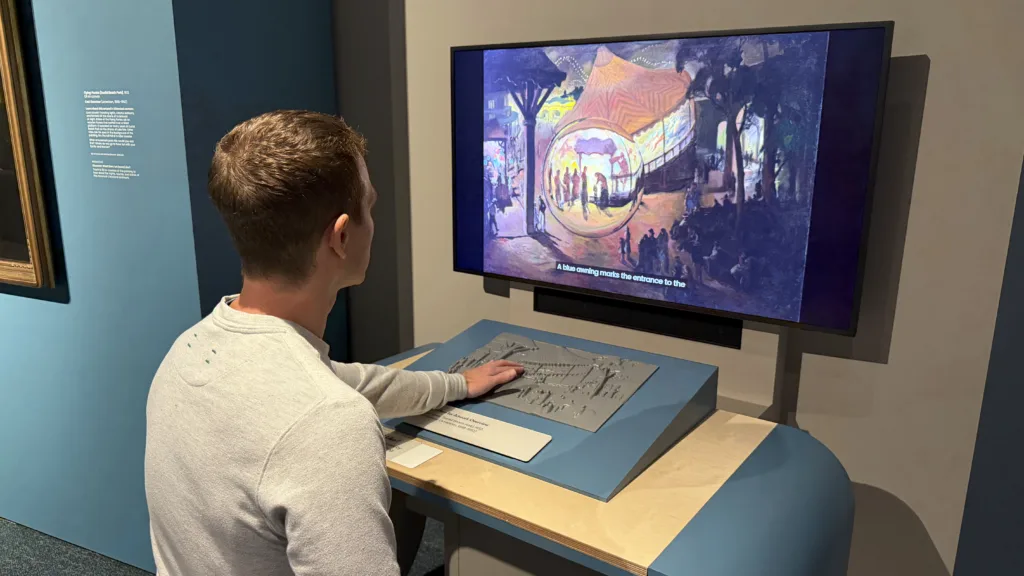
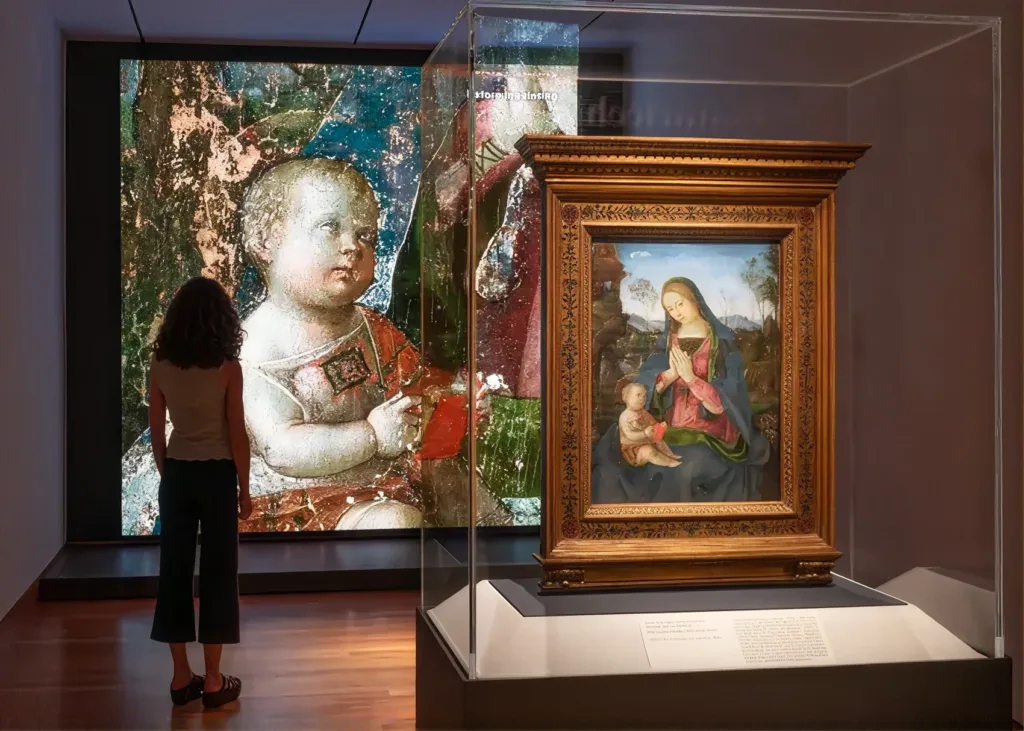
Across these projects, the museum’s analytics show that playful digital experiences encourage people to engage more deeply with the collection and look more closely at the original art.
Accessibility has become an especially important area for this work. After a 2023 workshop at the National Gallery of Art, CMA and the National Gallery formed a museum consortium to explore how AI could help create visual descriptions at scale. CMA administers the group, which meets monthly to share research, testing, and lessons learned. Working with the accessibility firm Prime Access Consulting, CMA developed a roughly 40-page guide, built prompts and tools from it, tested several AI models, and manually wrote approximately 1,500 descriptions as examples. With credits from Google, CMA used Gemini to help extend this work across the collection. In spring 2026, the museum launched visual descriptions for the primary images of more than 68,000 objects. Each AI-assisted description is clearly labeled and invites public feedback, continuing a practice that already generates approximately 50 messages a week about CMA’s collection data. The result is a collection that is more accessible and better documented, with technology expanding access while museum expertise, public trust, and the art remain at the center.
