


I was in college when the iPod appeared. In the two decades since, dedicated music players have almost completely disappeared. And yet, beneath the radar, music-making devices have proliferated. Today, there are zillions of cool little synthesizers and “grooveboxes” on the market, and they’re not at all difficult to use.
You can make beats with a Teenage Engineering Pocket Operator ($59), which is about the size of a deck of cards. You can compose lovely melodies and soundscapes with the Roland P-6 ($270), a sampler the size of a paperback book, with rechargeable batteries so that you can use it on the go. (The P-6 can be hooked up to its siblings, which include a synth, for $270, and a drum machine, also for $270, to form a synth-pop band.) Bigger units let you build whole tracks, with different parts playing in parallel. The Elektron Model:Cycles ($349) offers modern sounds and medical-device chic; the Sonicware Deconstruct ($399) lets you pretend your living room is Berghain. The most elegant grooveboxes are probably the Teenage Engineering OP-1 Field ($1,999) and OP-XY ($2,299), which are like scaled-down music studios with Apple-calibre designs and batteries that last all day; the Field is better for keyboard players, while the XY works best for purely electronic music.
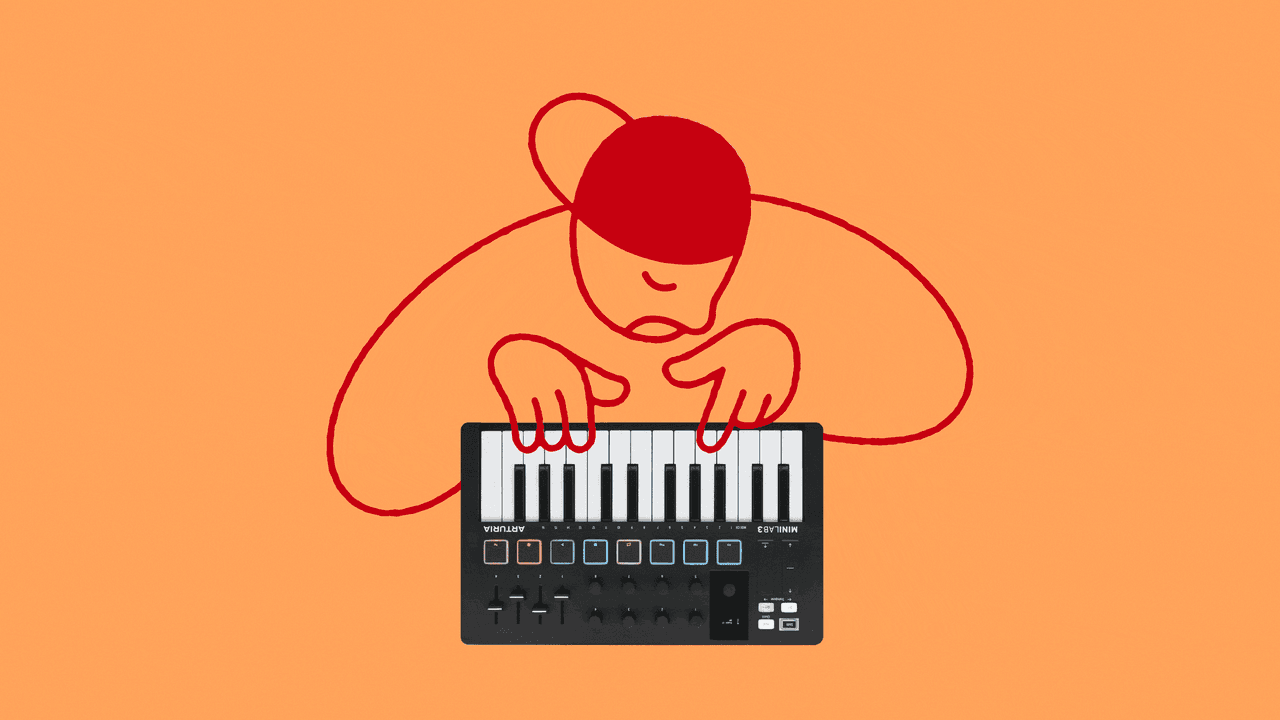
A computer or a tablet can, itself, become a musical gadget, with the addition of the right piano-style keyboard. The Arturia MiniLab 3 ($119) is a compact model that connects to your computer and lets you play, compose, and record in apps like GarageBand, which contain hundreds of free synthesized instruments. You can listen through the lightweight, comfortable Koss PortaPro headphones ($50), which weigh nothing but sound gorgeous, and record your songs with a phone app like Tape It, for listening on the go. If you know a lapsed musician, any of these tools could help get them back up and running—especially in combination with a lesson or two from an online instructor. I’m hoping to learn more about my synthesizers from Jeremy, at Red Means Recording, this winter.
Photography and Filmmaking
Everyone has a smartphone, and every smartphone has a camera; this means that everyone is just a step away from becoming a hobby photographer. Doing so is partly a matter of self-perception—you have to look at your pictures with a critical, artistic eye—but it also has to do with equipment. The Canon Selphy Printer ($159), which allows you to effortlessly print four-by-six photographs at home, can help bridge the gap between taking pictures and making photographs to keep. The Aura Carver Frame ($149), which can rotate through pictures you select, creates a place for your best digital pictures to live.
Giving someone a dedicated camera is like giving them a new form of self-expression. There are all sorts of cameras, and they suit different kinds of photographers—but don’t overthink it, since people can grow into the tools they happen to have. The Insta360 Go Retro Bundle ($320) contains an action camera (great for filming daredevilry and dynamic exploits) that can also be used as a pocketable point-and-shoot. The Polaroid Now ($120) is a stylish instant camera perfect for social butterflies. The Lomography MC-A ($549) is a 35-mm. film camera with autofocus. And the Panasonic Lumix L10 ($1,498) is a discreet but powerful model with a built-in zoom lens and options for “color-grading”—that is, giving photos or footage a professional, cinematic look.
Playing and Exploring
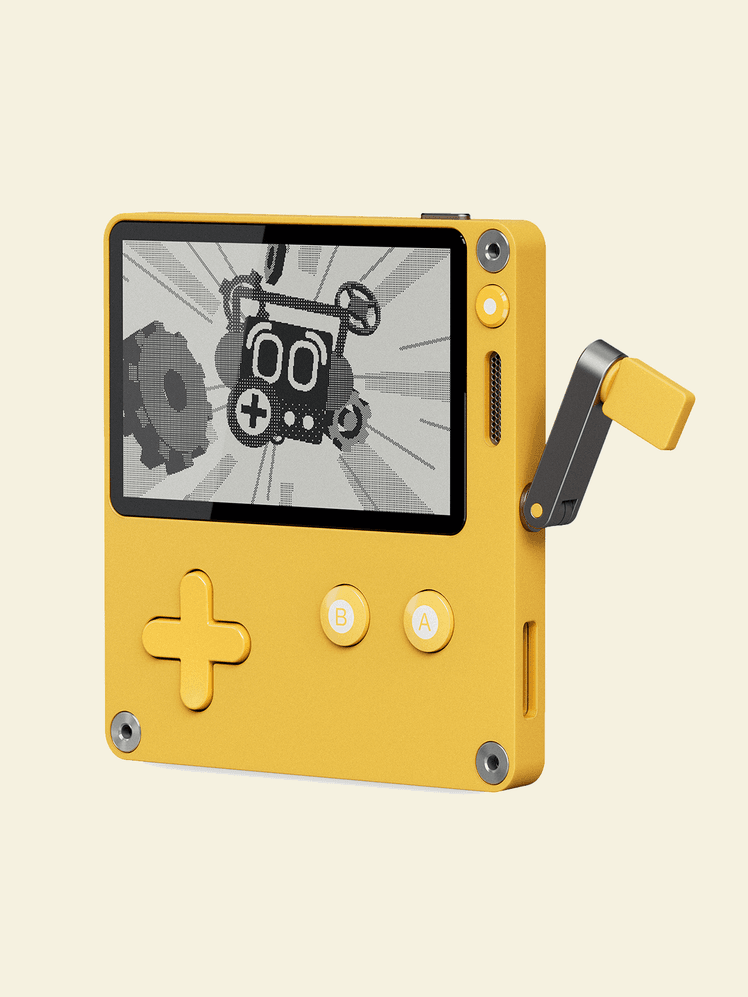
Writing, drawing, music-making—an art form that combines them all is game design. Earlier this year, I bought our family a Playdate ($229), a handheld video-game console with its own easy-to-use game-creation tool, which runs in a web browser. My son and I had fun making a little game; we even moved beyond the browser-based editor, writing our own code directly (with a little help from Claude). And we also played Big Walk ($20), an unforgettable adventure from a game studio called House House. In Big Walk, you play together but on separate screens—I used a Nintendo Switch, he used his computer—solving puzzles while communicating almost entirely through systems of symbol and gesture that you improvise. It’s a video game that brings out new aspects of your own creativity and ingenuity—a perfect example of how humanizing technology can be. ♦
