


Summary
- Boeing compensated Alaska Airlines with $162 million in cash for losses resulting from the 737 MAX 9 incident in January 2024.
- Despite the incident, Alaska Airlines improved its operational results in Q1 2024, reducing its net loss compared to the previous year.
- Alaska Airlines expects to end 2024 with earnings per share between $3.25 and $5.25, aiming for growth despite challenges faced earlier in the year.
As Alaska Airlines posted its Q1 2024 results, the parent company of the airline, Alaska Air Group, unveiled that it had signed an agreement with Boeing to compensate for the losses associated with the Boeing 737 MAX 9 incident in January 2024.
Cash compensation
Alaska Airlines disclosed that Boeing paid the group $162 million in cash, addressing the financial damage it had sustained during the first three months of the year, adding that its Q1 operations and results were significantly impacted by the incident in January 2024.
Then, an Alaska Airlines Boeing 737 MAX 9 was operating flight AS1282 between Portland International Airport (PDX) and Ontario International Airport (ONT). As the aircraft was climbing out of PDX, the mid-cabin door plug blew out, falling to the ground.
No passengers or crew received serious injuries during the event, with the Boeing 737 MAX 9 safely returning to PDX after declaring mayday. Shortly after the incident, Alaska Airlines and United Airlines voluntarily grounded the aircraft, followed by the Federal Aviation Administration (FAA), which mandated operators to inspect their door-plug-equipped 737 MAX aircraft.
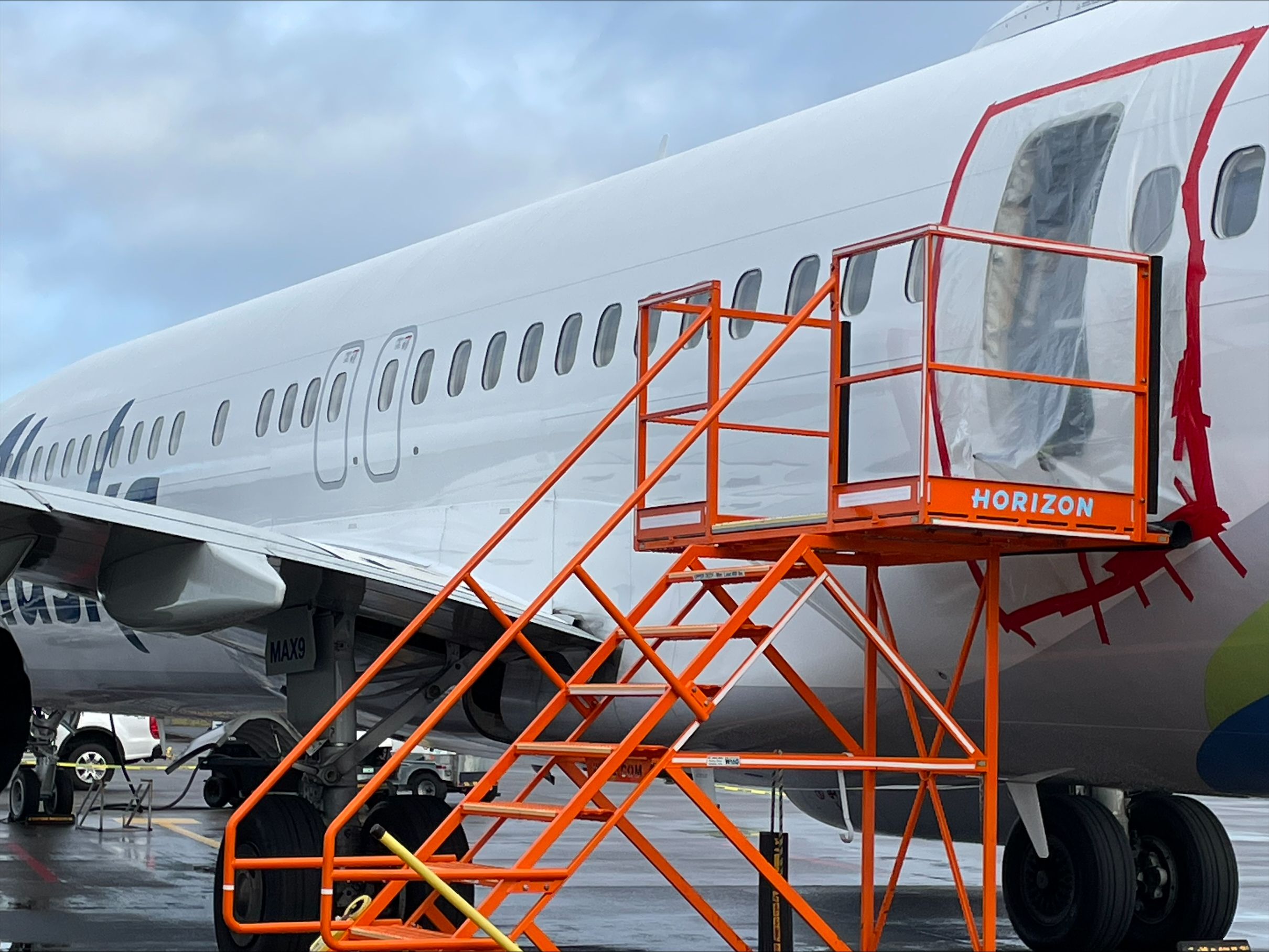
Photo: NTSB
In its preliminary report, the National Transportation Safety Board (NTSB) said that during the manufacturing process of that 737 MAX 9 airframe, there were five damaged rivets on the frame forward of the door plug. As a result, technicians had to open the door plug to replace the damaged rivets. However, photo documents obtained from Boeing showed that the door was closed without any retention bolts, two vertical movement arrestor bolts, and the forward upper guide track bolt.
Related
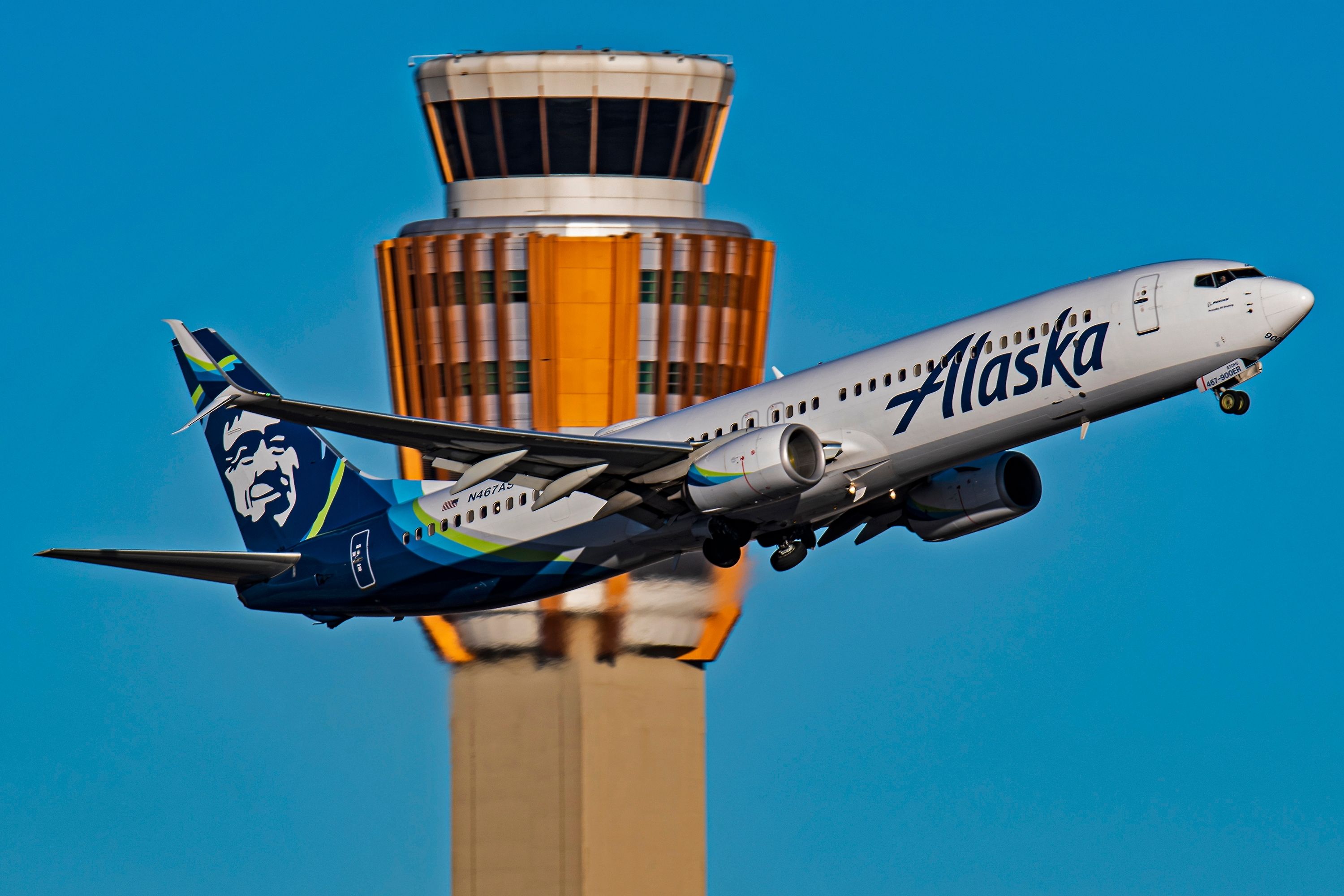
What Are Door Plugs & Which Aircraft Have Them?
A closer look at the aircraft component that Alaska Airlines flight AS 1282 brought into the spotlight.
Improving operational performance
Despite the incident and the subsequent groundings of its 737 MAX 9 aircraft, Alaska Airlines improved its operational result, with the group ending Q1 2024 with an operational loss of $166 million. Last year’s operational loss was $186 million.
Its revenues and expenses remained relatively the same, with overall revenue, consisting of passenger, Mileage Plan other revenue, and cargo and other revenue, being $2.2 billion at the end of the period, an improvement of 2% Year-on-Year (YoY). Meanwhile, operating costs rose by 1% YoY, creeping up to $2.39 billion, compared to total operating expenses of $2.38 billion in 2023.
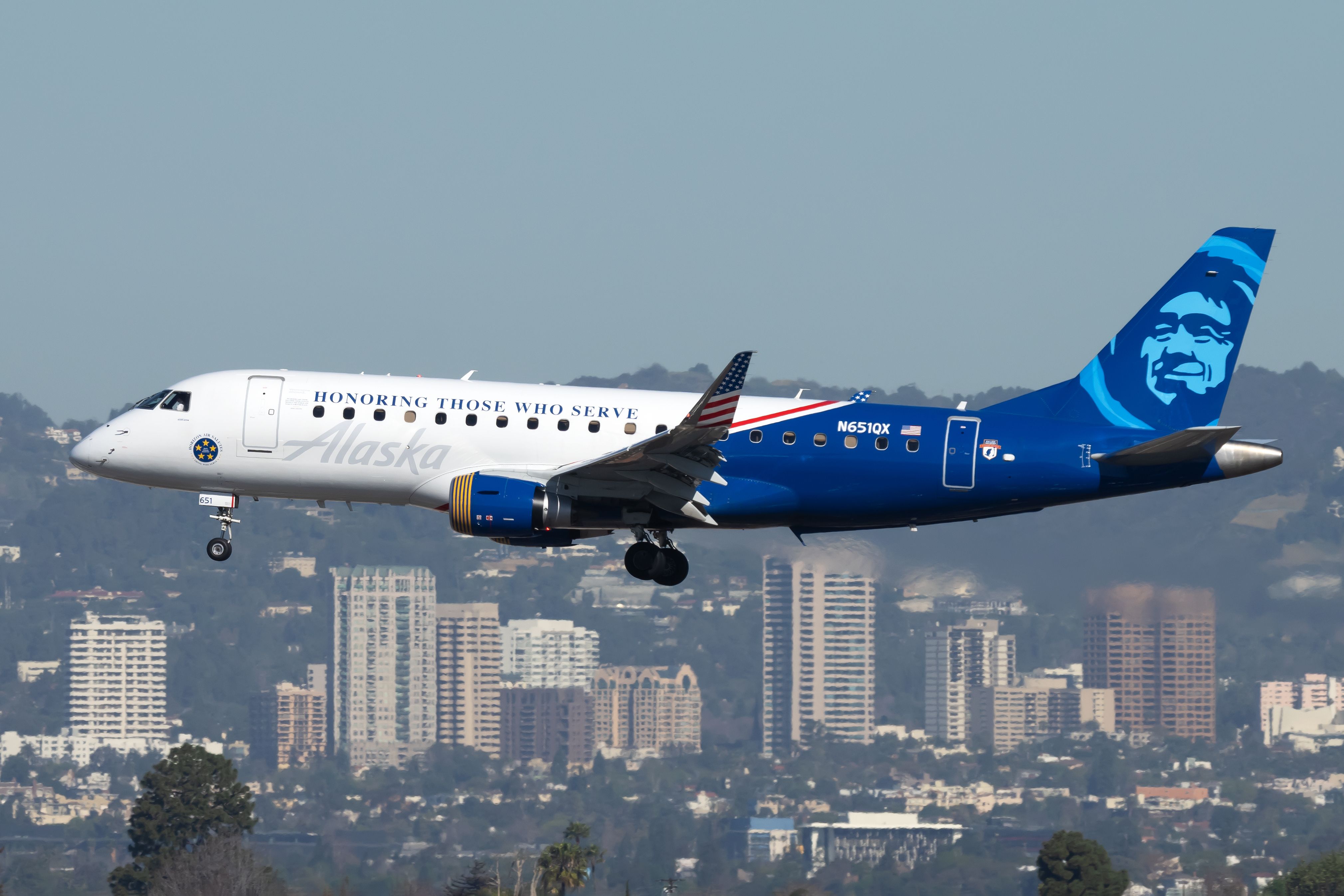
Photo: Vincenzo Pace | Simple Flying
Alaska Airlines’ net loss has also improved, with the airline group ending the first three months of the year with a net loss of $132 million, while last year, its Q1 result was a loss of $142 million. That was despite the fact that the airline carried 1% fewer passengers, 9.7 million versus 9.8 million in 2024 and 2023, respectively while deploying 2% fewer available seat miles (ASM) on its network.
Related
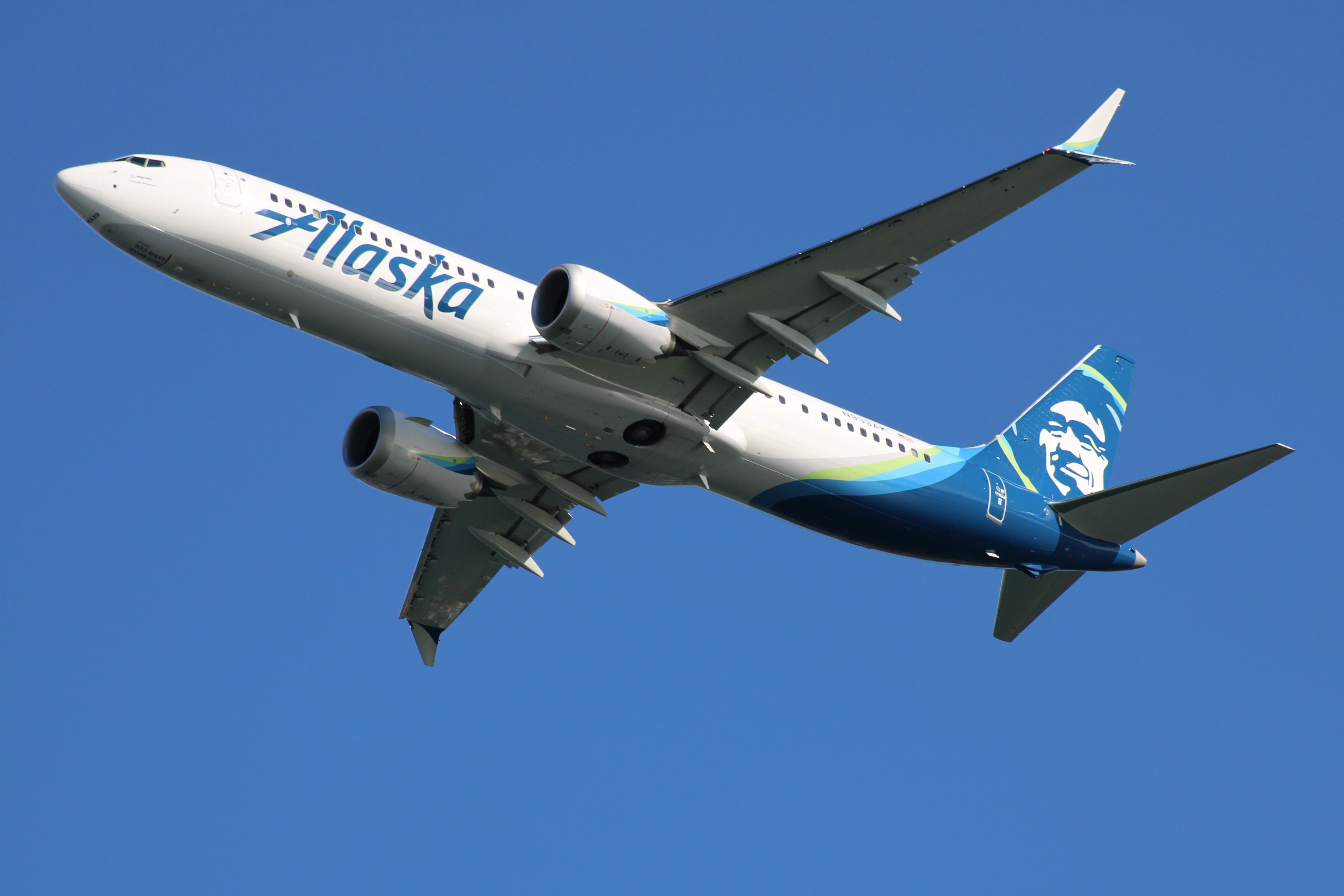
Alaska Airlines Expects Boeing 737 MAX Grounding To Cost $150 Million
Despite the negative financial impact, Alaska Airlines expects to grow its profits in 2024.
Improving yearly profit
Looking forward, the group expects to end the year with an earnings per share (EPS) of between $3.25 and $5.25. It finished 2023 with a net income of $235 million or $1.83 EPS (diluted). However, its YoY capacity should contract by 3%.
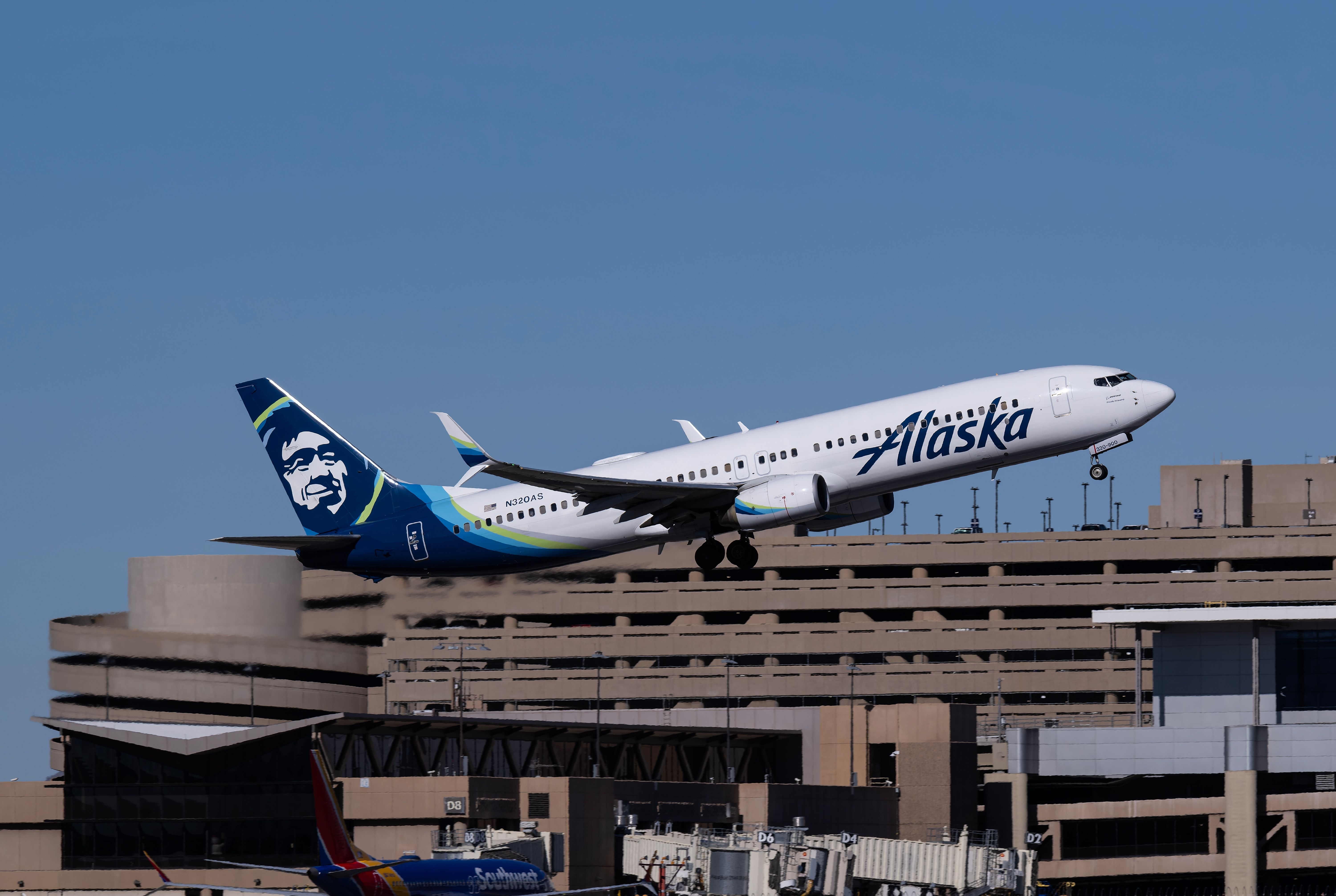
Photo: Robin Guess | Shutterstock
In Q2 2024, Alaska Airlines expects its YoY capacity to grow by between 5% and 7%, with an EPS of between $2.20 and $2.40. It estimated that its economic fuel cost per gallon would be from $3 to $3.20. Speaking about the results, Ben Minicucci, the chief executive officer (CEO) of Alaska Air Group, said that the group exceeded expectations despite the challenges, adding that it was well-positioned to carry its strong performance into the next few months.

Related
Hawaiian & Alaska Airlines Agree With DOJ On Timing Of Merger
The two airlines emphasized that they will continue cooperating with the DOJ to finalize their merger.
