

Embraer Sees No Change To US Scope Clause That Would Call For E175-E2 Development Resumption


Embraer executives have expressed mixed feelings about the company’s future product strategy in the United States, admitting that while there are no prospects of scope clause changes that would enable the company to resume the development of the E175-E2 in the short term, there is still a strong market for the E175-E1.
E175-E1’s strong performance
Speaking during Embraer’s Investor Day in New York on November 18, Arjan Meijer, the president and chief executive officer (CEO) of Embraer Commercial Aviation, admitted that he does not see any changes coming to scope clauses in the short-term future. The executive added that this was just not the right moment.
However, Meijer praised the E175-E1, which has been an amazingly well-performing aircraft, with the type basically being the reason why airlines are reluctant to push the changes in its agreements with pilot unions.
“The E175-E1 was so good that the gap of the E175-E2, which had a smaller engine, which had a smaller gap in terms of fuel burn, it was not enough for airlines to say, “Okay, let’s go through the hassle to change the scope clause to get the
E175-E2
.”.”
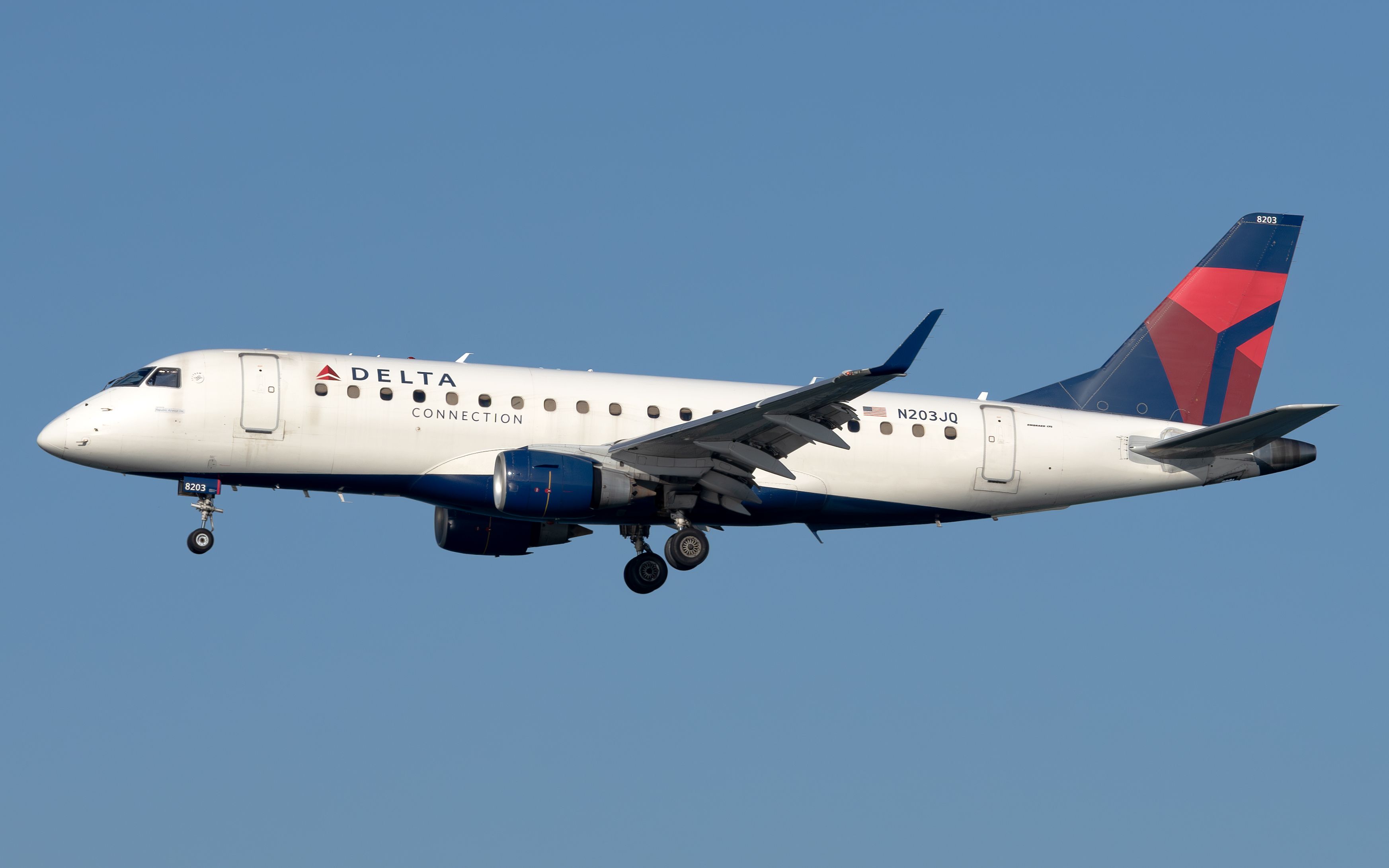
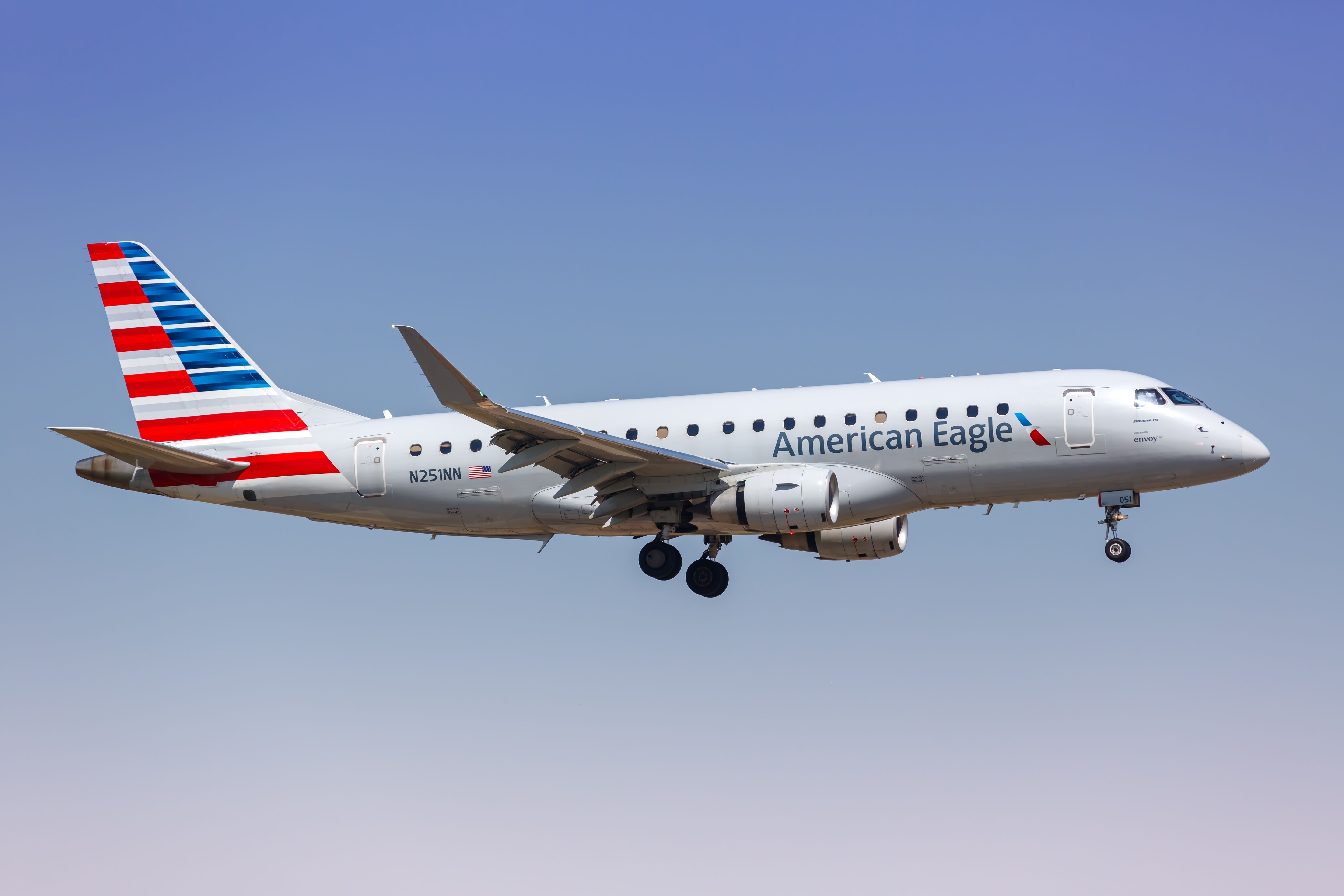
Photo: Vincenzo Pace | Simple Flying
At the same time, Meijer touched upon the point that there will have to be discussions in the future. If the aviation industry wanted to reduce its fuel burn and environmental impact, something needed to happen regarding the scope clauses at regional airlines in the US.
“[The scope clause] can either change the seat count or it can change the maximum takeoff weight [MTOW]. I think short term, no, but I think long term, I think we are going to have to see what is next to cover that base.”
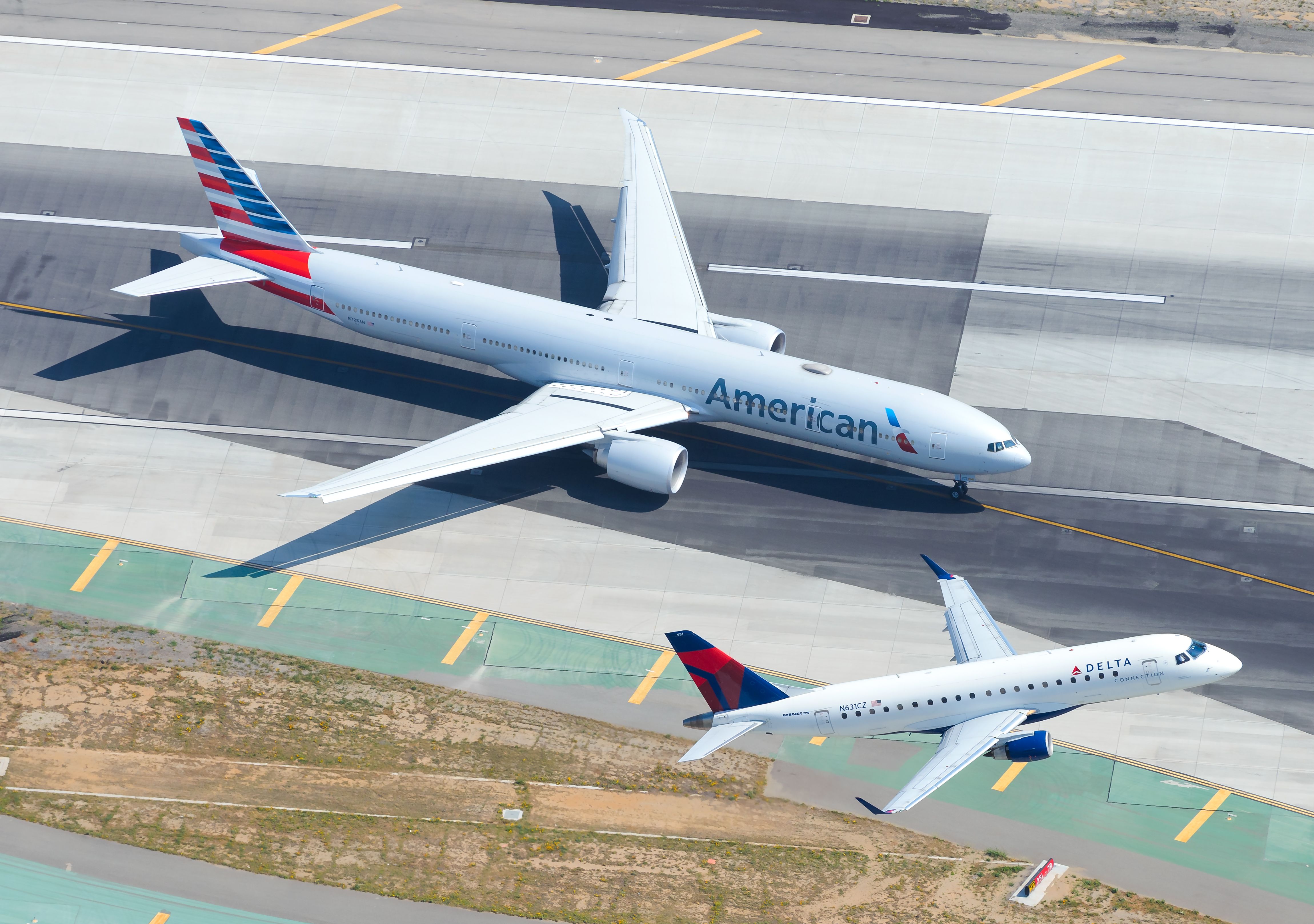
In the US, airlines and pilot unions have agreements that limit regional carriers’ aircraft size to a maximum of 76 passengers or an MTOW of 86,000 pounds (39,000 kilograms).
According to Embraer, the E175-E2 can seat up to 90 passengers in a single-class configuration, with the aircraft’s MTOW being 98,120 lb (44,600 kg).
Embraer suspended the development of the E175-E2 in February 2022, with the manufacturer citing scope clause limitations as the reason why the E175-E2 program was frozen for the time being.
Mitsubishi, which had been developing the SpaceJet, was forced to abandon its clean-sheet aircraft for the same reason. When the Japanese conglomerate announced that it would stop the SpaceJet program in February 2023, one of the company’s executives acknowledged that Mitsubishi was naive about the hurdles it had to face during the development of the program.
Related
Scope Clause: The Regional Airlines’ Capacity Cap Explained
A closer look at the reason why pilots’ unions limit regional jets to 76 seats.
Long-term changes
Meijer added that in addition to the environmental concerns, the smaller regional jets within the 50-seat market segment are slowly disappearing. There are no new aircraft within that market, and in the future, airlines will have to rely on bigger, 80 to 100-seat jets to serve smaller communities.
“Maybe the E190-E2 could be something that could fit [that market]. This is me maybe wishfully looking into the future.”
The E190-E2 can seat up to 114 travelers in a single-class configuration, with the manufacturer’s product page indicating the aircraft’s MTOW is 124,340 lbs (56,400 kg).
In the US, airlines are slowly moving away from the smaller, 50-seat regional jets. According to Airlines 4 America (A4A), a US-based airline association, at the end of 2019, there were 660 active small regional jets (50 or fewer seats). As of November 2024, the number has dwindled down to 260.
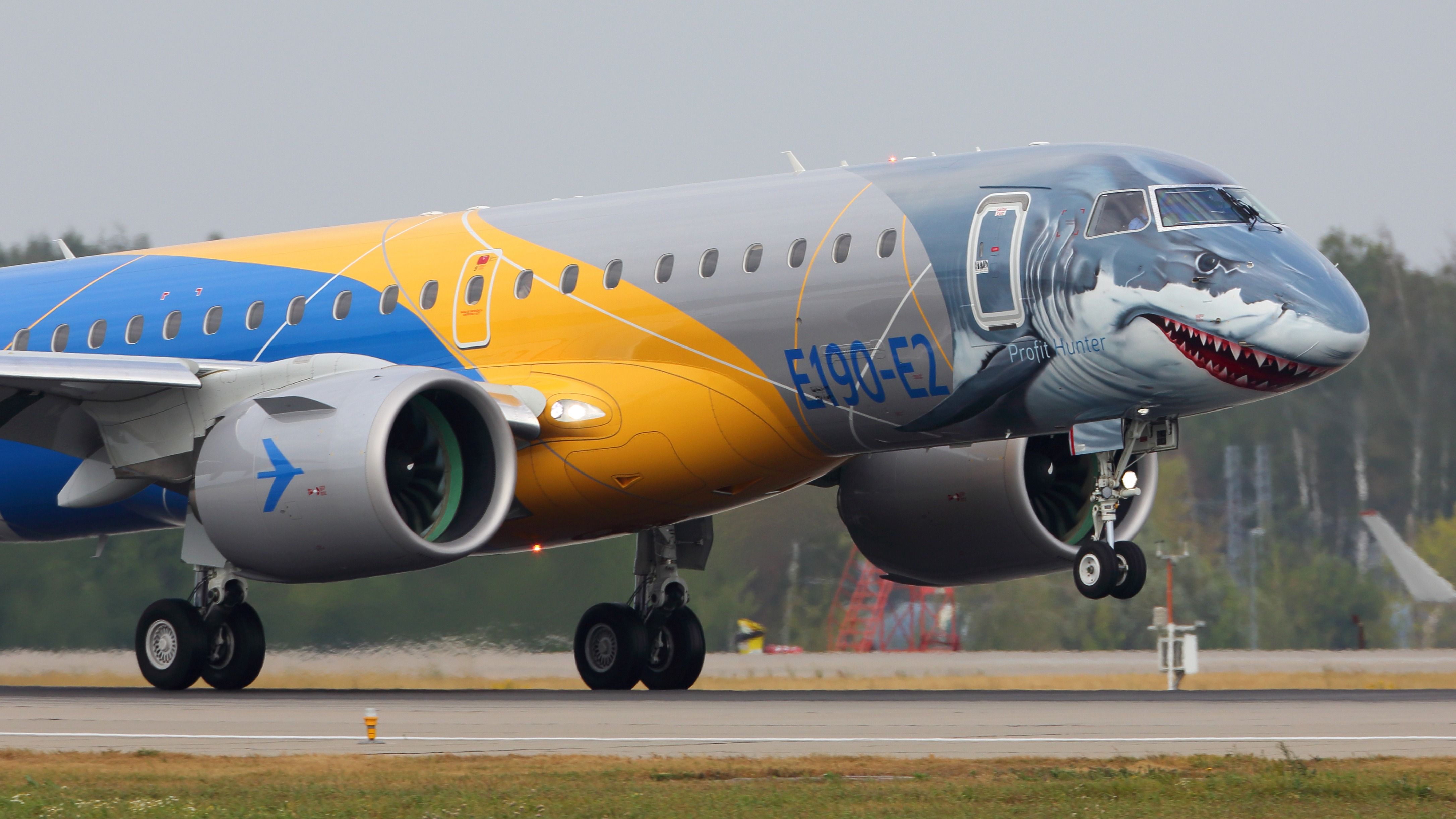
Photo: Fasttailwind | Shutterstock
Meanwhile, larger regional jets, seating between 51 and 100 passengers, have yet to recover to their 2019 levels, with airlines scheduling flights with 1,150 and 1,107 regional jets within this segment in 2019 and 2024 (as of November 21), respectively.

Related
Examined: The Airlines Operating The Most Flights With The Embraer E2 Family
Brazil-based Azul and Canada-based Porter Airlines are some of the largest operators of the Embraer E2 aircraft family.
Important market
Nevertheless, the US remains an essential market for Embraer. According to Francisco Gomes Neto, the president and CEO of Embraer, the Brazilian manufacturer has had a presence in the country for 45 years.
“[The] US is one of the most important markets for Embraer and we see a lot of opportunities to grow our presence in the US even further.”
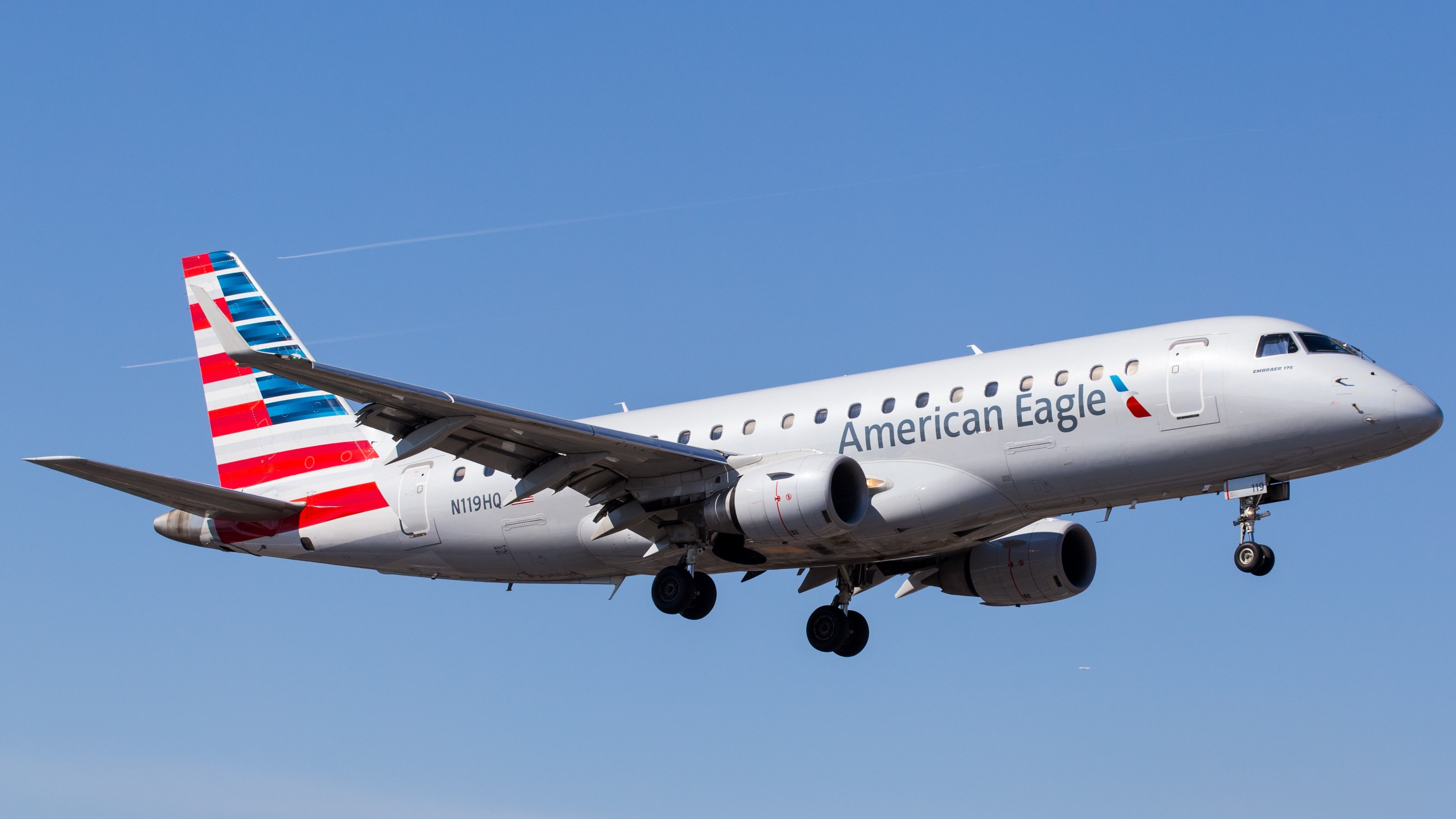
Photo: Wenjie Zheng | Shutterstock
Neto said that the company predicts sales of up to 300 E175-E1 jets in the next ten years, adding that there is an excellent opportunity for the E2 aircraft family to fill the gap between regional jets and larger narrowbodies.
Neto concluded that this would help airlines offer higher flight frequencies and explore new routes efficiently.
Related
American Airlines Confirms Order for 260 Airbus, Boeing, and Embraer Aircraft
American’s order includes 85 Airbus A321neos, 85 Boeing 737 MAX 10s, and 90 Embraer E175 planes. Its A319 and A320 fleets are also up for a retrofit.
