


Carrying a mystic of almost invincibility and pure terror, the Red Baron’s famous mount was anything but perfect, with several faults limiting it below its anticipated performance.
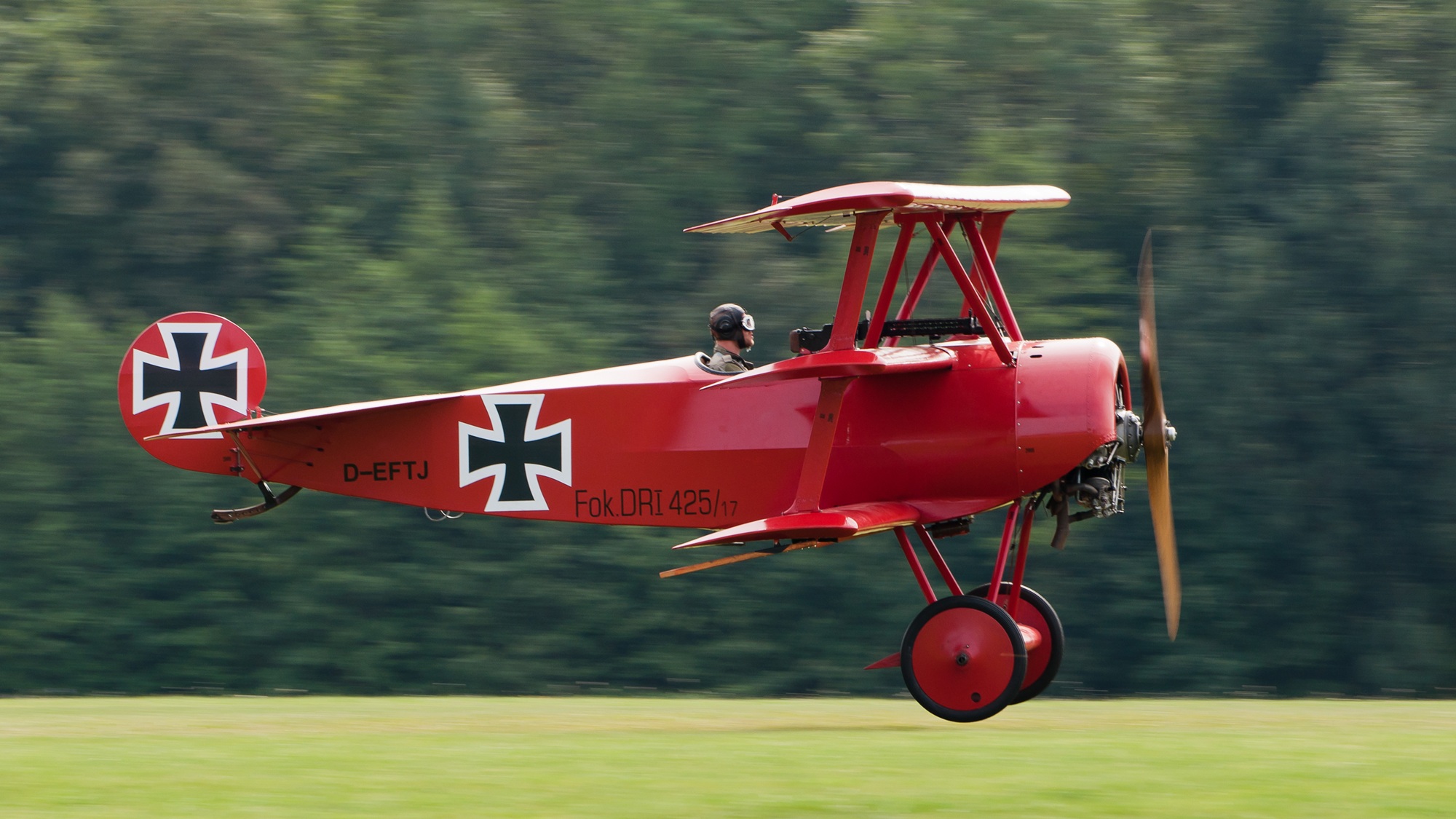
Although built in somewhat limited numbers and in service for a short period of time, the most famous mount of the world’s most famous ace, Germany’s Manfred von Richthofen , the ‘Red Baron’, is almost always associated with the air battles of the Great War, and is easily recognized by its triplane design and bright colors of the ‘Flying Circus’ along with the black crosses adorning the wings, tail, and fuselage. Hollywood and history has often portrayed the nimble little fighter as the pinnacle of aircraft design at the time, but was it?
Triplane Needed
When the new British Sopwith Triplane first successfully tangled with German aircraft in early 1917, it inspired a veritable frenzy of German triplane designs. Several manufacturers produced triplane examples, but only Fokker had the means to produce their Dr.1 entry in numbers great enough to make any impact.
The Sopwith Triplane had a tremendous success rate during the months of May through July, tallying up over 80 victories with few loses. It was a lone bright spot for the British air effort after just suffering the month of ‘Bloody April’ during which they had great losses at the hands of German aircraft lead by Richthofen.
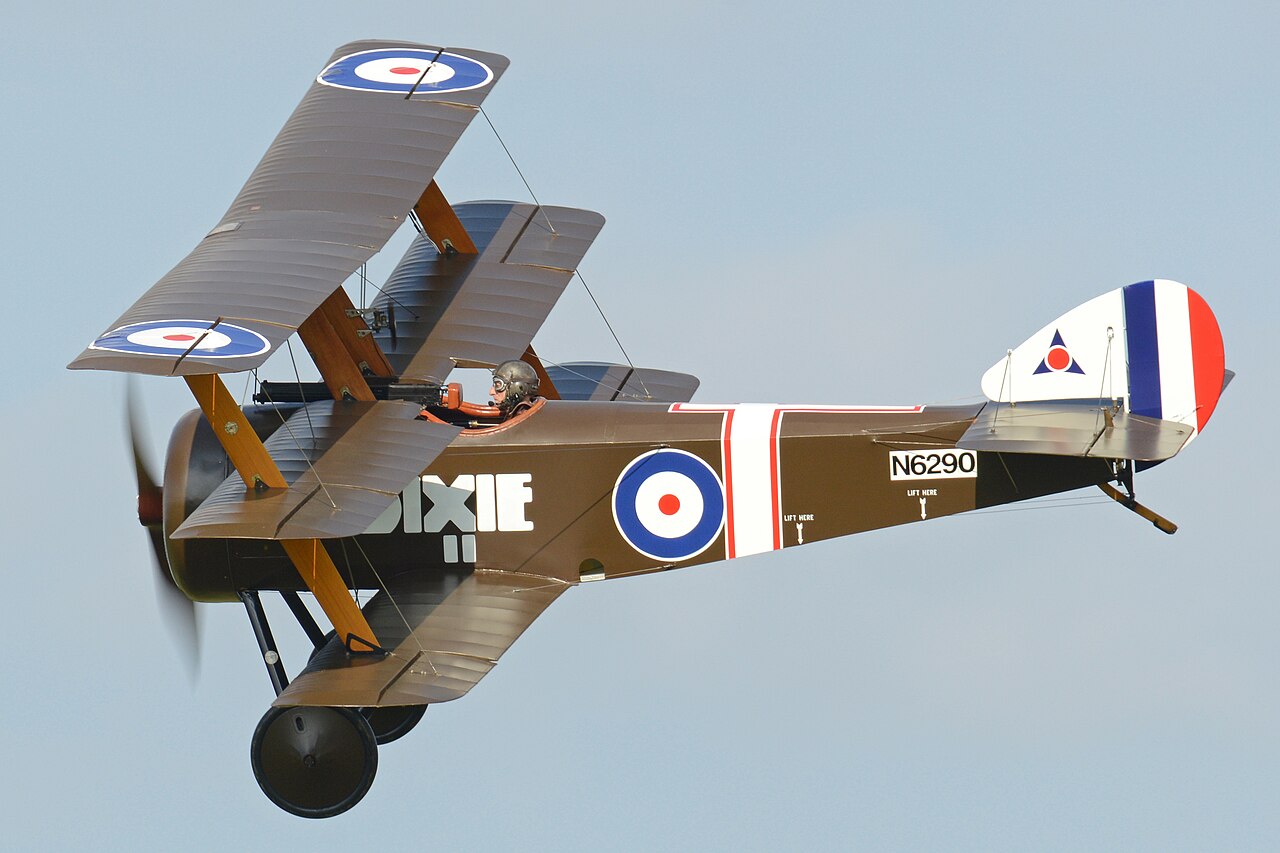
Powered by a 130 hp Clerget rotary engine, the Sopwith Triplane was said to be able to out-maneuver and out-climb the potent Albatross D.III favored by German pilots at the time. This lead Germany to concentrate on a triplane design based on the layout of the Sopwith model, anticipating the new aircraft would change the fortunes of war for the Central Powers.
The Fokker Dr.1
A diminutive aircraft even for its day, the Dr.1 had a wingspan of 23 ft 7 in, length of 18 ft 11 in, and was powered by a 110 horsepower Oberursel Ur.II 9-cylidner rotary engine giving it a top speed in the neighborhood of 110 miles per hour. Empty the plane weighed in just over 800 lb with a maximum takeoff weight of 1,291 lb.
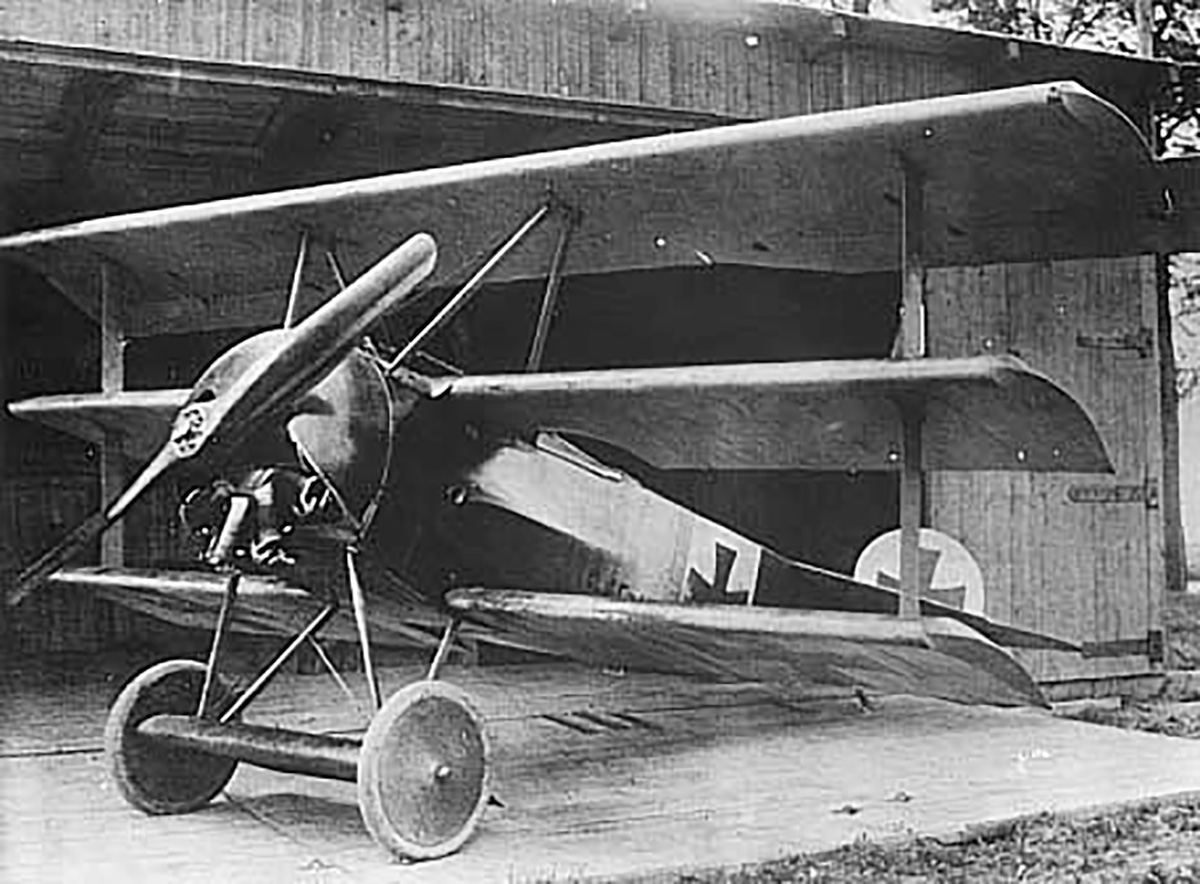
Armament consisted of two forward-firing LMG 08/15 ‘Spandau’ water-cooled machine guns mounted side-by-side on the upper side of the forward fuselage just forward of the cockpit. The guns were synchronized with an interrupter gear to fire through the propeller arc without striking the propeller. Each gun had 500 rounds of belt fed ammunition available. The guns could be fired individually or simultaneously together.
The aircraft was not the fastest of its contemporaries, but it was very agile in the hands of a skilled pilot. Once a Dr.1 was on your tail, they were rarely shaken off, and usually only a high-speed dive would do so. The Dr.1 could also out climb many of its opponents.
In comparison to many models of the time, relatively few Dr.1s were produced, with 320 being built.
Difficult Days
On Oct. 30, 1917, during their first flight together in over five months, famed German ace Manfred von Richthofen and his brother, Lothar, took to the skies in new Fokker Dr.1 triplanes. The weather consisted of heavy clouds and rain, making the flight difficult. Suddenly Manfred noticed his brother’s aircraft behaving erratically, acting as though it might be coming apart in midair.
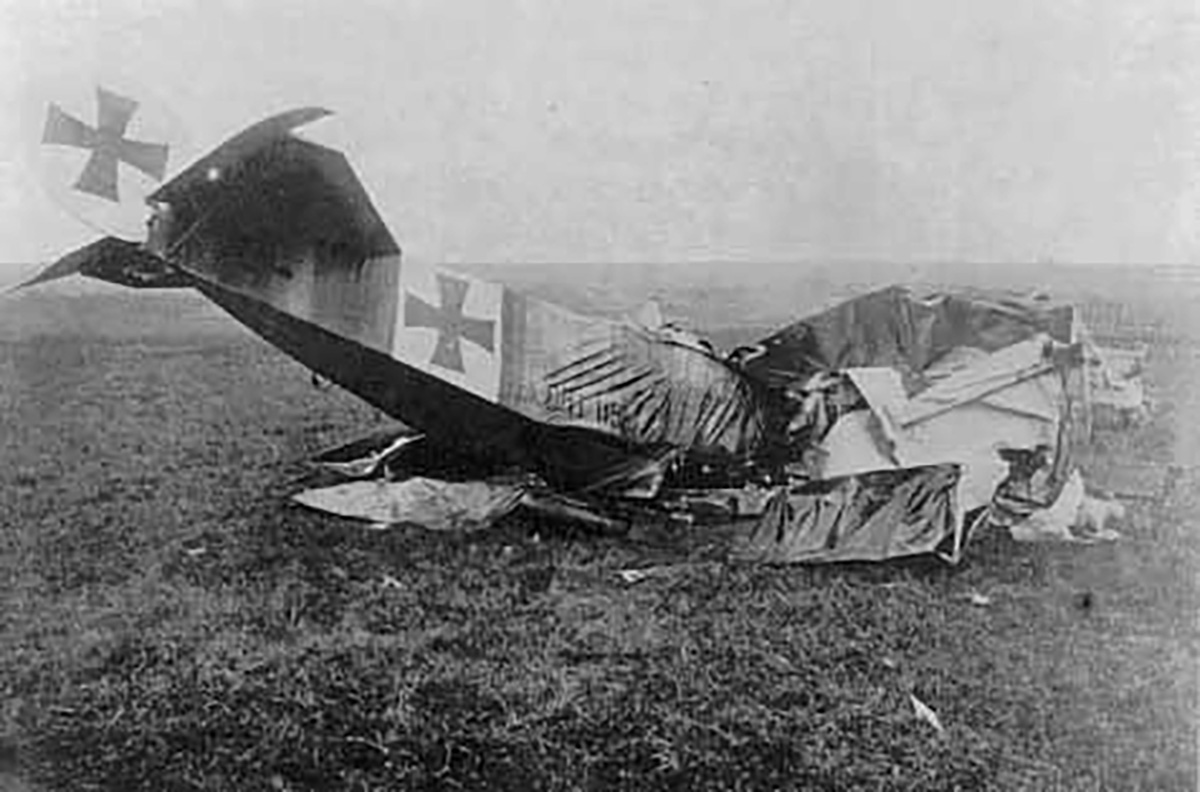
Lothar went down in a glide with the engine off, landing in a flat spot and made a perfect landing. Manfred followed him, touching down in Fokker Dr.1 114/17, which then broke apart and crashed. Manfred escaped unharmed but appalled by the destruction of such a minor incident. The Dr.1 was written off.
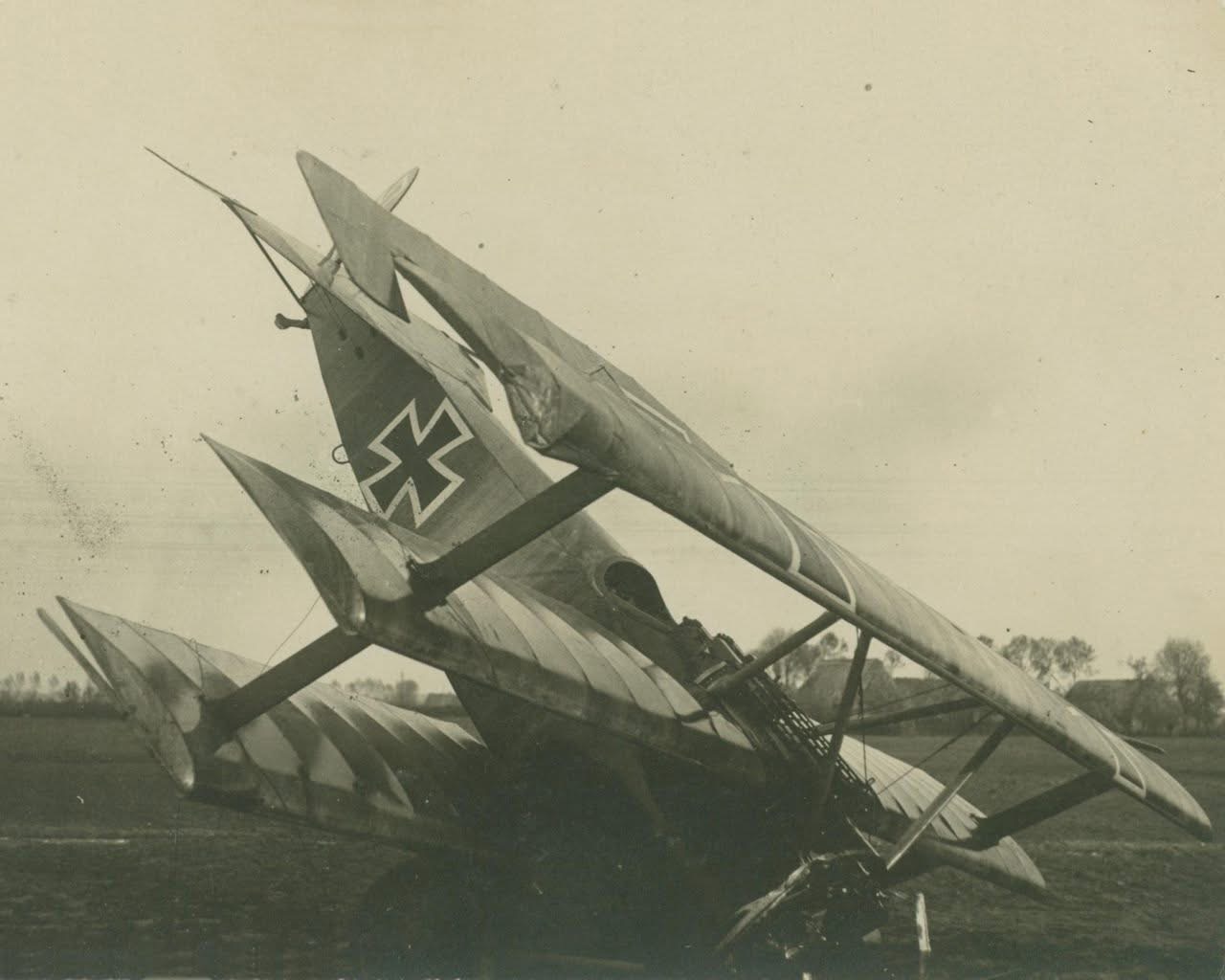
A day later, Fokker Dr.1 121/17 went down during level flight with Günther Pastor of Richthofen’s Jagstaffel 11 at the controls. It appeared the top wing collapsed causing the crash that killed Pastor.
Earlier, Heinrch Gontermann, who was an ace of 39 victories, was killed when his Dr.1 broke apart during aerobatics, just two days before Pastor was lost.
On Nov. 2, all 17 Fokker Dr.1s in service were grounded pending an investigation by a special crash committee. Basic design and construction material qualities would be on the checklist of things considered by the committee. Production of further aircraft of the type was also halted pending the investigation.
Triplane Troubles
The list of complaints on the Fokker Dr.1 included a low top speed compared to Allied contemporaries. The engine also struggled to perform at higher altitudes, and the plane had a limited endurance of about 80 minutes in the air.
The Dr.1s were also known to ‘ground loop’ on takeoff as well as nose-over on landings. Takeoffs and landings were more difficult due to the pilot’s view being obstructed, and it was discovered the middle wing often blocked airflow to the tail affecting low-speed controls at times.
The guns were placed too close to and in front of the pilot’s head, often resulting in serious injury or death should the Dr.1 crash or sometimes just have a rough landing.
Richthofen complained of the rotary engine’s performance utilizing synthetic lubricants produced from coal tars known as Rizinus Ersatz. The engines often seized during the summer months of 1918. Manfred writes: “.I would prefer to have the Fokker (D.VII) with the BMW engine or the supercharged Mercedes.” Soon the Fokker D.VII with inline engines would all but replace the Dr.1s; however Richthofen would be killed before the aircraft reached his unit and he never flew one in combat.
The main issue with the Dr.1 concerned the upper wing structure. The investigation had concluded the wings had been poorly constructed and attached, and along with insufficient waterproofing, the adhesives and the structures would fail. Richthofen often insisted on his aircraft being stored inside wooden shelters especially during wet conditions, but it wasn’t enough. Anthony Fokker was instructed to replace the wings at his own expense and improve the design on future wings and build them to a higher standard. The wings however would still continue to suffer failures into 1918, causing production to eventually cease in May of that year.
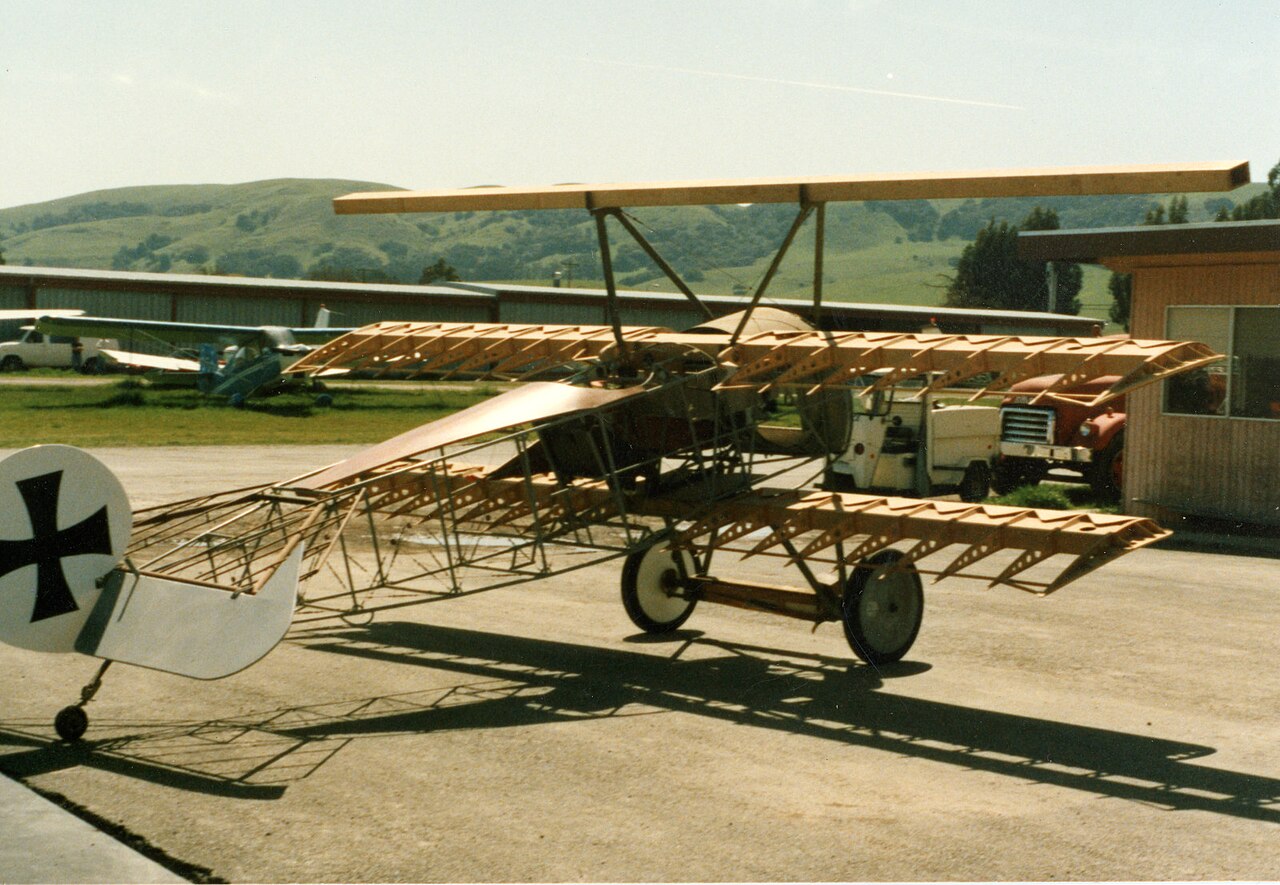
Post-war testing with equipment not available at the time of the investigation revealed the upper wing generated two-and –a-half times greater lift than the aircraft’s other two wings, causing the upper wing to literally want to shear itself away from the aircraft during flight.
Despite the drawbacks and limited numbers of the Dr.1, many of the aces of the Central Powers of Germany and Austria-Hungary still favored the aircraft during the closing months of the Great War, and the type is credited with over 600 aerial victories and has forever etched itself in the annals of history and the imaginations of many.
