

MatchLog Founder Dhruv Taneja sees Union Budget 2026 as Blueprint for Greener, Faster Logistics Growth

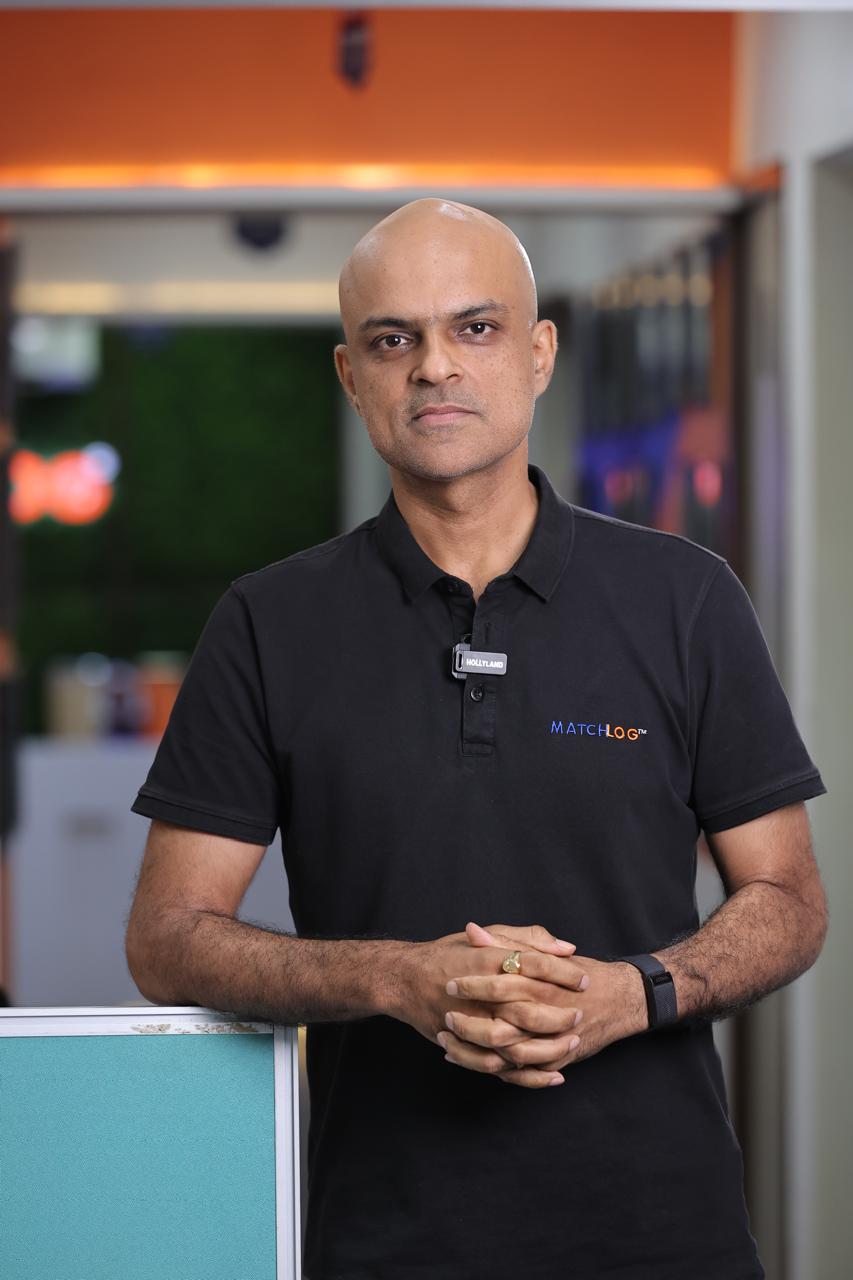
MUMBAI: Reacting to the Union Budget 2026–27, Mr.Dhruv Taneja, Founder and Global Chief Executive Officer of MatchLog Solutions, said the Budget lays out a visionary roadmap for strengthening India’s logistics backbone through infrastructure-led, sustainable growth.
Commenting on the government’s increased public capital expenditure and focus on multimodal connectivity, Mr.Taneja highlighted the emphasis on new freight corridors, inland waterways, coastal cargo promotion and high-speed rail connectivity as key enablers for faster and greener cargo movement, along with improved last-mile access.
“The Union Budget 2026–27 delivers a visionary blueprint for India’s logistics backbone, with public capex rising to ₹12.2 lakh crore, new freight corridors between Dankuni and Surat, 20 additional national waterways, coastal cargo promotion, and seven high-speed rail corridors all pointing to a clear focus on faster, greener cargo movement and last-mile connectivity,” Mr.Taneja said.
He also welcomed the creation of the Infrastructure Risk Guarantee Fund, the introduction of dedicated REITs for CPSE real estate recycling, and the ₹5,000 crore allocation for City Economic Regions in Tier II and Tier III cities, noting that these measures signal a clear intent to de-risk long-gestation infrastructure projects and align logistics growth with emerging demand centres.
Mr.Taneja further pointed to the significance of trust-based customs and warehousing reforms, along with the proposed container manufacturing scheme, stating that these initiatives could strengthen India’s role in global trade flows and improve supply chain reliability.
“Equally important are the trust-based customs and warehousing reforms and the proposed container manufacturing scheme, which can strengthen India’s position in global trade flows,” he added.
Highlighting the next phase of sustainable logistics transformation, Mr.Taneja stressed the need for direct incentives to promote container reuse and reduce empty runs, supported by data-driven frameworks for measurable emission reduction.
“Clear signals on technology adoption, reuse-led models, and outcome-based incentives would help scale digital platforms faster and make India’s supply chains not just more efficient, but genuinely sustainable,” he said.
