


The next time you buy a loaf of bread or a pack of paper towels, take a moment to consider the future that awaits the plastic it’s wrapped in. That future isn’t pretty: Given that most conventional plastics take up to 400 years to decompose, in all likelihood, that plastic will spend the next several centuries rotting in a landfill somewhere.
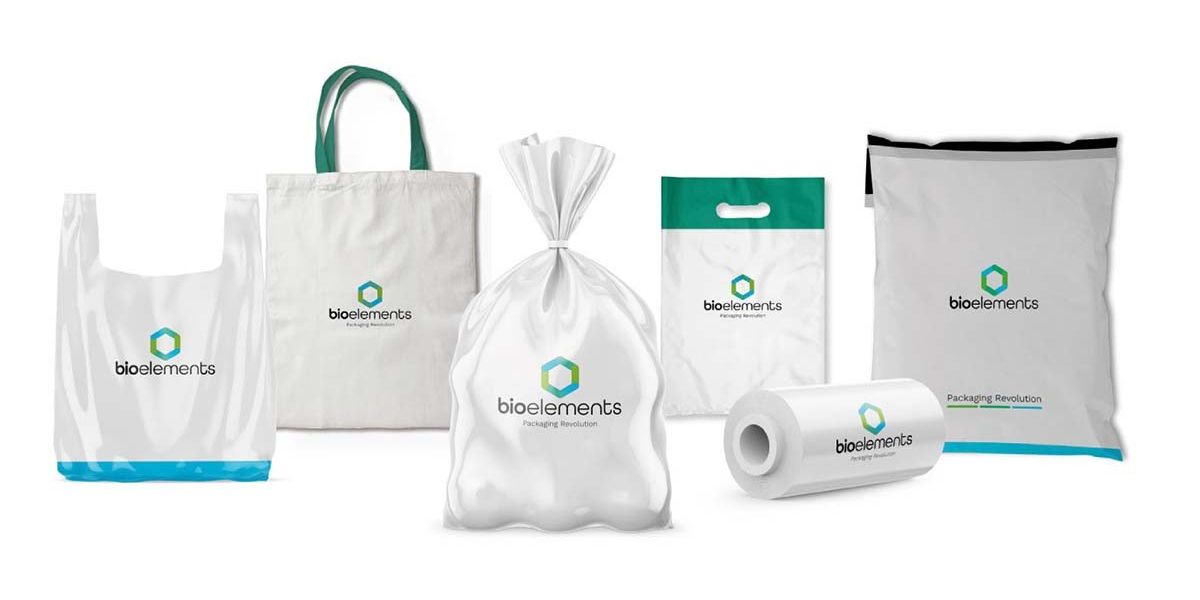
But a Santiago, Chile-based company called Bioelements Group says it has developed a more planet-friendly alternative. The firm, which specializes in biobased, biodegradable, and compostable packaging, says its Bio E-8i film can be broken down by fungi and other microorganisms in just three to 20 months. It adds that the film, which it describes as “durable and attractive,” complies with the regulations of each country in which Bioelements currently operates.
Now it’s looking to enter the U.S. market. The company recently announced that it had entered into partnerships with South Carolina’s Clemson University and with Michigan State University to continue testing its products for use in sustainable packaging in this country. Researchers will study samples of Bio E-8i film to understand how the material behaves during the biodegradation process under simulated industrial composting conditions.
“This research, along with other research being conducted in the United States, allows us to obtain highly reliable data from prestigious universities,” said Ignacio Parada, CEO and founder of Bioelements, in a statement. “Such work is important because it allows us to improve and apply academically driven scientific research to the application of packaging for greater sustainability packaging applications. That is very worthwhile and helps to validate our sustainable packaging technology.”
