

SWISS Airbus Aborts Takeoff at Delhi Airport After Engine Malfunction; Six Passengers Injured – Indian PSU

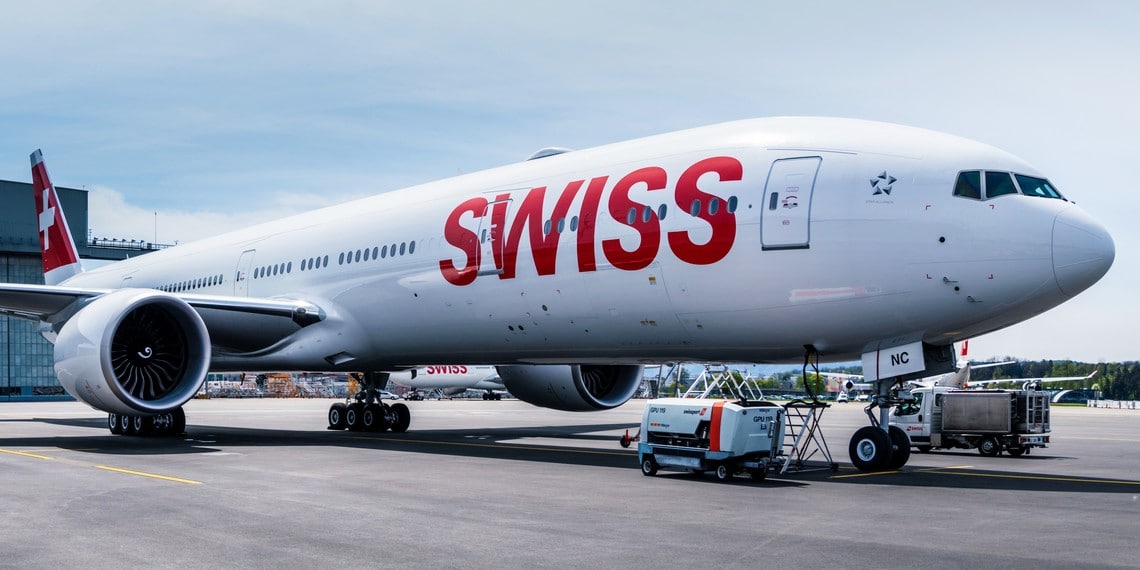
A major aviation scare was averted at Delhi’s Indira Gandhi International Airport in the early hours of Sunday when a SWISS International Air Lines flight bound for Zurich aborted takeoff following an engine malfunction that reportedly triggered smoke and a brief fire indication, forcing an emergency evacuation on the runway. Six passengers sustained injuries during the evacuation process and were shifted to hospital for treatment.
The incident involved SWISS flight LX147, operated by an Airbus A330 aircraft (registration HB-JHK), carrying 232 passengers, including four infants, besides crew members. Airport sources said the aircraft was accelerating for departure on Runway 28 at around 1:08 am when engine number one developed a technical failure. Flight tracking data indicated the aircraft had already touched nearly 104 knots before the pilots rejected takeoff in accordance with emergency procedures.
Following the aborted takeoff, the cockpit crew initiated full emergency evacuation using inflatable slides. While all passengers and crew were brought out safely, six passengers suffered minor injuries amid the hurried evacuation and were admitted to hospital for medical attention. Runway 28 remained temporarily closed until the disabled aircraft could be secured and removed.
SWISS Sets Up Task Force, Technical Team to Arrive in Delhi
In an official statement, SWISS confirmed the incident and said a dedicated task force had been activated to manage passenger assistance and coordinate the technical probe.
The airline stated that shortly after the aircraft commenced takeoff procedures, an issue was detected in one of the engines, prompting the crew to discontinue departure and subsequently evacuate the aircraft as a precautionary safety measure. It confirmed that all crew members were unharmed and six passengers were under medical evaluation.
SWISS further said local teams in Delhi were arranging hotel accommodation, rebookings and onward travel solutions for affected passengers, while technical specialists from the airline would inspect the aircraft to determine the exact cause of the malfunction.
“We are determined to fully understand what led to this incident. The safety of our passengers and crew remains our highest priority,” the airline said.
Another Reminder of Zero-Margin Safety in Civil Aviation
Though the prompt reaction by cockpit crew and airport emergency services prevented a far graver situation, the incident once again underlines the zero-margin nature of aviation safety, particularly during the critical takeoff phase where response time is measured in seconds.
The Directorate General of Civil Aviation (DGCA) and airport safety authorities are expected to review the incident report alongside SWISS technical investigators.
