

India’s First Coal Exchange and Mineral Exchange Set for Finalisation in 8-9 Months – Indian PSU

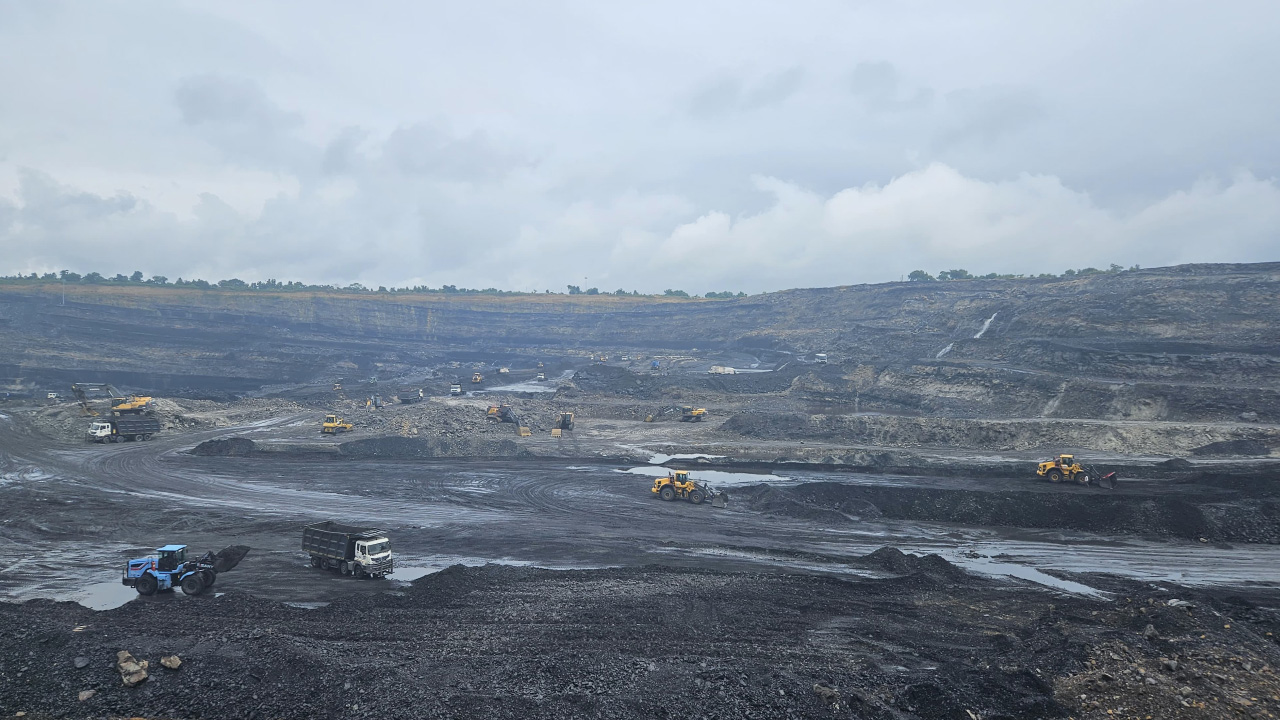
India’s first coal and Minerals exchange is expected to be finalised within the next eight to nine months as the government moves ahead with a new framework aimed at strengthening domestic coal supply, improving price uniformity and reducing the country’s dependence on imports.
The proposed coal exchange is part of a broader reform initiative that also includes a minerals exchange for major minerals. According to government information, the rules for the proposed mineral exchange have already been finalised, while the coal and minerals exchanges are in the final stages of being operationalised.
The exchange is expected to bring greater transparency and uniformity to the pricing of coal and major minerals across different states. At present, differences in taxation and other state-level charges can create significant variations in mineral prices and influence investment and industrial activity.
The proposed framework is intended to address such disparities by establishing a more balanced and transparent pricing mechanism for major minerals and coal.
Focus on Reducing Coal Imports
A key objective of the proposed reforms is to reduce India’s dependence on imported coal by increasing domestic production and ensuring that domestic demand is met through locally produced coal.
The government has also indicated that the proposed system could help improve the availability of domestic coal for industries while supporting higher production of major minerals.
The initiative comes at a time when India is simultaneously working to strengthen its domestic mineral resources and secure supplies of critical minerals from overseas.
Mineral Exchange to Cover Major Minerals
The proposed minerals exchange will apply to major minerals, including resources such as coal, limestone, bauxite and copper. The framework does not cover minor minerals.
The government has maintained that the proposed changes are aimed at creating greater uniformity in rates of major minerals across states while encouraging increased domestic production.
The reforms are expected to have an impact across around 11-12 mineral-producing states.
Critical Mineral Push Continues
Alongside the proposed exchanges, India is stepping up efforts to secure critical mineral resources internationally. The government has entered into agreements with around 20 countries for access to critical minerals, including rare earth elements, lithium and nickel.
Khanij Bidesh India Ltd. (KABIL), the government-backed overseas mineral acquisition company, has also secured exclusive rights for five mineral blocks in Argentina. Further opportunities for acquiring critical mineral assets abroad are being explored, with additional public sector undertakings expected to participate in overseas mineral exploration.
States’ Revenue Impact
The government has stated that the proposed legislation is not expected to result in any revenue loss for states. The framework has also been designed keeping in view the possibility of state-level taxes being introduced in the future.
The larger objective is to create a more uniform market for coal and major minerals, increase domestic production and reduce India’s reliance on imports.
If implemented as planned, the proposed coal exchange could mark a significant shift in the way coal is traded and priced in India, potentially providing industries with a more transparent and market-oriented mechanism for sourcing domestic coal.
