

One Brand, One Drug, Different MRP: UPFSDA Probe Exposes Major Price Discrepancies – Indian PSU

A statewide investigation by the Uttar Pradesh Food Safety and Drug Administration (UPFSDA) has uncovered significant discrepancies in the Maximum Retail Price (MRP) of the same branded medicines, with differences running from a few hundred rupees to several thousand rupees for identical drugs.
The findings emerged from data collected from 214 hospitals across Uttar Pradesh, where officials examined the prices of medicines supplied through institutional channels. The investigation found substantial variations in the MRP of several important medicines, including drugs used in the treatment of serious and critical illnesses.
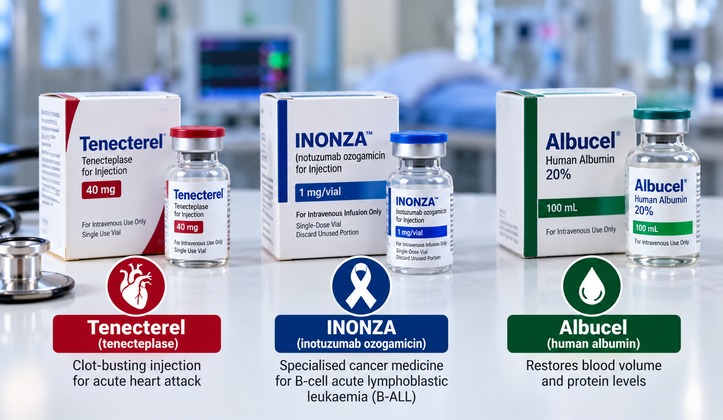
Among the medicines where major price differences were detected, Tenecterel showed an MRP variation of ₹5,940.86, Inoza recorded a difference of ₹27,390, while Albucel showed a difference of up to ₹3,003. The discrepancies raise questions over pricing practices in the pharmaceutical supply chain and the impact of trade margins on the final price paid by patients.
The UPFSDA findings indicate that the issue is not confined to isolated cases. Several medicines examined during the statewide exercise showed significant differences in MRP despite being the same branded drug, highlighting the need for greater transparency in pharmaceutical pricing.
The investigation is particularly significant because many of the medicines involved are used in hospitals for patients requiring specialised or critical treatment. Any unnecessary escalation in the listed price of such medicines can directly increase the financial burden on patients and their families.
Officials have also flagged the possibility that high trade margins and variations in pricing across the supply chain could be contributing to the differences. The issue assumes greater importance in cases where patients have limited alternatives and medicines are prescribed as part of institutional treatment.
As part of its effort to bring greater transparency to medicine pricing, the UPFSDA has shared a list of 167 medicines with the Government of India and the National Pharmaceutical Pricing Authority (NPPA). The data is expected to help authorities examine the pricing pattern and determine whether further regulatory intervention is required.
The findings put the spotlight on a fundamental question in the pharmaceutical market: How can the same branded medicine, manufactured by the same company and sold under the same brand name, carry substantially different MRPs?
The UPFSDA exercise could now trigger a closer examination of medicine pricing practices, trade margins and institutional supply chains, particularly for high-value medicines where even a single pricing discrepancy can translate into a substantial additional burden for patients.
