


One in six supply chain, logistics, distribution, and wholesale leaders say their company had an incident in the past year in which an AI tool exposed, shared, or allowed incorrect access to supplier or customer data, according to a survey from Instalily, a provider of business AI agents.
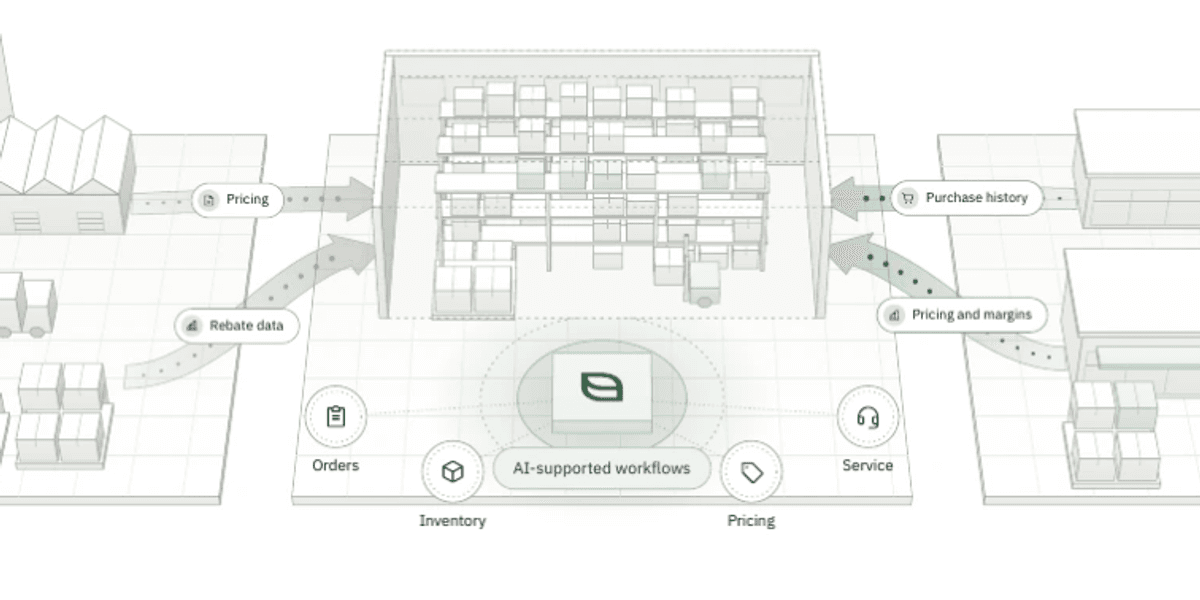
The findings come as AI reaches deeper into commercially sensitive records—78% say their AI tools can access customer pricing and margins, and 67% say the same for supplier pricing and rebate data.
Those numbers come from a report titled “Shared Risk: Why Supply Chain’s Most Sensitive Data Needs AI Built for the Industry.” The report was drawn from an October 9 Instalily survey of 250 professionals at manager level and above in supply chain, logistics, distribution, and wholesale whose companies use AI tools.
In the report, Instalily said those results are a problem because distributors, wholesalers, and logistics providers routinely work with confidential information from both sides of a transaction. For example, if AI puts one customer’s contract price on another customer’s quote, surfaces a supplier’s bid to a competitor, or shows a shipper the carrier rate behind a broker’s margin, the damage reaches every party involved.
Sixty-three percent of respondents report at least some overlap between supplier and customer data across company platforms, including AI tools, and 87% are very or somewhat confident their AI keeps that data appropriately separated. Still, incidents were reported in every segment surveyed. That gives businesses good reason to test how AI handles confidential information throughout a task, from the records it retrieves to the response it delivers, New York-based Instalily said.
In response, the report recommends testing those controls in everyday tasks, such as preparing a quote without revealing confidential supplier terms, and establishing when human approval is required. The firm says its “Lily” platform builds agents that operate within existing business systems, with access permissions and audit records supporting oversight.
