


Summary
- Some airlines rerouted flights to avoid Iran’s airspace after Israel’s latest strikes.
- European airlines were urged to be cautious over Iranian and Israeli airspace by the European Union Aviation Safety Agency (EASA).
- Local media reported that a suspicious object was shot down over Isfahan.
After Israel continued the tit-for-tat strikes with Iran on April 19, 2024, the latter country temporarily shut its airspace down, with some airlines continuing to fly around the Iran’s airspace in order to minimize risks to passengers and its assets.
Rerouting around Iran
However, not all airlines have rerouted flights around Iran, including Emirates. For example, the airline’s Airbus A380, registered as A6-EDM, is operating flight EK133 between Dubai International Airport (DXB) and Moscow Domodedovo International Airport (DME) at the time of writing. The aircraft, which departed DXB at 13:10 (UTC +4) local time, has crossed north into the airspace of Iran.
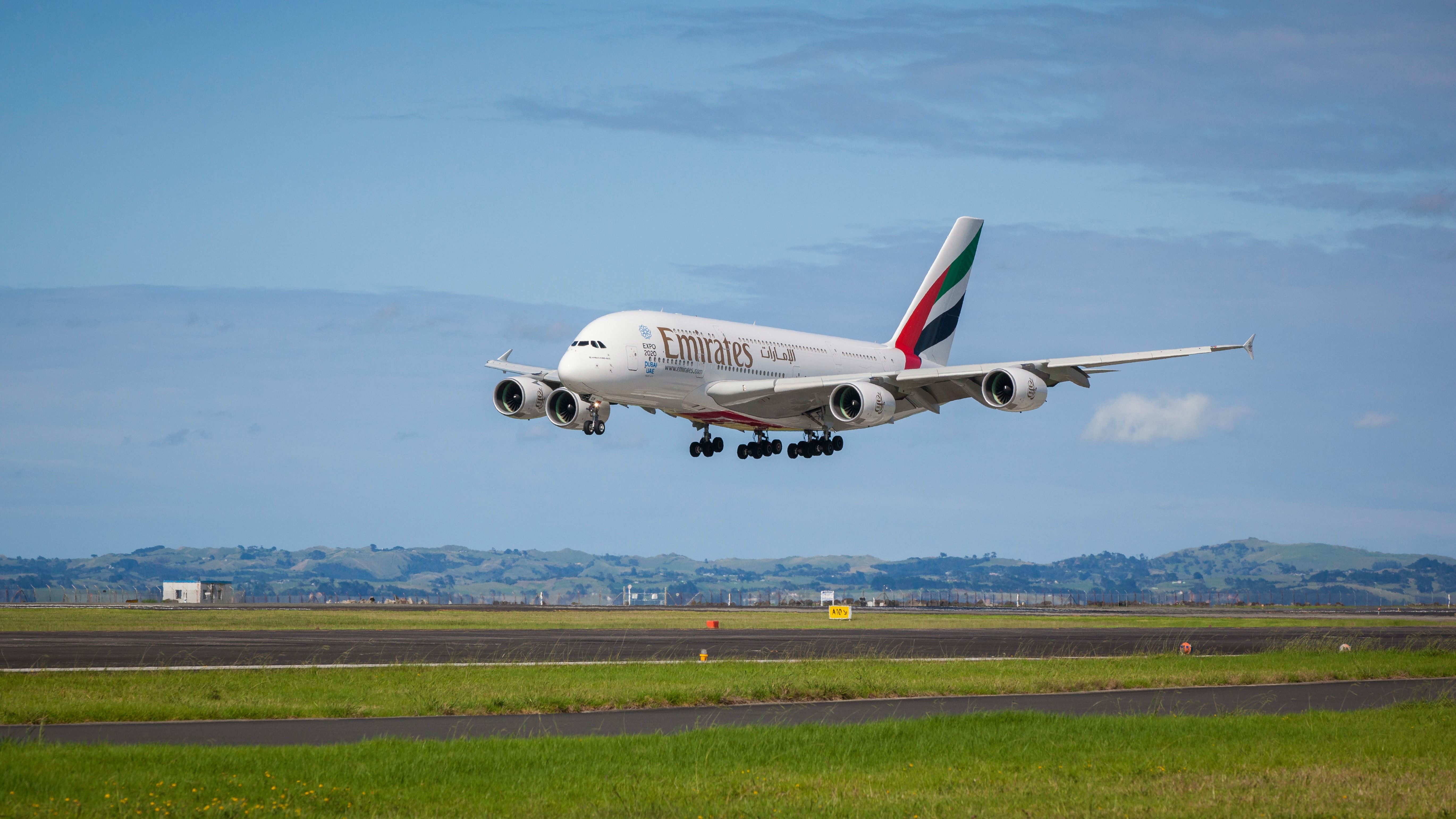
Photo: Emirates
At the same time, some flights from DXB to Iran were canceled. For example, flydubai flight FZ1929 between DXB and Tehran Imam Khomeini International Airport (IKA) turned back to DXB, with April 19’s itinerary being canceled. Emirates flight EK977 between DXB and IKA, which was operated by a Boeing 777-300ER, registered as A6-EPA, also turned back to its origin airport, Flightradar24 data showed. Another Emirates flight, EK979, also diverted back to DXB after its departure on April 18.
Related
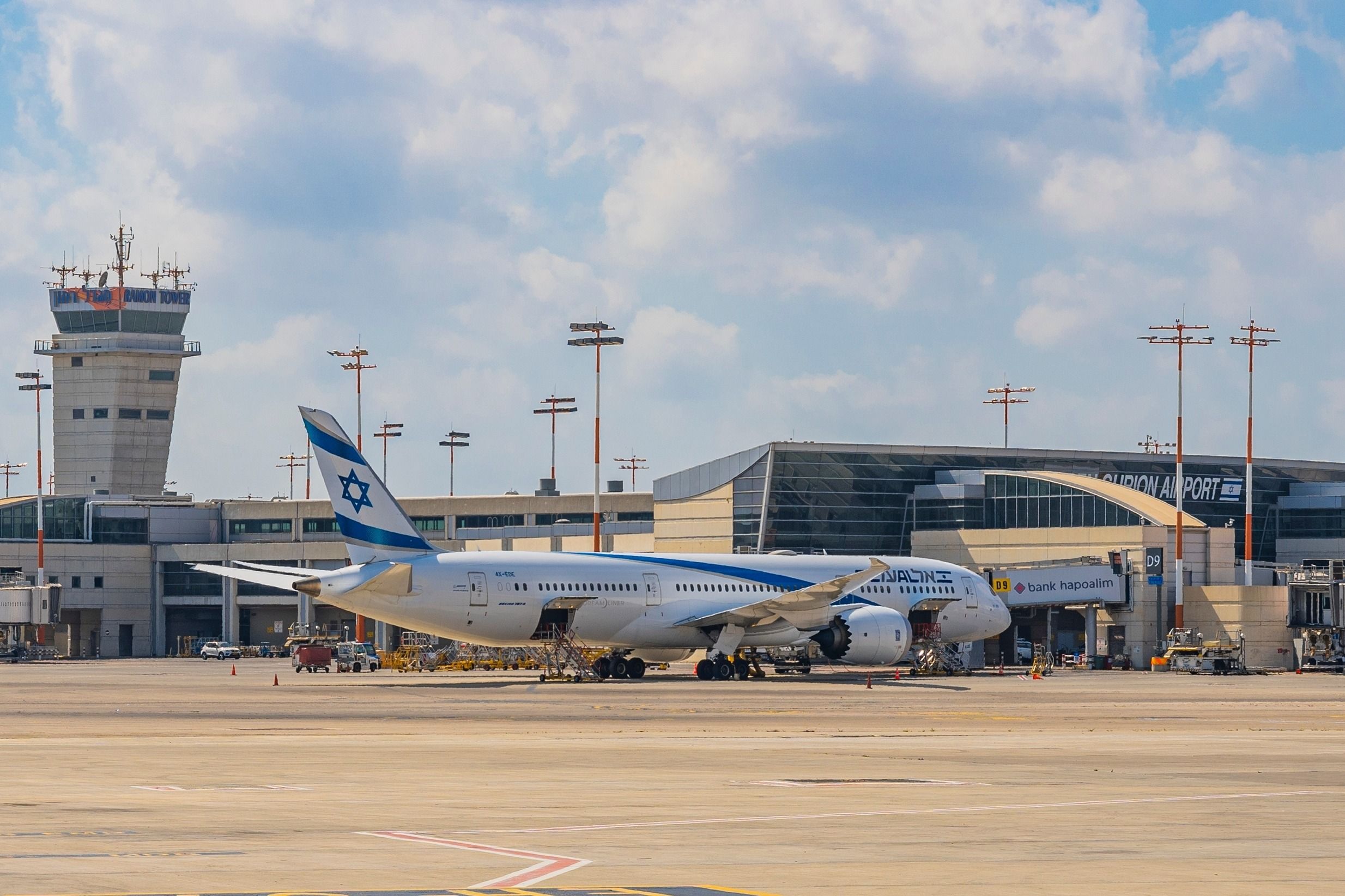
Breaking: Numerous Flights Canceled After Israel Shuts Down Airspace Due To Iranian Drone Strike
Iranian drone, cruise missile and ballistic missile attacks have forced multiple nations to close their skies.
European airlines exercising caution
Since Iran retaliated against Israel for the latter’s strike on its consulate in Damascus, Syria, the European Union Aviation Safety Agency (EASA) urged European Union (EU)-based airlines to be cautious around the airspace of Iran and Israel, as well as other countries within the region.
While the authority issued its warning on April 14, shortly after Iran launched hundreds of rockets and drones into Israel, it kept its advisories on Israeli and Iranian airspaces. For the former, the regulator advised to exercise caution around the airspace and 100 nautical miles (185 kilometers) around it. Furthermore, airlines should follow all available aeronautical publications that are active at the time.

Photo: rustamank | Shutterstock
In terms of Iran and its airspace, EASA stated that carriers should also exercise caution and follow all available aeronautical updates that are active at the time, adding that“there continues to be an increased potential for miscalculation and/or misidentification at present over FIR Tehran.”
Related
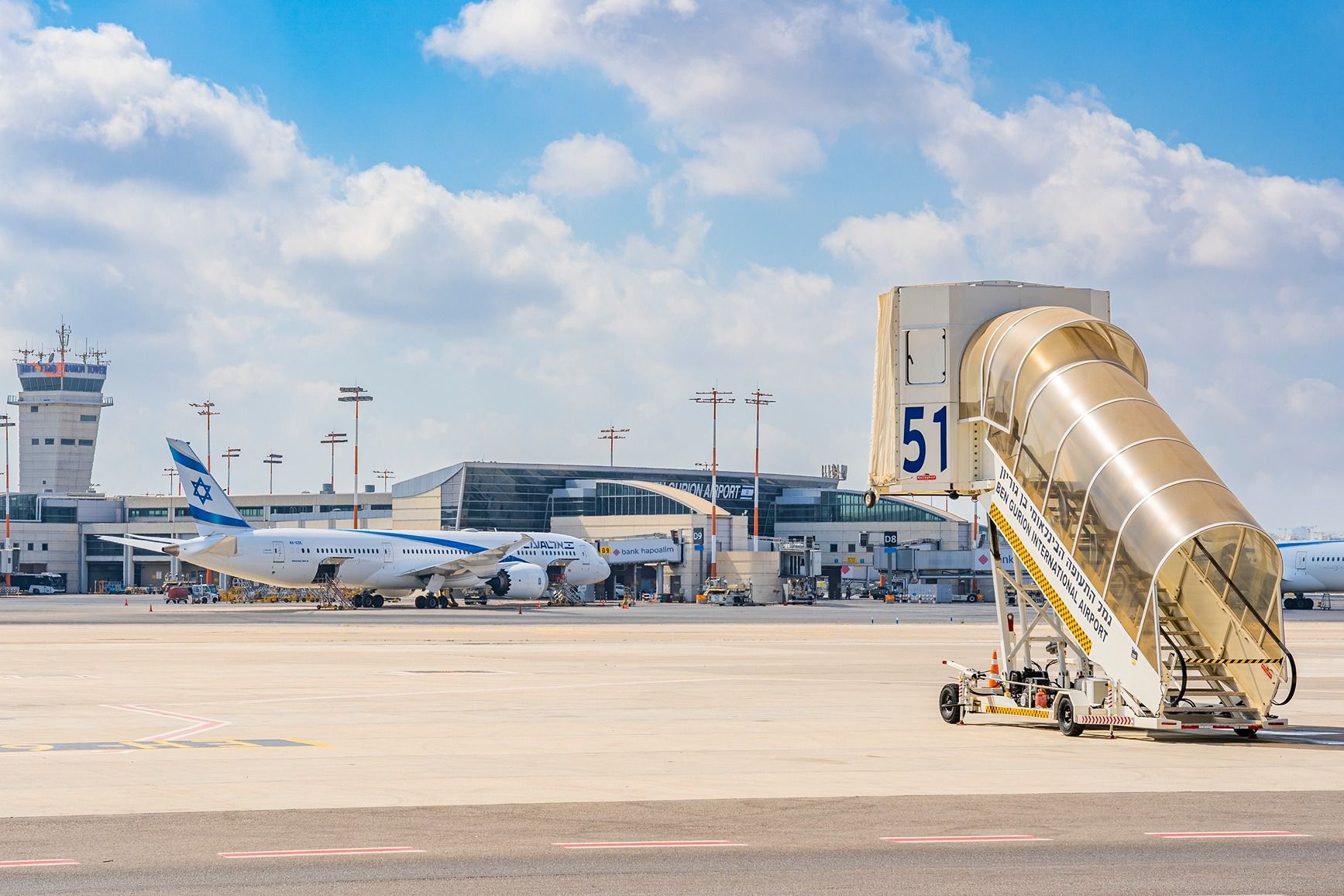
EASA Advises Airlines To Exercise Caution In Airspace Over Middle East Conflict
The latest advisory came after Iran launched rockets and drones into the territory of Israel.
Targeting Isfahan
According to the Islamic Republic News Agency (IRNA), a senior Iranian military official told the publication that Isfahan’s air defense systems fired at a suspicious object, with the officer adding that no damage was reported as a result of the incident. Isfahan is a city in the middle of the country, located south of the capital Tehran.
Meanwhile, Mehr News Agency quoted Sayyed Abdolrahim Mousavi, the Major General of the Islamic Republic of Iran Army (ارتش جمهوری اسلامی ایران, AJA), repeating the same information: the city’s air defense systems fired at a suspicious object without causing any damage.
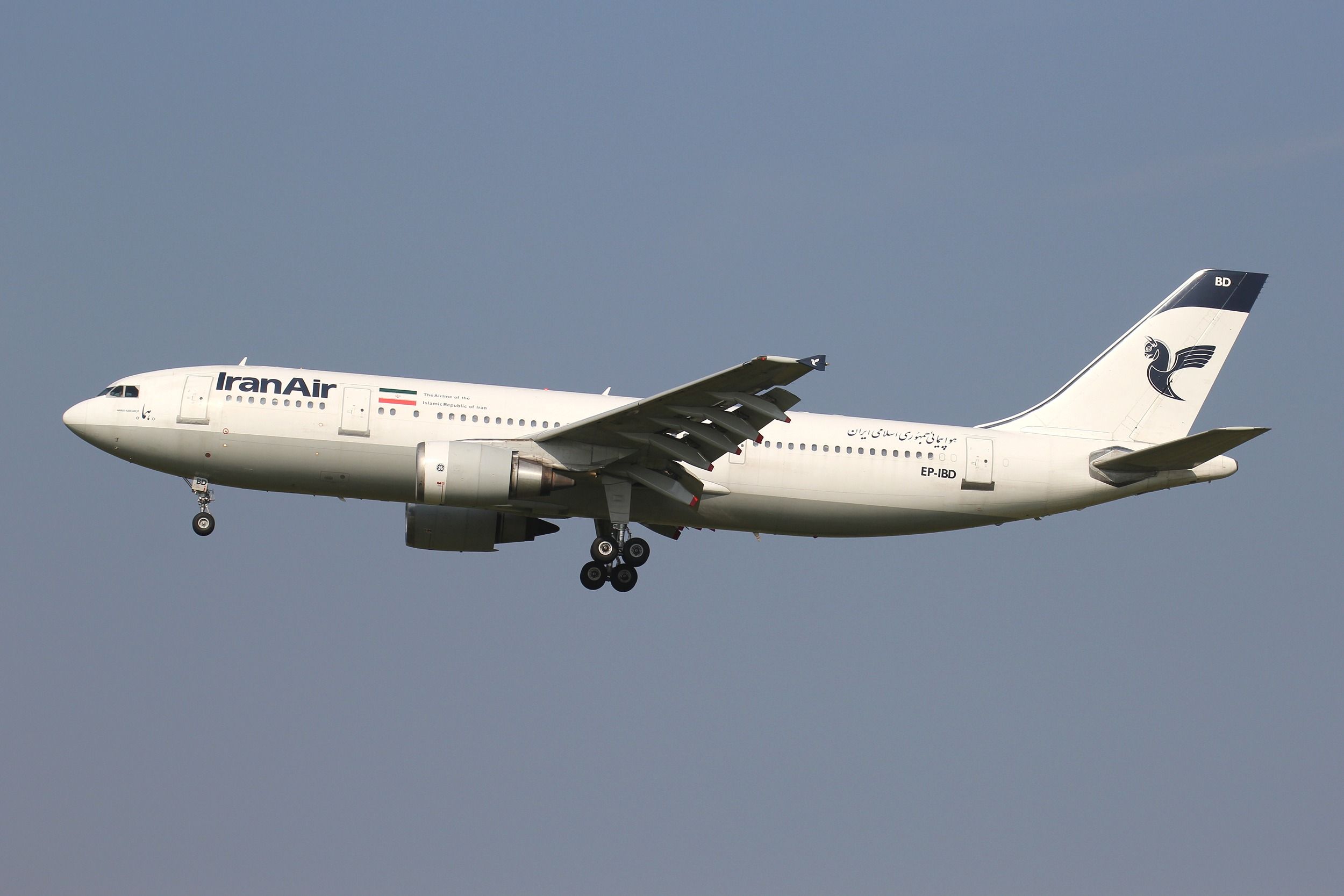
Photo: Bjoern Wylezich | Shutterstock
The New York Times, citing two Israeli and three Iranian officials who spoke to the publication on the condition of anonymity, reported that the attack was limited in its scope. Furthermore, the attack was carried out by small drones, likely from inside Iran, targeting Isfahan and the Tabriz Region.
Isfahan International Airport (IFN), serving the city, had several flights landing and departing on April 19. However, some of these flights arrived at IFN late at night, with the Israeli attack occurring during the early morning hours of April 19.
Related
A Closer Look At Iranian Air Force Capabilities
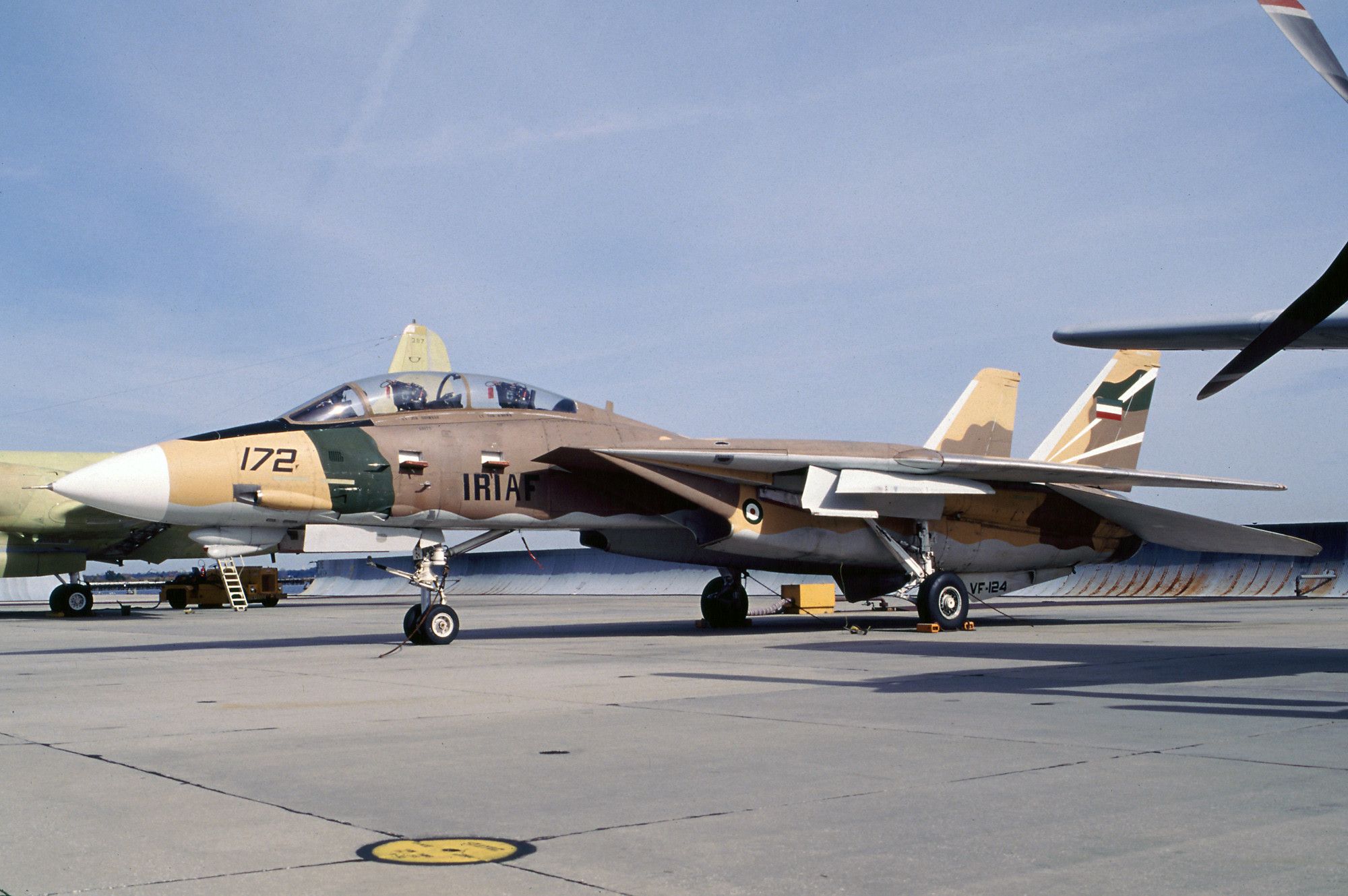
Iran’s Air Force relies on a great number of jets made by former Western allies.
