Support CleanTechnica’s work through a Substack subscription or on Stripe.
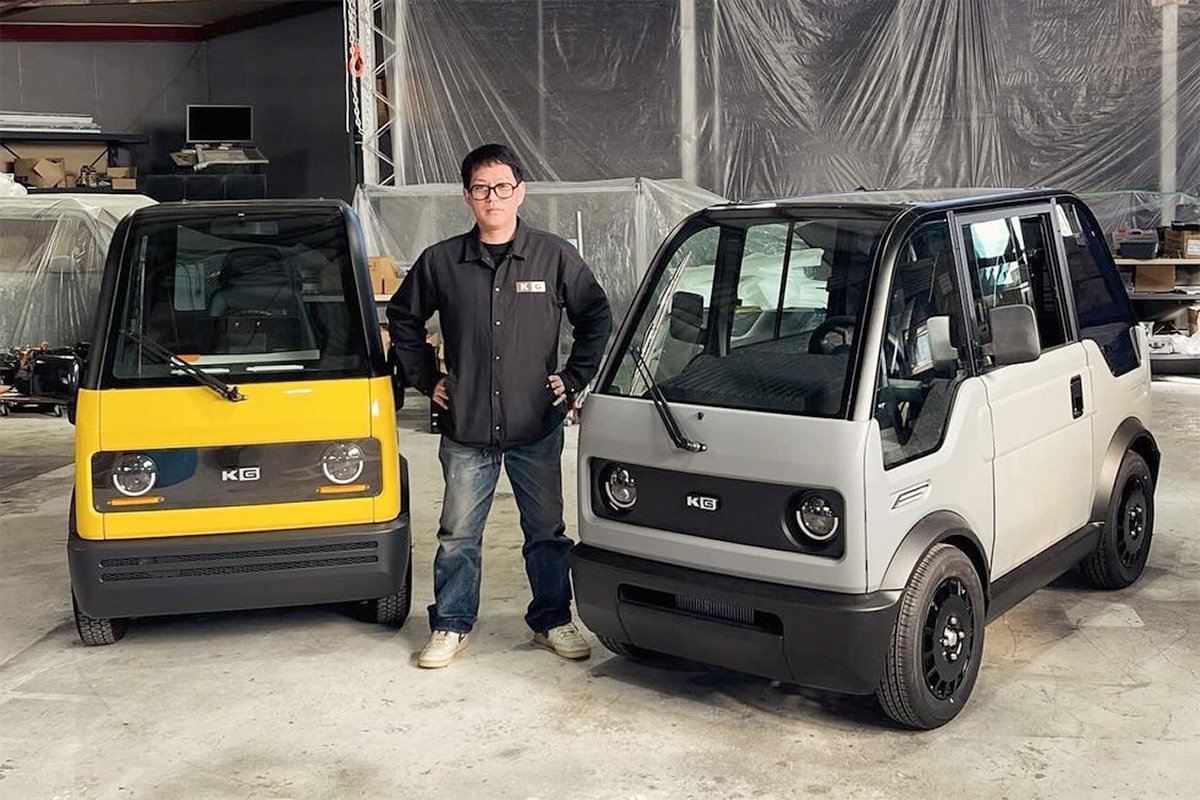
In July, CleanTechnica sent out emails to Mibot creator and YouTuber-turned-CEO Kazunari Kusunoki, who is based in Hiroshima. It is understandably difficult to get time with him, being the hands-on guy for the R&D and testing of the MiBot. However, we eventually conducted an interview via his communications team, with his replies originally in Japanese and translated by their international business development team lead, Santi Ferrari.
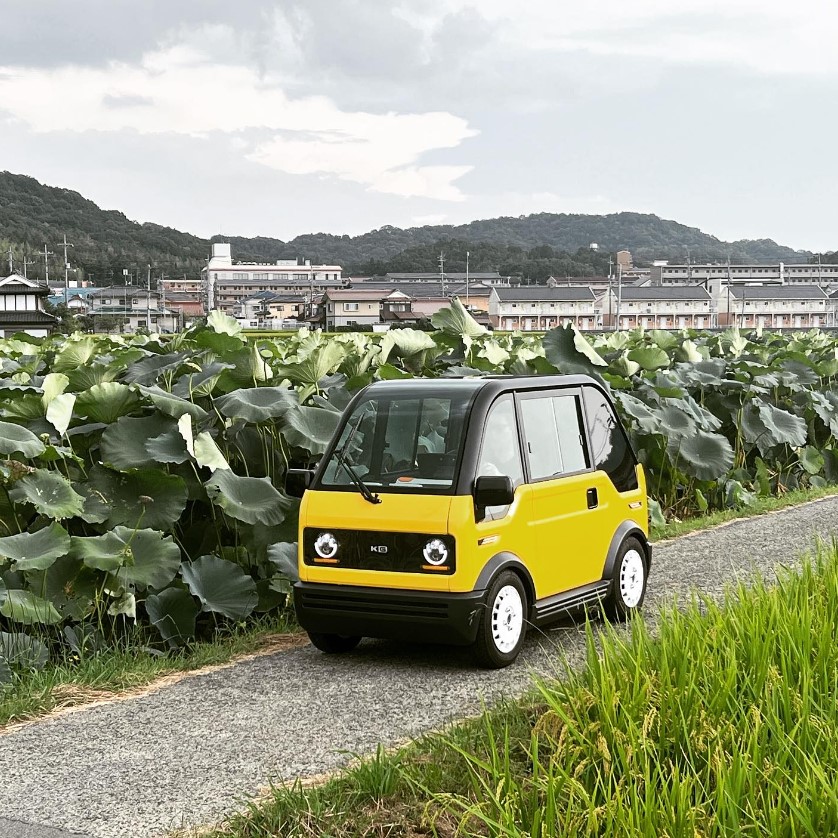
Just as a recap, the MiBot is an ultra-compact, single-seat electric vehicle built on Kusunoki’s belief that conventional cars are “simply too big” for Japan’s narrow streets and the reality of solo commuting. Its disruptive market impact stems directly from its aggressive pricing of approximately $7,000 USD (¥1 million), which is about half the cost of Japan’s best-selling EV, the Nissan Sakura.
This combination of practicality and affordability resonated strongly, resulting in the MiBot securing over 3,300 pre-orders — a figure that famously surpassed the roughly 2,000 total EVs that automotive giant Toyota sold in Japan during all of 2024.
Below is the interview with Kusunoki-san.
Q. What was the biggest challenge you faced in bringing the MiBot from idea to a working prototype, especially without a traditional engineering background yourself?
A. The biggest challenge was finding team members and partners who resonated with the vision and spirit of the project and were willing to join us on the journey. Since none of our founding members had prior experience in vehicle development, forming partnerships with highly skilled individuals and companies was essential to bringing the MiBot concept into reality.
We openly shared our thoughts and the development process behind MiBot on YouTube. Gradually, people who resonated with our vision started to appear, and we gained more collaborators. Through this accumulation, we’ve been able to bring the idea of MiBot to life.
Q. The MiBot is perfectly suited for Japan’s narrow streets and specific needs. Do you see potential for similar small, niche EVs in other countries with similar urban environments?
A. Yes, we strongly believe there is great potential. There are many urban areas around the world with environments similar to those in which MiBot excels. Additionally, global trends such as growing environmental awareness, the rise of shared mobility, and increased demand for last-mile transportation all point to a shared societal need for compact EVs.However, expanding to each country would require careful research into local traffic laws and infrastructure. We believe localization that addresses each region’s unique challenges and regulations will be essential.
Q. What role do you believe transparent communication (like your YouTube videos) plays in building trust and attracting customers for a new automotive brand like KG Motors?
A. We see transparent communication as the foundation for building trust.Without the long history or proven track record of major automakers, it’s vital for customers to feel secure when pre-ordering a MiBot — but that’s not easy. That’s why we decided to focus less on product specs and more on honestly sharing “who is building this car, why, and how.” We believe this is the first step in earning trust.
In practice, we’ve shared the real-time development and trial-and-error process of MiBot on YouTube. This wasn’t just marketing — it was also a way to attract collaborators who share our passion. By encouraging customers to feel like they are “co-developing” the vehicle with us, MiBot becomes more than just a product; it becomes a project they can emotionally connect with.
We also actively monitor feedback and comments on social media and use that primary input to adjust our product development and marketing strategies. This alignment between user expectations and our resource allocation helps us develop more efficiently.
Q. Beyond the current MiBot model, do you have plans for other vehicle types or future innovations that address specific mobility challenges in Japan or globally?
A. Yes, we are planning to expand MiBot internationally in the future.We’ve already begun researching transportation challenges, infrastructure, and regulations in other countries, and we’re exploring models optimized for different regions. Especially in cities across Europe and parts of Asia — where roads are narrow and short-distance travel is common, just like in Japan — we believe ultra-compact vehicles like MiBot can be very effective.
That said, we don’t intend to simply export the current MiBot. Instead, we aim to offer localized versions tailored to the specific needs and legal frameworks of each country or city.
Q. With the impressive number of pre-orders, what is the biggest logistical or production challenge for KG Motors as you scale up manufacturing?
A. As production expands, the two main challenges KG Motors faces are “optimizing transportation costs” and “ensuring consistent quality.”
From a logistics standpoint, we need to establish a cost-effective and efficient transport scheme that enables stable, large-scale delivery of a uniquely sized vehicle like MiBot across Japan.
On the production side, increased volume can lead to quality variations. While handcrafting was manageable during low-volume production, we now need to ensure consistent quality in a mass-production setup. To achieve this, we plan to automate parts of the assembly process and eliminate variability caused by manual work, thereby building a system that maintains uniform quality.
Sign up for CleanTechnica’s Weekly Substack for Zach and Scott’s in-depth analyses and high level summaries, sign up for our daily newsletter, and follow us on Google News!
Have a tip for CleanTechnica? Want to advertise? Want to suggest a guest for our CleanTech Talk podcast? Contact us here.
Sign up for our daily newsletter for 15 new cleantech stories a day. Or sign up for our weekly one on top stories of the week if daily is too frequent.
CleanTechnica uses affiliate links. See our policy here.
CleanTechnica’s Comment Policy