

Coal India Ramps Up Coal Dispatch as Power Demand Surges, Seeks More Railway Rakes – Indian PSU

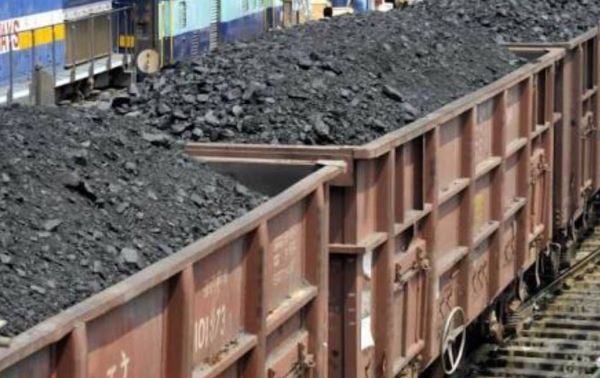
With electricity demand rising sharply across the country and coal consumption at thermal power plants increasing, Coal India Limited (CIL) has stepped up efforts to accelerate coal dispatch by strengthening coordination with Indian Railways and its subsidiary companies. The company has requested the Railways to provide additional rakes to ensure uninterrupted coal supplies to power stations.
Coal India has instructed its subsidiaries to maximize loading from railway-connected coal sidings, enabling direct loading into railway rakes. This move is expected to reduce rake turnaround time and significantly improve the speed of coal transportation to power plants.
The company is also prioritizing coal supply to states where thermal power plants are operating with comparatively lower coal inventories. According to the latest data from the Ministry of Power, India’s thermal power plants had around 42.8 million tonnes of coal stock, sufficient for nearly 14 days of operations at the end of July 2026. The ministry has stated that power stations are currently receiving coal in line with their daily requirements, while the Ministries of Coal, Power and Railways continue to monitor supplies on a daily basis.
States likely to receive priority in coal dispatch include Uttar Pradesh, Maharashtra, Tamil Nadu, Karnataka, West Bengal, Jharkhand and Gujarat, where electricity demand remains high and thermal generation plays a critical role in meeting peak consumption.
Coal India is placing special emphasis on:
- Increasing availability of railway rakes.
- Enhancing direct loading from coal sidings.
- Reducing rake turnaround time.
- Monitoring coal dispatch on a daily basis.
- Prioritizing supplies to power plants with relatively lower coal stocks.
India has witnessed sustained growth in electricity demand due to weather conditions and higher cooling requirements, making reliable coal supplies essential for maintaining uninterrupted power generation. Despite the rapid expansion of renewable energy, coal continues to remain the backbone of India’s power sector, contributing nearly 70% of the country’s electricity generation.
