


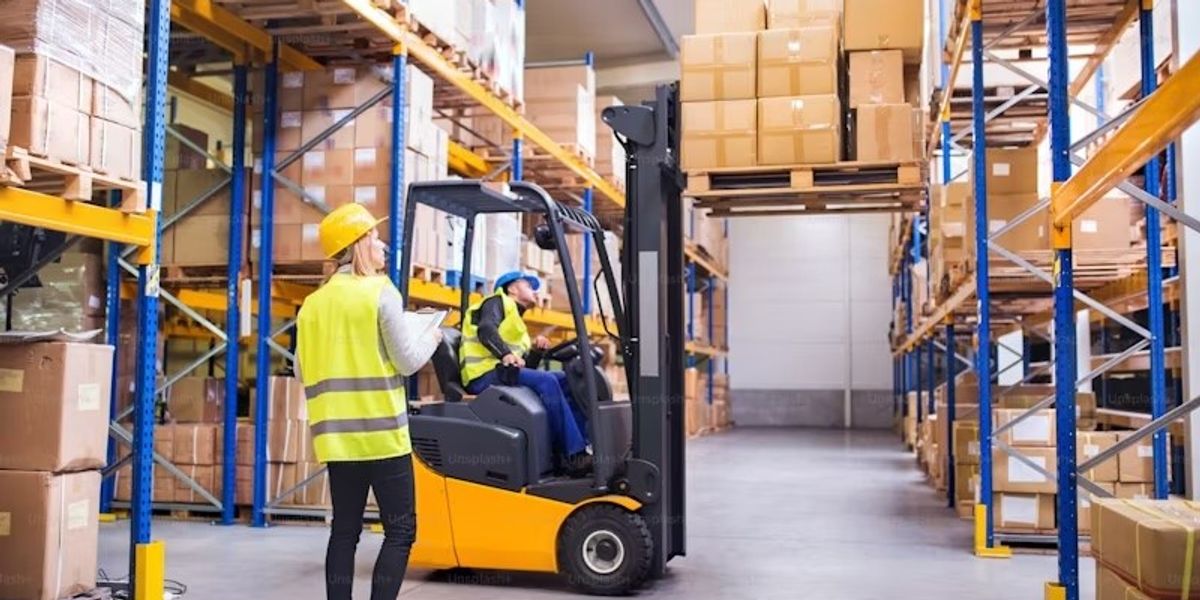
Global forklift sales have slumped in 2024, falling short of initial forecasts as a result of the struggling economy in Europe and the slow release of project funding in the U.S., a report from market analyst firm Interact Analysis says.
In response, the London-based firm has reduced its shipment forecast for the year to rise just 0.3%, although it still predicts consistent growth of around 4-5% out to 2034.
The “bleak” figures come as the European economy has stagnated during the second half of 2024, with two of the leading industry sectors for forklifts – automotive and logistics – struggling. In addition, order backlogs from the pandemic have now been absorbed, so order volumes for the global forklift market will be slightly lower than shipment volumes over the next few years, Interact Analysis said.
On a more positive note, 3 million forklifts are forecast to be shipped per year by 2031 as enterprises are forced to reduce their dependence on manual labor. Interact Analysis has observed that major forklift OEMs are continuing with their long-term expansion plans, while other manufacturers that are affected by demand fluctuations are much more cautious with spending on automation projects.
At the same time, the forklift market is seeing a fundamental shift in power sources, with demand for Li-ion battery-powered forklifts showing a growth rate of over 10% while internal combustion engine (ICE) demand shrank by 1% and lead-acid battery-powered forklift fell 7%.
And according to Interact Analysis, those trends will continue, with the report predicting that ICE annual market demand will shrink over 20% from 670,000 units in 2024 to a projected 500,000 units by 2034. And by 2034, Interact Analysis predicts 81% of fully electric forklifts will be powered by li-ion batteries.
The reasons driving that shift include a move in Europe to cleaner alternatives to comply with environmental policies, and a swing in the primary customer base for forklifts from manufacturing to logistics and warehousing, due to the rise of e-commerce. Electric forklift demand is also growing in emerging markets, but for different reasons—labor costs are creating a growing need for automation in factories, especially in China, India, and Eastern Europe. And since lithium-ion battery production is primarily based in Asia, the average cost of equipping forklifts with li-ion batteries is much lower than the rest of the world.
