

India–UK CETA to unlock New Trade Opportunities; Agile Supply Chains will be key to realising full benefits: DP World

MUMBAI: The signing of the India–UK Comprehensive Economic and Trade Agreement (CETA) marks a landmark moment in the economic relationship between the two countries and is expected to significantly boost bilateral trade, investment, and business opportunities. While the agreement will provide Indian exporters with preferential market access by eliminating tariffs on the vast majority of exports, industry experts believe that the true benefits will depend on the ability of businesses to build agile, resilient, and digitally connected supply chains.
According to industry estimates, the agreement will eliminate tariffs on 99% of India’s exports, covering nearly 100% of the trade value, thereby strengthening India’s export competitiveness in the UK market. The pact is also expected to expand bilateral trade to USD 100 billion by 2030, creating significant opportunities across key sectors such as automotive, engineering, textiles, leather, footwear, food products, and manufacturing.
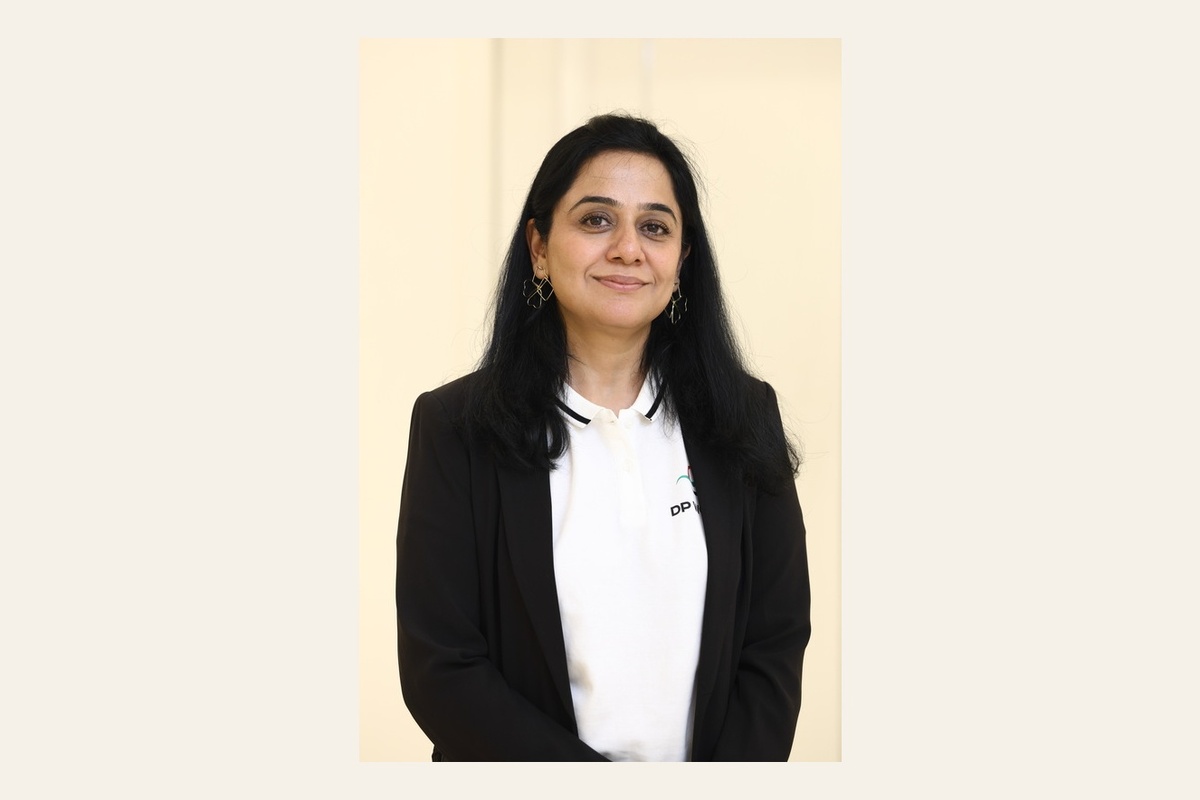
Commenting on the development, Manisha Malhotra, Vice President – Freight Forwarding, Logistics, SCO (India), DP World, said:
“The landmark agreement is expected to significantly strengthen bilateral trade by eliminating tariffs on 99% of India’s exports, covering almost 100% of the trade value, thereby enhancing India’s export competitiveness. The agreement is also expected to expand bilateral trade, attract investment, create new opportunities for businesses, and boost bilateral trade to USD 100 billion by 2030.
Trade agreements are often measured by the tariffs they remove. Their true success, however, is determined by the capabilities they unlock.
The UK–India Comprehensive Economic and Trade Agreement marks an important shift in the trade relationship between two economies with complementary strengths. Preferential access across sectors including automotive, engineering, textiles, leather, footwear and food products has the potential to accelerate India’s integration into higher-value global value chains. But tariff concessions alone will not drive competitiveness.
Businesses will need supply chains that are agile, compliant, and connected. Meeting rules of origin requirements, maintaining documentation integrity, navigating customs efficiently and synchronising production with multimodal transport networks will become just as critical as manufacturing excellence itself.
At DP World, we are well positioned to support this next phase of UK–India trade. Our globally integrated freight forwarding network spans over 300 offices worldwide and is backed by owned multimodal assets across India and more than 80 countries. Combined with end-to-end digital visibility and strong local execution, these capabilities enable us to help customers build more resilient, agile and efficient supply chains—transforming preferential market access into reliable trade flows and long-term growth.”
The agreement is expected to further deepen economic cooperation between India and the United Kingdom by encouraging greater cross-border investments, strengthening manufacturing competitiveness, and enabling Indian businesses to integrate more effectively into global value chains.
With international trade becoming increasingly dependent on speed, compliance, visibility, and multimodal connectivity, logistics providers are expected to play a pivotal role in helping exporters maximise the advantages offered by the new trade framework. Industry observers believe that companies capable of delivering integrated freight forwarding solutions, digital supply chain visibility, and seamless multimodal logistics will be instrumental in translating the agreement’s tariff benefits into sustainable trade growth.
As India prepares for the next phase of export-led expansion under the India–UK CETA, the focus is expected to shift beyond market access towards creating efficient, resilient, and technology-driven supply chains that can support long-term bilateral trade growth and strengthen India’s position in global commerce.
