


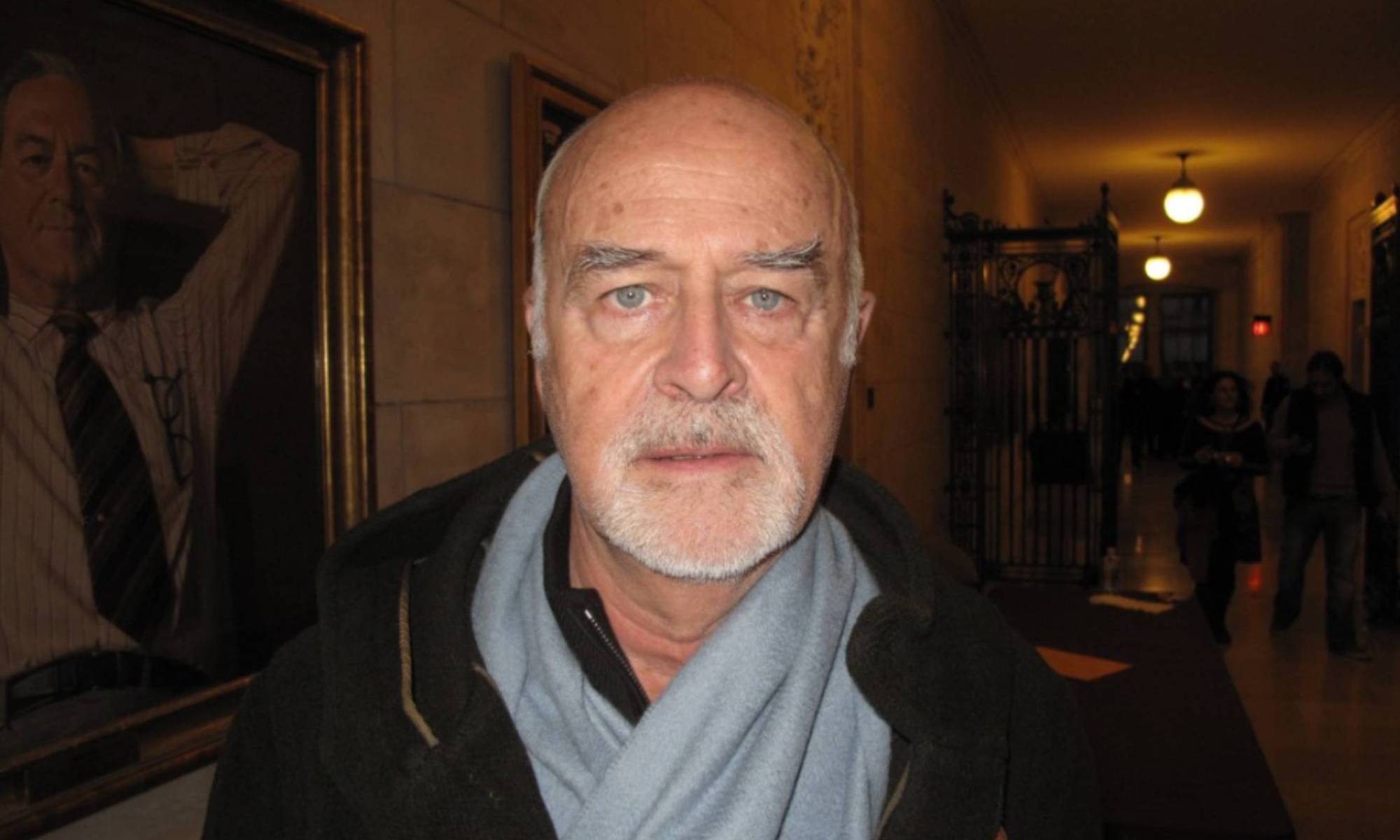
José van Dam, the Belgian bass-baritone whose dignified presence and finely honed musicianship made him one of the most respected singers of his generation, has died at the age of 85. For more than four decades, he was a central figure in European opera, admired not for flamboyance but for integrity, stylistic intelligence, and a distinctive vocal timbre that combined gravity with warmth.
Early life and formation
Born in Brussels on 25 August 1940, van Dam studied at the Royal Conservatory of Brussels before making his operatic debut in the early 1960s. His early career included appearances at the Paris Opera, and by the mid-1960s he had joined the ensemble of the Deutsche Oper Berlin, where he refined a wide-ranging repertoire and developed the stylistic versatility that would define his career.
From the outset, his voice—firmly anchored in the bass-baritone register—was marked by clarity of diction and an unforced legato line. These qualities would later become central to his interpretations of Mozart, Wagner, French opera, and 20th-century repertoire.
Mozart and the classical repertoire
Van Dam’s international reputation was solidified through his interpretations of Mozart. His Don Giovanni, at once aristocratic and psychologically nuanced, became one of his signature roles. He also excelled as Leporello, Figaro, and the Count in Le nozze di Figaro, bringing textual precision and dramatic coherence to each character.
Rather than imposing a dominant personality on these roles, van Dam often sought balance and structural clarity, allowing the architecture of the music to guide his interpretations. Conductors valued his reliability and musical discipline, qualities that made him a frequent collaborator at leading houses and festivals.
Wagner, French opera, and modern works
Although not a Wagnerian bass in the grand heroic mould, van Dam brought intellectual depth to roles such as Amfortas in Parsifal and Wotan in selected contexts. His voice, less monumental than some contemporaries, was distinguished by its expressive restraint and attention to textual detail.
He was equally at home in French repertoire, including Golaud in Pelléas et Mélisande, a role that highlighted his ability to convey ambiguity and inner conflict. In contemporary music, he created roles in works by composers such as Philippe Boesmans, reinforcing his commitment to new opera and to Belgium’s musical life.
La Monnaie and Belgian cultural life
Van Dam maintained a particularly close relationship with La Monnaie / De Munt in Brussels, where he was a leading artistic figure for decades. His presence there symbolised a broader commitment to Belgian cultural institutions, and he remained an influential mentor to younger singers long after reducing his international engagements.
In recognition of his artistic achievements, he was granted the title of Baron by the Belgian monarchy, an honour reflecting both his international stature and his contribution to national cultural life.
Recordings and legacy
Van Dam’s discography includes landmark recordings under conductors such as Herbert von Karajan and Sir Georg Solti, particularly in Mozart and Wagner. His interpretations were often characterised by sobriety and musical fidelity rather than overt theatricality, qualities that have aged well on record.
In later years, he continued to perform selectively and to teach, shaping a generation of singers who valued his insistence on textual clarity and musical ethics.
José van Dam’s career unfolded in an era rich with vocal personalities. His distinction lay not in excess but in measure: an artist who placed music before ego, who cultivated depth over display, and whose performances were built on craftsmanship and thoughtfulness. His death marks the passing of a singer whose authority was quiet but enduring.
Subscribe to our newsletter
