


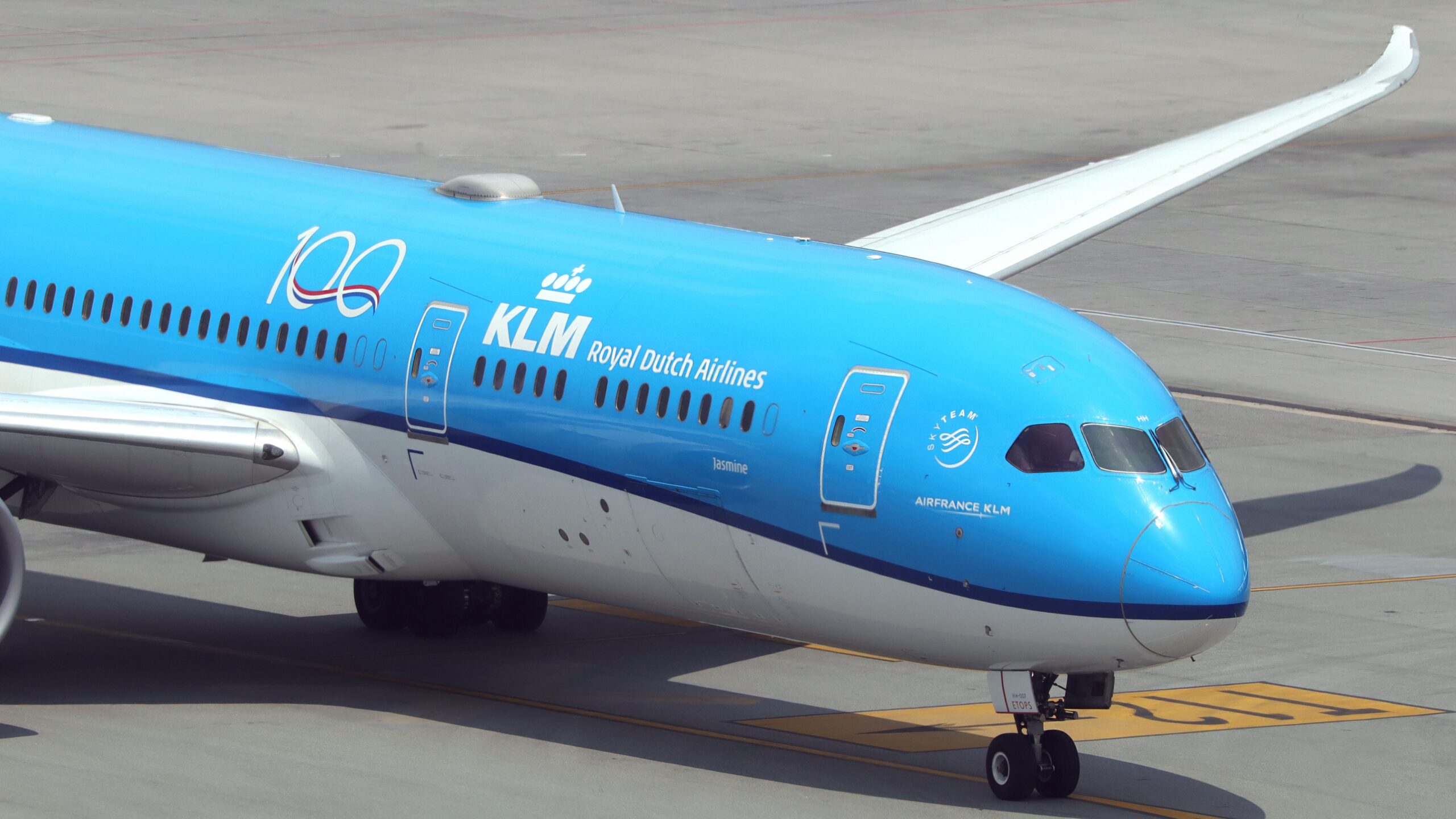
KLM Royal Dutch Airlines is one of the oldest airlines still operating today. Based in Amsterdam, the carrier strives to connect the Netherlands with the rest of Europe and the world. Having merged with Air France
in 2004, the combined carrier has become a powerhouse in European aviation.
However, despite the airline’s impressive scale and predominance in many European markets, KLM is facing some daunting challenges due to its ongoing pilot shortage. With the busy summer season approaching, the airline might have to scale back its long-haul flying.
KLM’s pilot deficit
KLM is facing the reality that part of its fleet might have to be grounded because it does not have enough pilots to staff its aircraft. This is a unique challenge, especially considering the Dutch carrier has more pilots than ever before. However, the nature of its pilots’ jobs results in serious problems for KLM.
Photo: Stephan Kogelman | Shutterstock
According to NL Times, sick leave and part-time workers have increased significantly for the airline in the past couple of years. Put simply, many of KLM’s pilots are not working enough to keep its fleet flying. The airline claims it has been losing 50 full-time jobs annually to part-time work, and because part-time work is a legal right, there is little the airline can do to encourage pilots to return to the cockpit. At least, that doesn’t come at further expense to the airline.
The shortage is already costing KLM millions, as parts of its widebody fleet are currently grounded due to a lack of proper staffing. To make matters worse, in late 2024, the airline introduced the first of many Airbus A321neos into its fleet. These next-generation narrowbody aircraft will replace KLM’s existing short-haul fleet of Boeing 737s.
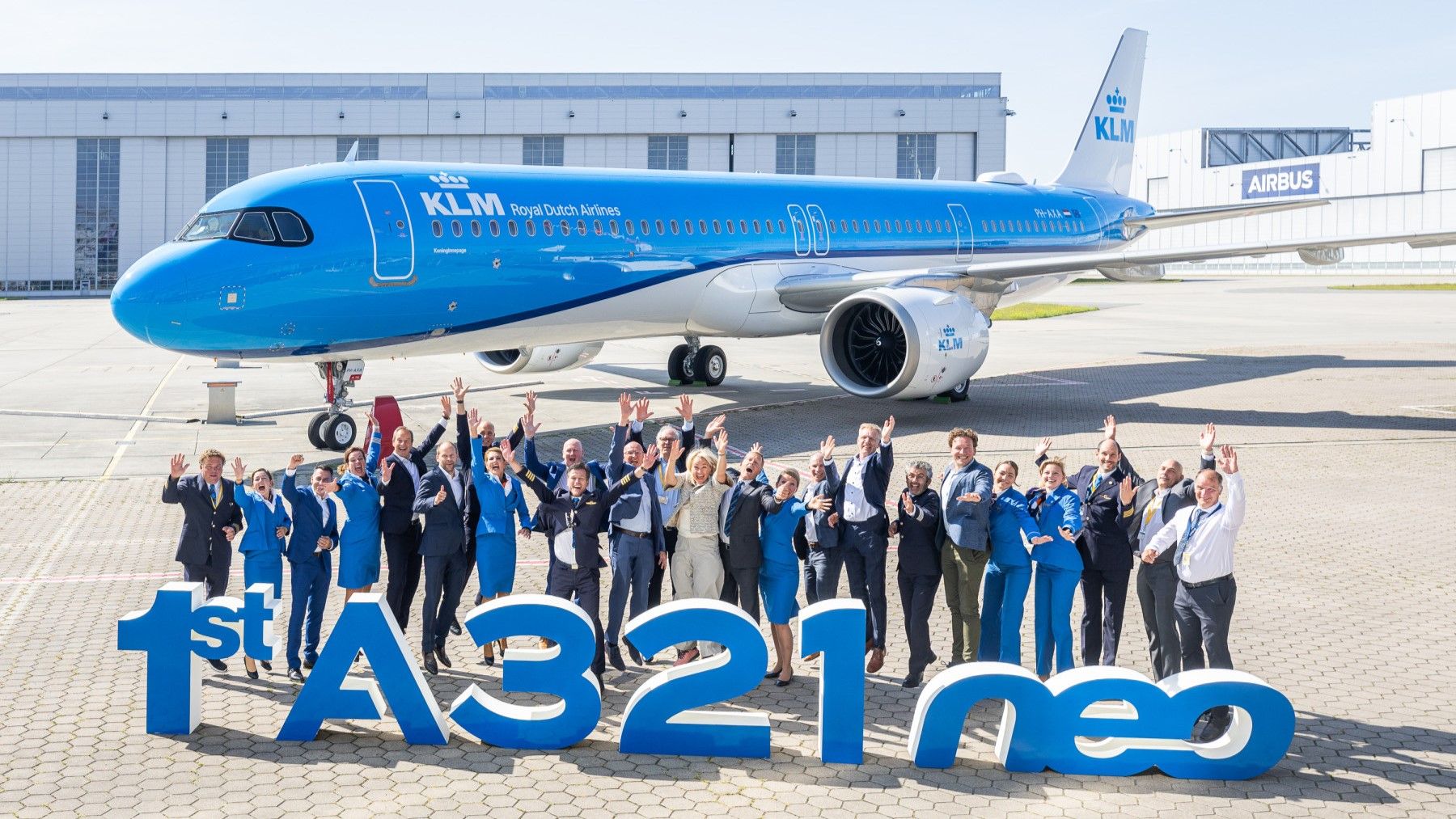
Photo: KLM
The switch will require extensive training as pilots learn to fly the new aircraft-training that takes pilots out of service for extended periods. The new Airbus jets are a 10 billion euro investment. The success of this new aircraft type is contingent on having enough pilots to implement the new aircraft into daily operations successfully.
Related
KLM Finishes Adding Premium Economy Seats To 777s & 787s: Have You Tried It?
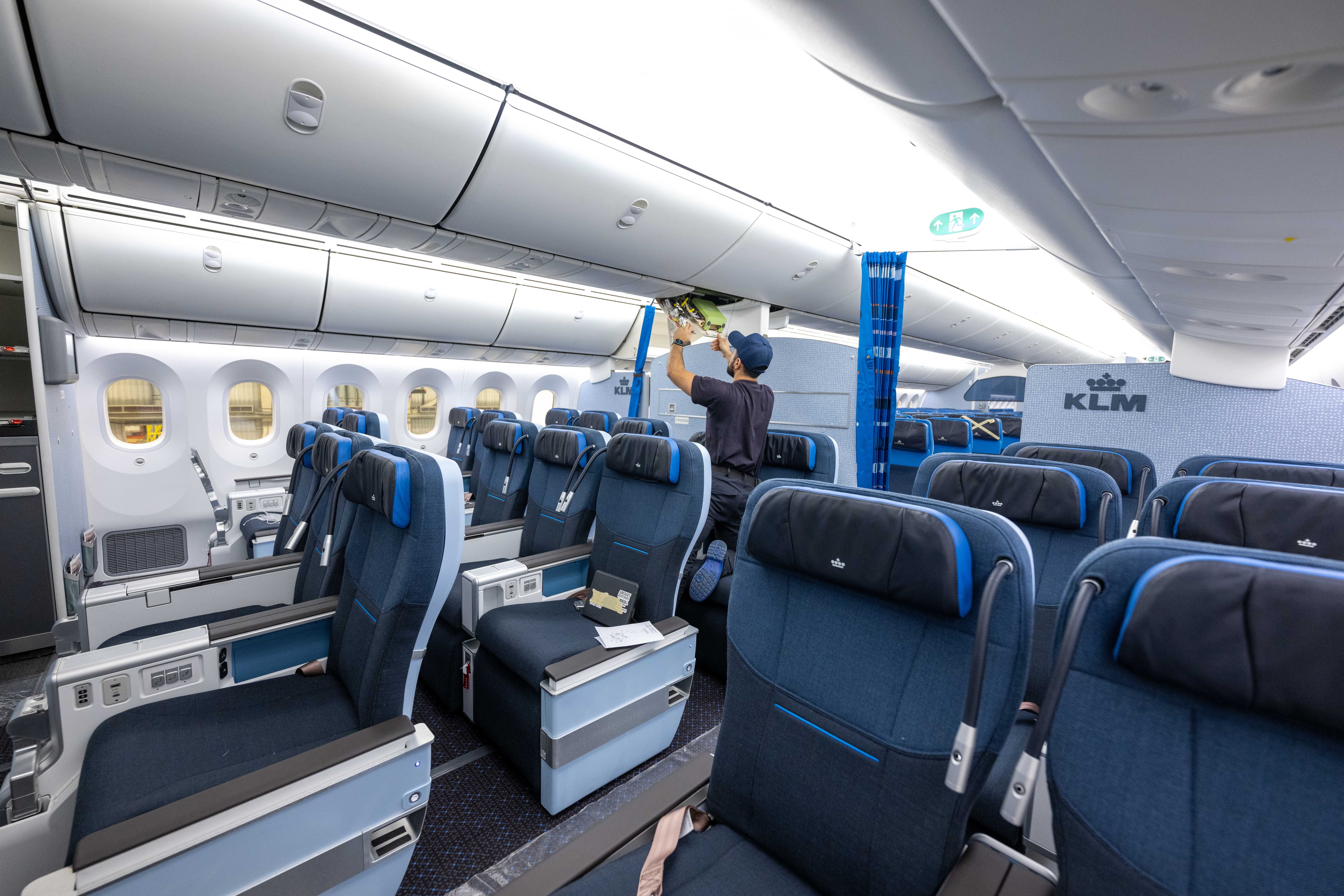
KLM has ended the year on a high, with its announcement that it has completed the installation of premium economy seats onboard all of its Boeing 777 and 787 ‘Dreamliner’ family widebody twinjets. The ongoing process took two years to complete, and will allow passengers to enjoy a bit of extra luxury onboard without having to splash out on a business class flatbed.
Known as Premium Comfort, these seats are available on a grand total of 54 aircraft, and offer passengers an additional seven inches of legroom compared to the standard offering in economy class. On the Boeing 777s, the Premium Comfort cabin consists of 24 seats, whereas KLM’s 787-9 and 787-10 aircraft have 21 and 28 seats in this section respectively.
While I have yet to try this product by myself, I would not hesitate to do so if the price was right. Having already flown in KLM’s Economy Comfort seats (economy class with extra legroom but no further bells and whistles), I know how much more comfortable those extra few in
Impacts on KLM’s operations
KLM has a robust short-haul network across Europe. However, according to De Telegraaf, a leading Dutch newspaper, its most profitable routes are long-haul trips from its Amsterdam hub. Thus, addressing the pilot shortage and adding more long-haul trips is important to increasing the airline’s profitability.
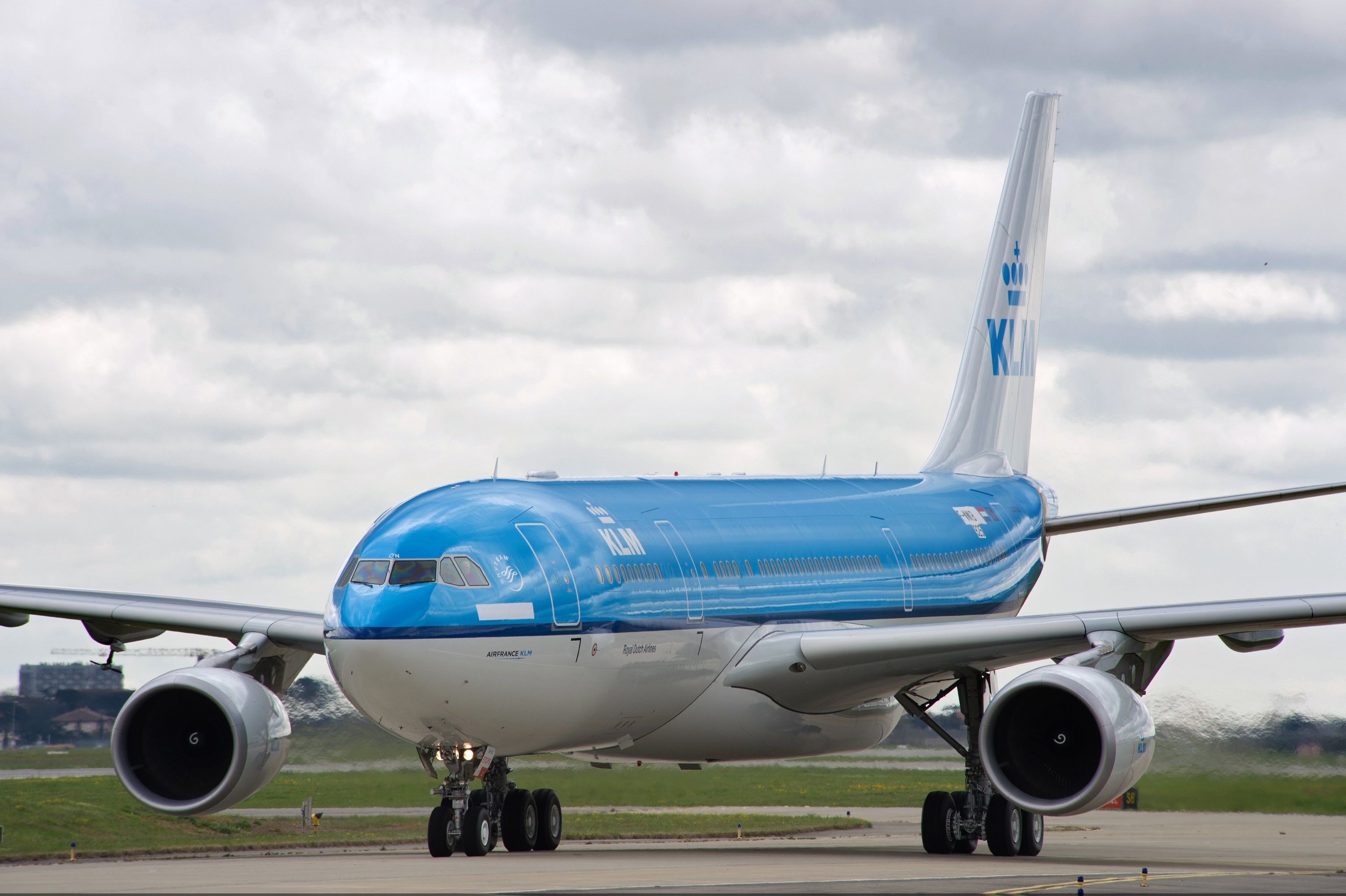
Photo: Airbus
However, as KLM works with its pilot group, the Dutch Airline Pilots Association (VNV), to add more long-haul flying, the two sides can’t seem to agree. The pilots’ group has criticized the airline’s approach to the challenges, claiming they have not done enough to address their mistakes.
Vice Chairman of VNV Ruud Stegers explained:
“Reflection on their own performance is completely missing. The only thing that follows is a finger pointing at the pilots if we do not want to solve the problems for peanuts.”
He went on to point to other strategies that have been suggested to encourage pilots to increase their flying. These include a 10% increase in salary and an additional raise for 10% more flying.
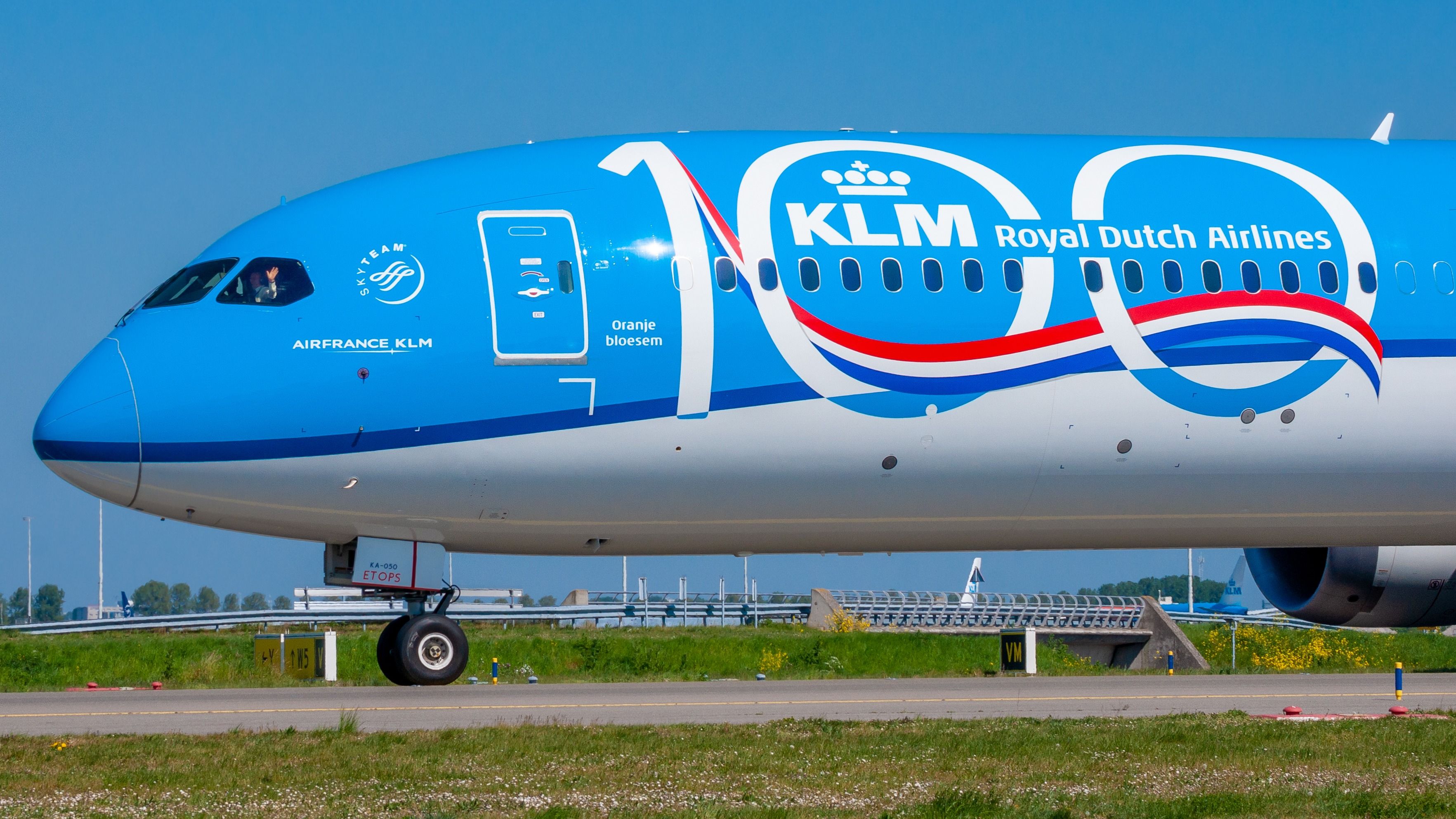
Photo: De Jongh Photography | Shutterstock
KLM refuted its pilots’ criticism, claiming they fully understand the airline’s challenges and the best course of action to resolve them. It encouraged VNV to work with its management team to create a solution that is in the best interests of the members it represents.
Addressing the most urgent challenges
KLM’s clock is ticking—it needs to maintain its long-haul schedule. Beyond the profitability of these routes, if KLM cuts service to certain distant destinations, it could risk losing landing rights. This could create significant entry barriers if the airline decides to return to a market later.
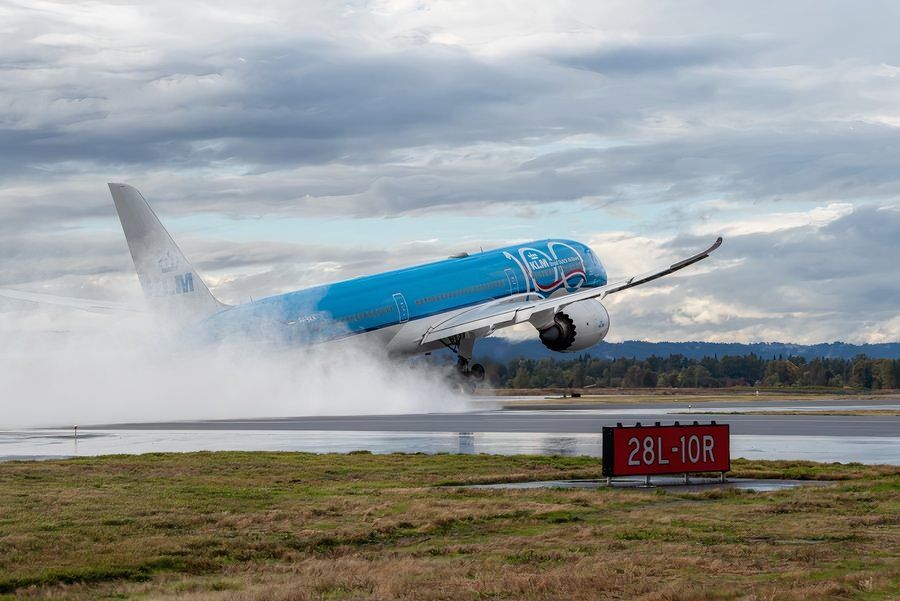
Photo: KLM
To address this problem, KLM has considered hiring outside pilots and aircraft with crew. While the airline would still have a deep and systemic staffing problem, this would allow it to maintain long-haul flying until a more holistic solution is created. But regardless, the airline must decide soon to preserve its position in the market.
Simple Flying contacted KLM for a comment on Saturday, but a representative could not be immediately reached.
