


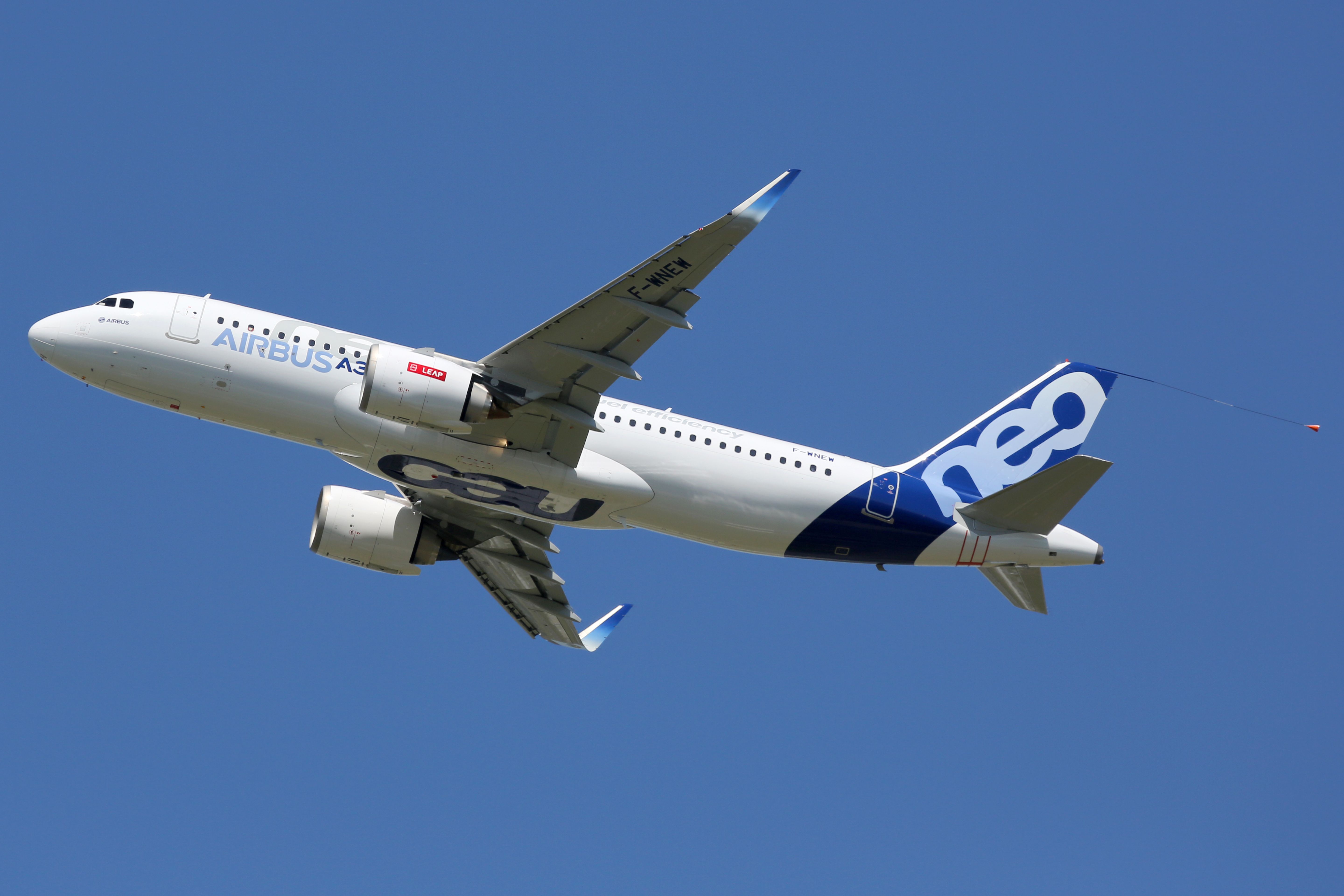
The Federal Aviation Administration (FAA) has proposed a new airworthiness directive (AD) to address additional faulty parts on the CFM International LEAP-1A engine, which is one of the two power plant options for the Airbus A320neo
aircraft family.
Superseding a previous directive
On December 23, the FAA
issued a notice of proposed rulemaking (NPRM), proposing to supersede an airworthiness directive it finalized in May 2023 for specific CFM International LEAP-1A engines.
The May 2023 directive mandated operators to replace high-pressure turbine (HPT) rotor stage 1 disks, forward outer seals, and compressor rotor stages 6-10 spools. Since then, CFM International identified additional parts that were manufactured from a material suspected to have reduced material properties due to iron inclusion, prompting the regulator to act with the latest NPRM.
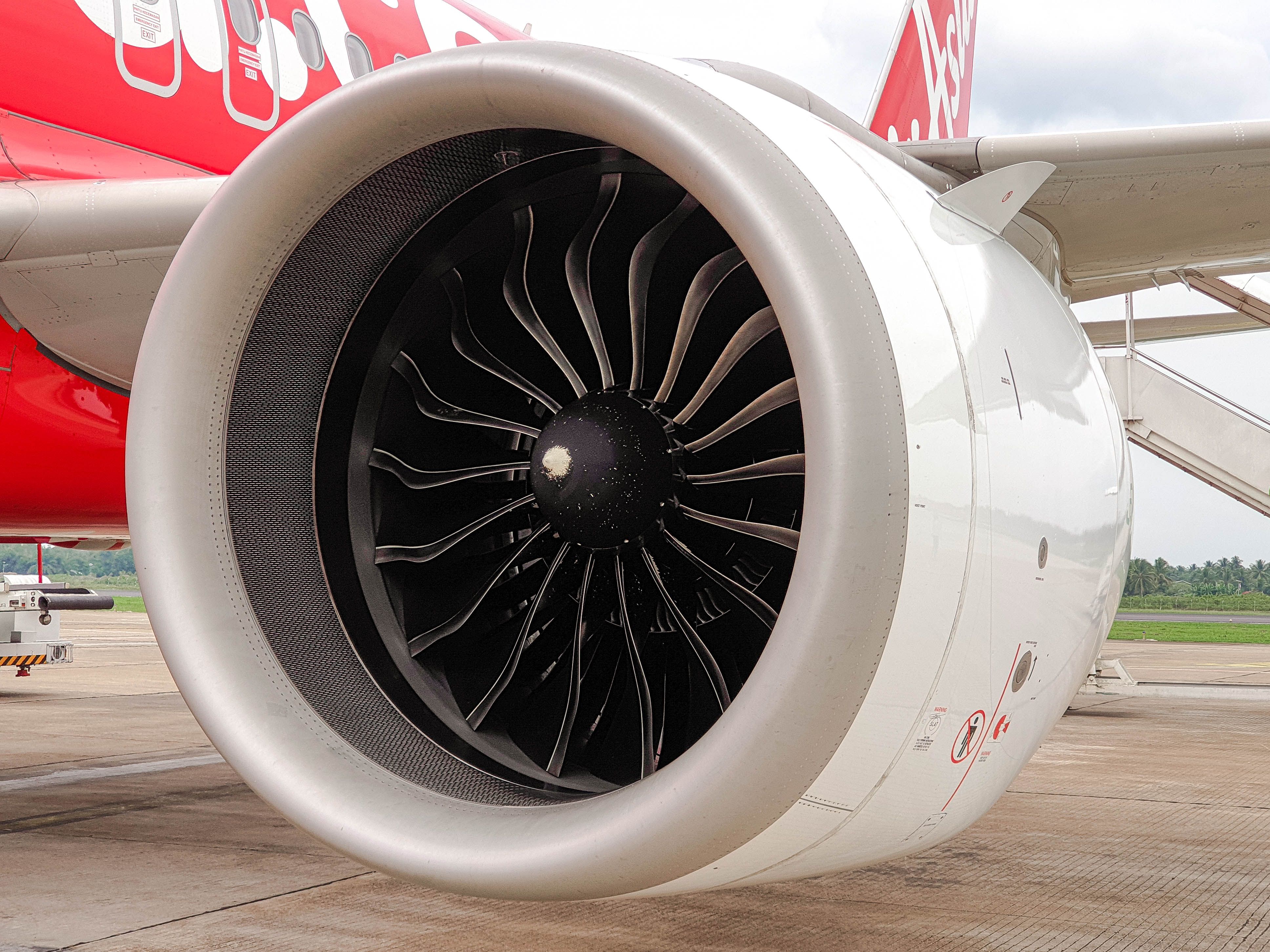
Photo: Alexiushan | Shutterstock
“This proposed AD would retain the requirements to replace certain HPT stage 1 disks, forward outer seals, and compressor rotor stages 6-10 spools and expand the applicability to include additional affected parts manufactured from the same material suspected to have reduced material properties due to iron inclusion.”
Related
FAA Calls For Check Of CFM LEAP Engines After Airbus A321neo Loss Of Thrust Control Incidents
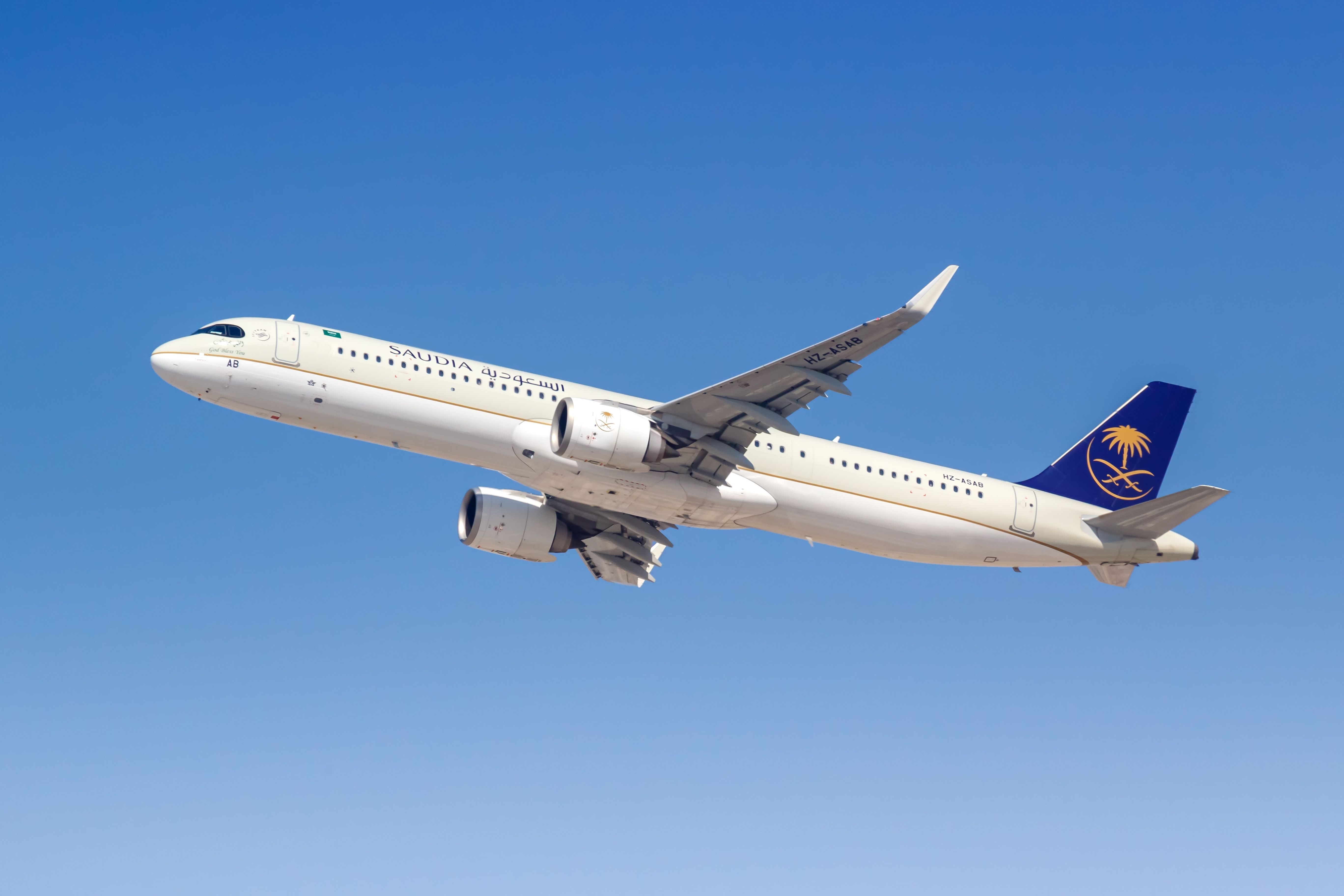
The AD specifically targeted SAUDIA-operated AIrbus A321neo aircraft.
Preventing uncontained engine failure
According to the FAA, the May 2023 directive was issued following an investigation by the engine maker, which revealed that certain engine parts were built from material with potential iron inclusion, with the regulator aiming to prevent fracture and consequent uncontained failure of particular HPT stage 1 disks, forward outer seals, and compressor rotor stages 6-10 spools.
Since then, further analysis identified further deficient parts due to potential iron inclusion. If not addressed, the condition could result in uncontained debris release, damage to the engine, and damage to the aircraft.
The regulator has invited affected stakeholders, including aircraft manufacturers and airlines, to comment on its proposed rulemaking.

Photo: Airbus SAS 2016 | Alexandre Doumenjou – Master Films
To address the condition, CFM International issued CFM Service Bulletin (SB) LEAP-1A-72-00-0507-01A-930A-D on January 24, identifying the affected part and serial numbers of the HPT stage 1 disks, forward outer seals, and compressor rotor stages 6-10 spools with potentially reduced material properties.
The FAA has also incorporated three other CFM International service bulletins (SB), which were published between March 3, 2023, and November 17, 2023.
Related
CFM Warns FAA Of Manufacturing Defect In Airbus A320neo LEAP Engines
The FAA’s proposed directive follows EASA’s proposed directive for the same issue.
Affecting 42 engines
The FAA estimated that 42 LEAP-1A engines in the United States would be affected by the NPRM and the subsequent final rule directive. In comparison, the May 2023 AD affected 38 engines in the US.
To comply with the AD, operators will have to replace the HPT stage 1 disk ($216,315 per aircraft), the forward outer seal ($48,180 per aircraft), and the compressor rotor stages 6-10 spool ($38,430 per aircraft). In total, there are 81 affected parts, according to the FAA’s estimates.
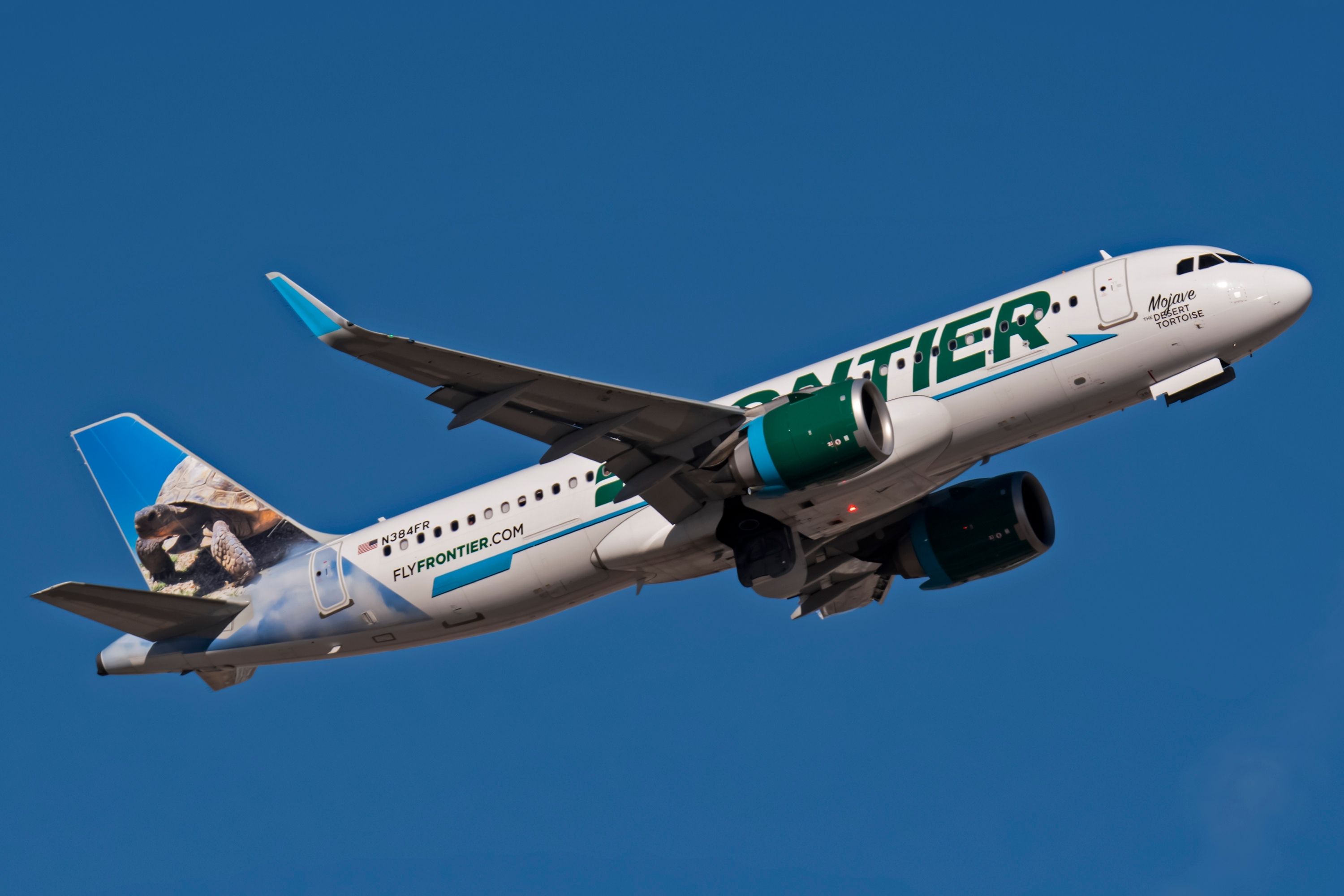
Photo: Robin Guess | Shutterstock
Ch-aviation data showed that in the US, airlines operate 162 A320neo and A321neo aircraft with the LEAP-1A engine. The only two carriers that could be affected by the directive are  American Airlines
and Frontier Airlines
, since their A320neo family aircraft are powered by that engine. In the case of the latter airline, it has A320neo and A321neo
aircraft with LEAP-1A and Pratt & Whitney PW1100G engines.
Meanwhile,  Delta Air Lines
, Hawaiian Airlines
, JetBlue
, Spirit Airlines
, and  United Airlines
have 315 active, stored, or in-maintenance A320neo family aircraft equipped with the PW1100G
engine.
Related
Airbus CEO: CFM Engine Supply Improving But 770 Aircraft Delivery Target Is Still Tight
In order to hit the 770 target, Airbus will have to deliver 211 aircraft in November and December.
