

NTSB said all black boxes are recovered. The Black Hawk’s black box shows no exterior damage, and CRJ’s flight data recorder is in good condition.


The Federal Aviation Administration ( FAA
) has banned most helicopter routes near Ronald Reagan Washington National Airport
(DCA) indefinitely following a fatal midair collision Wednesday night between American Airlines Flight 5342
and a US Army Black Hawk helicopter. All 67 passengers on board died in the crash, which plunged both planes into the Potomac River, making it the worst aviation accident to strike the United States since 2001.
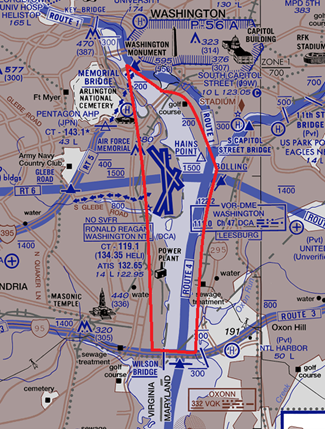
Photo: U.S. Department of Transportation
FAA’s action
The FAA imposed strong limitations on helicopter traffic over the Potomac River near the airport, which extends from Memorial Bridge to the Wilson Bridge and includes regions over DCA, in reaction to the fatal incident. With immediate effect, the new regulations forbid all non-essential helicopter activities in the region, except for presidential helicopter flights, active law enforcement, life-saving medical missions, and air defense. Until the National Transportation Safety Board ( NTSB
) concludes its first investigation into the incident, these precautions will remain in place.
Related
Trump said that he based his claims that the crash could be blamed on diversity policies within the FAA on his “common sense.”
“Today’s decision will immediately help secure the airspace near Reagan Airport, ensuring the safety of airplane and helicopter traffic,” US Transportation Secretary Sean Duffy said in the statement. “This is part of the US Department of Transportation’s ongoing commitment to safeguarding our nation’s skies and upholding the highest standards of air travel safety. We will continue to support President Trump’s directive to achieve uncompromised aviation safety. The American people deserve full confidence in our aviation system and today’s action is a significant step towards restoring that trust.“
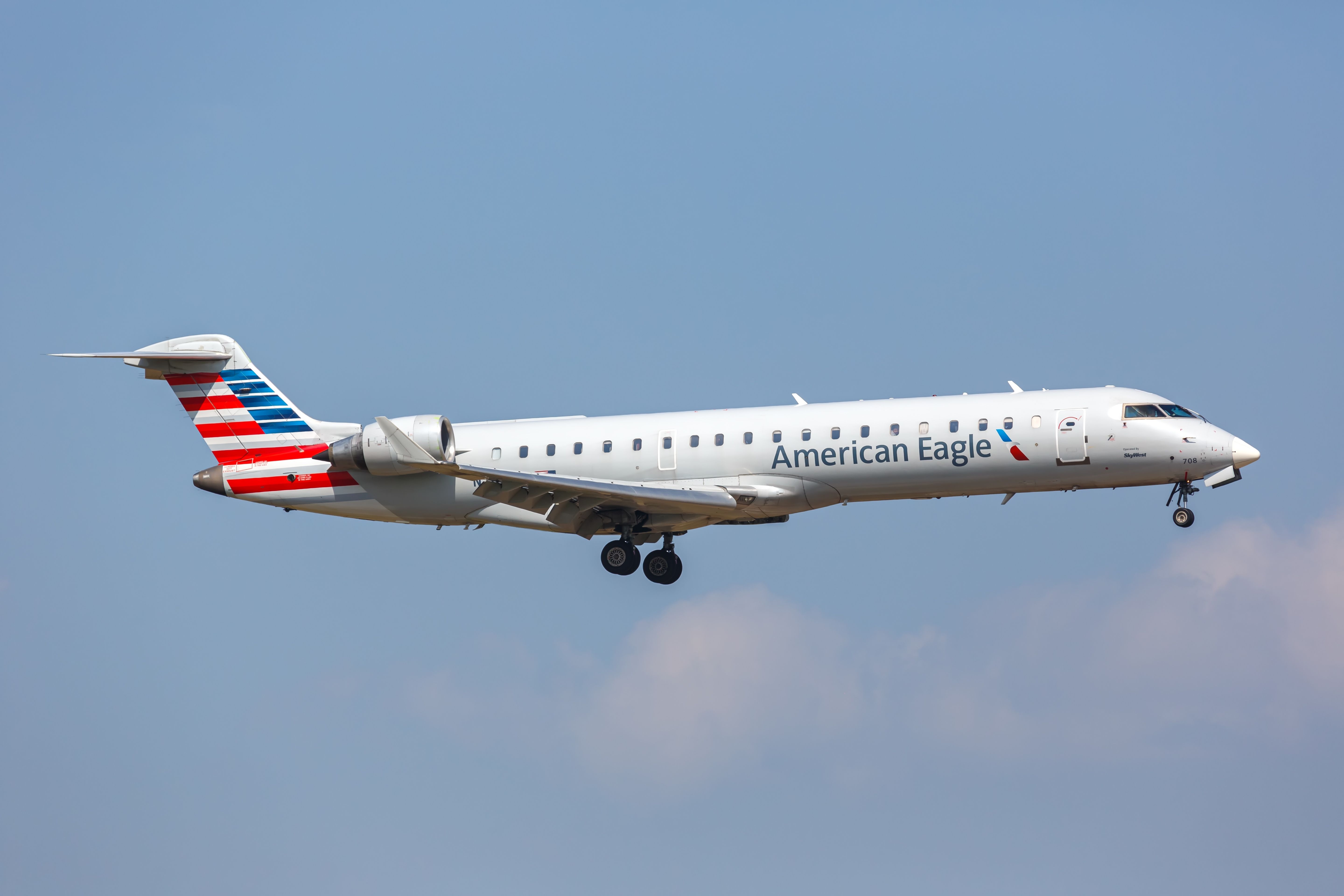
Photo: Markus Mainka | Shutterstock
Black boxes retrieved
The NTSB has been working tirelessly to piece together the events leading up to the crash. NTSB member Todd Inman confirmed in a briefing held Friday afternoon that the NTSB was conducting a “debris mapping” process to understand how the aircraft reacted during the crash.
Inman also said that the Black Hawk’s black box, which included a digital flight data recorder and a cockpit voice recorder, had been retrieved. “We saw no exterior damage that would indicate that it was compromised,” the NTSB said.
The two black boxes from the  American Airlines
flight were recovered on Thursday, with the flight data recorder “in good condition.” It was opened on Friday, and the NTSB has a “high level of confidence” about getting a full download of the information in the near future. However, the cockpit voice recorder sustained water damage after being submerged in the river.
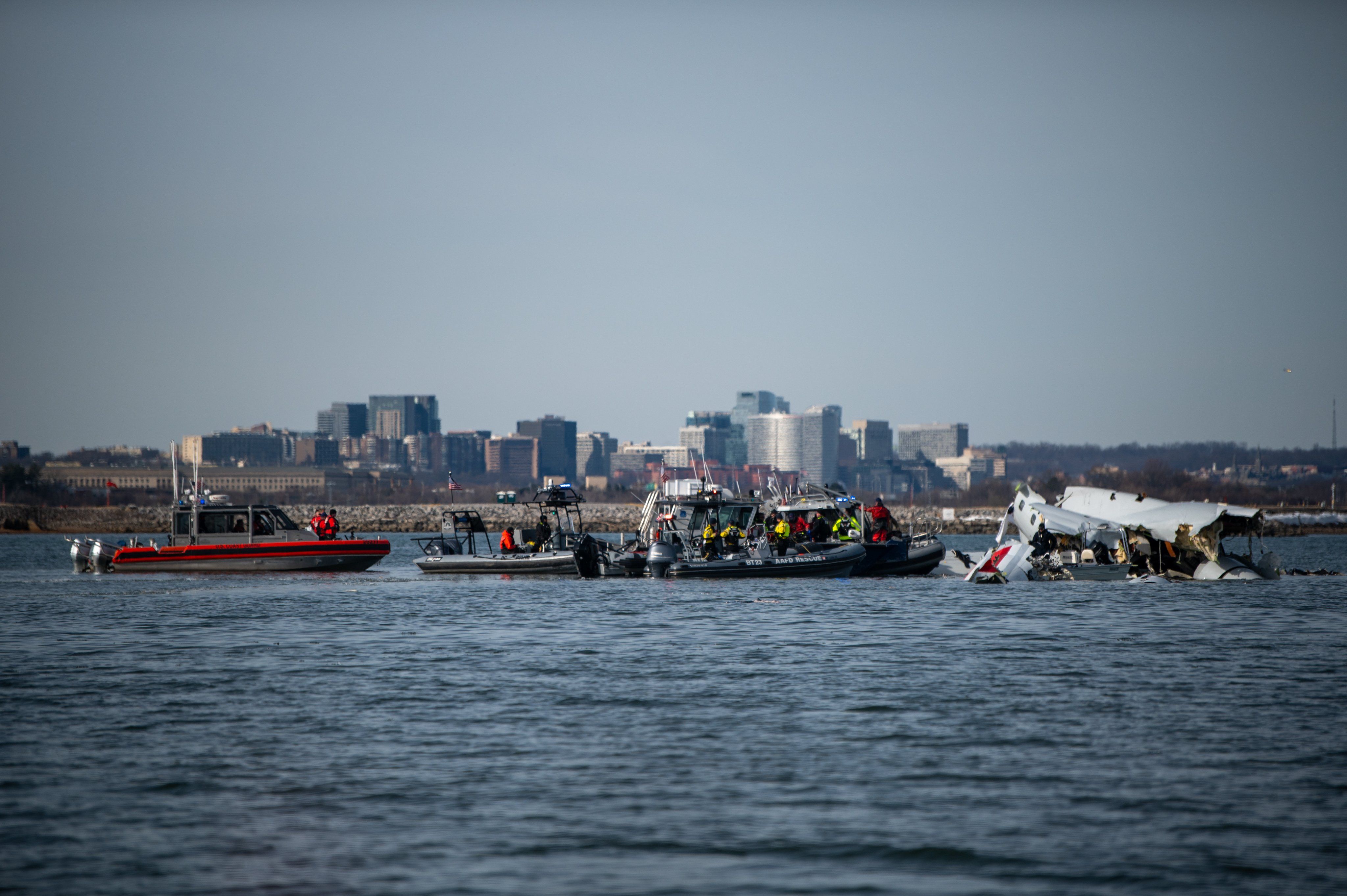
Photo: United States Coast Guard
“That is not uncommon. It is not an unusual event for us to receive a recorder with water intrusion. We deal with that all the time,” Inman said at a news conference Friday afternoon. “It is one step of many steps that we will take in order to get that data, but we have a very high level of confidence that we will have it.“
Air traffic controller being interviewed
The NTSB also confirmed that the air traffic controller on duty during the fatal crash has been interviewed as part of the investigation. Inman emphasized the importance of these interviews, stating that they are critical to understanding the events leading up to the disaster. He added that the NTSB would also be reviewing the controller’s training, hiring process, and even their recent physical and mental state, including factors like what they had eaten in the days leading up to the crash.
“We are looking at every piece of evidence,” said Inman. “This includes the controller’s actions, but also their training, their environment, and even what they ate that day. It all matters in an investigation like this.“
Related
Reagan National Airport Had 2 Close Call Incidents Last Year
The events highlighted the dangers of heavy congestion at the airport.
Concerns over staffing levels at Reagan National’s control tower were raised when a preliminary FAA assessment showed that the controller had been doing duties that were normally split between two individuals. According to Inman, the FAA had a “very robust plan” in place to look into personnel problems and other variables that may have contributed. He underlined that the inquiry will take into account a variety of information, emphasizing that a multi-layered approach would be essential to comprehending what went wrong because no one piece of evidence could account for the situation.
Within 30 days, an initial report that provides the agency’s first facts will be made accessible. A final report with all the agency’s conclusions and investigational information will be released around a year later. It usually contains recommendations to improve safety.
