Rancho Gordo’s bean club trademark dispute is only one of many fights over oddly generic food concepts.

Sign up for the Slatest to get the most insightful analysis, criticism, and advice out there, delivered to your inbox daily.
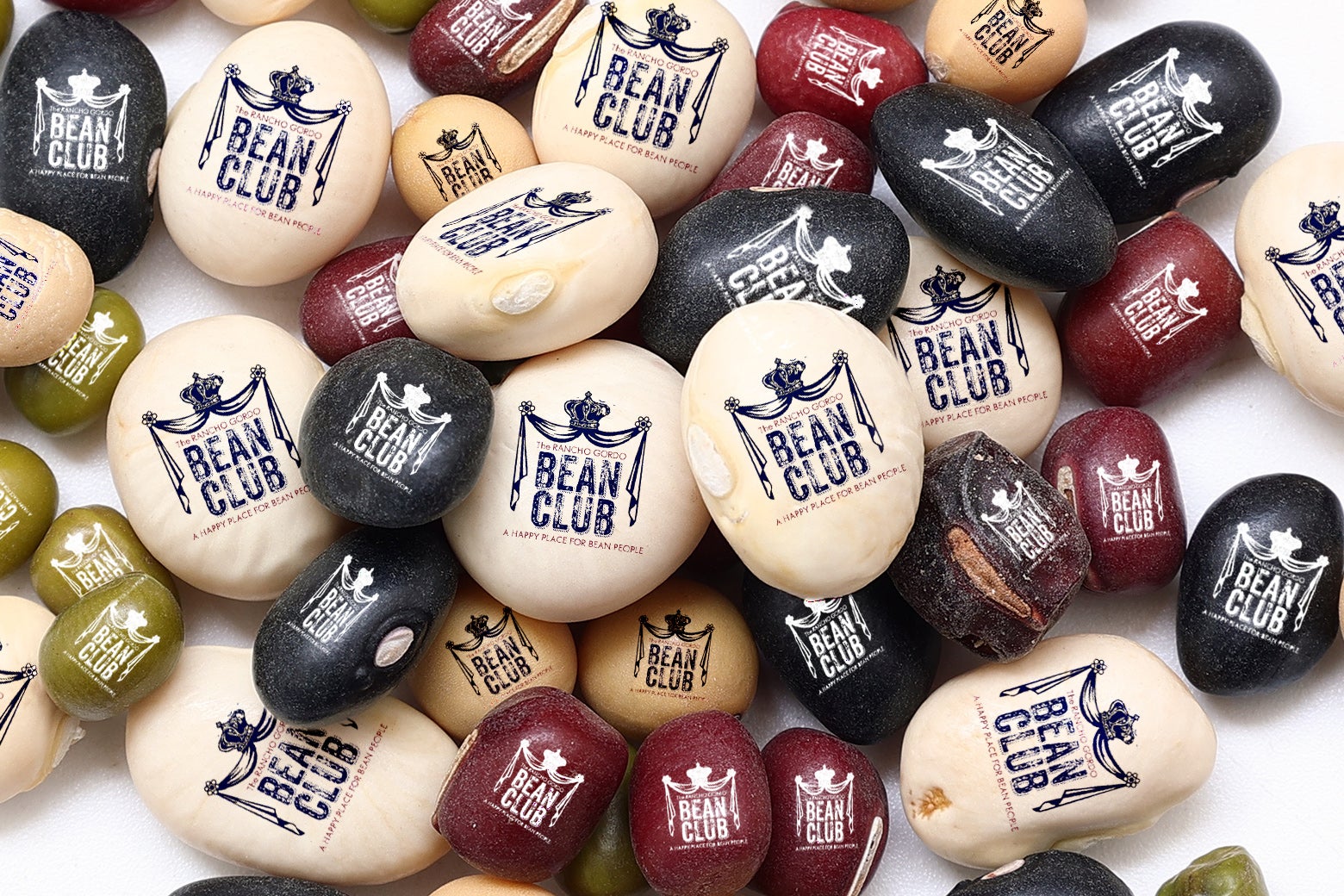
They’ve got the beans over at Rancho Gordo, and they have a club for them, too. But if you happen to be thinking of starting a bean club of your own, and use those exact two words in proximity to each other, the Gordo folks might just come after you.
That’s exactly what happened to the owners of Foodocracy—a California heirloom bean company—when one day they received a cheerfully aggressive cease-and-desist letter. “Hello fellow bean lover!” it began, sounding like something you’d hear before getting shot in the back of the head. “It has come to our attention that Foodocracy is offering its customers membership in an ‘Heirloom Beans + Grains Club,’ ” it said, before going on to inform Foodocracy that the phrase “bean club,” which I’m a little afraid of even typing here, is a registered trademark of Rancho Gordo. New York company Buttermilk Bean reportedly got a similar letter.
Maybe they should all just call themselves bean pods? Those are the original bean clubs, after all. And just who are these bean pushers? They’re another California-based heirloom bean company that ships fancy varieties to their club boasting 30,000 members, and—wait for it—there are another 35,000 on a waitlist hoping to get in. They like to keep things exclusive. Especially the name bean club.
This brouhaha is yet another reminder that almost anything these days can be trademarked, to an extent. Trademarks are generally granted for how unique a name is, and how much hearing it conjures a particular company in the consumer’s mind. “The idea is that a name would ‘acquire distinctiveness,’ meaning it has a certain amount of penetration in the marketplace,” says trademark attorney Josh Gerben. “So that people understand, like in this case, that Rancho is behind the idea of this bean club. They hear ‘bean club’ and go, ‘Oh, that’s Rancho’s thing.’ ”
Except that Gerben is having a hard time buying it in this example. “How else would you describe a group of people that want to talk about beans?” he said, jokingly. “I think if somebody wanted to make a run at canceling this trademark, they’d have a pretty good case.”
We’re in a shameless legal age in which there is seemingly no limit to the vague collections of words, colors, and fundamental building blocks of matter that a company will try to trademark as their own. If you have a granola group, seed society, cherry circle, or risotto ring, and a lawyer league owns a trademark on one of them, they might just airdrop cease-and-desist letters like leaflets over a city in World War II.
Rancho Gordo is among the most recent to trademark something so general it elicits chuckles. But they’re by no means the first.
In the 2010s, Subway repeatedly tried and failed to trademark the term footlong. But the Trademark Trial and Appeal Board determined that footlong is a generic, widely used term in reference to a category of 12-inch sandwiches. It became a somewhat ironic move on Subway’s part, considering they’ve since been on the receiving end of lawsuits claiming they’re being deceptive about the sandwiches actually being a foot long. Not sure if whoever figured that out is a, um, hero, or a petty man with a tape measure.
Reese’s successfully won a trademark for that particular ugly shade of orange they use on their peanut butter cups. And Philips briefly had a trademark for the term airfryer, before oven-phobic people bought air fryers en masse and caused every appliance brand to put out their own, ultimately invalidating the original trademark as merely a descriptive phrase.
“Even if you invent a category, you’re often not able to own the generic term for that category,” Gerben says, “because presumably you’re going to have competitors, and they’re going to need to use that to identify what they’re offering.”
The most formidable of the trademark wars involved the definitive marriage of a food item with a day of the week: Taco Tuesday. It was a term trademarked in 49 states for 34 years by Taco John’s, and in the other remaining state? That trademark belonged to Gregory’s Restaurant and Bar in New Jersey for more than 40 years. Added up, that’s a hell of a lot of Taco Tuesdays.
But the Bell and that Chihuahua came knocking. They argued in a petition to the U.S. Patent and Trademark Office that the phrase “should be freely available to all who make, sell, eat and celebrate tacos.” LeBron James even joined the fight. At that point, the term Taco Tuesday was already omnipresent in the marketplace, which pretty clearly diluted the value of the original trademarks and would have hampered any attempt to enforce the registration. Both restaurants wound up abandoning their claims, not wanting to take on the legal fees involved in fighting Taco Bell and their wallet powered by Burrito Supremes.
It’s a narrow legal line. The trademark office tends to be hypersensitive to granting overly descriptive and common-sounding trademarks, because letting too many of them through would create a sort of gridlock in the system, enabling brands to maintain monopolies on generic names and the specific industries they represent. They start waving too many vague trademarks through, and all of a sudden you’re getting sued by the Food Store for selling food.
Still, a few seem to slip past defenses. “Cookie Dough Bites is a great mark, and it’s interesting as it was part of the early adoption and craze for cookie dough as a product in and of itself,” says brand anthropologist and History Channel personality Jason Liebig. “The folks behind Cookie Dough Bites will often have to issue cease-and-desists, because people just presume it’s a generic term. It’s not, and so if you want to sell a product that is essentially a small pop of cookie dough, you’d better call them ‘Cookie Dough Poppers’ or ‘Cookie Dough Snips’ or anything else.”
And you better do the same if you’re looking to add a bean-related spinoff to your book club, which is probably up next for a trademark. For his part, Rancho Gordo owner Steve Sando argued to Today.com that “People say, ‘Oh, bean club is too common.’ Well, so is Home Depot; so is Waffle House. When those were started, they were super unique.”
Perhaps he has a point. But clubs are far more common than depots, and with today’s record low rate of first-time homebuyers, the average youngish person is more likely to belong to a club than own a house. I don’t even need to mention how waffles are totally different from beans. Aside from the fact that they haven’t been growing in pods since the seventh millennium BCE, I also would never join a bean club. But I might consider visiting a waffle wing.