

Rolls-Royce CEO Confident Boeing 787 Dreamliner Trent 1000 Engine Upgrades Will Bring Airlines Back


Rolls-Royce’s chief executive has expressed confidence in the Trent 1000 engine, one of the two options for the Boeing 787 aircraft family, with upcoming upgrades hopefully improving the durability and, consequently, sales of the powerplant.
In an interview with Bloomberg, Tufan Erginbilgiç, the chief executive officer (CEO) of Rolls-Royce, said that by the end of 2025, the British original equipment manufacturer (OEM) will have a very competitive engine, which it will push onto potential customers.
Erginbilgiç admitted that the engine’s durability has been an issue, but the company has been optimistic that the upgrades will improve Rolls-Royce’s situation when it comes to securing orders for the Trent 1000.
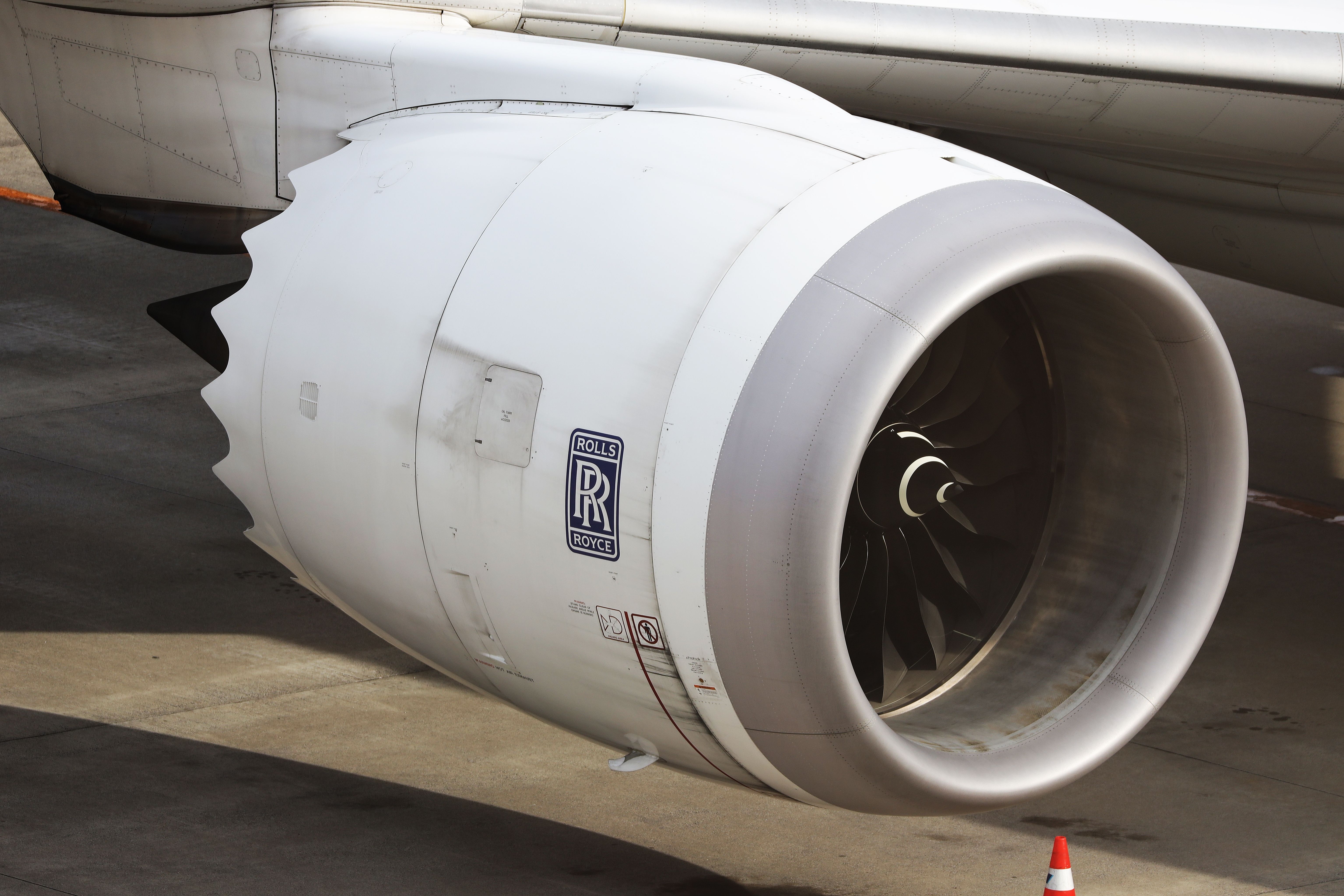
Photo: KITTIKUN YOKSAP | Shutterstock
While the first Boeing 787, a 787-8, was delivered to All Nippon Airways (ANA) on September 25, 2011, with Trent 1000 engines, the British engine maker has been in an uphill battle against GE Aerospace and the GEnx, the other 787 engine option.
Boeing’s order and delivery data showed that since the manufacturer officially announced the 787 – then known as the 7E7 – in January 2003, with an expected entry-into-service (EIS) date of 2008, the aircraft manufacturer had secured 2,388 gross orders for the 787 as of October 31.
Out of the 2,388, 1,526 had the GEnx attached to them, while Rolls-Royce had booked 550 aircraft orders for the Trent 1000. The remaining 312 had unspecified engines, according to Boeing’s filings.
Related
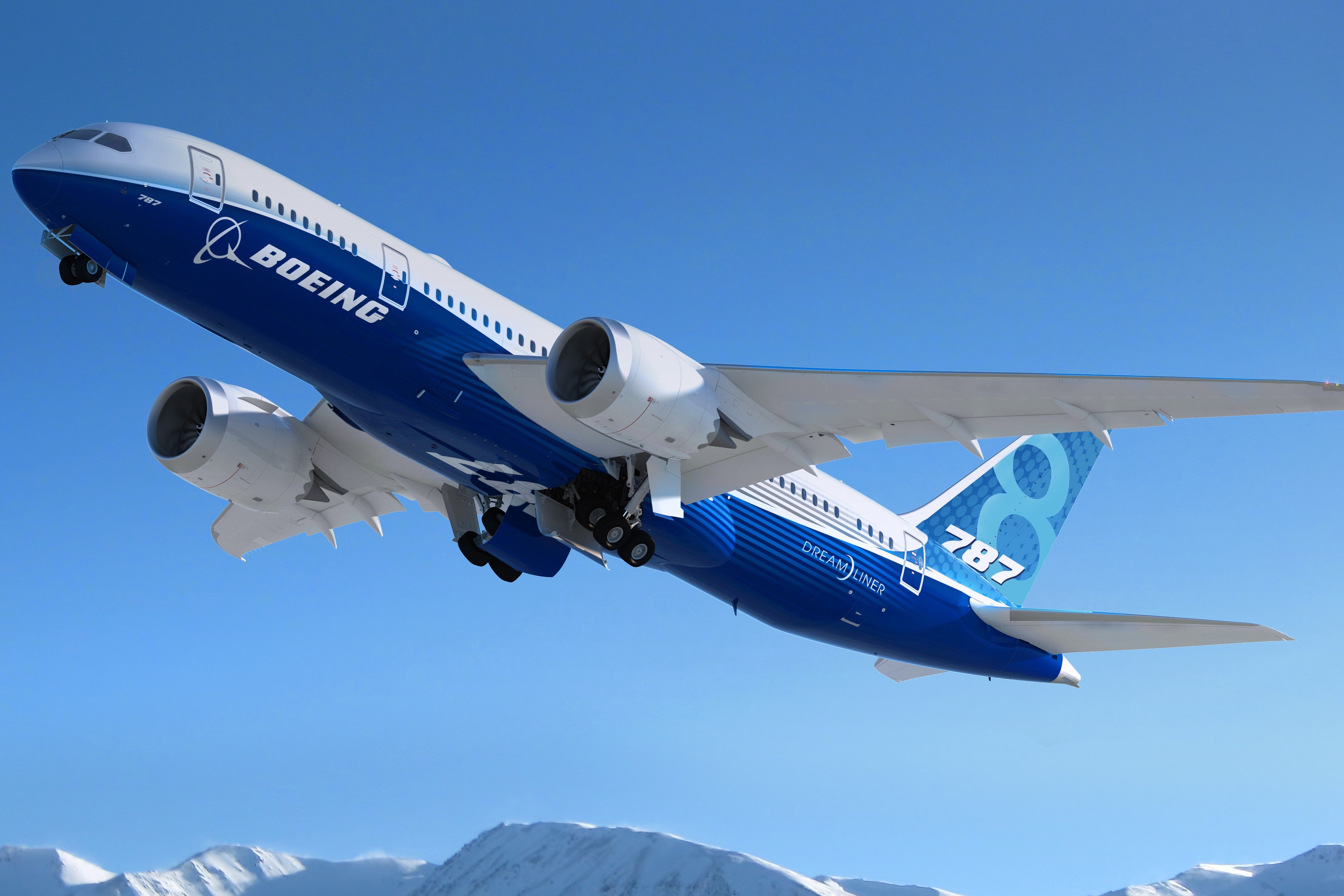
Rolls Royce Vs General Electric – Boeing 787 Engine Options Explained
Dreamliner customers have a choice of either Rolls-Royce or General Electric engines.
Upgrading the Trent 1000
Rolls-Royce has been developing an upgrade for the Trent 1000, saying that it was an exciting new chapter for the engine. Calling it a Durability Enhancement package, the British OEM promised to increase the engine time-on-wing (TOW) whilst also decreasing emissions.
“A key element of this Durability Enhancement package is a re-engineered high-pressure turbine blade (HPTB) to improve durability.”
However, Rolls-Royce highlighted that it has already been developing another upgrade, promising that the latter upgrade package will improve the engine’s TOW by another 30%.
The new HPTB design is already in service with the Trent 7000, the exclusive engine option for the A330neo. After almost two years of operations, the blades’ performance had been in line with Rolls-Royce’s expectations.
“The certification programme is progressing and after recently securing engine certification with
EASA
, it is great to see the Boeing 787 Dreamliner used for flight testing take to the sky and begin the certification flight test programme.”
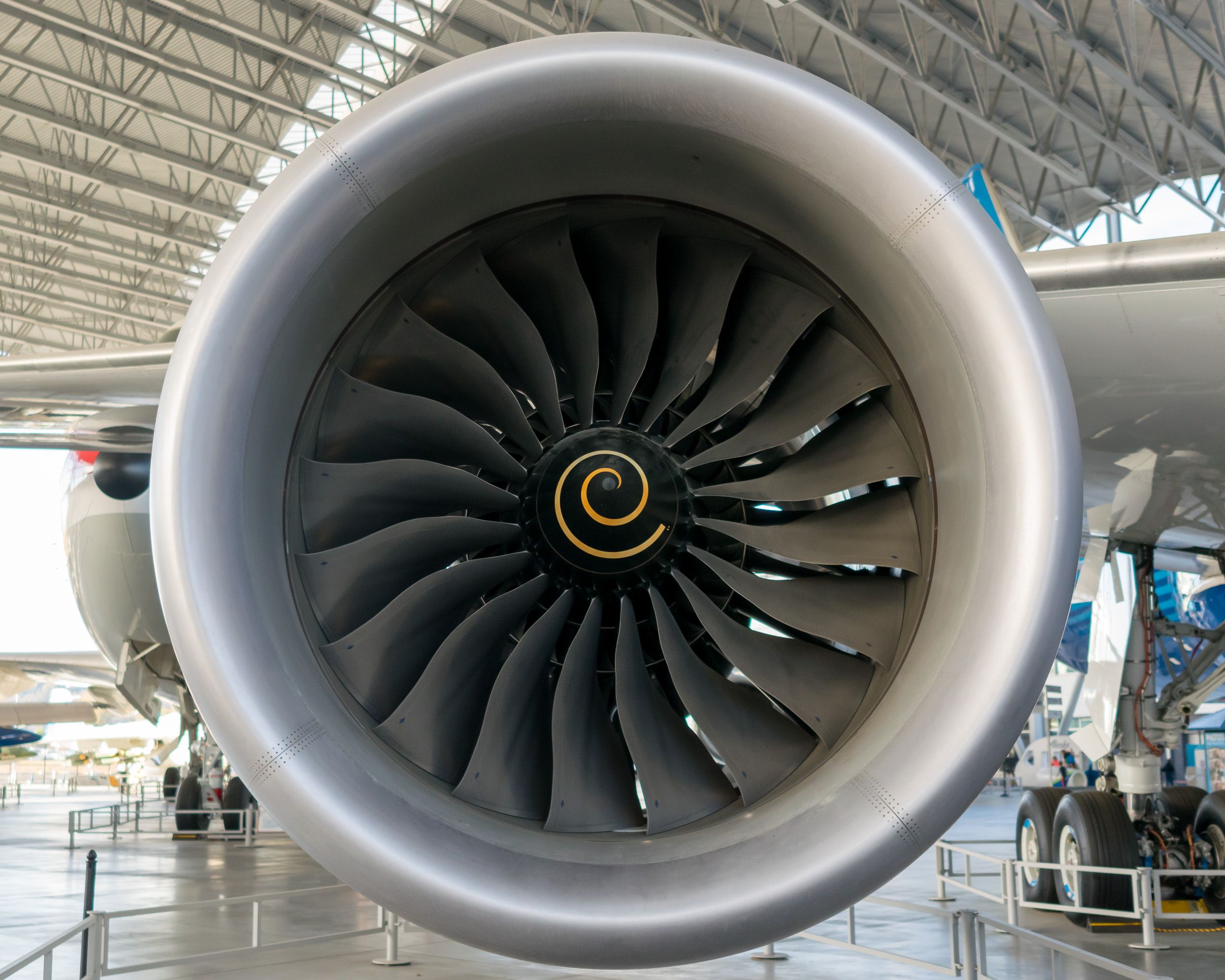
Photo: Joe A. Kunzler
Rolls-Royce promised that with all of its efforts focused on the upgrade package, it should begin offering the upgrade on new and in-service engines starting in early 2025.
In a trading update on November 7, the British OEM said that it has continued to target Federal Aviation Administration ( FAA) certification for the improved HPTB design of the Trent 1000 in the coming months, which will more than double the TOW of the engine.
At the same time, the company admitted that the supply chain situation in aerospace continues to be challenging, with Rolls-Royce highlighting its focus on 15 suppliers where its interventions have resulted in improvements.
“However, we continue to work with focus and intensity across our supply chain to support growing OE and aftermarket volumes.”
Related
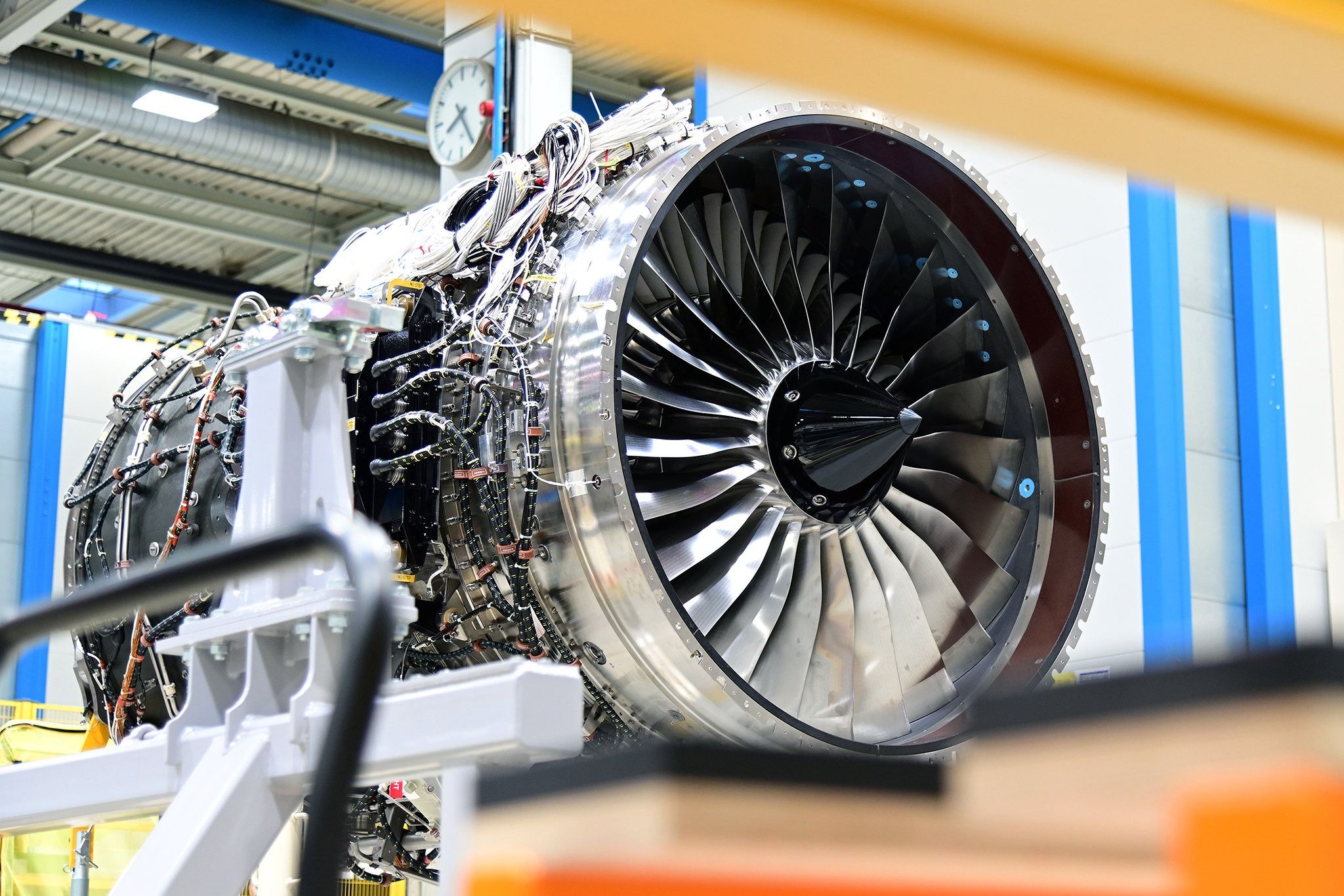
Rolls-Royce Cites Supply Chain Challenges As Shares Dip
The company remains optimistic despite the setbacks.
Losing customers
Throughout the past few years, Rolls-Royce has had trouble not only securing new but also returning customers’ orders. While the trading update pointed out that EL AL, the Israeli flag carrier, ordered Trent 1000s for its newest 787 order, other recent orders have not favored the British company.
During the Farnborough International Airshow in July, International Airlines Group ( IAG) bought the GEnx for  British Airways’ six upcoming 787-10s, with the British airline having operated Trent 1000-powered 787s since it introduced the type into its fleet in 2013.
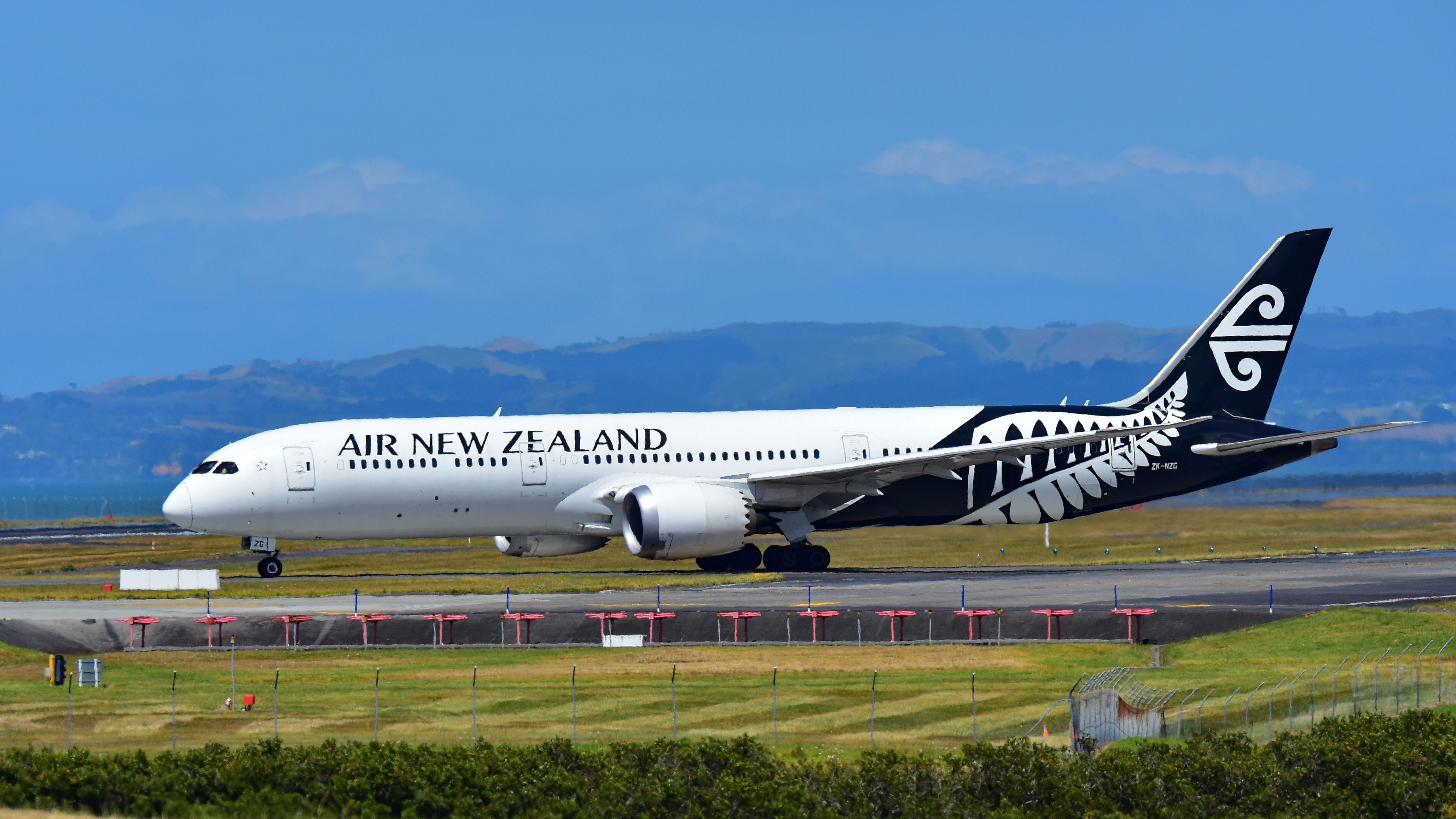
Photo: Jordan Tan | Shutterstock
Another example is Air New Zealand, which has 14 787-9s in its fleet. Its next 787 aircraft, five 787-9 and three 787-10s, will be equipped with the GEnx engine.
Both Air New Zealand and British Airways have expressed their frustrations about the Trent 1000 publicly, with the latter cutting its long-haul capacity due to supply issues related to parts and spares for the Rolls-Royce-built engine.
Related
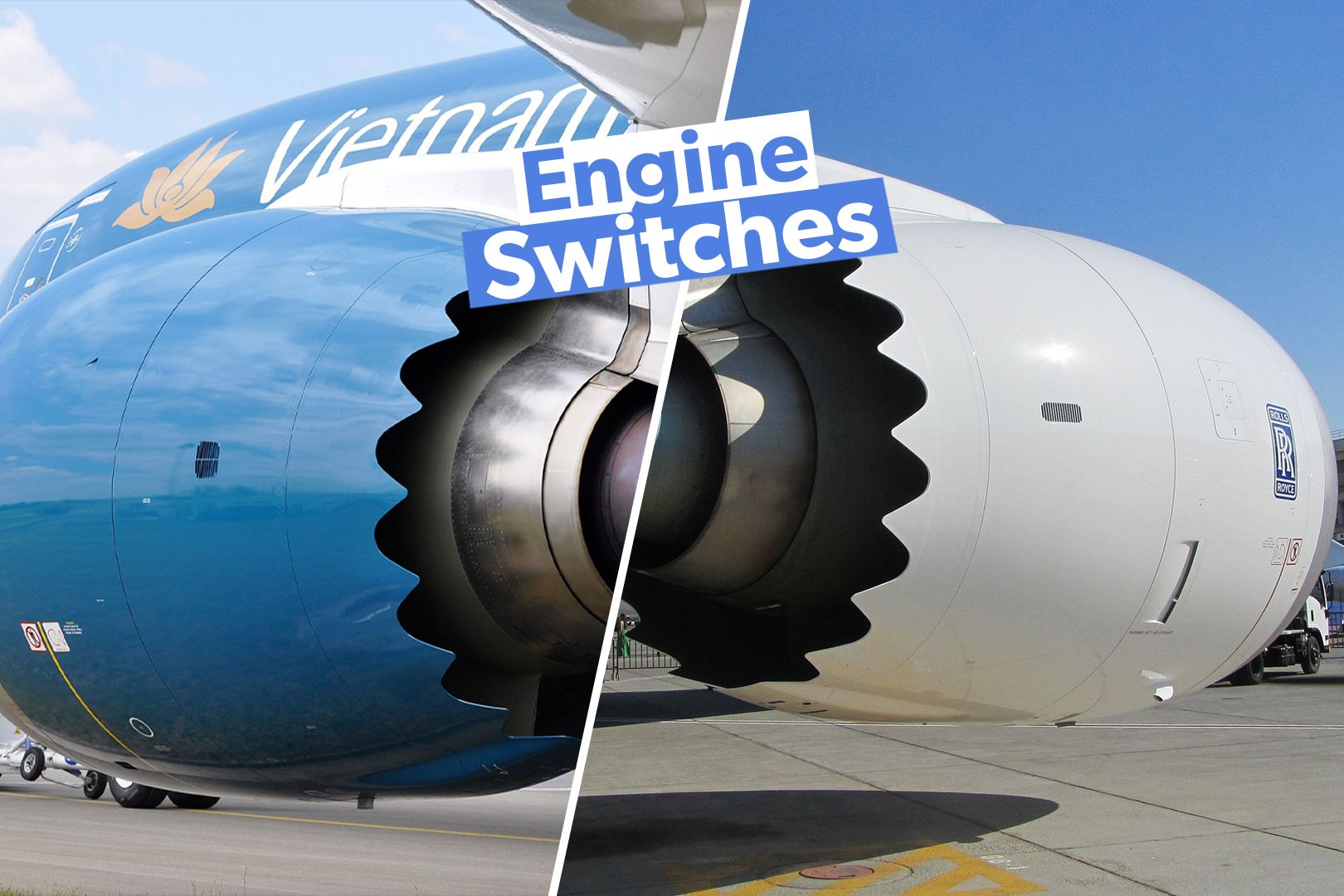
Analysis: Why These Airlines Have Switched Their Boeing 787 Engines From Rolls-Royce To General Electric
More than a third of the total Boeing 787 orders are powered by the GE Aerospace GEnx.
