


Summary
- The Singaporean Ministry of Transport (MOT) published its preliminary findings of the severe turbulence event of flight SQ321.
- According to the preliminary findings, the Singapore Airlines flight experienced a rapid change of altitude and a rapid change of g-forces.
- In response to the incident, Singapore Airlines has changed its seatbelt policies to have a more cautious approach.
The Singaporean Ministry of Transport (MOT) published its initial findings into the severe turbulence incident that involved a Singapore Airlines Boeing 777-300ER aircraft, which resulted in one fatality and more than a dozen injuries onboard the flight from the United Kingdom to Singapore.
Uncommanded increase in altitude
According to MOT, the Transport Safety Investigation Bureau of Singapore (TSIB) has extracted the data from the flight data recorder (FDR) and cockpit voice recorder (CVR) and managed to compile a preliminary chronology of events that had transpired on Singapore Airlines flight SQ321. The Ministry pointed out that the National Transportation Safety Board (NTSB), Federal Aviation Administration (FAA), and Boeing assisted the TSIB with the investigation into the severe turbulence event.
According to the TSIB’s chronology, the Singapore Airlines Boeing 777-300ER, registered as 9V-SWM, departed London Heathrow Airport (LHR) on its regularly scheduled flight SQ321 to Singapore Changi Airport (SIN) on May 20. At 07:49 UTC on May 21, the aircraft was flying on the southern edge of Myanmar at 37,000 feet (11,277 meters) over an “area of developing convective activity.”
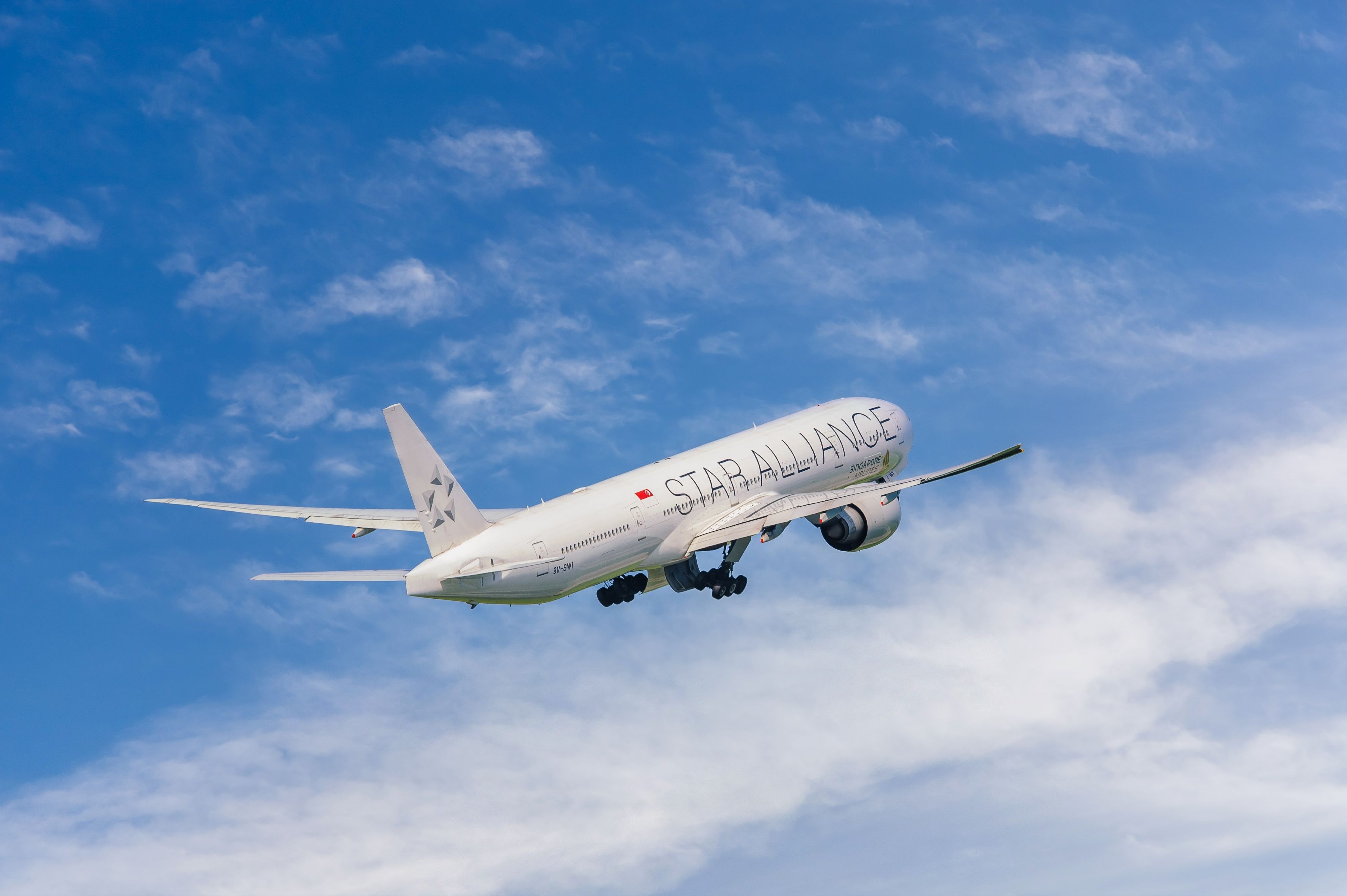
Photo: hodim | Shutterstock
The investigators noted that the flight’s gravitational forces, known as G-forces, depicting vertical accelerations, fluctuated between positive (+ve) 0.44G and +ve 1.57G for 19 seconds, which would have caused the aircraft to experience slight vibrations.
However, around the same time as the slight vibrations began, there was an uncommanded increase in altitude, with the Boeing 777-300ER climbing to a maximum of 37,362 ft (11,387 m). In response, the aircraft’s autopilot pitched it downward to descend back to 37,000 ft (11,277 m), with the pilots also observing that the aircraft’s airspeed had increased. The flight crew countered it by extending the speed brakes.
Related
Breaking: 1 Dead After Singapore Airlines Boeing 777 Hits Severe Turbulence
The flight diverted to Bangkok Airport following the incident.
Rapidly changing G-forces
At 07:49:32, the pilot called out that the seatbelt sign had been turned on. The TSIB noted that the uncommanded increase in altitude and airspeed stemmed from the aircraft being affected by an updraft. At the time, the autopilot was on.
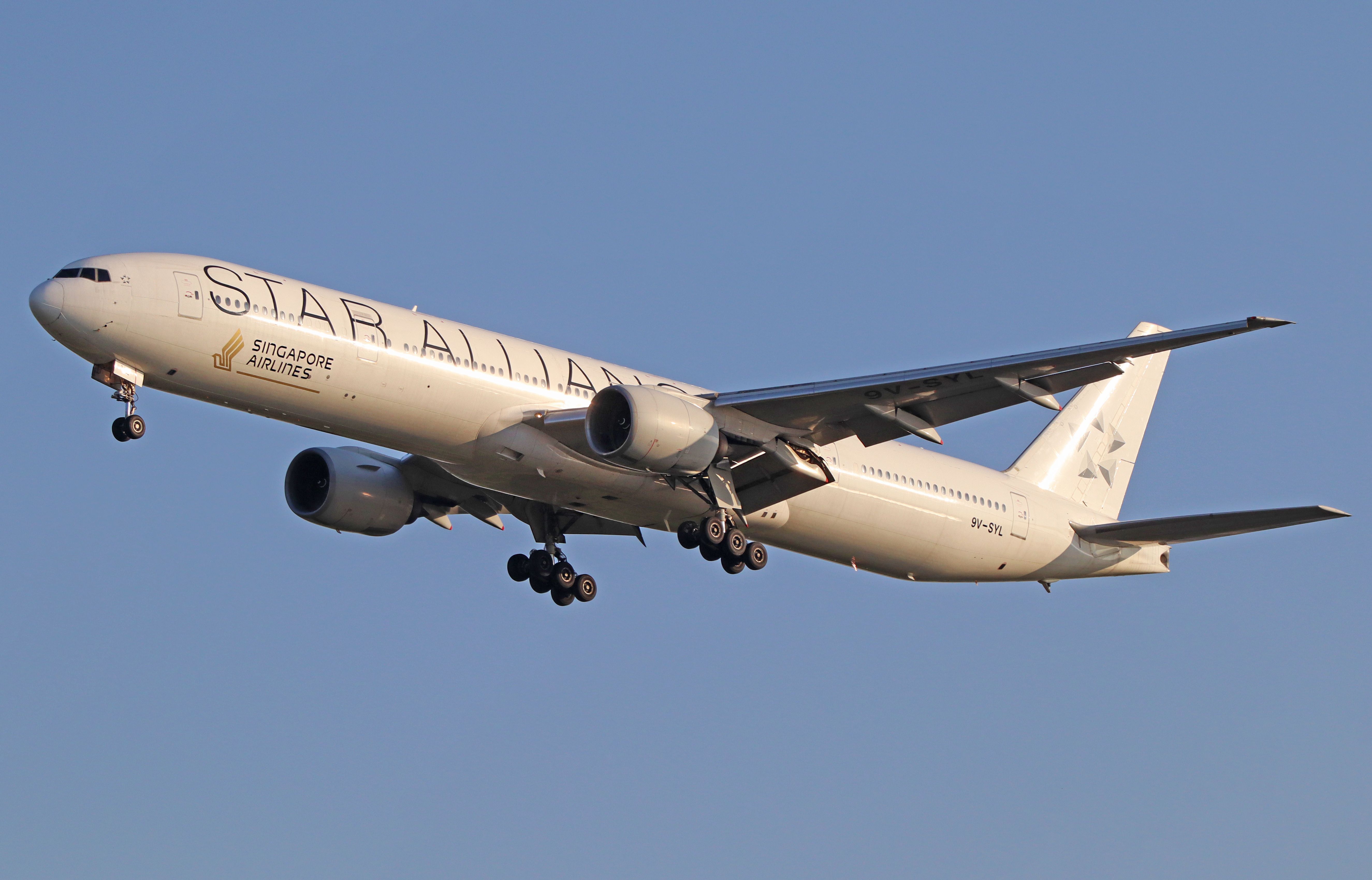
Photo: KITTIKUN YOKSAP | Shutterstock
At 07:49:40, the Singapore Airlines Triple Seven experienced a rapid change of G-forces, with the recorded vertical acceleration going from +ve 1.35G to negative (-ve) 1.5G within 0.6 seconds. As a result, the passengers who did not have their seatbelts fastened were lifted into the air, the investigators noted.
“At 07:49:41 hr, the vertical acceleration changed from -ve 1.5G to +ve 1.5G within 4 sec. This likely resulted in the occupants who were airborne to fall back down.”
The rapidly changing G-forces caused the aircraft’s altitude to drop by 178 ft (54.2 m) to 37,184 ft (11,333 m), which likely caused injuries to the cabin crew and passengers, according to the TSIB. At the same time, the FDR showed that the Singapore Airlines pilots attempted to stabilize the aircraft, which disengaged the autopilot.
After 21 seconds of manually flying the aircraft, the autopilot was turned on at 07:50 UTC. Over the next seconds, the vertical acceleration was more gradual, ranging from +ve 0.9G to +ve 1.1G, while the aircraft returned to its cruising altitude of 37,000 ft (11,277 m).
Related
Doctors: 20 Remain In ICU With Severe Injuries From Singapore Airlines Turbulence Event
A total of 48 passengers and crew are still in hospital care following Monday’s turbulence event.
Diverting to Bangkok
Subsequently, the cabin crew informed the pilots that there were injuries in the cabin. Thus, the pilots decided to divert the aircraft to Bangkok Suvarnabhumi Airport (BKK), Thailand, with the flight crew requesting medical services to meet the aircraft once it had arrived at the airport.
At 08:45 UTC, the aircraft landed at BKK. According to the initial statement issued by Singapore Airlines on May 21, 18 passengers were hospitalized, and 12 more were being treated for injuries. The airline also confirmed that there was one fatality onboard the flight from LHR to SIN.
Photo: hodim | Shutterstock
Nevertheless, in response to the preliminary findings, Singapore Airlines acknowledged the TSIB’s information, adding that it was fully cooperating with the relevant authorities in the investigation. The carrier emphasized that the safety and well-being of its passengers and crews were its top priorities. To note, TSIB stated that the investigation is still ongoing.
“We are committed to supporting our passengers and crew members who were on board SQ321 on that day, as well as their families and loved ones. This includes covering their medical and hospital expenses, as well as any additional assistance they may need.”
Before the TSIB published its preliminary findings, Singapore Airlines confirmed that it had changed its seatbelt policies onboard. In a statement to Simple Flying on May 24, the airline said that it has adopted a more cautious approach to managing turbulence in-flight.
The airline detailed that it has suspended hot drink and meal services when the seatbelt sign is on, with the company adding that in poor weather conditions, especially in turbulent weather, the cabin crew will secure all loose items and equipment in the galley to minimize the risk of injuries.
Photo: Corvin.Y.O | Shutterstock
Furthermore, its flight crew, including flight attendants, will advise passengers to return to their seats when the seatbelt sign is on, monitoring travelers who may require assistance. Lastly, the crews will return to their seats and secure their seatbelts when the sign is on.
“SIA will continue to review our processes as the safety of our passengers and crew is of utmost importance.”
Related
Singapore Airlines Changes Seatbelt Policy Following Severe Turbulence Injuries
As a result, passengers will not be served hot drinks or meals when the seatbelt sign is on.
Returning to Singapore
According to Flightradar24 data, the Singapore Airlines Boeing 777-300ER that was involved in the severe turbulence event returned to SIN on May 26. The aircraft was ferried to the airport using the special flight code SQ9071, returning to SIN after a one-hour and fifty-minute flight from BKK.
Photo: Fabian Joy | Shutterstock
Meanwhile, Singapore Airlines detailed that 45 passengers remained in Bangkok on May 28, including 28 travelers who have been receiving treatment in the hospital. The airline has stayed in contact with the passengers and crew members flying on flight SQ321, adding that it has facilitated travel to Bangkok for families and loved ones of the injured passengers.
Related
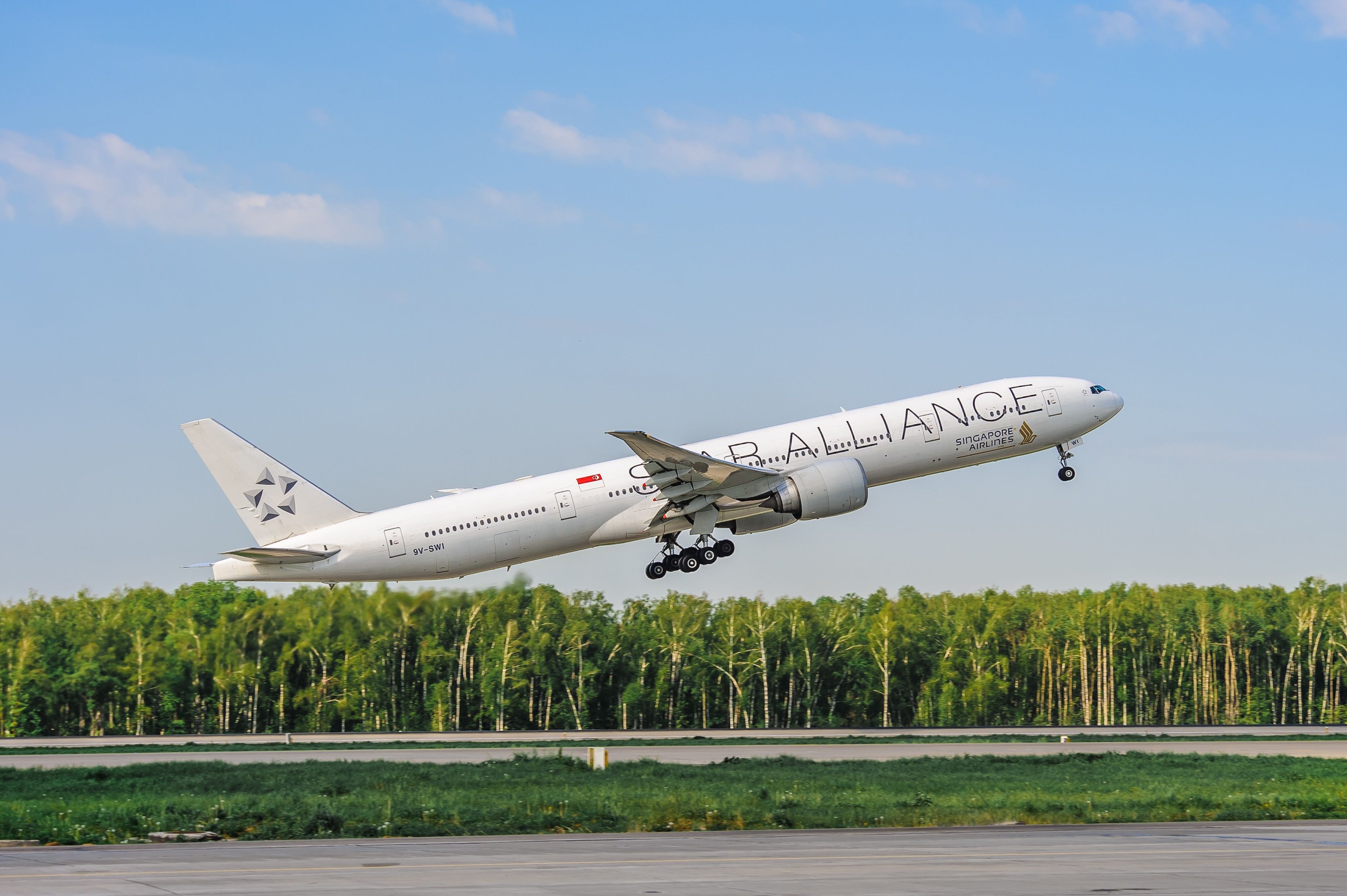
Boeing 777 Involved In Fatal Turbulence Incident Returns To Singapore
It is unclear how long with aircraft will remain out of service.
