


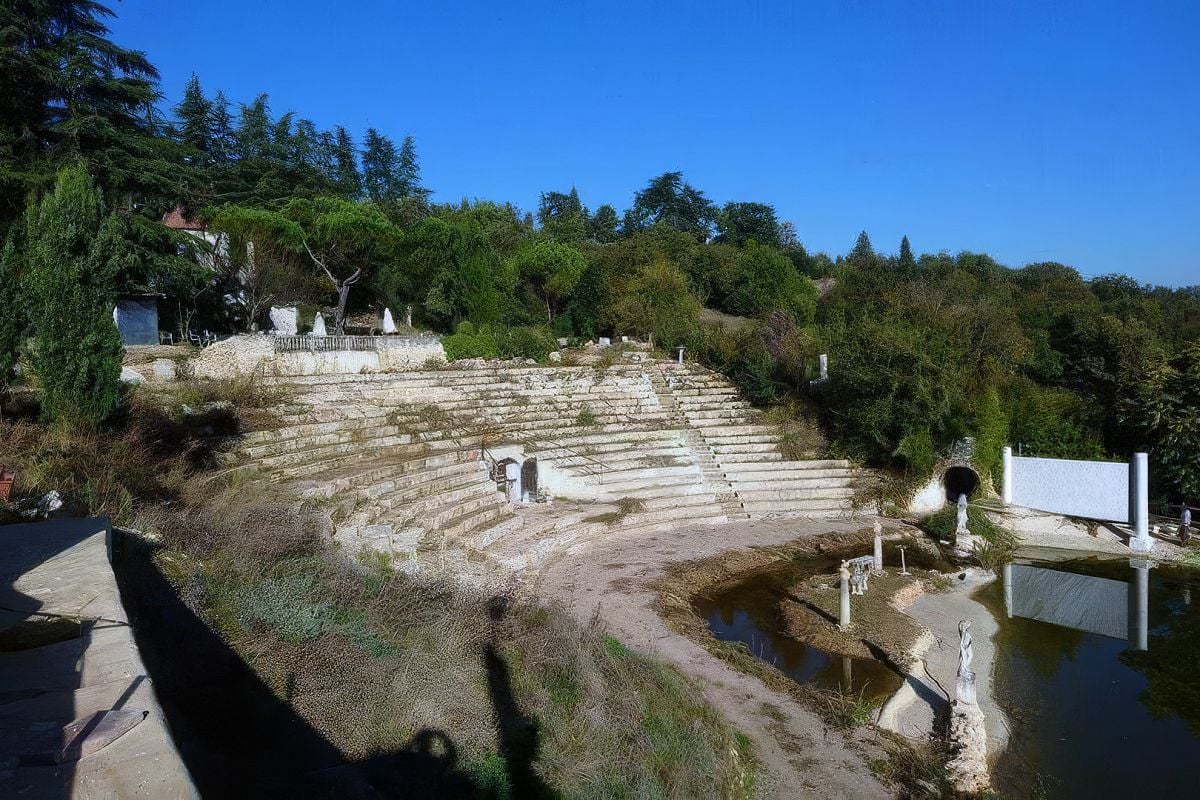
| Picture this: a hillside “archaeological site” complete with ancient Neolithic and Greco-Roman artefacts, impressive enough that visitors were charged a €40 entrance fee. Except it wasn’t ancient at all. |
Some stories just refuse to end quietly – and the saga of the Anfiteatro Berico is exactly one of those. More than five years after Italy‘s highest court closed the book on the case, the man at the centre of it all has finally landed in prison.
Franco Malosso, who goes by the name “Von Rosenfranz” and is now 69, has been serving time for a few months in a prison in Ventimiglia – the seaside town he relocated to after his legal troubles began. Back in December 2021, Italy’s Court of Cassation threw out his appeal, closing the door on years of legal wrangling that started in Arcugnano, a town near Vicenza, where the whole bizarre saga unfolded.
What was the Anfiteatro Berico?
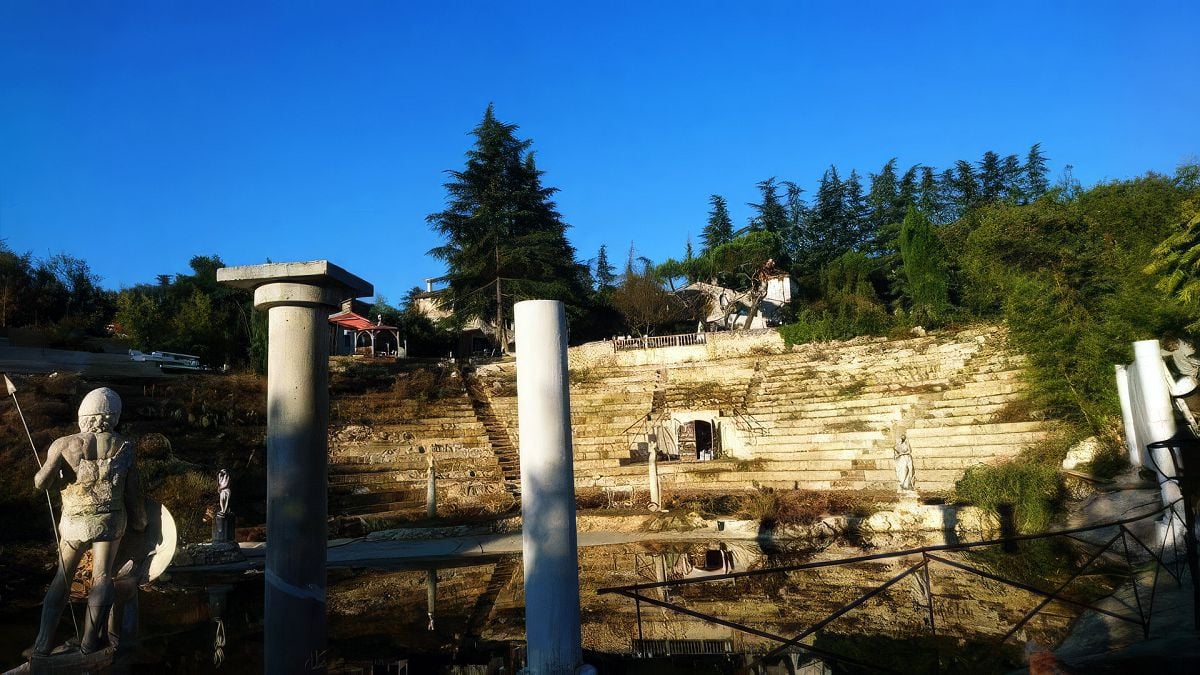
Picture this: a hillside “archaeological site” complete with what were marketed as Neolithic and Greco-Roman artefacts, impressive enough that visitors were charged a hefty 40-euro entrance fee. Malosso, who acted as the site’s caretaker and promoter, built up quite a reputation for his supposed ancient discovery.
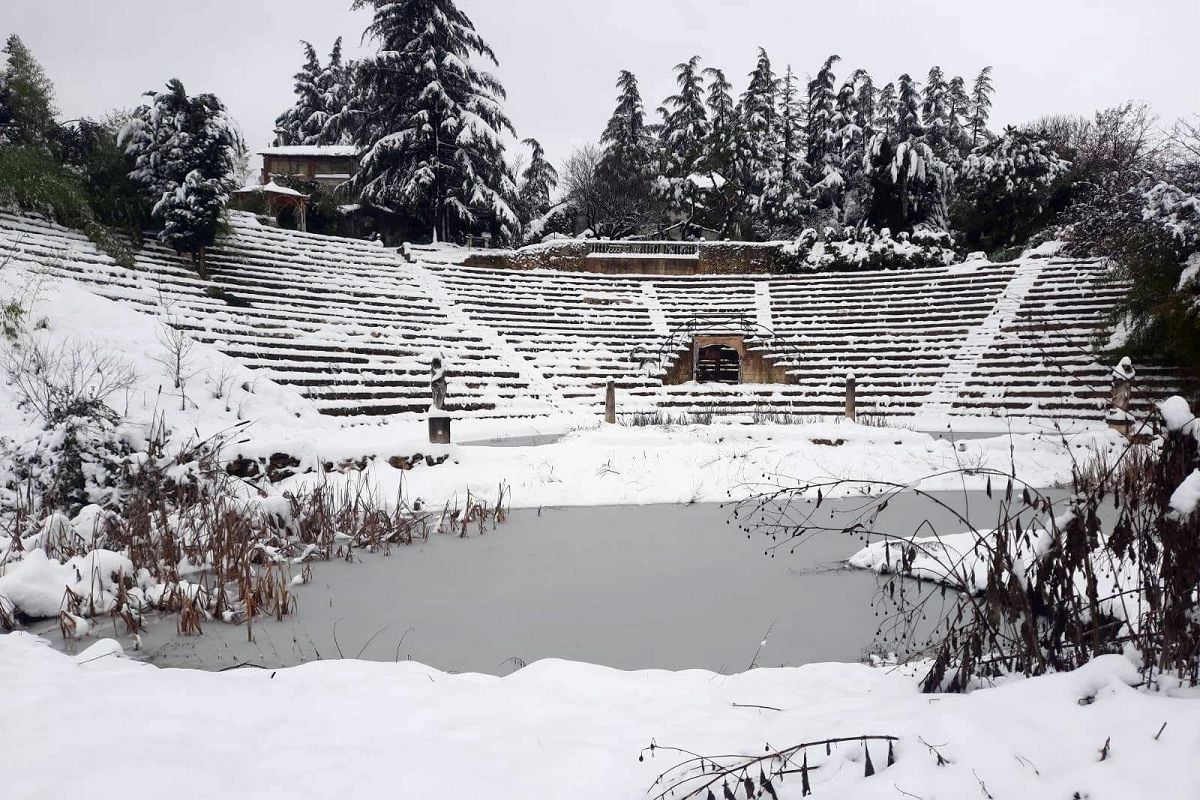
Except it wasn’t ancient at all. In 2016, investigators working with the Vicenza prosecutor’s office started digging into the site – literally and figuratively – and found nothing historical whatsoever. What tourists had been paying to see was a thoroughly modern construction: stone blocks stacked and treated to look weathered and old, plaster statues, concrete columns, and even a freshly dug artificial pond, all spread across a 5,000-square-meter plot. To make room for it, a protected, forested hillside had been cleared.
The courts weren’t fooled either
Lower courts found Malosso guilty on multiple counts – illegal construction, art forgery, and carrying out unauthorised building work – and sentenced him to two years and four months in prison, plus a €3,000 fine.
When the case reached the Court of Cassation, his lawyer, Marco Ellero, tried several angles to overturn or soften the ruling: arguing the building and environmental offences had expired under the statute of limitations, questioning whether the hillside was really a protected forested area, and even suggesting the fakes were too crude to have fooled anyone. The court wasn’t convinced and ruled that these kinds of offenses are ongoing rather than time-limited, confirmed the site’s protected status, and upheld both the conviction and the sentence as fair. A later attempt to secure probation instead of prison time was also turned down.
What happens to the site now?
Back in May 2019, a Vicenza court had already ordered Malosso to compensate the Arcugnano municipality and to restore the land to its original state by removing the fake “ancient” stonework, statues, columns, and pond, and letting the hillside return to how it looked before it was ever touched.
Ten years after the investigation began, the strange tale of Vicenza’s fake amphitheatre has finally reached its climax, and Franco Malosso is behind bars.

Graham Spicer, aka ‘Gramilano’, is a writer, director and photographer based in Milan. He was a regular columnist for Opera Now magazine and wrote for the BBC until transferring to Italy. His articles have appeared in various publications from Woman’s Weekly to Gay Times, and he wrote the Danza in Italia column for Dancing Times magazine. Graham was the historical advisor on Codice Carla, the 2023 documentary on Carla Fracci.
Graham also works as a dance photographer, and his photos have appeared in many books, theatre programmes, and magazines, including Dancing Times, Dance Spirit and Ballet2000, as well as all the major Italian newspapers.
He is a member of the Dance Section of The Critics’ Circle.
