


Donald Trump‘s administration has taken exception to UK government plans to compel online video giants like YouTube to promote “public service media” content from outlets like the BBC.
In a submission to Britain’s consultation on the proposals, the U.S. government said the plans would be state meddling in the algorithms of American companies that could amount to “extraterritorial censorship of protected speech by Americans online.”
The Department for Culture, Media and Sport announced the plans in June, aimed at requiring YouTube and TikTok to make it easy to discover content from the BBC, ITV, Channel 4, and Paramount-owned 5. In practical terms, that could mean boosting official clips from shows like Question Time in user feeds and search results.
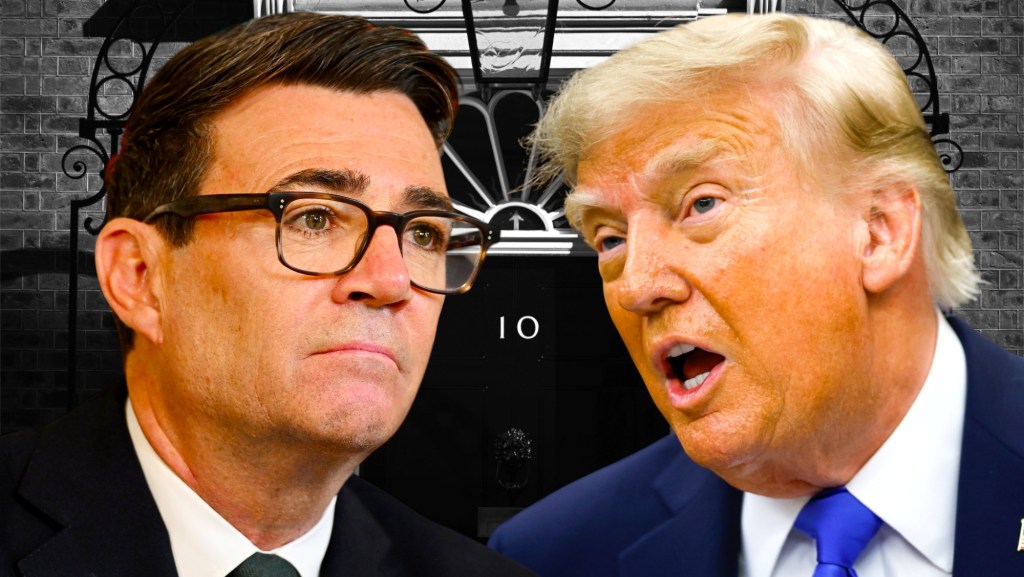
Ministers think that promoting public service media on influential platforms like YouTube will reflect changing viewing habits, as well as combat the tide of misinformation and disinformation on these services. The proposals pre-dated Andy Burnham replacing Keir Starmer as prime minister and now represent one of the first big tests of Burnham’s diplomatic relations with the White House.
In a notice published on the U.S. embassy website, the Trump administration said it had “serious concerns about the UK government’s stated goal of increasing the prominence of public service media and other ‘trusted news’ sources in users’ feeds.”
“A framework that empowers governments to influence which sources receive preferential visibility risks becoming a mechanism for viewpoint-based censorship,” the U.S. government continued.
“If the UK compels platforms to boost government-preferred media in algorithmic feeds, the effect on a government-disfavored speaker or media source’s reach is not meaningfully different than outright removal. The U.S. government would likely consider such a measure as facilitating censorship. Furthermore, such a mandate could establish a template that authoritarian regimes could invoke to justify more control over online content.”
The U.S. embassy notice added: “We ask that the UK withdraw any plans to mandate that platforms algorithmically amplify government-preferred media. Mandated platform design features, especially when applied to algorithms, may have an impact on what users see, say, and hear not just in or from the UK, but globally.
“Forced platform design changes to amplify UK government-preferred information sources could affect how Americans experience these platforms and how U.S. and independent journalists reach audiences.”
The U.S. government said the plans, which are part of a new media bill in the UK, also raise economic concerns that could damage Britain’s reputation for innovation and “impose disproportionate compliance burdens on American companies.”
The Trump administration was echoing concerns already voiced by YouTube, which has attacked the British government’s idea on more than one occasion. Speaking at the Edinburgh TV Festival last month, Pedro Pina, YouTube’s vice president in EMEA, said the plans amounted to “forced prominence” that would “impair the public interest” and damage the livelihoods of content creators.
A DCMS spokesperson said: “We welcome engagement and responses to our media green paper. We believe strongly in free expression and fair competition, and any action we take will ensure these are protected.”
