


Fleet modernization is a critical process for any airline. When done correctly, it allows operators to maintain flight schedules while still maintaining their flight schedule. This process ensures that older, less efficient aircraft are phased out to make room for newer, more fuel efficient jets that often provide passenger and crew experience improvements as well. In the past several years, many iconic aircraft of yesterday have been permanently grounded as next-generation airliners become more available.
TUIfly
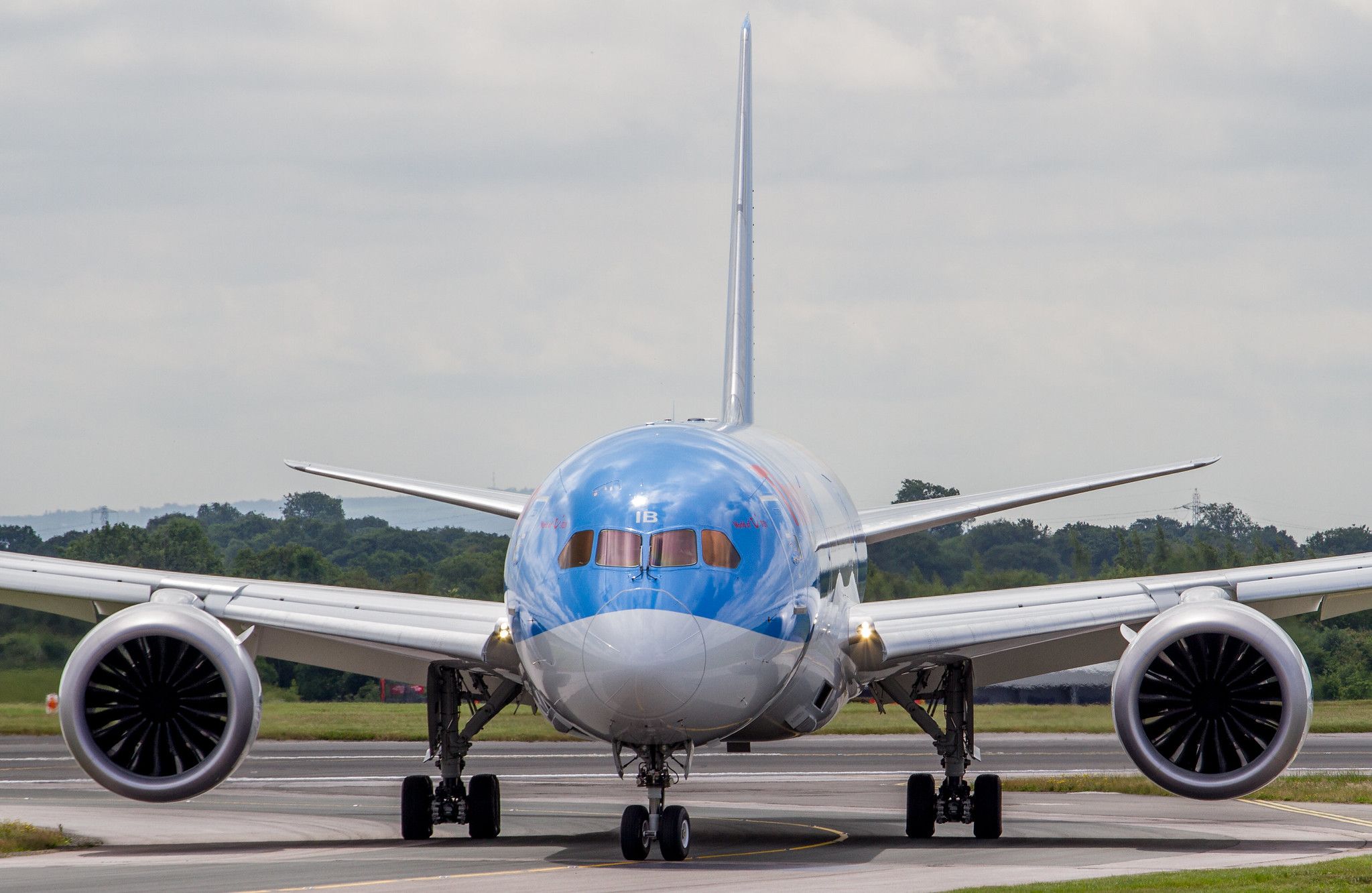
is one example of an airline updating its fleet. The carrier, which operates several variants of short and medium-haul aircraft, has been modernizing its fleet with the introduction of the Boeing 737 MAX 8 and Boeing 787-8/-9 Dreamliner. These next-generation jets boast improved fuel efficiency and passenger experience, but have pushed older aircraft to retirement. As a result, TUI’s last Boeing 767
made its final flight to Pinal Airpark in Arizona recently.
TUI retired the Boeing 767 in 2024
Last year, the final revenue Boeing 767 flight was operated by TUI. The service was operated as OR1605, and departed for its last voyage on November 4, 2024. The flight departed Lanzarote Airport (ACE), an island in the Atlantic Ocean off the coast of Morocco, at 18:12 local time. It was bound for the Netherlands. The flight arrived in Amsterdam several hours later at 22:49 local time.
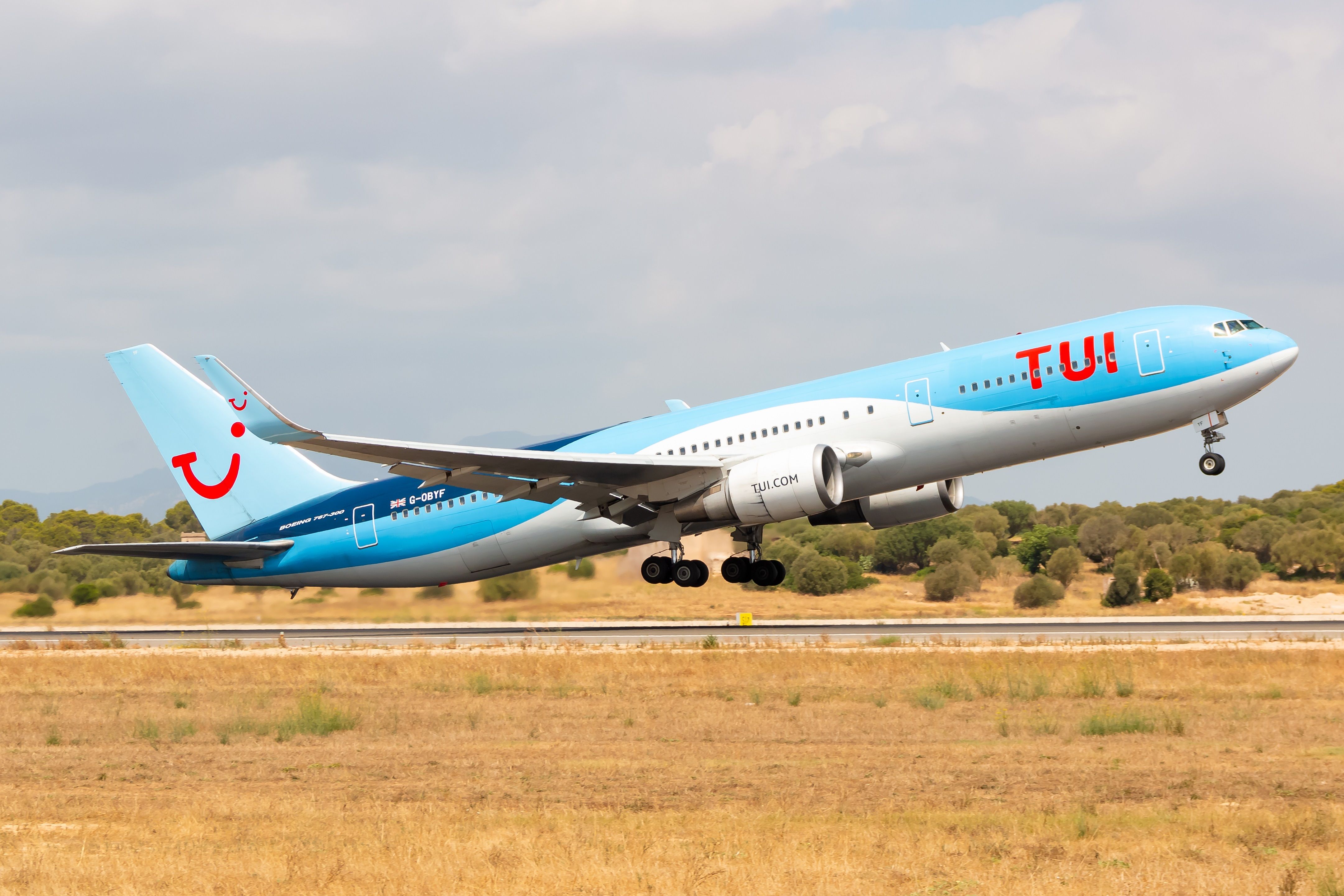
Photo: Lukas Wunderlich/Shutterstock
The last 767 in TUI’s fleet had a colorful and relatively short history compared to other 767 models. It was first delivered in February 2000. The aircraft operated for a variety of carriers, including, Thomson Airways, Arke Fly, and TUI Belgium, before eventually making its way to TUI Netherlands. The fleet’s configuration was moderately dense, featuring 31 business class seats and 264 economy seats, making for a total capacity of 295 passengers.
Upon arrival at Amsterdam Schipol Airport, the aircraft received a brief celebration honoring its years of service and contributions to TUI. Afterward, the aircraft departed for Istanbul to receive modifications. From Turkey, it then departed on its final voyage to the United States. TUI was not immediately available for comment on Sunday.
Related
Does TUI’s Last Boeing 767 Retirement Mark The End Of An Era For The Type In Europe?
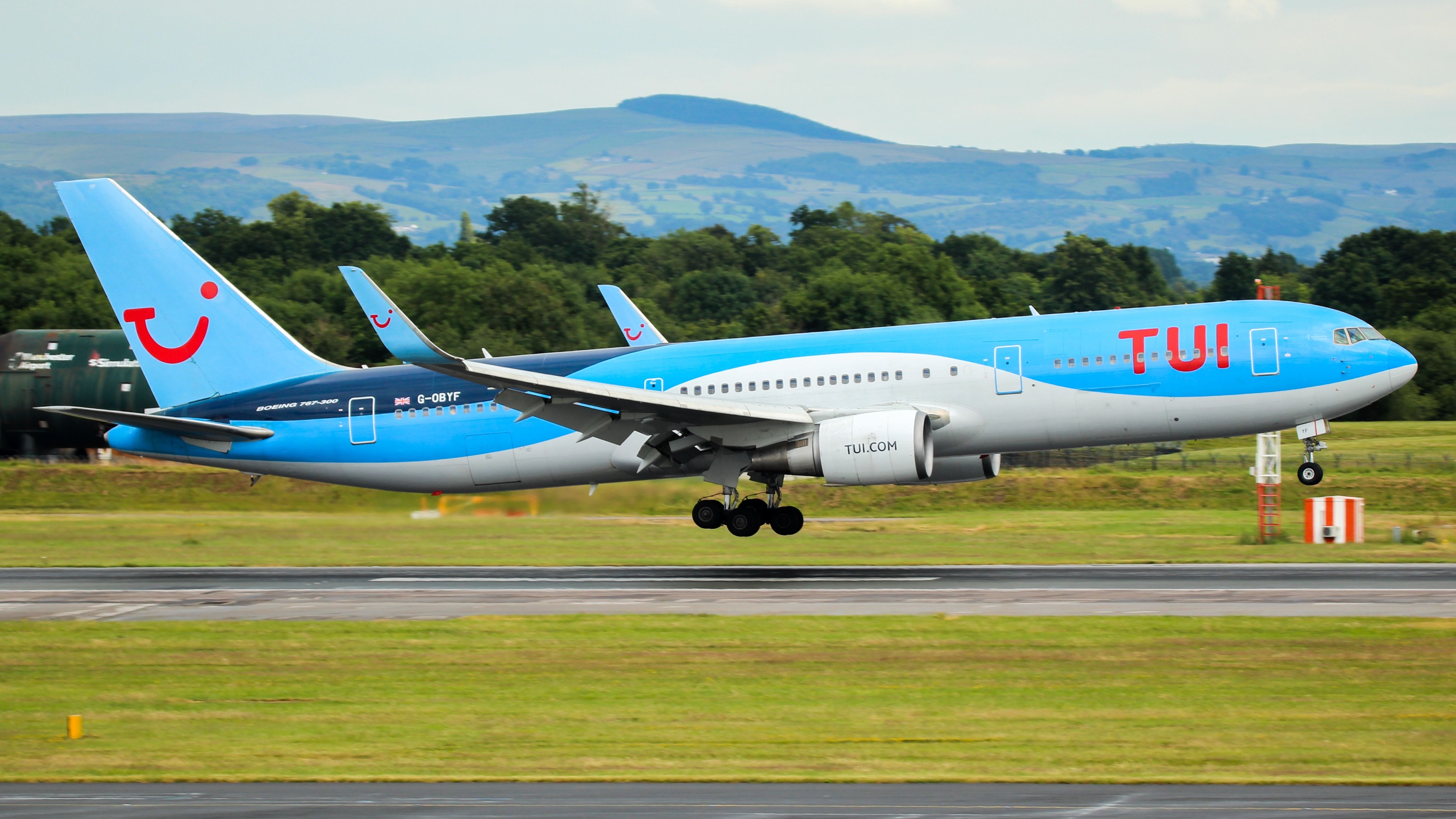
As reported earlier today by Simple Flying, the TUI Group has retired the last of its Boeing 767 aircraft. The aircraft in question (PH-OYJ) had been flying for TUI Netherlands, and was 24 years old at the time of its withdrawal. Perhaps more significantly, this marked the end of a working relationship lasting more than 40 years between the Boeing 767 and TUI and its predecessors.
With TUI having been such a major operator of the Boeing 767 for such a long time, some might argue that its retirement from the leisure carrier marks the end of an era in terms of the type’s presence in Europe. However, there are still plenty to be found if you know where to look, more than 50 active examples still left in Europe. While many now fly cargo, the likes of Austrian, Icelandair, and Belavia still have active passenger 767s registered to them.
Additionally, with the 767 still playing more of a role in the US market, carriers such as Delta Air Lines and United Airlines also fly the type on certai
TUI’s 767 heads to Arizona
Upon the aircraft’s arrival in Turkey, it underwent maintenance and modifications to become a freighter aircraft. From there, it was ferried to Arizona via a stop in Bangor, Maine. The aircraft is now being stored at Pinal Airpark, according to a LinkedIn post from a TUI employee, and will remain there unless a new owner purchases the aircraft.
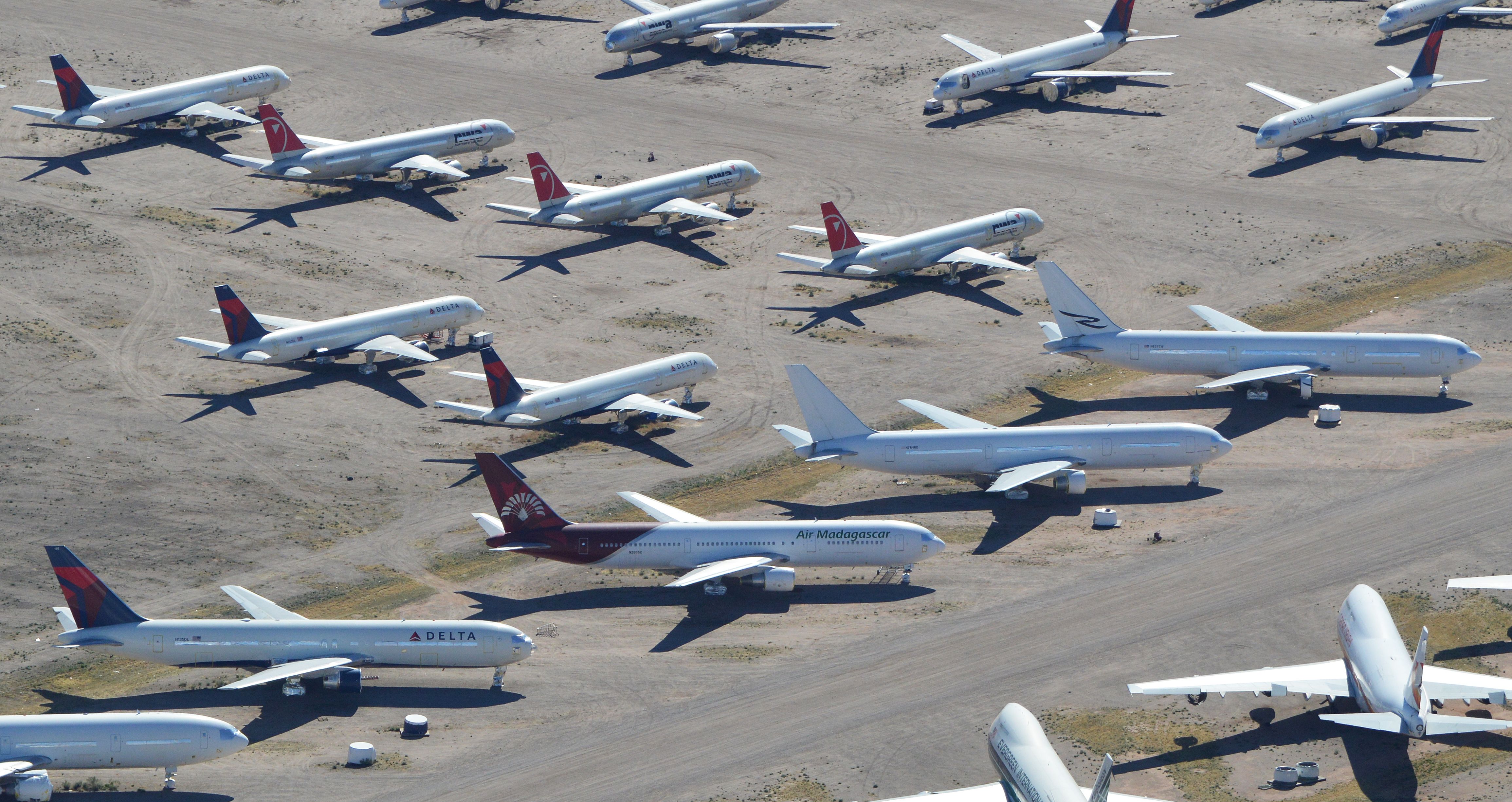
Pinal Airpark is a very popular place to send retired aircraft. Located in between Arizona’s two biggest cities, Phoenix and Tuscon, the airport is located in a very suitable climate for ensuring good storage of former commercial jets. Arizona’s climate is hot, dry, and sunny. This means the area has less humidity and animals, making corrosion and other damage to stored aircraft less of a threat. In addition to storage, some airport businesses also provide maintenance and fueling, according to Pinal County Airpark.
PH-OYJ’s impressive career
By the time it was retired, TUI’s last 767, PH-OYJ, had collected an impressive amount of flying time. According to ch.aviation, the 767-300ER is now over 25 years old, younger than many of the Boeing 767s still flying with major carriers like United Airlines and Delta Air Lines. It was first delivered to Britannia Airways, which operated the aircraft until it was transferred to Thomson Airways.
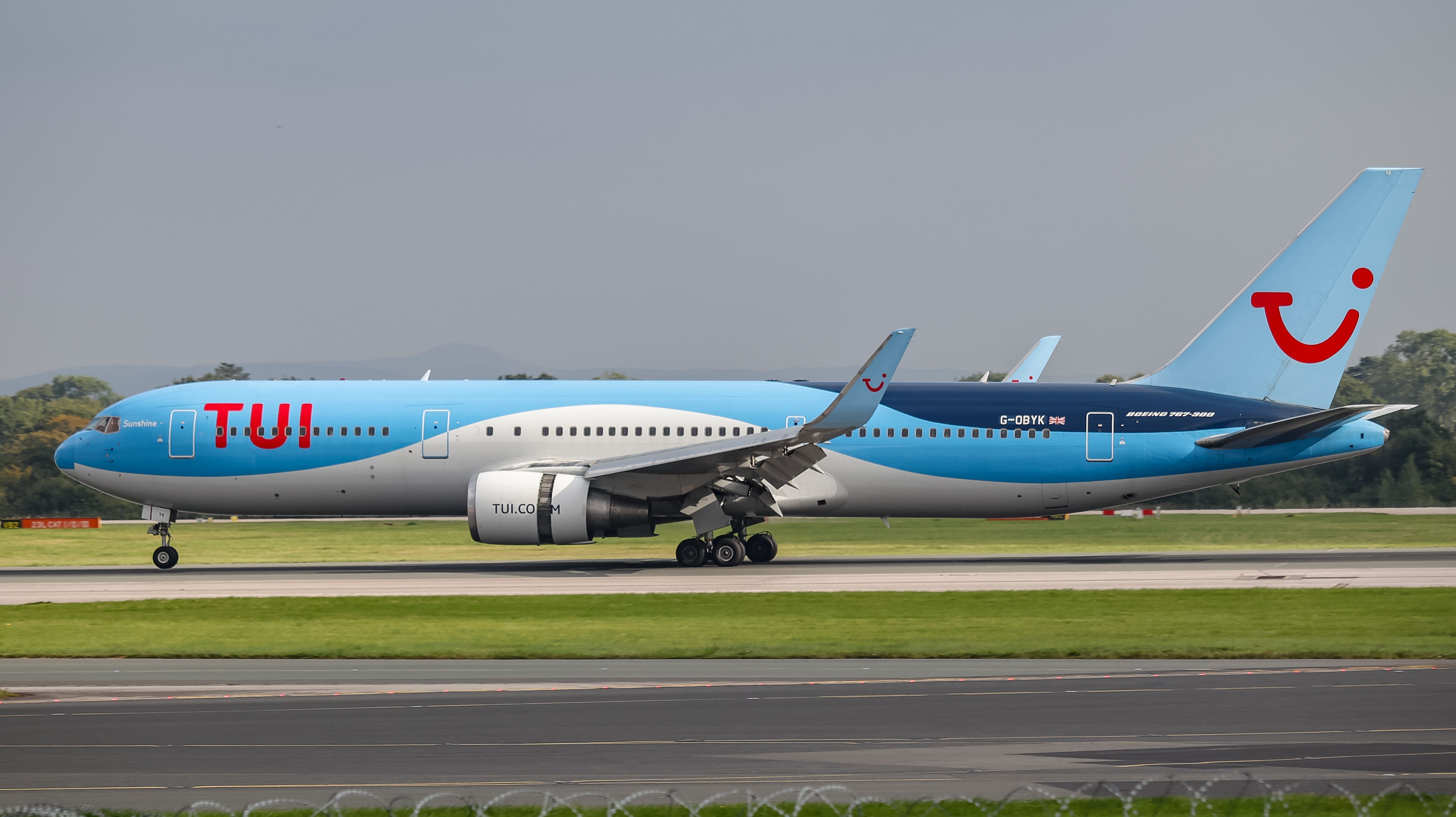
Photo: Bradley Caslin I Shutterstock.
However, by April 2011, Arke Fly began deploying the model, and did so until April 2015. Subsequently, it was operated by TUIfly Belgium, where it remained for seven years until it was transferred to TUIfly Netherlands. Ch.aviation estimates that its current market value is $15,070,000, and would likely lease for $200,000.
In total, PH-OYJ operated 95,984 flight hours and 17,184 flight cycles. The aircraft was typically used on medium-haul routes, as its average stage length is 5 hours and 35 minutes. The 767’s average daily utilization was 10 hours and 44 minutes, demonstrating how heavily utilized this aircraft was while in service. TUI’s 767 fleet has been replaced by newer Boeing 787 Dreamliners.
